
Forgiveness as a Hermeneutical Key to the Gospel of Matthew
An Exegetical Investigation of the ?f??µ? Logia in the Matthean Gospel
By (author) Bomki Laghai Mathew

Paperback (Forthcoming)
(December 2026)
ISBN: 9783161705748
6.1 x 9.13 inches
Price: $120.00
Mathew Bomki Laghai argues that forgiveness is a hermeneutical key to Matthew’s Gospel, linking soteriology, Christology, ecclesiology, and eschatology. He shows that Matthew uniquely conditions divine forgiveness on human forgiveness (Matt 6:14-15).
Mathew Bomki Laghai explores the concept of forgiveness in the Gospel of Matthew, focusing on the verb ἀφίημι, and argues that it should not be understood as a uniform theme but rather as a complex and multi-faceted concept. The author contends that forgiveness serves as a theological model through which other central themes of Jesus’ mission are illuminated, including sin, revelation, judgment, Christology, and eschatology. Forgiveness thus acts as a hermeneutical key, offering deeper insight into the central message of the gospel. A central aspect of this study is the close relationship between divine and interpersonal forgiveness, particularly in Matthew 6:12 and 18:35. Although these two forms of forgiveness can be distinguished, they cannot be separated; they are dialectically intertwined. This represents a departure from dominant perspectives of first-century Judaism, where forgiveness was closely associated with ritual acts conducted within the Temple. In contrast, the Gospel of Matthew presents a radical reconfiguration, where divine forgiveness is possible without the Temple yet contingent upon human forgiveness (Matt 6:14-15). The author employs a multi-faceted methodology that integrates synchronic and diachronic approaches, and incorporates textual, intra-textual, inter-textual, linguistic, semantic, grammatical, structural, redactional, literary, and theological methods to analyze the ἀφίημι logia. Key passages examined include Matthew 1:21; 6:9-13; 6:14-15; 9:1-8; 12:22-32; 18:15-35.
Prolegomena: Justification of Theme, History of Scholarship and Methodology
1.1. General Introduction
1.2. Justification, Originality and Scope of the Study
1.3. The Status Quaestionis of Forgiveness in the Gospel of Matthew
1.4. Methodology
1.5. Outline of the Study
Chapter Two
The Jewish Roots of the Verb ἀφίημι in the LXX
2.1. Introduction
2.2. The Verb ἀφίημι in the LXX
2.3. The Use of the Noun ἄφεσις in the LXX
2.4. Concluding Remarks
Chapter Three
The Use of the Verb ἀφίημι in Hellenistic Judaism of the Era and the Late Second Temple
3.1. Introduction
3.2. Use of the Verb ἀφίημι and the Noun ἄφεσις in Philo
3.3. The Use of the Verb ἀφίημι and the Substantive ἄφεσις in Flavius Josephus
3.4. The Use of the Verb ἀφίημι in the Book of Sirach
3.5. Concluding Remarks
Chapter Four
An Exegetical Reading of Matt 1:21: Forgiveness of Sins as a Constitutive Aspect of the Salvific Mission of Jesus
4.1. Introduction
4.2. Literary Analysis and Function of Matt 1:21
4.3. Exegetical Analysis of Matt 1:21
4.4. The Birth of Jesus [by Mary] (1:21a)
4.5. The Naming of Jesus [by Joseph] (1:21b)
4.6. The Saving from Sin [by Jesus] (1:21c)
4.7. Results of this Study
Chapter Five
An Exegetical Reading of Matt 6:9-13: Forgiveness as Conditionality (The Lord's Prayer and its appendix Matt 6:14-15)
5.1. Introduction
5.2. Literary Setting and Literary Analysis of the Lord's Prayer (Matt 6:9-13)
5.3. Structure of the Lord's Prayer (Matt 6:9-13; 14-15)
5.4. Exegetical Verse-by-Verse Interpretation of Matt 6:9-13
Chapter Six
An Exegetical Reading of Matt 9:1-8: Forgiveness as an Epiphany of Jesus (Cure of the Paralytic)
6.1. Introduction
6.2. Literary Analysis of Matt 9:1-8
6.3. Exegesis of Matt 9:1-8
6.4. The Paralytic is Brought in on a Stretcher (vv.1-2a)
6.5. Forgiveness of the Sins of the Paralytic (v.2b)
6.6. Correlation between Forgiveness and Sickness
6.7. Jesus is Accused of Blasphemy by the Scribes (vv.3-4)
6.8. Jesus Heals the Paralytic (vv.4-6)
6.9. The Paralytic Gets up and Walks Home (v.7)
6.10. The Admiration of the Crowds (v.8)
6.11. Results of the Exegetical Investigation of Matt 9:1-8
Chapter Seven
An Exegetical Reading of Matt 12:31-32: Forgiveness and the Sin against the Holy Spirit
7.1. Introduction
7.2. Literary Context and Analysis of the Blasphemy Logion (Matt 12:31-32)
7.3. Exegetical Analysis of the Blasphemy Logion (Matt 12:31-32)
7.4. All Sins will be Forgiven Human Beings (v.31a)
7.5. Blasphemy Against the Spirit will not be Forgiven (v.31b)
7.6. Word Spoken Against the Son of Man will be Forgiven (v.32a)
7.7. A Word Spoken Against the Holy Spirit will Never be Forgiven (v.32b)
7.8. Results of the Exegetical Investigation of the Blasphemy Logion
Chapter Eight
An Exegetical Investigation of Matt 18:21-35: Interpersonal Forgiveness (Unforgiving Servant)
8.1. Introduction
8.3. Part One: Matt 18:21-22: On the Necessity of Forgiveness
8.4. Exegetical Analysis of Matt 18:21-22
8.5. Peter's Question to Jesus on Forgiveness (v.21)
8.6. Jesus' Response to Peter's Question on Forgiveness (v.22)
8.7. Some Observations from the Above Analysis
8.8. Part Two: The Parable of the Unforgiving Servant (18:23-35)
8.9. Literary Analysis of the Parable
8.10. Exegetical Analysis of Matt 18:23-35
Chapter Nine
An Exegetical Reading of Matt 26:28: Death on the Cross as Forgiveness of Sins
9.1. Introduction
9.2. Literary Analysis of Matt 26:26-30
9.3. Exegetical Analysis of Matt 26:26-30
9.4. Blessing and Consumption of the Bread (v.26)
9.5. Thanksgiving and Drinking of the Wine (vv.27-28)
9.6. Jesus' Prediction of the Eschatological Wine (v.29)
9.7. Singing of Hymns and Departure for the Mount of Olives (v.30)
9.8. Results of the Study
A Possible Theology of Forgiveness From ἀφίημι Logia: General Conclusions
10.1. Introduction
10.2. Some Theological Aspects Gleaned from the Exegesis of ἀφίημι Logia
10.3. Conclusions of the Study and Some Implications
- By (author) Bomki Laghai Mathew
Other Titles in this Series
 Jesaja 53 als theologische Mitte der Apostelgeschichte
Studien zu ihrer Christologie und Ekklesiologie im Anschluss an Apg 8,26-40
Volume 398

 Luke-Acts and Jewish Historiography
A Study on the Theology, Literature, and Ideology of Luke-Acts
Volume 366


 Jesus’ Transfiguration and the Believers’ Transformation
A Study of the Transfiguration and Its Development in Early Christian Writings
Volume 265
 Jesus, the Tribulation, and the End of the Exile
Restoration Eschatology and the Origin of the Atonement
Volume 204

 Die Wunder an den Widersachern
Wunderhermeneutik am Beispiel der Strafwunder im lukanischen Doppelwerk
Volume 612


 The Temple Keys of Isaiah 22:22, Revelation 3:7, and Matthew 16:19
The Isaianic Temple Background and Its Spatial Significance for the Mission of Early Christ Followers
Volume 559


 Peter – Apocalyptic Seer
The Influence of the Apocalypse Genre on Matthew's Portrayal of Peter
Volume 348

 Spirits and the Proclamation of Christ
1 Peter 3:18-22 in Light of Sin and Punishment Traditions in Early Jewish and Christian Literature
Volume 305


 Jesus as the Eschatological Davidic Shepherd
Studies in the Old Testament, Second Temple Judaism, and in the Gospel of Matthew
Volume 216

 Schopfungspoetik im Johannesevangelium
Sprachanalytische Untersuchungen zum Lebensmotiv. Kontexte und Normen neutestamentlicher Ethik / Contexts and Norms of New Testament Ethics. Band XVI
Volume 621

 Desire in Paul’s Undisputed Epistles
Semantic Observations on the Use of epithymeo, ho epithymetes, and epithymia in Roman Imperial Texts
Volume 539


Similar Books


 Athanasius of Alexandria, Epistula ad episcopos Aegypti et Libyae
Old Slavonic Version and English Translation
Volume 261


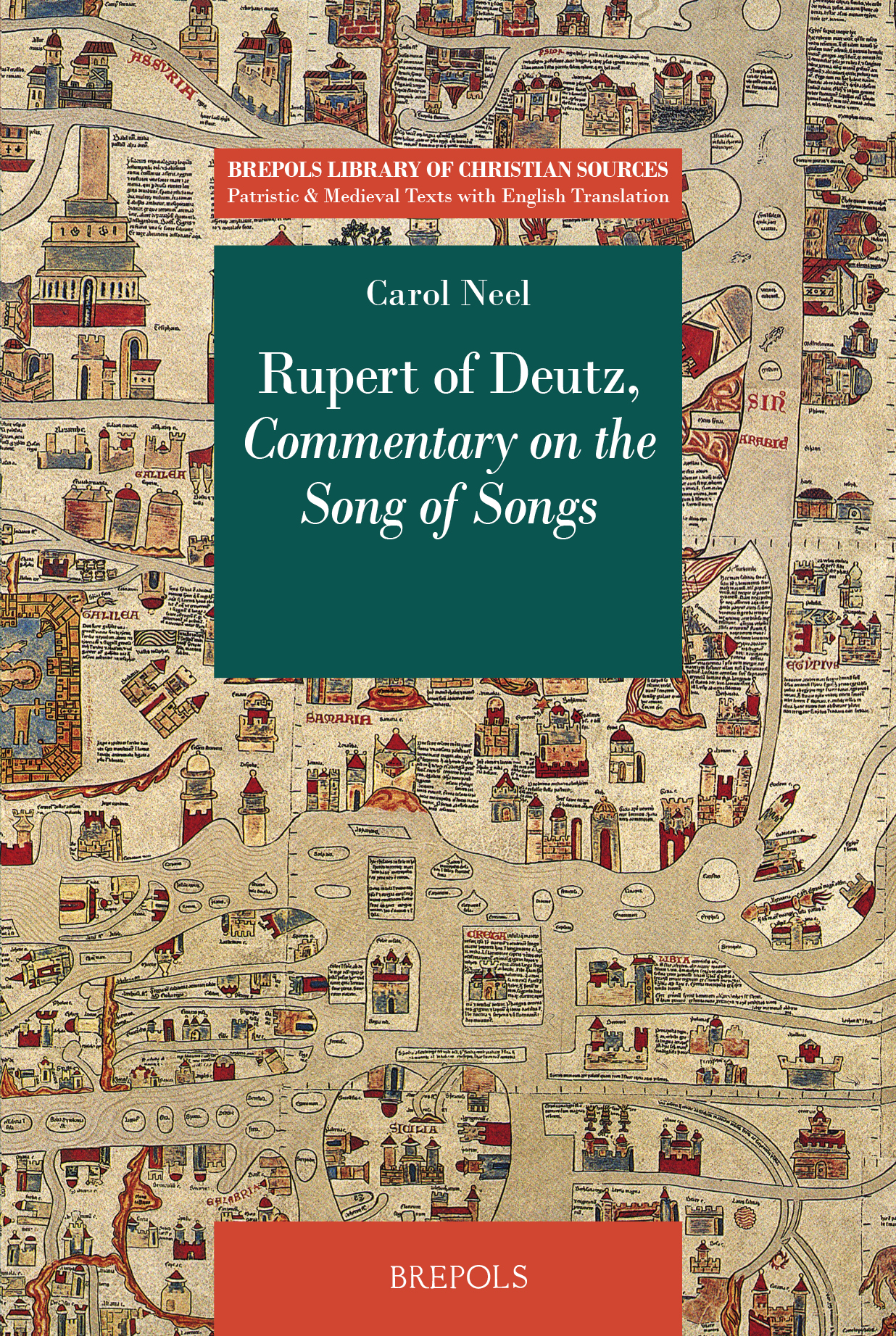
 Cyril of Alexandria’s Christological Exegesis
Explorations of Partitive Exegesis in the Dialogues on the Trinity
Volume 70


 Epiphanies of the Divine in the Septuagint and the New Testament
Fifth International Symposium of the Corpus Judaeo-Hellenisticum Novi Testamenti (CJHNT), 14-17 May 2015, Nottingham

 Extracanonical Traditions and the Holy Land
Texts, Rituals, and Material Culture in Late Antique Palestine
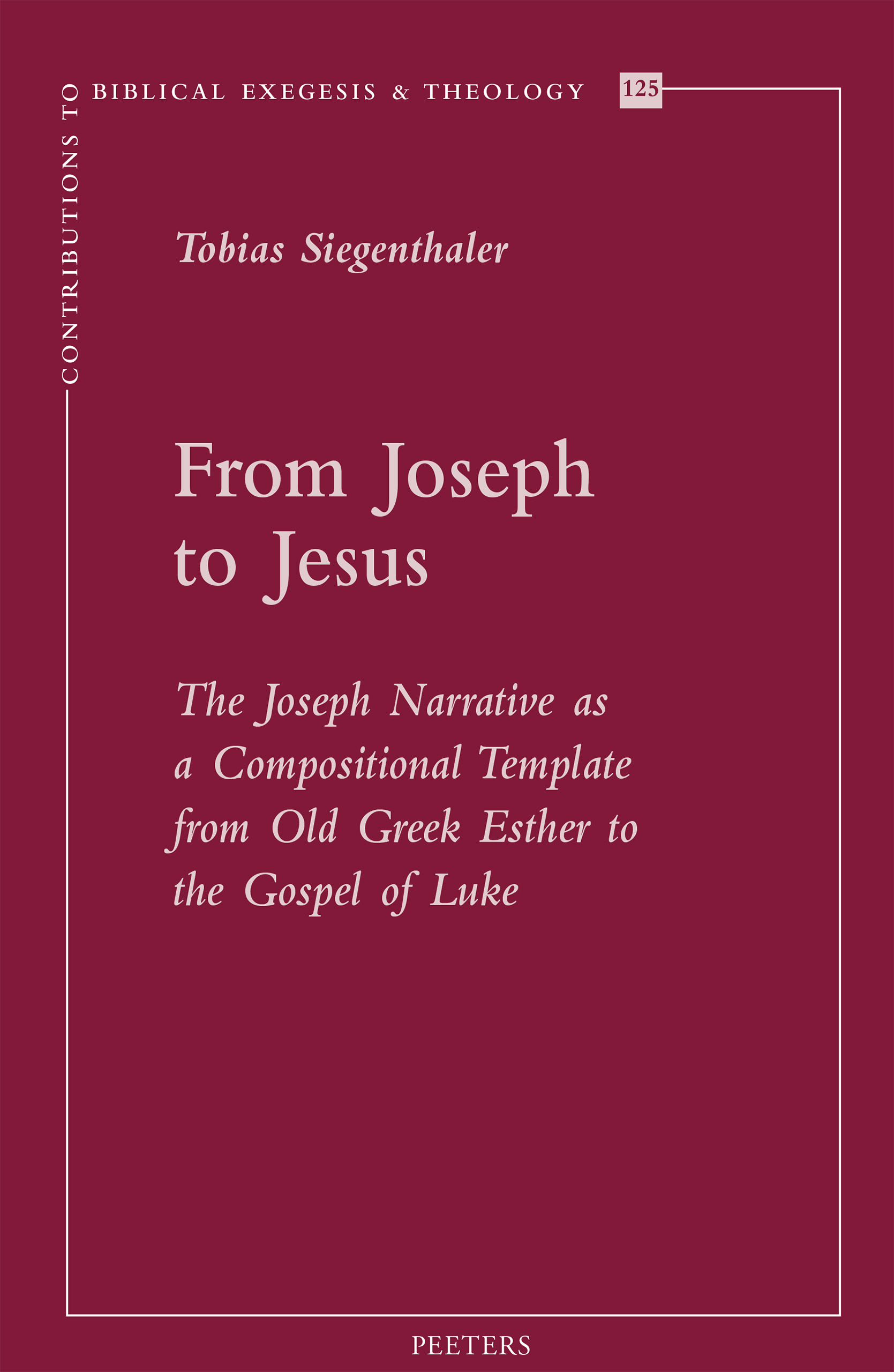 From Joseph to Jesus
The Joseph Narrative as a Compositional Template from Old Greek Esther to the Gospel of Luke
Volume 125


 Paradise Lost in Transmission
The Return to Eden in the Apocalypse of Peter within Its Ethiopic and Early Christian Contexts



 Punning in Odd or Elegant Constructions in Jeremiah
The Convergence of Linguistics, Rhetoric, and Textuality in the Hebrew Text of Jeremiah

 Shame in the Worlds of the Hebrew Bible and Akkadian Texts
A Linguistic Study and Its Implications
Volume 33

 Tabernacle, Table, Ark, and Text
Richard of Saint Victor on the Interpretation of Scripture
Volume 67
 The Anglo-Norman Bible’s Books of Kings, a Critical Edition
(BL Royal 1 C III, fols 234r-274v)
Volume 37
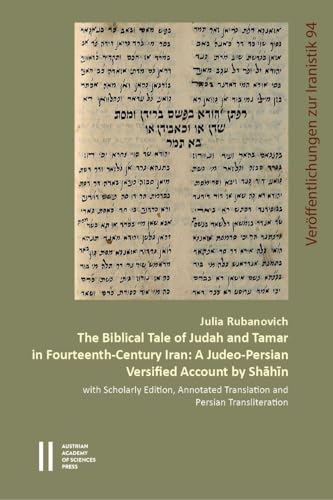 The Biblical Tale of Judah and Tamar in Fourteenth-Century Iran
A Judeo-Persian Versified Account by Shāhīn with Scholarly Edition, Annotated Translation and Persian Transliteration
Volume 94, 951
 The Body
Lived, Cultured, Adorned: Essays on Dress and the Body in the Bible and Ancient Near East in Honor of Nili S. Fox

 The Compositional History of the Book of Kings
An Analysis of the Evaluative Frameworks in 1 Kings 14–2 Kings 25
 The Discourse of Rites
Shaping and Reshaping the (Counter-)Priestly Rituals Conducted Outside the Tabernacle


