
Paul’s ‘Works of the Law’ in the Perspective of Second Century Reception
by Matthew J. Thomas

Paul writes that we are justified by faith apart from ‘works of the law’, a disputed term that represents a fault line between ‘old’ and ‘new’ perspectives on Paul. Was the Apostle reacting against the Jews’ good works done to earn salvation, or the Mosaic Law’s practices that identified the Jewish people? Matthew J. Thomas examines how Paul’s second century readers understood these points in conflict, how they relate to ‘old’ and ‘new’ perspectives, and what their collective witness suggests about the Apostle’s own meaning. Surprisingly, these early witnesses align closely with the ‘new’ perspective, though their reasoning often differs from both viewpoints. They suggest that Paul opposes these works neither due to moralism, nor primarily for experiential or social reasons, but because the promised new law and covenant, which are transformative and universal in scope, have come in Christ.
Paul writes that we are justified by faith apart from ‘works of the law’, a disputed term that represents a fault line between ‘old’ and ‘new’ perspectives on Paul. Was the Apostle reacting against the Jews’ good works done to earn salvation, or the Mosaic Law’s practices that identified the Jewish people? Matthew J. Thomas examines how Paul’s second century readers understood these points in conflict, how they relate to ‘old’ and ‘new’ perspectives, and what their collective witness suggests about the Apostle’s own meaning. Surprisingly, these early witnesses align closely with the ‘new’ perspective, though their reasoning often differs from both viewpoints. They suggest that Paul opposes these works neither due to moralism, nor primarily for experiential or social reasons, but because the promised new law and covenant, which are transformative and universal in scope, have come in Christ.
- By (author) Matthew J Thomas
Other Titles in this Series

 Matthaeus Adversus Christianos
The Use of the Gospel of Matthew in Jewish Polemics Against the Divinity of Jesus
Volume 350


 Rediscovering Righteousness in Romans
Personified dikaiosyne within Metaphoric and Narratorial Settings
Volume 240
 Der Kolosserbrief im Kontext des paulinischen Erbes
Eine intertextuelle Studie zur Auslegung und Fortschreibung der Paulustradition
Volume 271
 Jesus’ Death and the Gathering of True Israel
The Johannine Appropriation of Restoration Theology in the Light of John 11.47-52
Volume 217

 Schopfungspoetik im Johannesevangelium
Sprachanalytische Untersuchungen zum Lebensmotiv. Kontexte und Normen neutestamentlicher Ethik / Contexts and Norms of New Testament Ethics. Band XVI
Volume 621

 Desire in Paul’s Undisputed Epistles
Semantic Observations on the Use of epithymeo, ho epithymetes, and epithymia in Roman Imperial Texts
Volume 539


 Paul, Divestment, and Salvific Almsgiving
Rediscovering the Apostle’s Economic Theology within Jewish and Early Christian Trajectories
 The Righteousness of God
A Lexical Examination of the Covenant-Faithfulness Interpretation
Volume 386


 Fruhchristliche Mahlfeiern
Ihre Gestalt und Bedeutung nach der neutestamentlichen Briefliteratur und der Johannesoffenbarung
Volume 255
 Oral Tradition and Literary Dependency
Variability and Stability in the Synoptic Tradition and Q
Volume 195


 Jesus’ Fulfilment of the Torah and Prophets
Inherited Strategies and Torah Interpretation in Matthew's Gospel
Volume 594

 Zeit und Ethik im Johannesevangelium
Theoretische, methodische und exegetische Annaherung an die Gunst der Stunde. Kontexte und Normen neutestamentlicher Ethik / Contexts and Norms of New Testament Ethics
Volume 488


Similar Books


 Athanasius of Alexandria, Epistula ad episcopos Aegypti et Libyae
Old Slavonic Version and English Translation
Volume 261


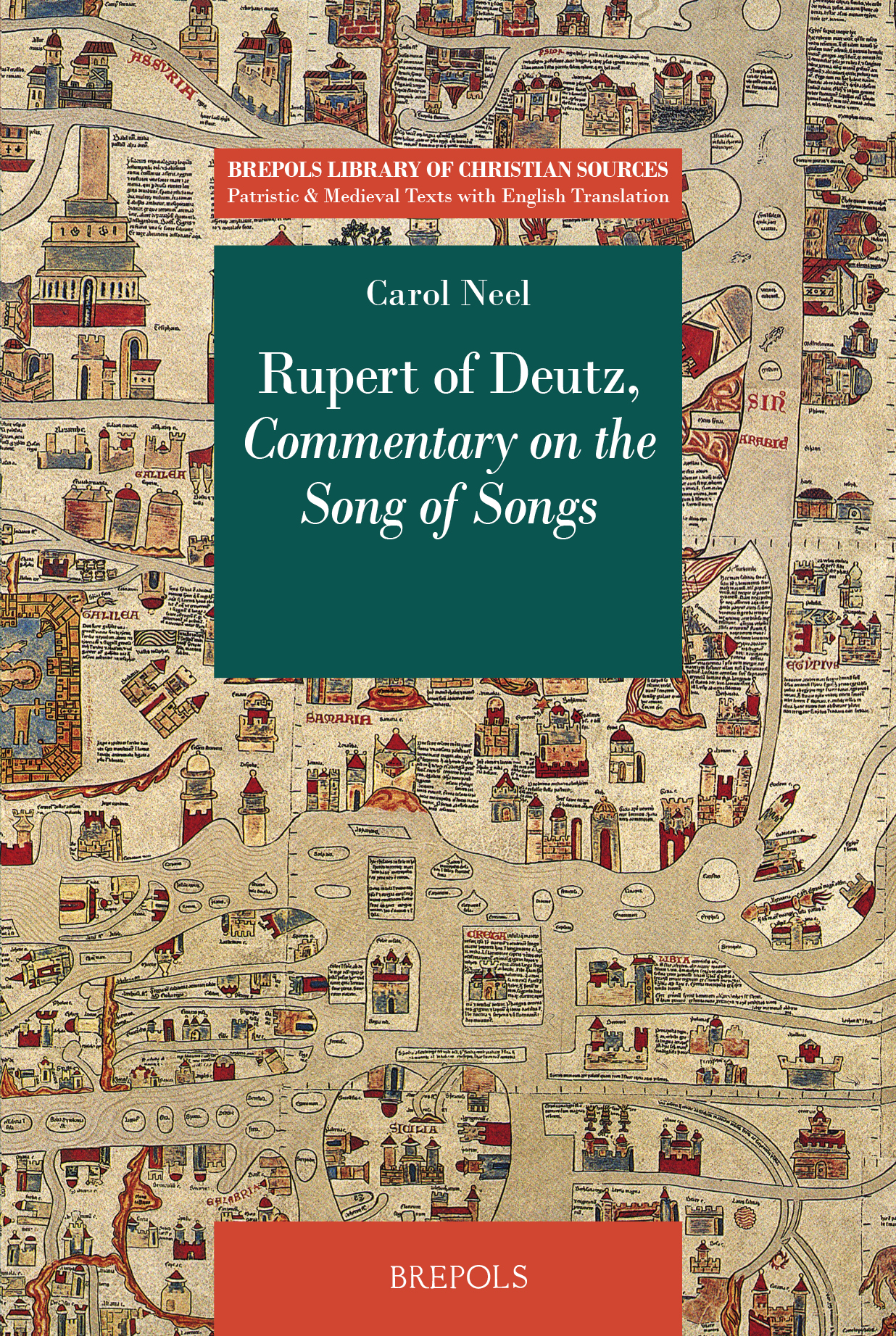
 Cyril of Alexandria’s Christological Exegesis
Explorations of Partitive Exegesis in the Dialogues on the Trinity
Volume 70


 Epiphanies of the Divine in the Septuagint and the New Testament
Fifth International Symposium of the Corpus Judaeo-Hellenisticum Novi Testamenti (CJHNT), 14-17 May 2015, Nottingham

 Extracanonical Traditions and the Holy Land
Texts, Rituals, and Material Culture in Late Antique Palestine
 From Joseph to Jesus
The Joseph Narrative as a Compositional Template from Old Greek Esther to the Gospel of Luke
Volume 125


 Paradise Lost in Transmission
The Return to Eden in the Apocalypse of Peter within Its Ethiopic and Early Christian Contexts



 Punning in Odd or Elegant Constructions in Jeremiah
The Convergence of Linguistics, Rhetoric, and Textuality in the Hebrew Text of Jeremiah

 Shame in the Worlds of the Hebrew Bible and Akkadian Texts
A Linguistic Study and Its Implications
Volume 33

 Tabernacle, Table, Ark, and Text
Richard of Saint Victor on the Interpretation of Scripture
Volume 67
 The Anglo-Norman Bible’s Books of Kings, a Critical Edition
(BL Royal 1 C III, fols 234r-274v)
Volume 37
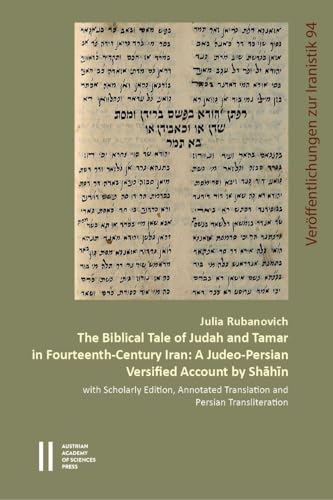 The Biblical Tale of Judah and Tamar in Fourteenth-Century Iran
A Judeo-Persian Versified Account by Shāhīn with Scholarly Edition, Annotated Translation and Persian Transliteration
Volume 94, 951
 The Body
Lived, Cultured, Adorned: Essays on Dress and the Body in the Bible and Ancient Near East in Honor of Nili S. Fox

 The Compositional History of the Book of Kings
An Analysis of the Evaluative Frameworks in 1 Kings 14–2 Kings 25
 The Discourse of Rites
Shaping and Reshaping the (Counter-)Priestly Rituals Conducted Outside the Tabernacle


