
Dialektik in Platons ‘Philebos’
by Petra Schmidt-Wiborg

Paperback (Published)
(December 2005)
ISBN: 9783161485862
Price: $82.00
On back order
English summary: This interpretation of the Philebus illustrates the conceptual framework which defined Plato’s understanding of dialectic. The discussions in the Philebus which are of a general nature show that Plato was concerned with the idea that the structure of thinking could hardly be conceived of as a way to obtain true knowledge of all things, which is a requirement of philosophy. Nevertheless, Plato believed in philosophy in the sense that in his view philosophy was able to produce a real dialectical representation of everything. He argues that within this representation there is a kind of reason which unifies our knowledge and which can also unite the entire universe as well as our reasoning and actions. However since Plato assumes a reason which he sees as a cause and a teleological determination at the same time, it is clear that his conception has become the victim of difficulties that dialectic is actually supposed to resolve. German description: Dialektik bei Platon wurde bisher nur in defizitarer Weise verstanden. Dies liegt, wie Petra Schmidt-Wiborg zeigt, an einem Spannungsverhaltnis: Auf der einen Seite steht der universale Anspruch, alles in seiner Einheit dialektisch bestimmen zu konnen, auf der anderen Seite ist das Denken strukturellen Bedingungen unterworfen, unter denen Einheit schwerlich einzuholen ist. Dies wird verkurzt, wenn heute Dialektik teils als prinzipientheoretische und axiologische Begrundung, teils als Anwendungswissen gedeutet wird.Textnah zeigt die Autorin, wie im Philebos das dialektische Wissen ausdrucklich in Rucksicht auf seine problematischen Bedingungen konzipiert wird. Dialektik setzt Vernunft als Ursache und zugleich als teleologisches Wissen des Guten voraus. Vernunft soll im Handeln und in der Welt insgesamt fur Einheit sorgen und am Werke sein in der dialektischen Darstellung der Bestimmung des Seienden. Auch Parmenides und Sophistes pragt dasselbe Spannungsverhaltnis zwischen Anspruch und Bedingungen der Dialektik, welches der Philebos zu losen verspricht, das er aber – so das Ergebnis dieser systematischen Rekonstruktion der Dialektik – im doppeldeutigen Vernunftbegriff im Grunde bestatigt.
- By (author) Petra Schmidt-Wiborg
Other Titles in this Series

 Licht und Dunkel als Denkfiguren der Philosophie
Philosophisches Denken zwischen Affirmativitat und Negativitat
Volume 54

 Die anthropologische Asthetik Arnold Gehlens und Helmuth Plessners
Entlastung der Kunst und Kunst der Entlastung
Volume 36


 Das Dasein und das isolierte Subjekt
Die Frage der philosophischen Selbstinterpretation des Menschen bei Heidegger


 Denkende Korper
Die metaphysische Unteilbarkeit des Menschen von Descartes und Spinoza bis La Mettrie
Volume 56


 Die Konstitution der Macht
Kompetenz, Ordnung und Integration in der politischen Verfassung
Volume 12


Similar Books


 Drunk the Potion, No Whit Charmed
The Doctrine of Pure and Perfect Souls from Iamblichus to Damascius

 Libertinage et philosophie à l’époque classique (XVIe-XVIIIe siècle)
Athéisme, Modernité et Sécularisation / Atheism, Modernity and Secularization
Volume 23

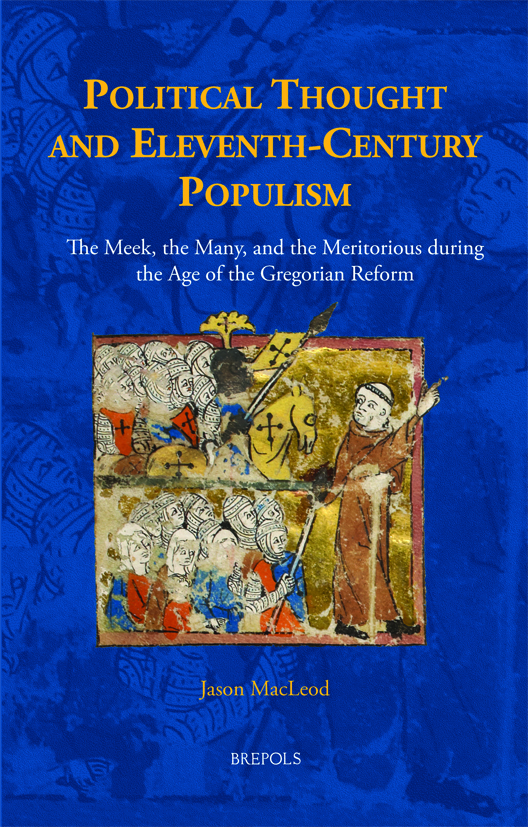 Political Thought and Eleventh-Century Populism
The Meek, the Many, and the Meritorious during the Age of the Gregorian Reform
Volume 38


 The Latin Hermes in Translation
Asclepius, Glosses on Trismegistus, Book of Six Principles of Things, Book of 24 Philosophers
Volume 50



 Éthique, politique, religions
Superstition (XVIIe - XXIe siècles). Sémantique, histoires et cultures


 Lehrreiche Literatur
Die didaktische Gestaltung von Plutarchs Quaestiones Graecae und Romanae und Gellius' Noctes Atticae


 Sitten zwischen Moralphilosophie und Politischer Okonomie am Ende des 18. Jahrhunderts
Mit einer zweisprachigen Edition von Ludwig Heinrich Jakobs Preisschrift Quelles sont les institutions les plus propres a fonder la morale d'un peuple

 Theologische Anthropologie in G. E. Lessings Frühwerk
Literarische Bilder von Gemeinschaft und Nonkonformität, Glück und Sünde

