
Bronzefunde aus dem Artemision von Ephesos
by Gudrun Klebinder-Gauss and edited by Wien Osterreichischen Archaologischen Institut in and Wissenschaften Osterreichischen Akademie der

The field research in the Artemision of Ephesus, which the Austrian Archaeological Institute resumed again in 1965 after a decade-long interruption, brought a massive amount of findings in addition to epochal results in the topography, architecture and history of this holy site. The wide spectrum of different, often very valuable, materials shows that the site was already a cult site of multi-regional significance in the seventh century B.C.E. After over thirty years of excavations it was clear that the presentation of this quantity of findings could not be processed contextually in a comprehensive manner. After careful thought, it was decided to order the findings according to material. This volume presents the objects made of bronze. They not only form one of the largest groups, they are also one of the most important complexes of its kind from the Late Geometric and Early Archaic periods. Their examination broadens the understanding of the metal arts in eastern Greece, and helps to determine the eastern Aegean region’s role as a mediator for technology and styles. In addition to this, bronzes, in their function as offerings, are an important testimony to the cult activities at this holy site: for the early period of the Artemision, an era without any written remnants, votive objects are the main source for determining cult practices. Published with funding from the Austrian Science Fund.
- By (author) Gudrun Klebinder-Gauss
- Edited by Wissenschaften Osterreichischen Akademie der
- Edited by Wien Osterreichischen Archaologischen Institut in
Other Titles in this Series

 Das Mausoleum von Belevi
Archaologische Untersuchungen zu Chronologie, Ausstattung und Stiftung
Volume 45810

 Hanghaus 2 in Ephesos Die Wohneinheit 6 Baubefund, Ausstattung, Funde
Baubefund, Ausstattung, Funde
Volume 45878
 Amber for Artemis
Amber Finds from the Artemision at Ephesos. With Contributions by Silvia Alaura, Laura Ambrosini, Marco Bonechi, Vanora Estridge, Sarjit Kaur, Tripta Kaur, Michael Kerschner, Alessandro Naso, Martina Ott, Caroline Posch, Serena Privitera, Andrea M. P
Volume 12.7
 Das Grabhaus 1/08 in der Hafennekropole von Ephesos
Ergebnisse der anthropologischen und palaopathologischen Untersuchung kaiserzeitlich-spatantiker Kollektivgraber
Volume 1


Similar Books

 Caesar’s Visions and Impact on the Roman Empire
Revisiting the Archaeological and Historical Record of the 40s BC
Volume 2


 Etruscan and Roman Hellenistic Anatomical ex votos
Reassessing Popular Religious Expressions in Central Italy
Volume 8


 Invisible Labour in Antiquity
Visualizing Obscure Work in the Ancient Mediterannean and West Asia
Volume 1
 Late Antique villae in the Balkans (3rd–7th c. AD): Current Research Questions and Perspectives
HAEMUS Companion to the Late Antique Balkans 1
Volume 4


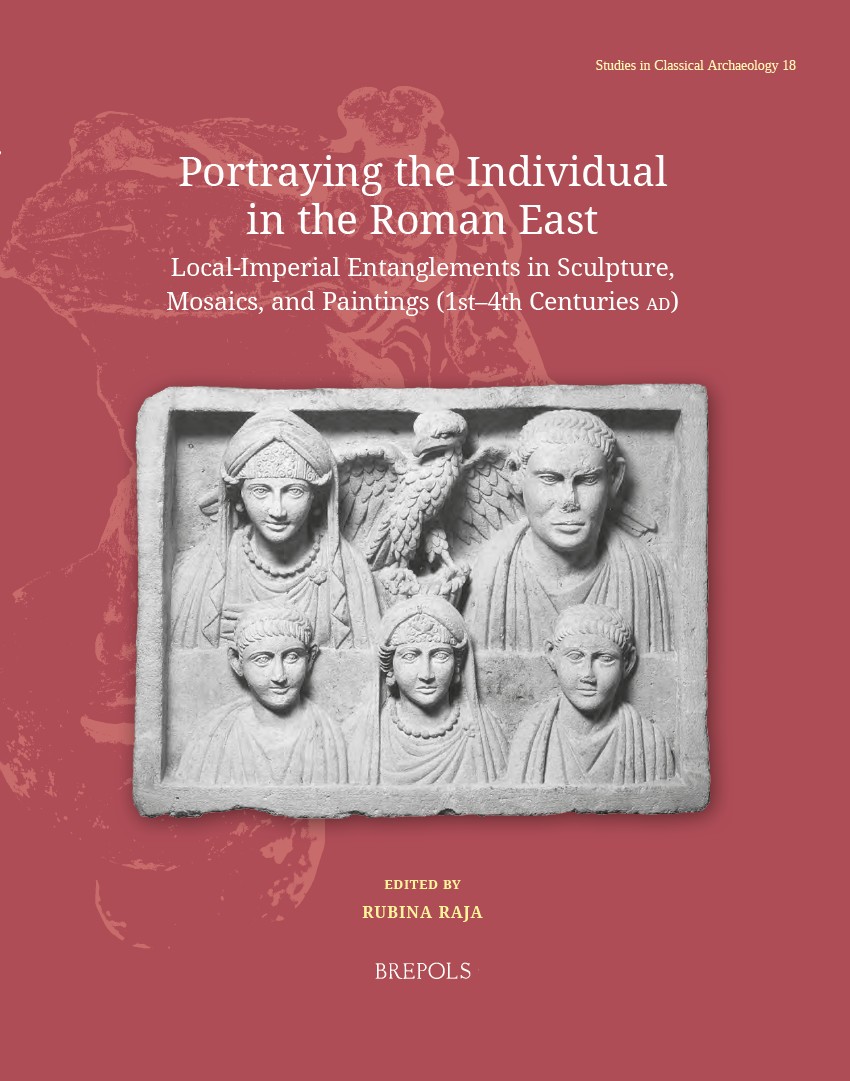 Portraying the Individual in the Roman East
Local–Imperial Entanglements in Sculpture, Mosaics, and Paintings (First–Fourth Centuries AD)
Volume 18

 Small Worlds and Relational Agencies: Local Societies in Early Medieval Iberia
Pequeños mundos y Agencias relacionales: Sociedades locales altomedievales en la Península Ibérica

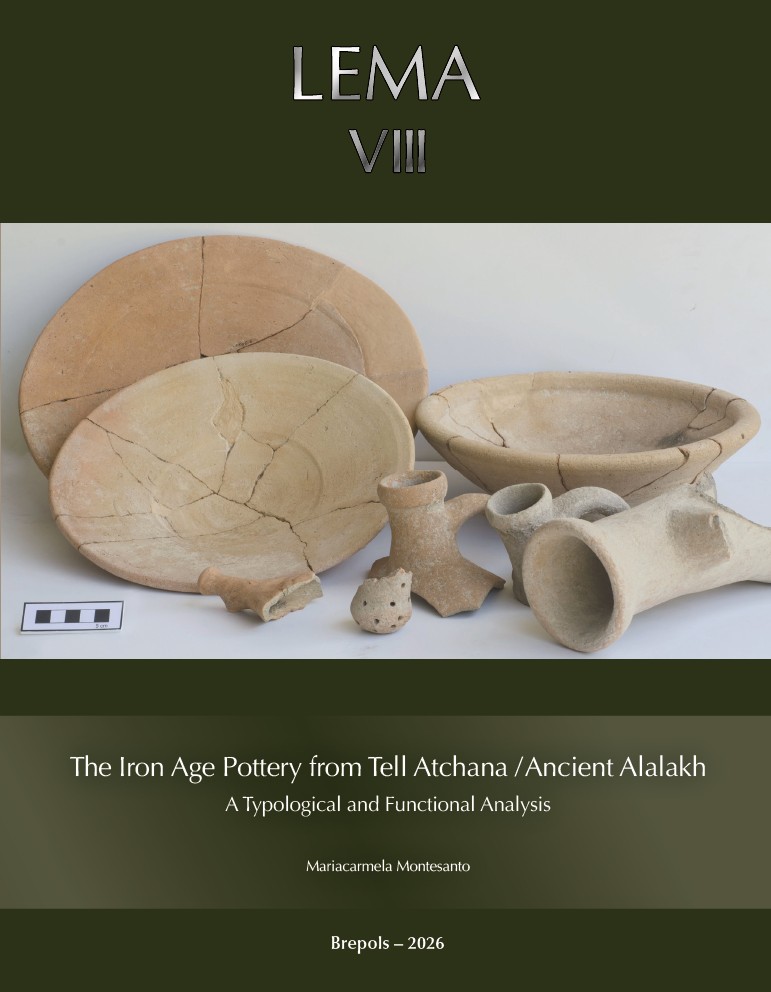 The Iron Age Pottery from Tell Atchana / Ancient Alalakh
A Typological and Functional Analysis
Volume 8

 Writing in the Church of the Nativity in Bethlehem
Inscription and Graffiti in a Multilingual and Multigraphic Perspective
Volume 45


 Atlante tematico di topografia antica 36-2026
Urbanistica e monumenti, porti, Roma. Ricerche sui monti Aurunci
Volume 36
 Cerámica común romana y ciclo haliéutico
Análisis de los contextos de las cetariae de Iulia Traducta

 Nuove scoperte e progressi nelle metodologie di rilievo e analisi dell’arte rupestre post-paleolitica in Italia
New discoveries and progress in the tracing and analysis methodologies of the post-Paleolithic rock art in Italy


 A Dramatic Event in Late Roman Florence
The Anomalous Burial Site Discovered beneath the Uffizi Gallery

 Alexander the Great and the Campaign of Gaugamela
New Research on Topography and Chronology. IAMNI 1 (Italian Archaeological Mission to Northern Iraq)
Volume 53


 Ceramic Finds in Context (Roman to Early Islamic Times)
Final Publications from the Danish-German Jerash Northwest Quarter Project VII
Volume 13