
Das Odeion im Aremision von Ephesos
by Lili Zabrana

Hardback (Published)
(January 2019)
ISBN: 9783700178682
Price: $121.00
On back order
English summary: After the Temple of Artemis in Ephesus lost his religious significance, the famous sanctuary fell victim to extensive stone robbery and had long since been forgotten. The foundations, covered by eight-meters-high earth levels, were rediscovered around 1870. In the following 125 years of research, the legendary temple of Artemis was always the focus of the archaeological fieldwork, while the once densely built up sacred enclosure remained unexplored. Since 2009 the Austrian Archaeological Institute investigated for the first time a roman building southwest of the Temple, which was up to the present named “Tribune” and whose function could be finally clarified. Due to close typological parallels as well as equipment and furnishing, the building can be identified as roman Odeion of the Early Empire, a building type known as venue for musical contests. The existence of such competitions as part of the holy games for the Artemis of Ephesus is testified by Roman inscriptions mentioning the victory of three Comedians, a Rhetor, a Flute Player, a Citharede and a Poet of Encomien within musical contests of the Artemisia. German description: Im Laufe der 125-jahrigen Forschungsgeschichte im Artemision von Ephesos stand der um 1870 wiederentdeckte Tempel im Mittelpunkt der archaologischen Arbeiten, wahrend der ihn umgebende, einstmals dicht bebaute heilige Bezirk unerforscht blieb. Vom Osterreichischen Archaologischen Institut wurde im Jahr 2009 ein Projekt zur bis heute einzig sichtbaren romischen Ruine innerhalb des heiligen Bezirkes initiiert, um den Forschungsschwerpunkt ausgehend von diesem Gebaude auf die romische Nutzungsphase und den gesamten heiligen Bezirk auszudehnen. Der Bau, der zuvor als “Tribune” bezeichnet wurde, konnte aufgrund von engen bautypologischen Vergleichen und spezifischem Fundmaterial als fruhkaiserzeitliches Odeion identifiziert werden, ein Bautypus, der ublicherweise mit der Abhaltung von musischen Agonen in Verbindung gebracht wird. Die Existenz musischer Agone wahrend der heiligen Spiele fur Artemis in Ephesos ist schliesslich in der Kaiserzeit durch Siegesnennungen eines Enkomiendichters, eines Rhetors, eines Choraules, dreier Komodianten sowie eines Kitharoden belegt. Helmut Engelmann vermutete daher schon fruher die Ausrichtung des musischen Teils der Artemisia innerhalb des Heiligtums. Nachdem das untersuchte Gebaude als typologisch beispielhaftes fruhkaiserzeitliches Odeion erkannt wurde, kann der Austragungsort der uberlieferten musischen Agone nun eindeutig lokalisiert werden.
- By (author) Lili Zabrana
Other Titles in this Series
 Das Mausoleum von Belevi
Archaologische Untersuchungen zu Chronologie, Ausstattung und Stiftung
Volume 45810

 Hanghaus 2 in Ephesos Die Wohneinheit 6 Baubefund, Ausstattung, Funde
Baubefund, Ausstattung, Funde
Volume 45878
 Amber for Artemis
Amber Finds from the Artemision at Ephesos. With Contributions by Silvia Alaura, Laura Ambrosini, Marco Bonechi, Vanora Estridge, Sarjit Kaur, Tripta Kaur, Michael Kerschner, Alessandro Naso, Martina Ott, Caroline Posch, Serena Privitera, Andrea M. P
Volume 12.7
 Das Grabhaus 1/08 in der Hafennekropole von Ephesos
Ergebnisse der anthropologischen und palaopathologischen Untersuchung kaiserzeitlich-spatantiker Kollektivgraber
Volume 1


Similar Books

 Caesar’s Visions and Impact on the Roman Empire
Revisiting the Archaeological and Historical Record of the 40s BC
Volume 2


 Drunk the Potion, No Whit Charmed
The Doctrine of Pure and Perfect Souls from Iamblichus to Damascius

 Epiphanies of the Divine in the Septuagint and the New Testament
Fifth International Symposium of the Corpus Judaeo-Hellenisticum Novi Testamenti (CJHNT), 14-17 May 2015, Nottingham


 Etruscan and Roman Hellenistic Anatomical ex votos
Reassessing Popular Religious Expressions in Central Italy
Volume 8


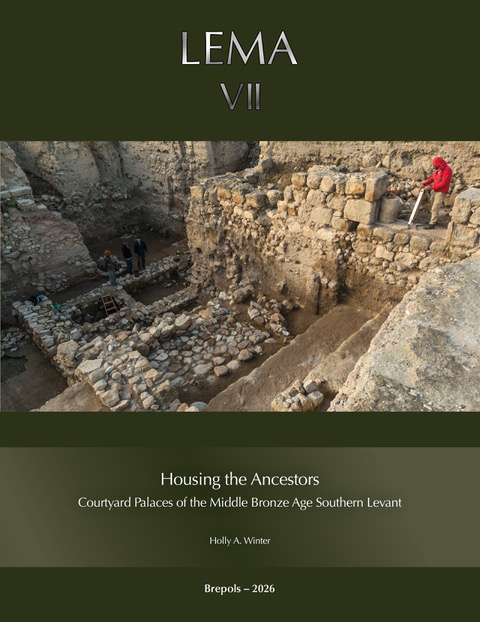

 Invisible Labour in Antiquity
Visualizing Obscure Work in the Ancient Mediterannean and West Asia
Volume 1
 Language and Power in the Roman Empire and Early India
Hierarchy, Ambiguity, and the Art of Reading the Signs in Cosmopolitan Cultures
 Late Antique villae in the Balkans (3rd–7th c. AD): Current Research Questions and Perspectives
HAEMUS Companion to the Late Antique Balkans 1
Volume 4

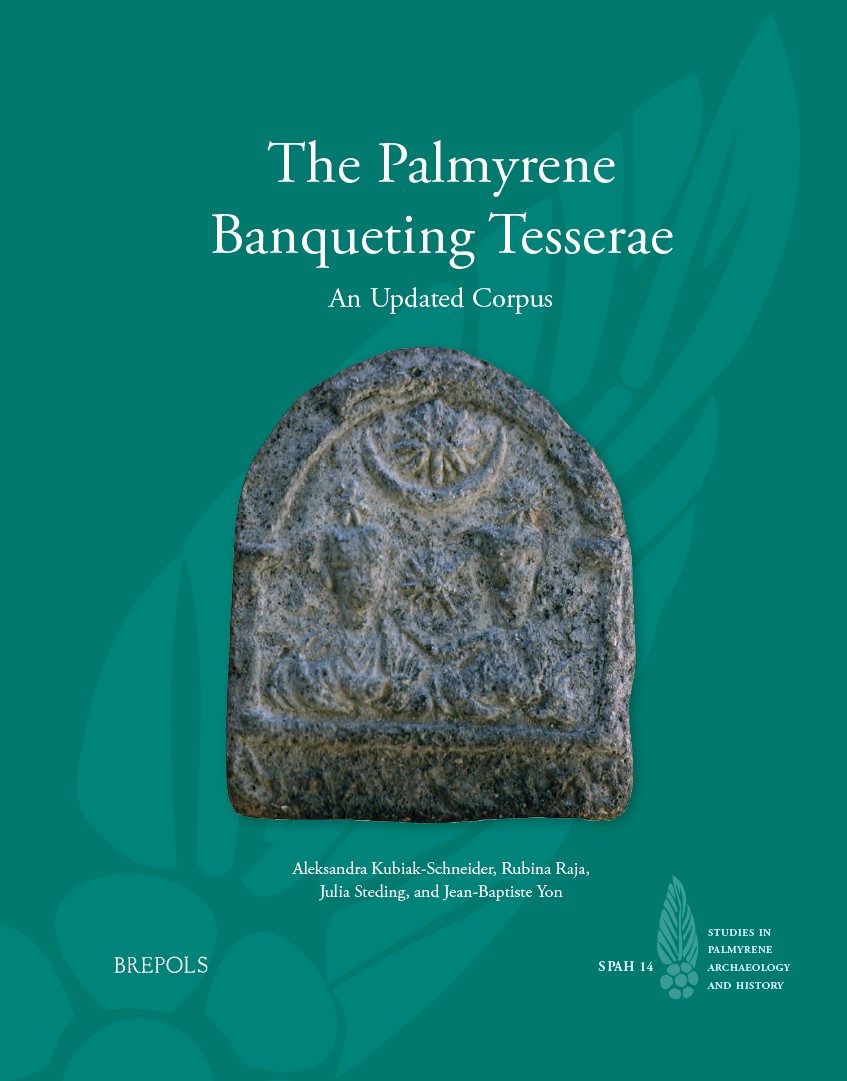
 Nurturing the Elite
Representations of Drinking, Eating, and Religious Vessels in Palmyrene Funerary Iconography
Volume 13


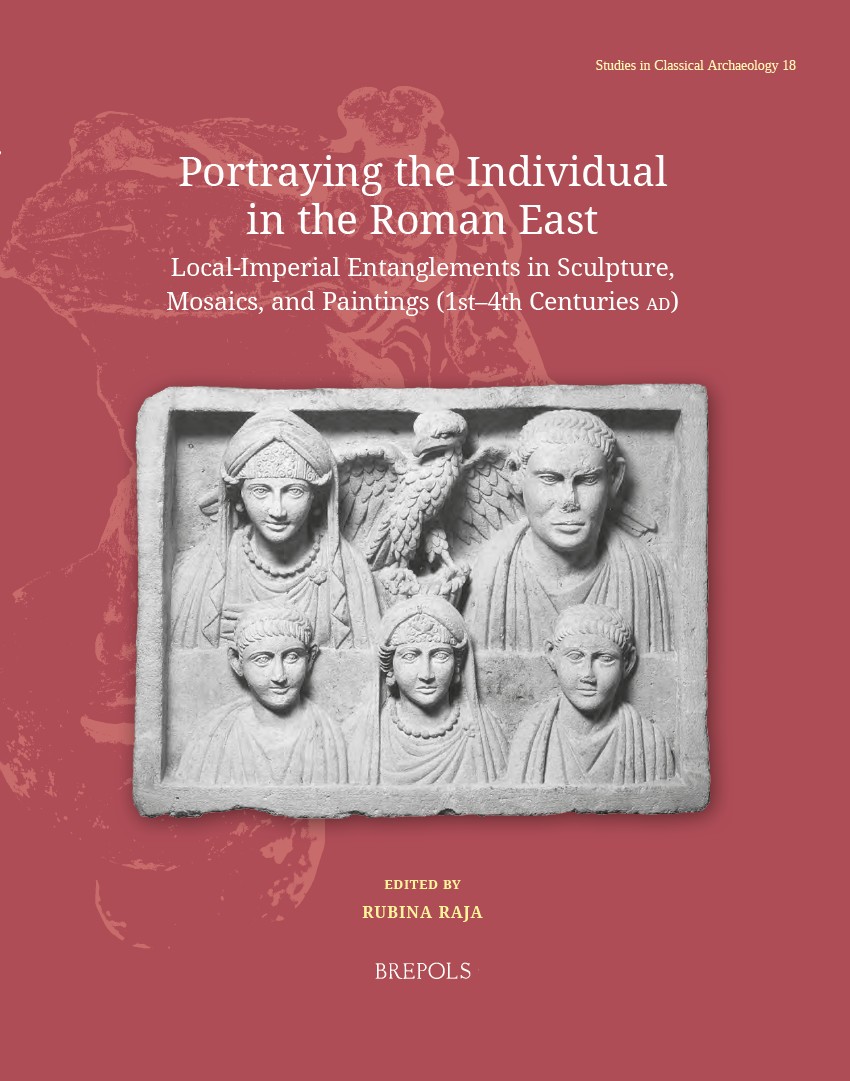 Portraying the Individual in the Roman East
Local–Imperial Entanglements in Sculpture, Mosaics, and Paintings (First–Fourth Centuries AD)
Volume 18

 Small Worlds and Relational Agencies: Local Societies in Early Medieval Iberia
Pequeños mundos y Agencias relacionales: Sociedades locales altomedievales en la Península Ibérica
 The Compositional History of the Book of Kings
An Analysis of the Evaluative Frameworks in 1 Kings 14–2 Kings 25

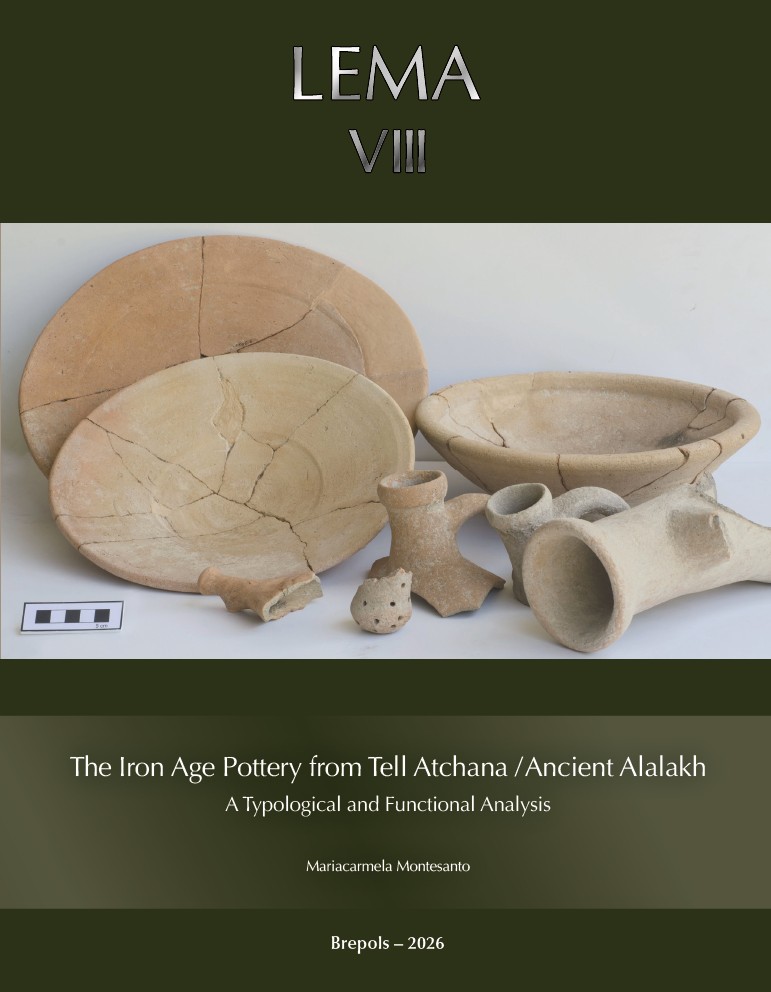 The Iron Age Pottery from Tell Atchana / Ancient Alalakh
A Typological and Functional Analysis
Volume 8


 Writing in the Church of the Nativity in Bethlehem
Inscription and Graffiti in a Multilingual and Multigraphic Perspective
Volume 45
 Contesting Labeled Identities
The Sociology of Gentilics in Biblical and Northwest Semitic Literature


 After Life in Roman Paganism. L’Égypte des astrologues. Les Mages hellénisés
Introductions historiographiques
Volume 7

 Atlante tematico di topografia antica 36-2026
Urbanistica e monumenti, porti, Roma. Ricerche sui monti Aurunci
Volume 36
 Cerámica común romana y ciclo haliéutico
Análisis de los contextos de las cetariae de Iulia Traducta


 Diodor über den ersten Sklavenaufstand auf Sizilien
Ein philologischer und historischer Kommentar
Volume 67