
Das Theater von Ephesos
Archaologische Befunde, Funde und Chronologie
edited by Peter Ruggendorfer and Friedrich Krinzinger

Paperback (Published)
(December 2017)
ISBN: 9783700175902
8.31 x 11.65 inches
Price: $206.00
In stock
English summary: This volume of the Forschungen in Ephesos presents the recent archaeological research at the theatre of Ephesus. Beside the results of the excavations the volume incorporates the analysis of the various find categories, such as pottery and glass, terracotta, sculptures, small finds and coins as well as archaeozoological and epigraphical finds. With this, the reader can comprehensively follow and review the chronology and the architectural development of the Ephesian monument. The construction started in the second quarter of the 2nd century BC and until the Byzantine period eight building or usage phases can be classified. A fundamental structural transformation can be attested during Flavian times. The building measures include in particular the renewal of the stage building with the erection of the magnificent three-storied scaenae frons, which due to a building inscription on the architrave of the lower story can be dated to the year 85 AD, as well as the erection of the Roman logeion, reaching far into the Hellenistic orchestra. The large-scale structural enhancement of the auditorium, through which the number of the possible audience rose to about 20.000, necessitated a new circulation and supply system in form of a monumental staircase in the south. The stairs gave access to three vaulted corridors leading to the three diazomata of the auditorium. German description: Mit dem vorliegenden Band der “Forschungen in Ephesos” werden die Befunde und die Auswertung der jungsten archaologischen Untersuchungen am Theater von Ephesos publiziert. Neben der Prasentation der Grabungsergebnisse erfolgt die detaillierte Vorlage der unterschiedlichen Fundgattungen, wie der Keramik- und Glasfunde, der Terrakotten, Skulpturen, Kleinfunde und Munzen sowie der archaozoologischen Evidenz und der neuen epigraphischen Zeugnisse. Somit kann der Kenntnisstand zur Chronologie und zur baulichen Entwicklung des ephesischen Theaters in geschlossener Form nachvollzogen und uberpruft werden. Der Baubeginn kann im zweiten Viertel des 2. Jahrhunderts v. Chr. angesetzt werden, wobei sich bis in byzantinische Zeit insgesamt acht Bau- bzw. Nutzungsphasen unterscheiden lassen. Besonders die Umgestaltungen zur Zeit der Flavier haben sich als tiefgreifend erwiesen. Zu den Modifikationen zahlten vor allem die Erneuerung des Buhnengebaudes mit der Errichtung der prachtvollen, nunmehr dreigeschossigen scaenae frons, die aufgrund einer Bauinschrift am Architrav des unteren Geschosses in das Jahr 85 n. Chr. datiert werden kann, und die Anlage des weit in die hellenistische Orchestra hineinreichenden romischen Logeion. Die grossangelegte bauliche Erweiterung des Zuschauerraumes, durch welche die Zahl der Zuschauer auf etwa 20.000 erhoht wurde, erforderte ein neues Zugangssystem in Form einer monumentalen Treppenanlage im Suden, die zur Erschliessung von drei uberwolbten Korridoren als Zugangen zum Auditorium diente.
English summary: This volume of the Forschungen in Ephesos presents the recent archaeological research at the theatre of Ephesus. Beside the results of the excavations the volume incorporates the analysis of the various find categories, such as pottery and glass, terracotta, sculptures, small finds and coins as well as archaeozoological and epigraphical finds. With this, the reader can comprehensively follow and review the chronology and the architectural development of the Ephesian monument. The construction started in the second quarter of the 2nd century BC and until the Byzantine period eight building or usage phases can be classified. A fundamental structural transformation can be attested during Flavian times. The building measures include in particular the renewal of the stage building with the erection of the magnificent three-storied scaenae frons, which due to a building inscription on the architrave of the lower story can be dated to the year 85 AD, as well as the erection of the Roman logeion, reaching far into the Hellenistic orchestra. The large-scale structural enhancement of the auditorium, through which the number of the possible audience rose to about 20.000, necessitated a new circulation and supply system in form of a monumental staircase in the south. The stairs gave access to three vaulted corridors leading to the three diazomata of the auditorium. German description: Mit dem vorliegenden Band der “Forschungen in Ephesos” werden die Befunde und die Auswertung der jungsten archaologischen Untersuchungen am Theater von Ephesos publiziert. Neben der Prasentation der Grabungsergebnisse erfolgt die detaillierte Vorlage der unterschiedlichen Fundgattungen, wie der Keramik- und Glasfunde, der Terrakotten, Skulpturen, Kleinfunde und Munzen sowie der archaozoologischen Evidenz und der neuen epigraphischen Zeugnisse. Somit kann der Kenntnisstand zur Chronologie und zur baulichen Entwicklung des ephesischen Theaters in geschlossener Form nachvollzogen und uberpruft werden. Der Baubeginn kann im zweiten Viertel des 2. Jahrhunderts v. Chr. angesetzt werden, wobei sich bis in byzantinische Zeit insgesamt acht Bau- bzw. Nutzungsphasen unterscheiden lassen. Besonders die Umgestaltungen zur Zeit der Flavier haben sich als tiefgreifend erwiesen. Zu den Modifikationen zahlten vor allem die Erneuerung des Buhnengebaudes mit der Errichtung der prachtvollen, nunmehr dreigeschossigen scaenae frons, die aufgrund einer Bauinschrift am Architrav des unteren Geschosses in das Jahr 85 n. Chr. datiert werden kann, und die Anlage des weit in die hellenistische Orchestra hineinreichenden romischen Logeion. Die grossangelegte bauliche Erweiterung des Zuschauerraumes, durch welche die Zahl der Zuschauer auf etwa 20.000 erhoht wurde, erforderte ein neues Zugangssystem in Form einer monumentalen Treppenanlage im Suden, die zur Erschliessung von drei uberwolbten Korridoren als Zugangen zum Auditorium diente.
- Edited by Friedrich Krinzinger
- Edited by Peter Ruggendorfer
Other Titles in this Series
 Hanghaus 2 in Ephesos Die Wohneinheit 6 Baubefund, Ausstattung, Funde
Baubefund, Ausstattung, Funde
Volume 45878
 Amber for Artemis
Amber Finds from the Artemision at Ephesos. With Contributions by Silvia Alaura, Laura Ambrosini, Marco Bonechi, Vanora Estridge, Sarjit Kaur, Tripta Kaur, Michael Kerschner, Alessandro Naso, Martina Ott, Caroline Posch, Serena Privitera, Andrea M. P
Volume 12.7
 Das Grabhaus 1/08 in der Hafennekropole von Ephesos
Ergebnisse der anthropologischen und palaopathologischen Untersuchung kaiserzeitlich-spatantiker Kollektivgraber
Volume 1


 Das Mausoleum von Belevi
Archaologische Untersuchungen zu Chronologie, Ausstattung und Stiftung
Volume 45810

Similar Books

 Caesar’s Visions and Impact on the Roman Empire
Revisiting the Archaeological and Historical Record of the 40s BC
Volume 2


 Etruscan and Roman Hellenistic Anatomical ex votos
Reassessing Popular Religious Expressions in Central Italy
Volume 8


 Invisible Labour in Antiquity
Visualizing Obscure Work in the Ancient Mediterannean and West Asia
Volume 1
 Late Antique villae in the Balkans (3rd–7th c. AD): Current Research Questions and Perspectives
HAEMUS Companion to the Late Antique Balkans 1
Volume 4


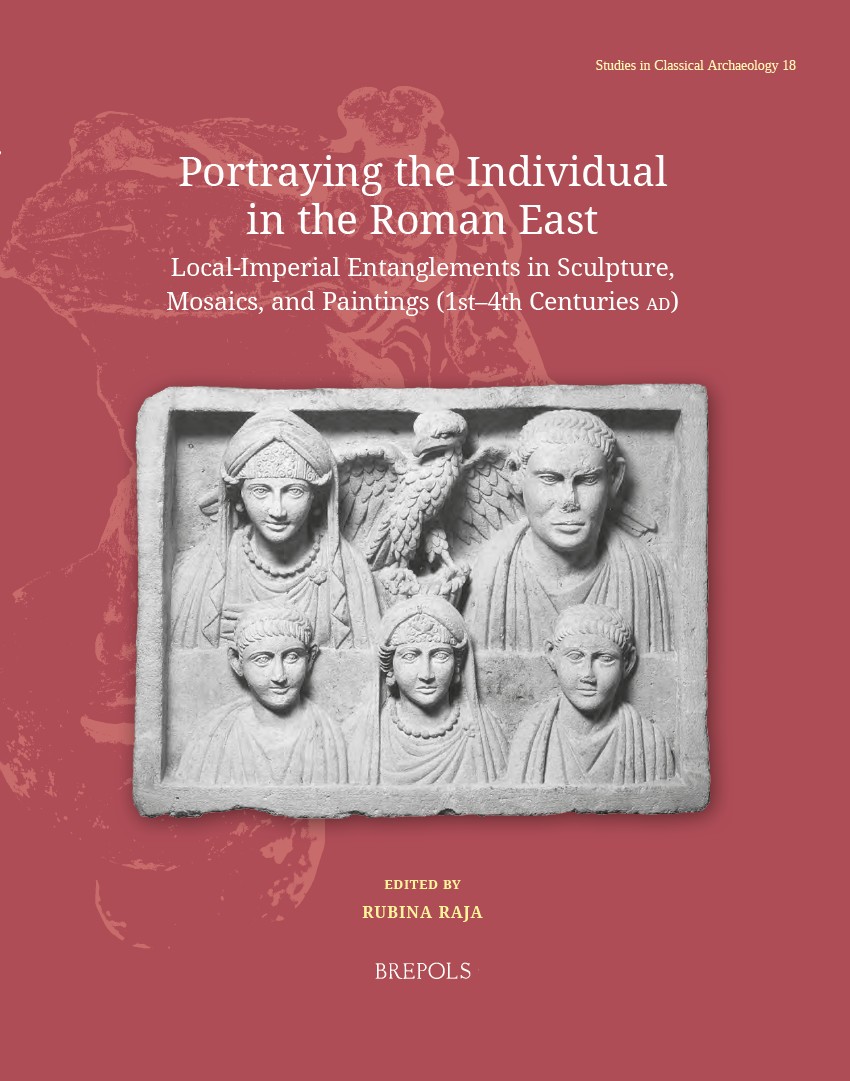 Portraying the Individual in the Roman East
Local–Imperial Entanglements in Sculpture, Mosaics, and Paintings (First–Fourth Centuries AD)
Volume 18

 Small Worlds and Relational Agencies: Local Societies in Early Medieval Iberia
Pequeños mundos y Agencias relacionales: Sociedades locales altomedievales en la Península Ibérica

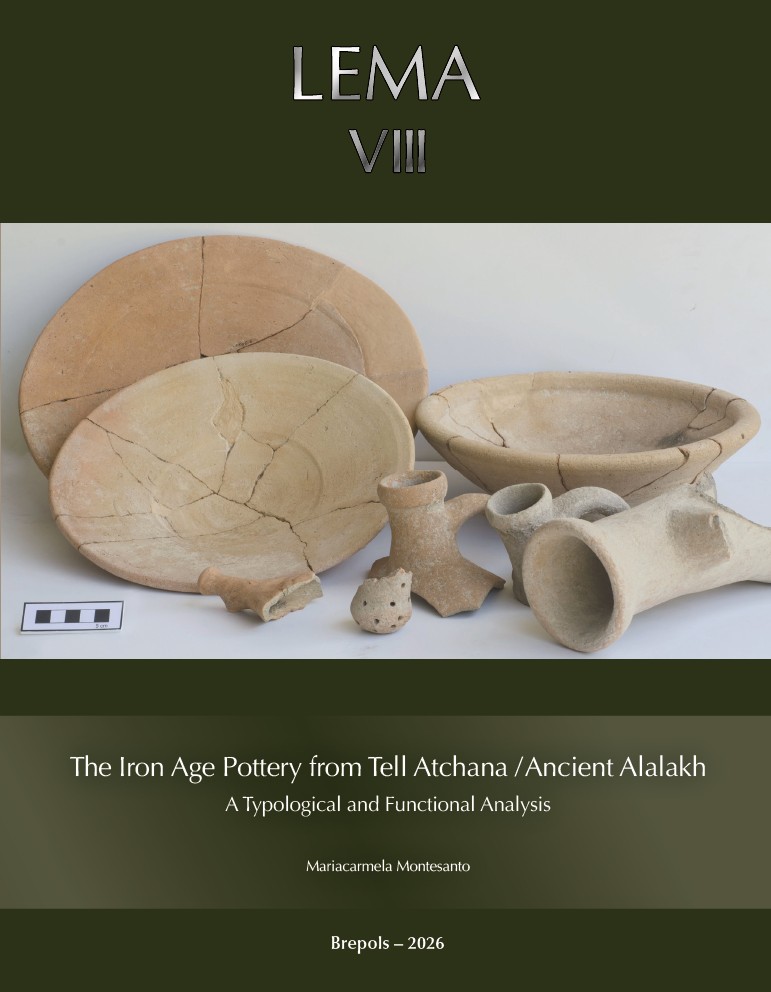 The Iron Age Pottery from Tell Atchana / Ancient Alalakh
A Typological and Functional Analysis
Volume 8

 Writing in the Church of the Nativity in Bethlehem
Inscription and Graffiti in a Multilingual and Multigraphic Perspective
Volume 45


 Atlante tematico di topografia antica 36-2026
Urbanistica e monumenti, porti, Roma. Ricerche sui monti Aurunci
Volume 36
 Cerámica común romana y ciclo haliéutico
Análisis de los contextos de las cetariae de Iulia Traducta

 Nuove scoperte e progressi nelle metodologie di rilievo e analisi dell’arte rupestre post-paleolitica in Italia
New discoveries and progress in the tracing and analysis methodologies of the post-Paleolithic rock art in Italy


 A Dramatic Event in Late Roman Florence
The Anomalous Burial Site Discovered beneath the Uffizi Gallery

 Alexander the Great and the Campaign of Gaugamela
New Research on Topography and Chronology. IAMNI 1 (Italian Archaeological Mission to Northern Iraq)
Volume 53


 Ceramic Finds in Context (Roman to Early Islamic Times)
Final Publications from the Danish-German Jerash Northwest Quarter Project VII
Volume 13