
Argumentation And Use Of Scripture In Romans 9-11
by F. Belli

The dominance of the Scriptures in Romans 9-11 is the decisive factor for their comprehension, so that it can be affirmed that here we have an example of scriptural argumentation. This work is a systematic study of how and why Paul’s argumentation is combined with the scriptural references in these chapters and consequently it deals with rhetorical analysis and scriptural exegesis together. At every level of the argumentation (inventio, dispositio, and elocutio), it tries to verify how and why the Scriptures enter or not into the rhetorical procedure and in what manner they determine its whole course. The detection and the analysis of Paul’s particular method of argumentation through the Scriptures permit a better grasp of the content of Rom 9-11. In this perspective, which respects the proper characteristics of the discourse, the numerous aporias and difficulties which these chapters pose for exegesis are resolved more easily. The study discovers the innovative way of reading and interpreting Scripture that the Apostle displays in these chapters. As a consequence, this permits a better appreciation of the importance that the Scriptures have in Christian proclamation and experience, in the way that Paul communicates it to us.
- By (author) F Belli
Other Titles in this Series

 Implications of Davidic Repentance
A Synchronic Analysis of Book 2 of the Psalter (Psalms 42-72)
Volume 212
 Philip, a Collaborative Forerunner of Peter and Paul
A Study of Philip's Characterization in Acts
Volume 234


 Other Gods Versus the God of Israel
Pragma-Rhetoric and the Dynamics of Persuasion in 1 Kings 11:26-14:20
Volume 238


 Verborum Ordo
A Typological Approach to Word-Order Literalism as an Indication ofSaint Jerome’s Translation Technique in the Vulgate
Volume 240


 Il Paradosso Messianico Secondo Marco
Rilevanza di Mc 8,31-9,29 per la Caratterizzazione della Figura di Gesu e dei Discepoli
Volume 225


 ‘No Habeis Leido esta Escritura?’ (Mc 12,10)
El Trasfondo Veterotestamentario Como Clave Hermeneutica de Mc 12,1-12
Volume 226

 Connaitre le Mystere Connaitre la Sagesse
La Yvwok et l'Unite Ecclesiale et Cosimique en Ephesiens 3,1-13
Volume 229


 Quale pace tra il ricco e il povero? (Sir 13,18b)
Il binomio poverta-ricchezza nel libro di Ben Sira
Volume 230


 Isaia l’oscuro
Forme dell'oscurita linguistica isaiana e storia della loro recezione nell'attestazione di ls 29
Volume 231
 Ma io ricordero la mia alleanza con te
La procedura del rib come chiave interpretativa di Ez 16
Volume 207
 L’intercessione nel tempo della fine
Studio dell'intercessione profetica nel libro di Geremia
Volume 204
 L’Apocalisse come actio liturgica cristiana
Studio esegetico-teologico di Ap 1,9-16; 3,14-22; 13,9-10; 19,1-8
Volume 199

 La testimonianza necessaria
Paolo, testimone della salvezza universale a Roma in At 28,16-31
Volume 210
Similar Books


 Apocrypha, Magic, Liturgy
The Multiple Identities of Coptic Prayers in Late Antique and Early Islamic Egypt
 Athanasius of Alexandria, Epistula ad episcopos Aegypti et Libyae
Old Slavonic Version and English Translation
Volume 261



 Contesting Labeled Identities
The Sociology of Gentilics in Biblical and Northwest Semitic Literature

 Cyril of Alexandria’s Christological Exegesis
Explorations of Partitive Exegesis in the Dialogues on the Trinity
Volume 70


 Epiphanies of the Divine in the Septuagint and the New Testament
Fifth International Symposium of the Corpus Judaeo-Hellenisticum Novi Testamenti (CJHNT), 14-17 May 2015, Nottingham


 Extracanonical Traditions and the Holy Land
Texts, Rituals, and Material Culture in Late Antique Palestine
 From Joseph to Jesus
The Joseph Narrative as a Compositional Template from Old Greek Esther to the Gospel of Luke
Volume 125





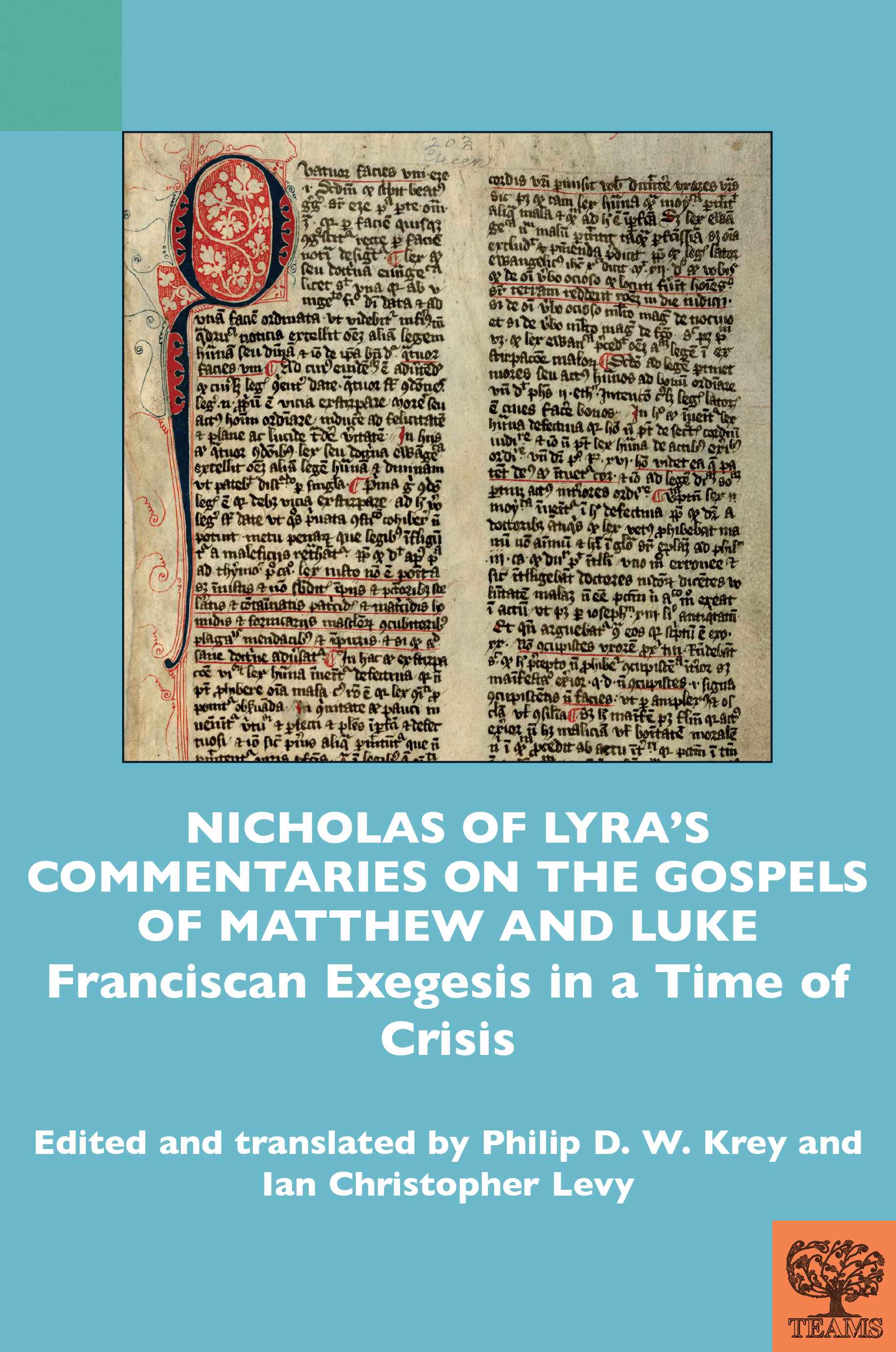 Nicholas of Lyra’s Commentaries on the Gospels of Matthew and Luke
Franciscan Exegesis in a Time of Crisis
 Paradise Lost in Transmission
The Return to Eden in the Apocalypse of Peter within Its Ethiopic and Early Christian Contexts




 Punning in Odd or Elegant Constructions in Jeremiah
The Convergence of Linguistics, Rhetoric, and Textuality in the Hebrew Text of Jeremiah
