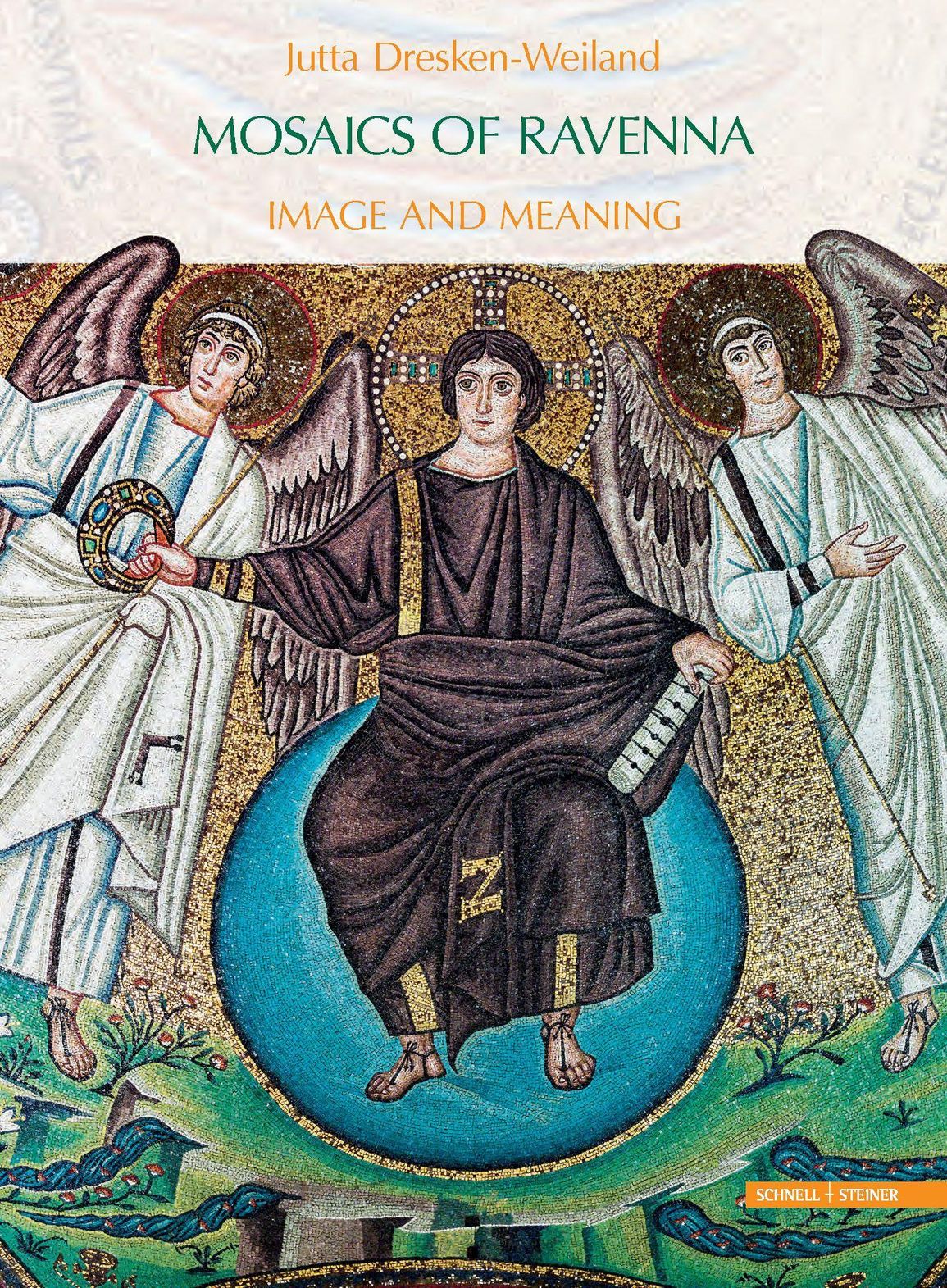
Water in the Roman World
Engineering, Trade, Religion and Daily Life
Edited by Martin Henig Edited by Jason Lundock

Paperback (Published)
(August 2022)
ISBN: 9781803273006
6.85 x 9.65 inches
Price: $54.00
In stock
Offering a wide and expansive new treatment of the role water played in the lives of people across the Roman world, papers consider ports and their lighthouses; water engineering, whether for canals in the north-west provinces, or for the digging of wells for drinking water; baths for swimming; and spas.
Water in the Roman World: Engineering, Trade, Religion and Daily Life offers a wide and expansive new treatment of the role water played in the lives of people across the Roman world. Individual papers deal with ports and their lighthouses; with water engineering, whether for canals in the north-west provinces, or for the digging of wells for drinking water, and for multiple other purposes; with baths for swimming; and with spas. Further papers explore religion in water-sanctuaries and the deposition of objects in rivers as well as deities connected with water, including river gods and nymphs. A final chapter provides an overview of subjects not fully covered elsewhere, including warships and naval battles, trade and navigation, aqueducts, fishing and fish-farming, and literary response to watery landscapes, rivers and lakes. The latter include works by great landowners such as the younger Pliny with his Laurentine villa beside the sea west of Rome or by poets, among them Catullus enjoying Lake Garda and Ausonius with his loving description of the River Moselle. The contributors address the subject in a variety of different ways, as Classicists drawing largely on literature, archaeologists with experience of excavating the watery environment, and art-historians. The papers range from the theoretical, with particular interest in materiality, to more lyrical approaches which address the Romans with their problems as well as their pleasures.
Preface ;
Water and Why Materiality Matters in Roman Studies – Jason Lundock Iconography of the Lighthouse in Roman Antiquity: Symbolism, Identity and Power Across the Mediterranean – Federico Ugolini Roman Offensive Planning: Shaping the Lower Rhine Waterscape – Stijn Heeren and Mark Driessen ‘Springs Sumptuously Equipped’: Meanings of Water at Bath – Eleri Cousins If Swimming Was Not a Serious Activity for the Greeks and Romans, They Would Not Have Had Swimming Pools – Jenny Amphaeris and Martin Henig The Social Lives of Wells in Roman Britain and Beyond – James Gerrard Aspects of the Iconography of River Gods in Roman Britain – Penny Coombe What Lies Beneath? Interpreting the Romano-British Assemblage from the River Tees at Piercebridge, County Durham – Philippa Walton and Hella Eckardt Water and Liminality in Pre-Roman Gaul – Aaron Irvin Worship of the Nymphs at Aquae Iasae (Roman Pannonia Superior): Cognition, Ritual, and Sacred Space – Blanka Misic An Empire Written on Water: A Personal View – Martin Henig Author Biographies, Preface ;
Water and Why Materiality Matters in Roman Studies – Jason Lundock Iconography of the Lighthouse in Roman Antiquity: Symbolism, Identity and Power Across the Mediterranean – Federico Ugolini Roman Offensive Planning: Shaping the Lower Rhine Waterscape – Stijn Heeren and Mark Driessen ‘Springs Sumptuously Equipped’: Meanings of Water at Bath – Eleri Cousins If Swimming Was Not a Serious Activity for the Greeks and Romans, They Would Not Have Had Swimming Pools – Jenny Amphaeris and Martin Henig The Social Lives of Wells in Roman Britain and Beyond – James Gerrard Aspects of the Iconography of River Gods in Roman Britain – Penny Coombe What Lies Beneath? Interpreting the Romano-British Assemblage from the River Tees at Piercebridge, County Durham – Philippa Walton and Hella Eckardt Water and Liminality in Pre-Roman Gaul – Aaron Irvin Worship of the Nymphs at Aquae Iasae (Roman Pannonia Superior): Cognition, Ritual, and Sacred Space – Blanka Misic An Empire Written on Water: A Personal View – Martin Henig Author Biographies
- Edited by Martin Henig
- Edited by Jason Lundock
'Water in the Roman World is a strong addition to our understanding of both water and waterways under the Romans, and how they are analysed and interpreted by archaeologists and academics. It is an invaluable, accessible contribution to the topic, and would make an excellent addition to the collections both of scholars and of those with more general interests.' – Andrew Tibbs (2023): Current Archaeology Issue 395
—
'This volume is extremely successful in that it brings together a number of different authors, who all provide new perspectives, often through new evidence, on how water was used and perceived. It should be noted that readers looking for the most up-to-date bibliography will not always find that in some chapters, such as in Henig’s. But that certainly does not detract from the work, which is a valuable resource for those wishing to plunge deeper into Roman water.' – Dylan K Rogers (2023): Current World Archaeology, March 2023
—
'The articles in the volume are brilliantly written and understandable, the arguments are convincing... Overall, the contributions convey fundamental insights and provide important suggestions for future research.' [translated] – Helmuth Schneider (2023): Bryn Mawr Classical Review
—
'Water in the Roman World is a strong addition to our understanding of both water and waterways under the Romans, and how they are analysed and interpreted by archaeologists and academics. It is an invaluable, accessible contribution to the topic, and would make an excellent addition to the collections both of scholars and of those with more general interests.' – Andrew Tibbs (2023): Current Archaeology Issue 395
—
'This volume is extremely successful in that it brings together a number of different authors, who all provide new perspectives, often through new evidence, on how water was used and perceived. It should be noted that readers looking for the most up-to-date bibliography will not always find that in some chapters, such as in Henig’s. But that certainly does not detract from the work, which is a valuable resource for those wishing to plunge deeper into Roman water.' – Dylan K Rogers (2023): Current World Archaeology, March 2023
—
'The articles in the volume are brilliantly written and understandable, the arguments are convincing... Overall, the contributions convey fundamental insights and provide important suggestions for future research.' [translated] – Helmuth Schneider (2023): Bryn Mawr Classical Review
‘Both editors express the hope in their respective contributions that this collection of papers will inspire future research. After having read this stimulating volume, and while still reflecting on many of the new ideas and fresh perspectives offered here, I am more than hopeful: I am convinced it will.’ – Nathalie De Haan (2024): The Classical Review
‘Il offre un ensemble de valeurs, en particulier avec des résumés qui seront extrêmement utiles.’ [translated] ‘It offers a set of values, particularly with summaries that will be extremely useful.’ – Yasmina Benferhat (2025): LATOMUS Tome 84
—
Other Titles in this Series

 The Urbanisation of the North-Western Provinces of the Roman Empire
A Juridical and Functional Approach to Town Life in Roman Gaul, Germania Inferior and Britain


 Investigations into the Dyeing Industry in Pompeii
Experimental Archaeology and Computer Simulation Techniques


 Roman Military Tribunes (First Century BC to Third Century AD): A Historical and Prosopographical Study. Volume I
Prosopographical Catalogue, Part 1: Roman Military Tribunes (tribuni militum in exercitu) and in the Garrison of the Roman Capital (tribuni militum in praetorio)


 Late Roman Dorset Black-Burnished Ware (BB1)
A Corpus of Forms and Their Distribution in Southern Britain, on the Continent and in the Channel Islands


 Ländliche Siedlungsstrukturen im römischen Spanien
Das Becken von Vera und das Camp de Tarragona –zwei Mikroregionen im Vergleich

 Life, Death and Rubbish Disposal in Roman Norton, North Yorkshire
Excavations at Brooklyn House 2015-16


Similar Books

 Caesar’s Visions and Impact on the Roman Empire
Revisiting the Archaeological and Historical Record of the 40s BC
Volume 2



 Drunk the Potion, No Whit Charmed
The Doctrine of Pure and Perfect Souls from Iamblichus to Damascius

 Epiphanies of the Divine in the Septuagint and the New Testament
Fifth International Symposium of the Corpus Judaeo-Hellenisticum Novi Testamenti (CJHNT), 14-17 May 2015, Nottingham


 Etruscan and Roman Hellenistic Anatomical ex votos
Reassessing Popular Religious Expressions in Central Italy
Volume 8



 Invisible Labour in Antiquity
Visualizing Obscure Work in the Ancient Mediterannean and West Asia
Volume 1
 Language and Power in the Roman Empire and Early India
Hierarchy, Ambiguity, and the Art of Reading the Signs in Cosmopolitan Cultures
 Late Antique villae in the Balkans (3rd–7th c. AD): Current Research Questions and Perspectives
HAEMUS Companion to the Late Antique Balkans 1
Volume 4

 Nurturing the Elite
Representations of Drinking, Eating, and Religious Vessels in Palmyrene Funerary Iconography
Volume 13


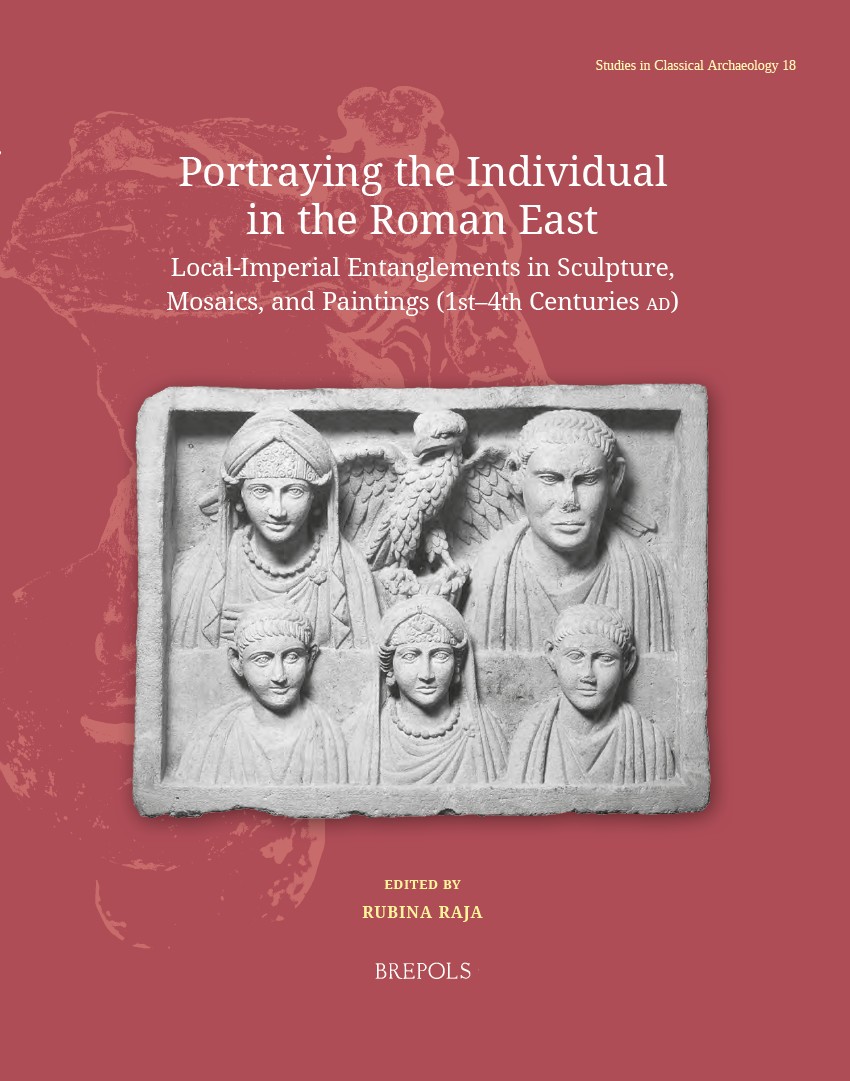 Portraying the Individual in the Roman East
Local–Imperial Entanglements in Sculpture, Mosaics, and Paintings (First–Fourth Centuries AD)
Volume 18
 Small Worlds and Relational Agencies: Local Societies in Early Medieval Iberia
Pequeños mundos y Agencias relacionales: Sociedades locales altomedievales en la Península Ibérica
 The Compositional History of the Book of Kings
An Analysis of the Evaluative Frameworks in 1 Kings 14–2 Kings 25

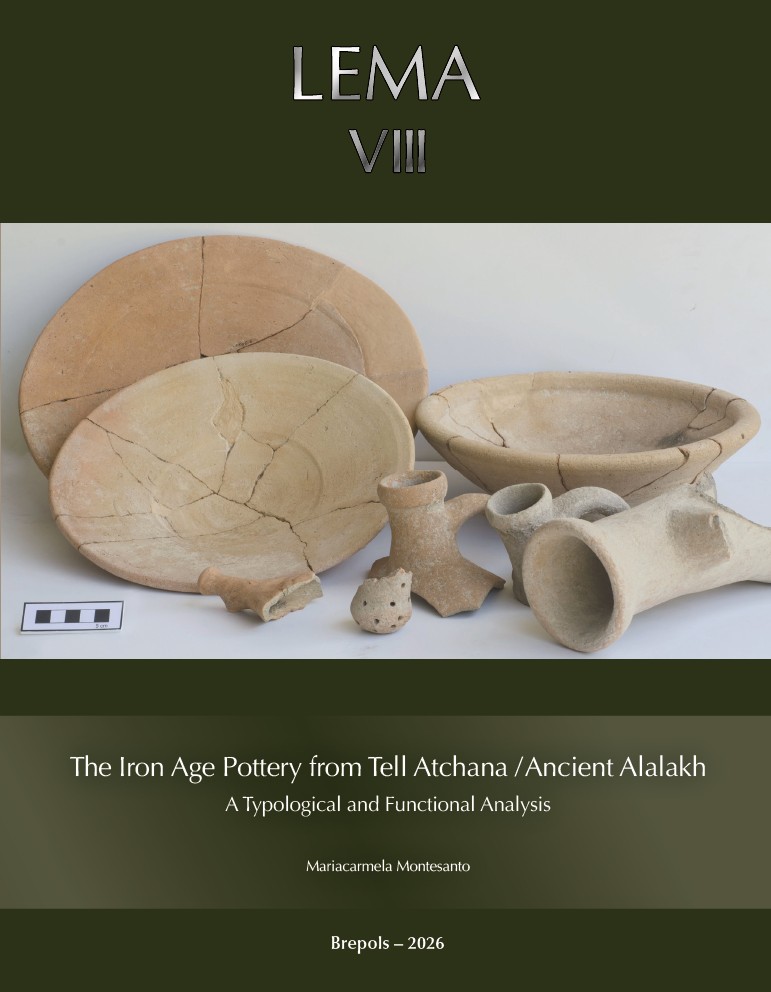 The Iron Age Pottery from Tell Atchana / Ancient Alalakh
A Typological and Functional Analysis
Volume 8

 Writing in the Church of the Nativity in Bethlehem
Inscription and Graffiti in a Multilingual and Multigraphic Perspective
Volume 45
 Contesting Labeled Identities
The Sociology of Gentilics in Biblical and Northwest Semitic Literature