
Engraved Gems and Propaganda in the Roman Republic and under Augustus
By (author) Paweł Gołyźniak

Hardback (Published)
(May 2020)
ISBN: 9781789695397
8.07 x 11.42 inches
Price: $130.00
In stock
This book studies small but highly captivating artworks from antiquity – engraved gemstones. These objects had multiple applications, and the images upon them captured snapshots of people’s beliefs, ideologies, and everyday occupations. They provide a unique perspective on the propaganda of Roman political leaders, especially Octavia
Engraved Gems and Propaganda in the Roman Republic and under Augustus deals with small, but highly captivating and stimulating artwork – engraved gemstones. Although in antiquity intaglios and cameos had multiple applications (seals, jewellery or amulets), the images engraved upon them are snapshots of people’s beliefs, ideologies, and everyday occupations. They cast light on the self-advertising and propaganda actions performed by Roman political leaders, especially Octavian/Augustus, their factions and other people engaged in the politics and social life of the past. Gems can show both general trends (the specific showpieces like State Cameos) as well as the individual and private acts of being involved in politics and social affairs, mainly through a subtle display of political allegiances, since they were objects of strictly personal use. They enable us to analyse and learn about Roman propaganda and various social behaviours from a completely different angle than coins, sculpture or literature. The miniaturism of ancient gems is in inverse proportion to their cultural significance. This book presents an evolutionary model of the use of engraved gems from self-presentation (3rd-2nd century BC) to personal branding and propaganda purposes in the Roman Republic and under Augustus (until 14 AD). The specific characteristics of engraved gems, their strictly private character and the whole array of devices appearing on them are examined in respect to their potential propagandistic value and usefulness in social life. The wide scope of this analysis provides a comprehensive picture covering many aspects of Roman propaganda and a critical survey of the overinterpretations of this term in regard to the glyptic art. The aim is the incorporation of this class of archaeological artefacts into the well-established studies of Roman propaganda, as well as the Roman society in general, brought about by discussion of the interconnections with ancient literary sources as well as other categories of Roman art and craftsmanship, notably coins but also sculpture and relief.
"Foreword and acknowledgments ; Part I IntroductionPart II Theory4.1. Definitions of 'self-presentation' and 'propaganda' ; 4.2. Propaganda and persuasion ; 4.3. Propaganda and public opinion ; 4.4. Propaganda as a form of communication ; 4.5. Forms of propaganda ; 4.6. Tools and techniques of propaganda ; 4.7. The effectiveness of propaganda5.1. Anticipated areas of propaganda on engraved gems ; 5.2. Problems with studying propaganda in ancient times with emphasis on engraved gemsPart III Evidence6.1. Etruscan and Italic tradition (self-presentation) ; 6.2. Hellenistic influences ; 6.3. Roman tradition (family symbols, personal branding, commemoration, state propaganda)7.1. Lucius Cornelius Sulla ; 7.2. Gaius Marius ; 7.3. Lucius Licinius Lucullus ; 7.4. Other politicians8.1. Pompey the Great ; 8.2. Julius Caesar ; 8.3. Less significant politicians and women from the times of the Civil War9.1. The Pompeians ; 9.2. The Republicans ; 9.3. The Caesarians ; 9.4. Less significant politicians ; 9.5. Women and their propaganda significance on engraved gems10.1. Collecting ; 10.2. Gem engravers working for Augustus ; 10.3. The final seal of Augustus ; 10.4. Portraits - personal branding induction and manifestation of loyalty ; 10.5. Commemoration and State Cameos ; 10.6. Divine and mythological references ; 10.7. Mythological Foundations of the New Rome ; 10.8. Promotion of peace and prosperity ; 10.9. Luxury objects (State Cameos, cameo vessels etc.) and religious propaganda ; 10.10. Promotion of family and successors ; 10.11. Divus AugustusPart IV Summary and conclusions13.1. Use of gems in triumphs ; 13.2. Collecting ; 13.3. Employment of gem engravers ; 13.4. Seals ; 13.5. Personal branding and self-promotion ; 13.6. Induction and manifestation of loyalty and support ; 13.7. Use of heritage ; 13.8. Promotion of family and oneself through origo
3. Aims, methodology and structure ;
Part II Theory4.1. Definitions of ‘self-presentation’ and ‘propaganda’ ;
4.2. Propaganda and persuasion ;
4.3. Propaganda and public opinion ;
4.4. Propaganda as a form of communication ;
4.5. Forms of propaganda ;
4.6. Tools and techniques of propaganda ;
4.7. The effectiveness of propaganda 5. Roman propaganda on engraved gems – general introduction ;
5.1. Anticipated areas of propaganda on engraved gems ;
5.2. Problems with studying propaganda in ancient times with emphasis on engraved gems Part III Evidence6.1. Etruscan and Italic tradition (self-presentation) ;
6.2. Hellenistic influences ;
6.3. Roman tradition (family symbols, personal branding, commemoration, state propaganda) 7. Early 1st century BC ;
7.1. Lucius Cornelius Sulla ;
7.2. Gaius Marius ;
7.3. Lucius Licinius Lucullus ;
7.4. Other politicians 8. Civil War: Pompey the Great, Julius Caesar and contemporaries ;
8.1. Pompey the Great ;
8.2. Julius Caesar ;
8.3. Less significant politicians and women from the times of the Civil War 9. Post-Caesarian and Liberators’ Civil Wars (from death of Caesar to Octavian’s sole rule: 44-27 BC) ;
9.1. The Pompeians ;
9.2. The Republicans ;
9.3. The Caesarians ;
9.4. Less significant politicians ;
9.5. Women and their propaganda significance on engraved gems 10. Augustus (27 BC-AD 14) ;
10.1. Collecting ;
10.2. Gem engravers working for Augustus ;
10.3. The final seal of Augustus ;
10.4. Portraits – personal branding induction and manifestation of loyalty ;
10.5. Commemoration and State Cameos ;
10.6. Divine and mythological references ;
10.7. Mythological Foundations of the New Rome ;
10.8. Promotion of peace and prosperity ;
10.9. Luxury objects (State Cameos, cameo vessels etc.) and religious propaganda ;
10.10. Promotion of family and successors ;
10.11. Divus Augustus Part IV Summary and conclusions 12. Statistics ;
13. Summary and conclusions: ;
13.1. Use of gems in triumphs ;
13.2. Collecting ;
13.3. Employment of gem engravers ;
13.4. Seals ;
13.5. Personal branding and self-promotion ;
13.6. Induction and manifestation of loyalty and support ;
13.7. Use of heritage ;
13.8. Promotion of family and oneself through origo
Figure credits ;
Bibliography ;
Index
- By (author) Paweł Gołyźniak
'... this volume—splendidly produced at an extraordinarily low price for what it contains (and actually free to download in PDF format)—is a book of enduring worth. Gołyźniak deserves our gratitude for writing one of the best books on Roman gems to have been published for a very long time.' - Dr Martin Henig (2020): The Journal of Gemmology
—
'The catalog (331-445) is the result of a collector's tour de force. All of the approximately 2,900 objects are listed with basic information and, to a significant extent, also illustrated. It is this enormous collection of material that gives the impression that all the objects assembled should be given equal consideration. As a result, motives that can be associated with the aspect of propaganda stand alongside those for which such a connection remains questionable.
As a result, the present volume is a comprehensive compendium on a range of motifs within Glyptic, which previous research has linked to political topics of the late Republic and early Imperial period. The challenge of analyzing the complex problem area of propagating political issues within the framework of a narrow personal world of images will have to be faced again on the basis of this volume.' - Jörn Lang (2022): Redaktion sehepunkte
—
'All in all, Paweł Gołyźniak has presented a very stimulating and largely very convincing study on the political use of gems in Rome, which makes the material easily accessible, especially for historians, and will represent the starting point for further work.' – Klaus Scherberich (2021): Bonner Jahrbücher 221
—
‚Trotz mancher hier angesprochener Schwierigkeiten ist der vorliegende Band eine große Bereicherung in der Literatur zur antiken Glyptik, da er zum ersten Mal eine übergreifende Zusammenschau von glyptischem Material bietet, das von der späten Republik bis in augusteische Zeit reichend die Selbstdarstellung römischer Nobiles vorlegt.‘ [translated] ‘Despite some difficulties mentioned here, the present volume is a great enrichment in the literature on ancient glyptics, as it provides for the first time a comprehensive overview of glyptic material that presents the self-representation of Roman nobiles from the late Republic to the Augustan period.’ - Carina Weiß (2026): GNOMON Volume 98, Issue 1
—
Other Titles in this Series

 Excavations at Chester. Roman Land Division and a Probable Villa in the Hinterland of Deva
Excavation at Saighton Army Camp, Huntington, Chester


 L’ artisanat dans les cites antiques de l’Algérie
(Ier siècle avant notre ère –VIIe siècle après notre ère)

 From the Adriatic to the Alps: Transport and Trade Networks in Roman and Late Antique Northern Italy


 The Changing Landscapes of Rome’s Northern Hinterland
The British School at Rome’s Tiber Valley Project

 Roman Frontier Archaeology – in Britain and Beyond
Papers in Honour of Paul Bidwell Presented on the Occasion of the 30th Annual Conference of the Arbeia Society


Similar Books

 Caesar’s Visions and Impact on the Roman Empire
Revisiting the Archaeological and Historical Record of the 40s BC
Volume 2


 Etruscan and Roman Hellenistic Anatomical ex votos
Reassessing Popular Religious Expressions in Central Italy
Volume 8

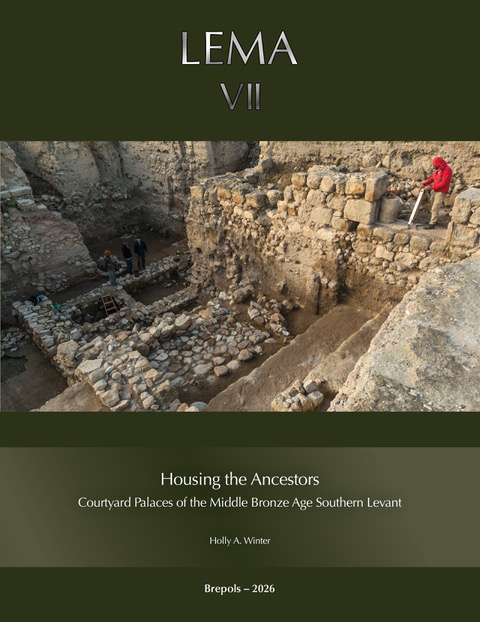

 Invisible Labour in Antiquity
Visualizing Obscure Work in the Ancient Mediterannean and West Asia
Volume 1
 Late Antique villae in the Balkans (3rd–7th c. AD): Current Research Questions and Perspectives
HAEMUS Companion to the Late Antique Balkans 1
Volume 4


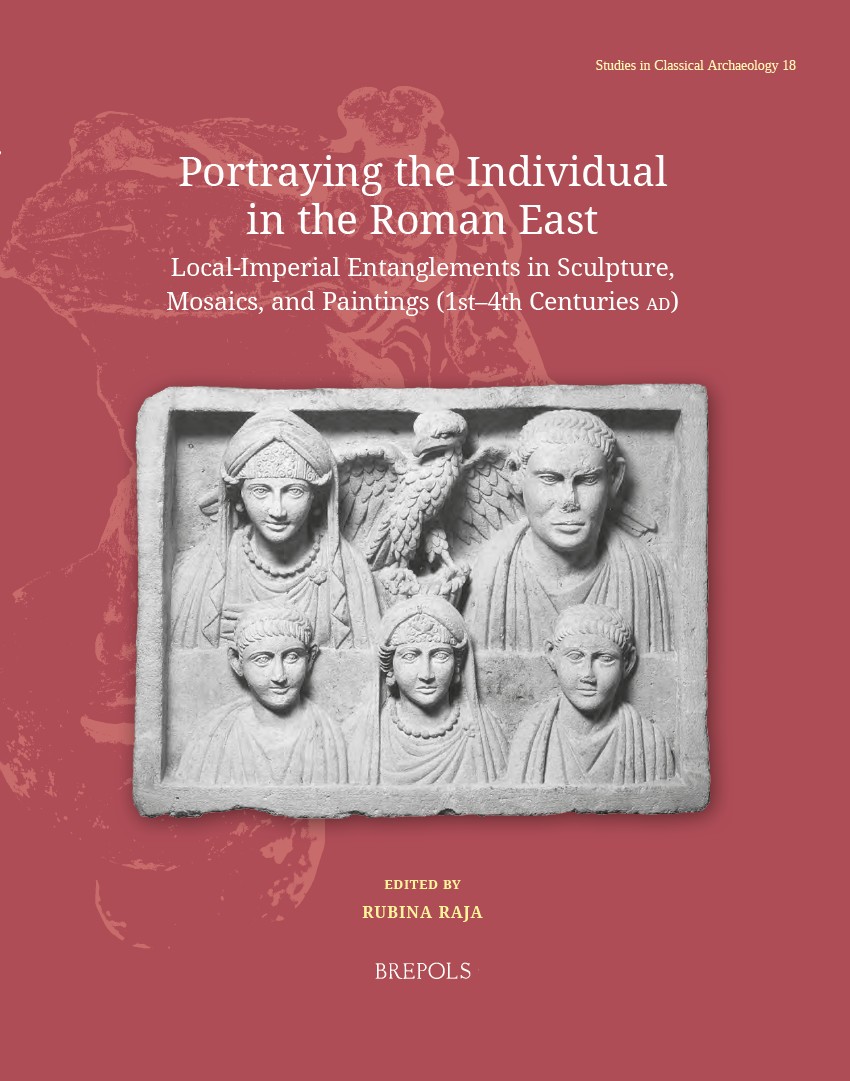 Portraying the Individual in the Roman East
Local–Imperial Entanglements in Sculpture, Mosaics, and Paintings (First–Fourth Centuries AD)
Volume 18

 Small Worlds and Relational Agencies: Local Societies in Early Medieval Iberia
Pequeños mundos y Agencias relacionales: Sociedades locales altomedievales en la Península Ibérica

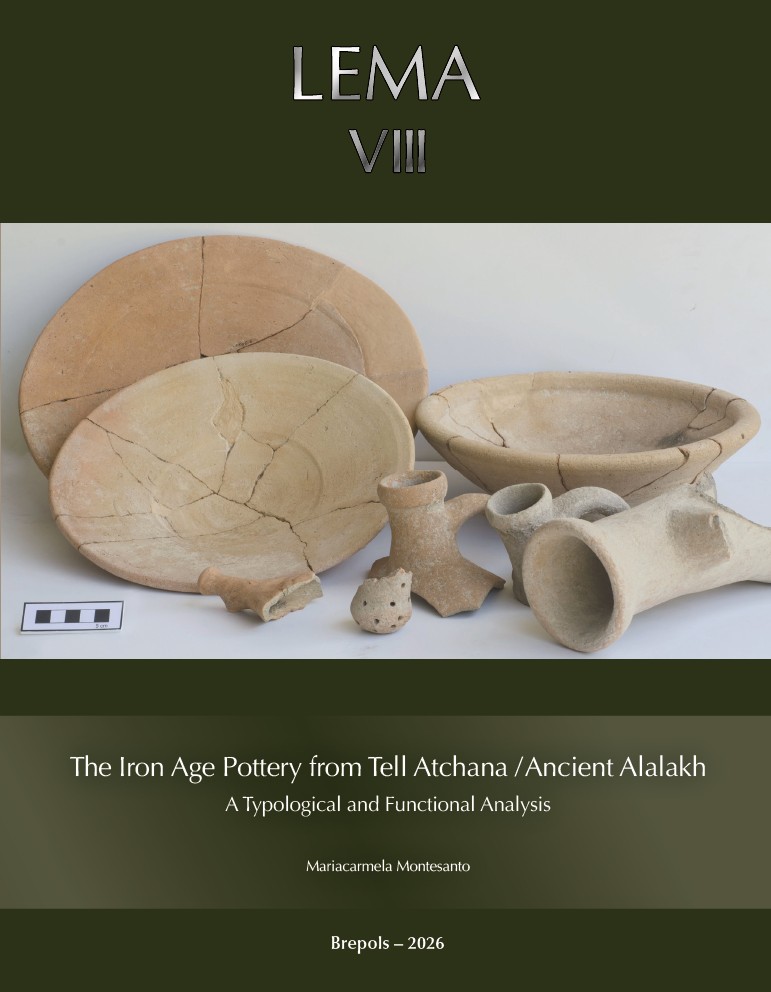 The Iron Age Pottery from Tell Atchana / Ancient Alalakh
A Typological and Functional Analysis
Volume 8

 Writing in the Church of the Nativity in Bethlehem
Inscription and Graffiti in a Multilingual and Multigraphic Perspective
Volume 45


 Atlante tematico di topografia antica 36-2026
Urbanistica e monumenti, porti, Roma. Ricerche sui monti Aurunci
Volume 36
 Cerámica común romana y ciclo haliéutico
Análisis de los contextos de las cetariae de Iulia Traducta

 Nuove scoperte e progressi nelle metodologie di rilievo e analisi dell’arte rupestre post-paleolitica in Italia
New discoveries and progress in the tracing and analysis methodologies of the post-Paleolithic rock art in Italy


 A Dramatic Event in Late Roman Florence
The Anomalous Burial Site Discovered beneath the Uffizi Gallery

 Alexander the Great and the Campaign of Gaugamela
New Research on Topography and Chronology. IAMNI 1 (Italian Archaeological Mission to Northern Iraq)
Volume 53


 Approaching Ancient Greek Coastal and Inland Poleis in the Northern Peloponnese
New Research in the Microregions of Aigeira, Lousoi and Sikyon
Volume 4