
Contextualizing the Renaissance
Returns to History
Edited by Albert Tricomi

The 28th Annual Conference of the Center for Medieval and Renaissance Studies, held on 21-22 October 1994 at Binghamton University, featured 33 panel sessions and approximately 150 presentations. The ten essays in this volume consist of the five plenary speakers – leaders in their field – and five panel essays, each of which was reviewed for this volume. The volume comprises a body of work organised around a governing theme – modes of historicisation. Each of the essays demonstrates the practice of or a commentary upon a distinctive historicised criticism. By ‘historicised’ as contrasted with ‘historical’ criticism, it is meant that these essays problematicise, stretch or reconceive traditional historical practices. Challenging the notion that the production of paintings, dramatic texts or even conduct books can be read against a stable historical ground, they show that paintings, works of literature, and treatises not only participate in history but are exemplars of textual instability. The very content of these texts can be shown, in various editions, to change over time – and yet each bears a single, determinate title. In such ways the contributions gathered here all show that they have been affected by ‘the new history’.
The 28th Annual Conference of the Center for Medieval and Renaissance Studies, held on 21-22 October 1994 at Binghamton University, featured 33 panel sessions and approximately 150 presentations. The ten essays in this volume consist of the five plenary speakers – leaders in their field – and five panel essays, each of which was reviewed for this volume. The volume comprises a body of work organised around a governing theme – modes of historicisation. Each of the essays demonstrates the practice of or a commentary upon a distinctive historicised criticism. By ‘historicised’ as contrasted with ‘historical’ criticism, it is meant that these essays problematicise, stretch or reconceive traditional historical practices. Challenging the notion that the production of paintings, dramatic texts or even conduct books can be read against a stable historical ground, they show that paintings, works of literature, and treatises not only participate in history but are exemplars of textual instability. The very content of these texts can be shown, in various editions, to change over time – and yet each bears a single, determinate title. In such ways the contributions gathered here all show that they have been affected by ‘the new history’.
- Edited by Albert Tricomi
Other Titles in this Series
 Renaissance Florence in the Rhetoric of Two Popular Preachers
Giovanni Dominici (1356-1419) and Bernardino da Siena (1380-1444)
Volume 4


 Women and Petitioning in the Seventeenth-Century English Revolution
Deference, Difference, and Dissent
Volume 25


 Servants of Satan and Masters of Demons
The Spanish Inquisition's Trials for Superstition, Valencia and Barcelona, 1478-1700
Volume 17
 Disciplined Dissent in Western Europe, 1200-1600
Political Action between Submission and Defiance
Volume 29


 The Ghost of Boccaccio
The Ideology of Martyrdom in the Hebrew Crusade Chronicles and its Jewish and Christian Background
Volume 7
 Sedition
The Spread of Controversial Literature and Ideas in France and Scotland, c. 1550-1610
Volume 28

 Rituals, Images, and Words
Varieties of Cultural Expression in Late Medieval and Early Modern Europe
Volume 3


Similar Books


 Balthasar Caymox of Nuremberg
Early Modern German Print Publishers: Popular Prints of the Seventeenth Century
 Beyond Sovereign Courts
Agents and Practices in Early Modern Spanish and Habsburg Diplomacy
Volume 3

 Circulation, Use, Impact
The Consumption of Architectural Books in the Early Modern Eastern Adriatic
Volume 1

 Councils, Conflicts, Correspondence
Urban Diplomacy in Reval (Tallinn) and Lübeck (c. 1470–1570)
Volume 67


 Innovationes Lovanienses: Arts, Law and Theology at the University of Louvain (1425–1797)
Studium Lovaniense: Learning across Borders, 2
Volume 18
 Legal Visuality
Exegesis, Ambiguity, and Dissimulation of the Donation of Constantine in the Early Modern Period

 Naples as Laboratory / Laboratorium Neapel
Style Options, Artistic Rivalry and Self Fashioning in Neapolitan Baroque Painting / Plurale Stilbildung, Kunstlerkonkurrenz und Self Fashioning in der neapolitanischen Barockmalerei
 Power and Women in Southeast and Central Europe in Late Medieval and Early Modern Period (1300-1600)
Volume 10



 Staging the Spectacle of Majesty
Ceremonial, Courtly Space, and Collecting under the Spanish Habsburgs
Volume 9
 Students, Scholars and Their Books at the University of Louvain (1425-1797)
Studium Lovaniense: Learning across Borders, 1
Volume 17


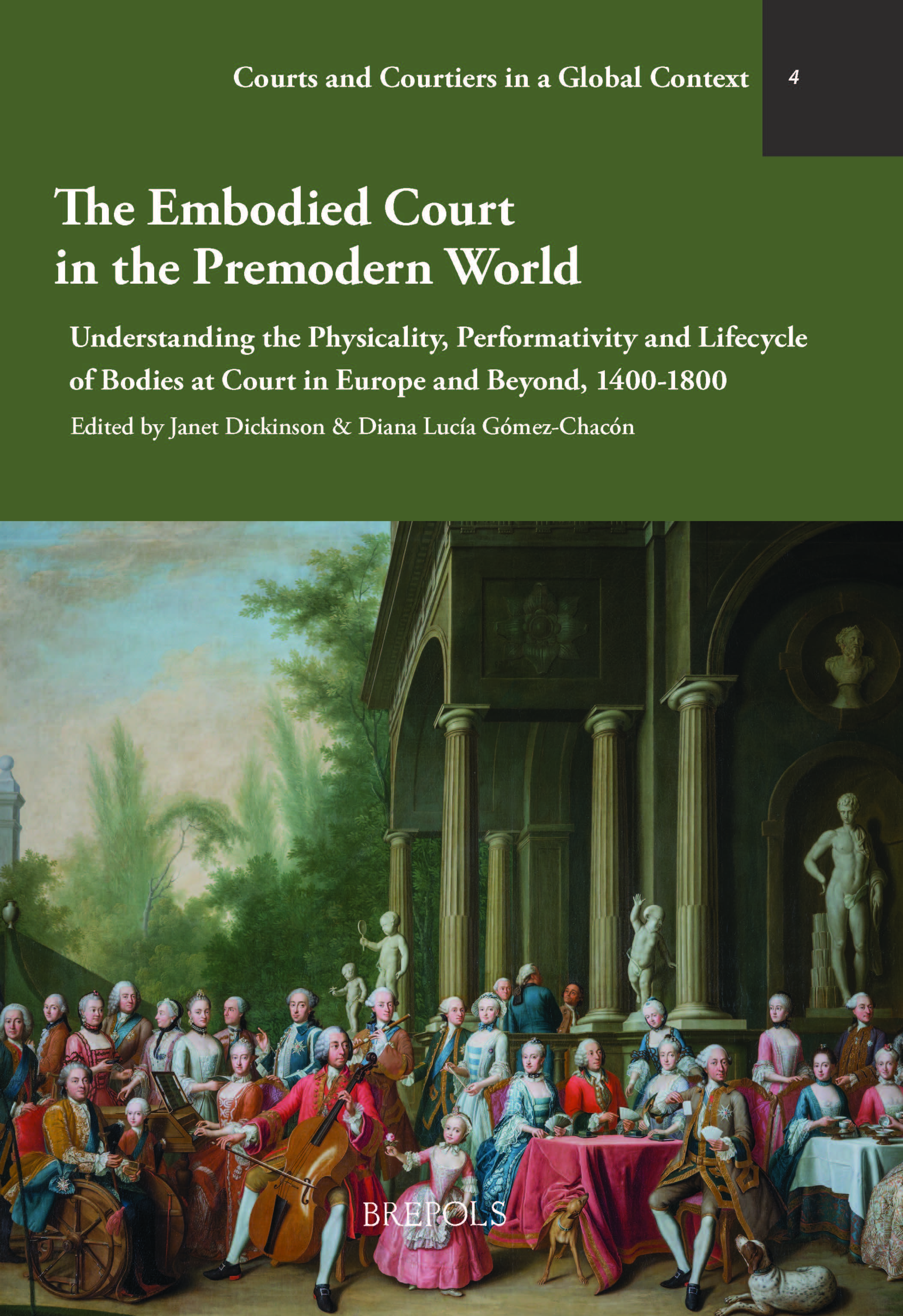 The Embodied Court in the Premodern World
Understanding the Physicality, Performativity and Lifecycle of Bodies at Court in Europe and Beyond, 1400-1800
Volume 4

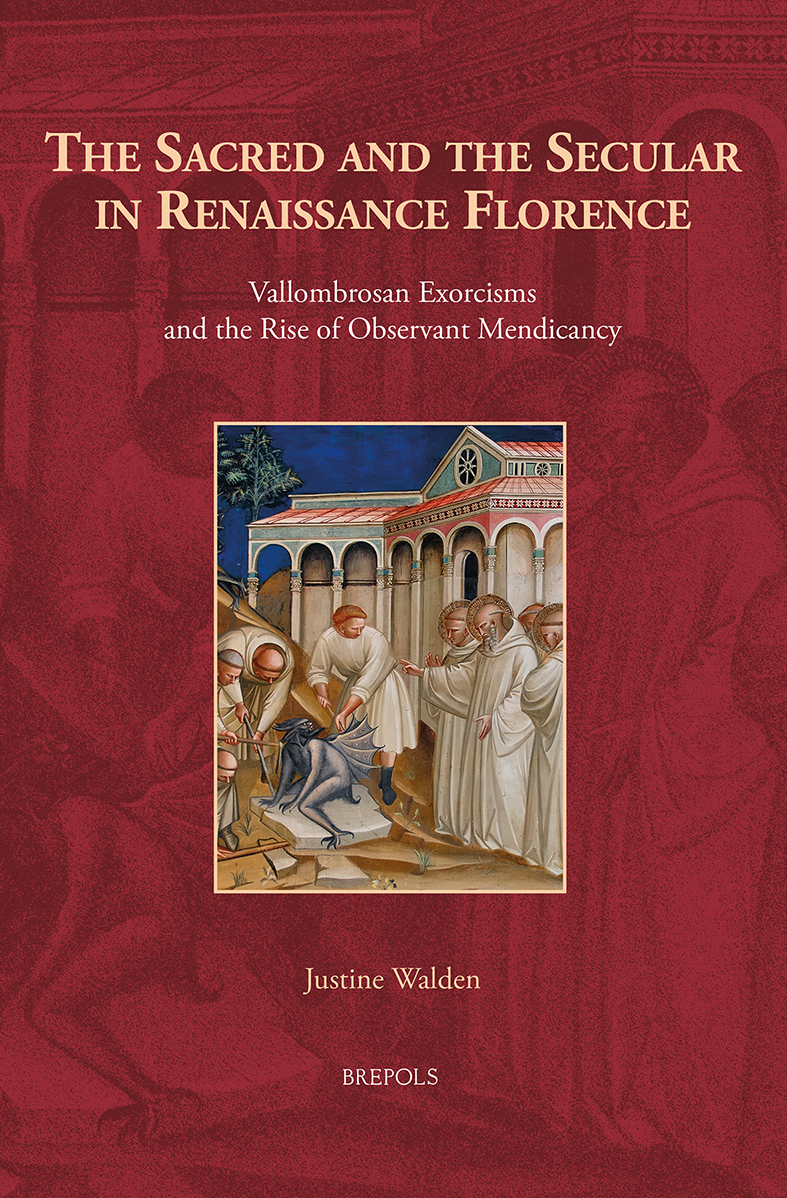 The Sacred and the Secular in Renaissance Florence
Vallombrosan Exorcisms and the Rise of Observant Mendicancy
Volume 31
 Tradition, Interpretation, and Change
Developments in the Liturgy of Medieval and Early Modern Ashkenaz


 À la recherche des normes de traduction
Textes spécialisés dans le monde hispanophone et francophone (1450–1850)

 Briefe einer Fürstin aus dem Dreißigjährigen Krieg
Die Korrespondenz der Kaiserin Maria aus den Jahren 1629 bis 1645
 Die Lutherbibel (1541) des Seidenstickers Hans Plock
Eine buchbiographische und kulturhistorische Untersuchung
Volume 89


