
The European Contexts of Ramism
Edited by Emma Annette Wilson Edited by Sarah Knight

The book situates the works and reception of the French scholar Pierre de la Ramee (Petrus Ramus) in a variety of European cultural and educational contexts, from Britain and France to Eastern Europe, from Germany to the Iberian peninsula, and from Scandinavia to the Netherlands.
Pierre de la Ramee or Petrus Ramus (1515-1572) has long been a controversial figure in educational reform and innovation, from the moment of his first public academic statements in the 1530s, to his reception among scholars in the twentieth and twenty-first centuries. What is beyond dispute, however, is the vast reach of his influence throughout Europe. Ramus’s ideas were disseminated through copious editions and translations of his own textbooks, and in wave after wave of adaptations and re-imaginings of his ideas that swept across the continent. This volume embarks on a European tour of Ramism, using a wide range of previously unpublished or untranslated archival evidence from throughout the continent to examine the dissemination of Ramus’s works and his intellectual influence in geographic and in disciplinary terms. The ten chapters explore the spread of Ramism from his home country of France to Protestant strongholds in Germany, Holland, and Britain, and in the Catholic context of the Iberian peninsula. The book also examines Ramism in the less familiar territories (to most Anglophone readers) of Scandinavia and Hungary, and considers the preceding and contemporary Dutch and German educational reform movements from which Ramus borrowed to forge his own distinctive intellectual method.
- Edited by Emma Annette Wilson
- Edited by Sarah Knight
Other Titles in this Series
 Renaissance Florence in the Rhetoric of Two Popular Preachers
Giovanni Dominici (1356-1419) and Bernardino da Siena (1380-1444)
Volume 4


 Women and Petitioning in the Seventeenth-Century English Revolution
Deference, Difference, and Dissent
Volume 25


 Servants of Satan and Masters of Demons
The Spanish Inquisition's Trials for Superstition, Valencia and Barcelona, 1478-1700
Volume 17


 Disciplined Dissent in Western Europe, 1200-1600
Political Action between Submission and Defiance
Volume 29

 The Ghost of Boccaccio
The Ideology of Martyrdom in the Hebrew Crusade Chronicles and its Jewish and Christian Background
Volume 7


 Rituals, Images, and Words
Varieties of Cultural Expression in Late Medieval and Early Modern Europe
Volume 3
 Sedition
The Spread of Controversial Literature and Ideas in France and Scotland, c. 1550-1610
Volume 28


Similar Books


 Balthasar Caymox of Nuremberg
Early Modern German Print Publishers: Popular Prints of the Seventeenth Century
 Beyond Sovereign Courts
Agents and Practices in Early Modern Spanish and Habsburg Diplomacy
Volume 3


 Circulation, Use, Impact
The Consumption of Architectural Books in the Early Modern Eastern Adriatic
Volume 1

 Councils, Conflicts, Correspondence
Urban Diplomacy in Reval (Tallinn) and Lübeck (c. 1470–1570)
Volume 67


 Drunk the Potion, No Whit Charmed
The Doctrine of Pure and Perfect Souls from Iamblichus to Damascius


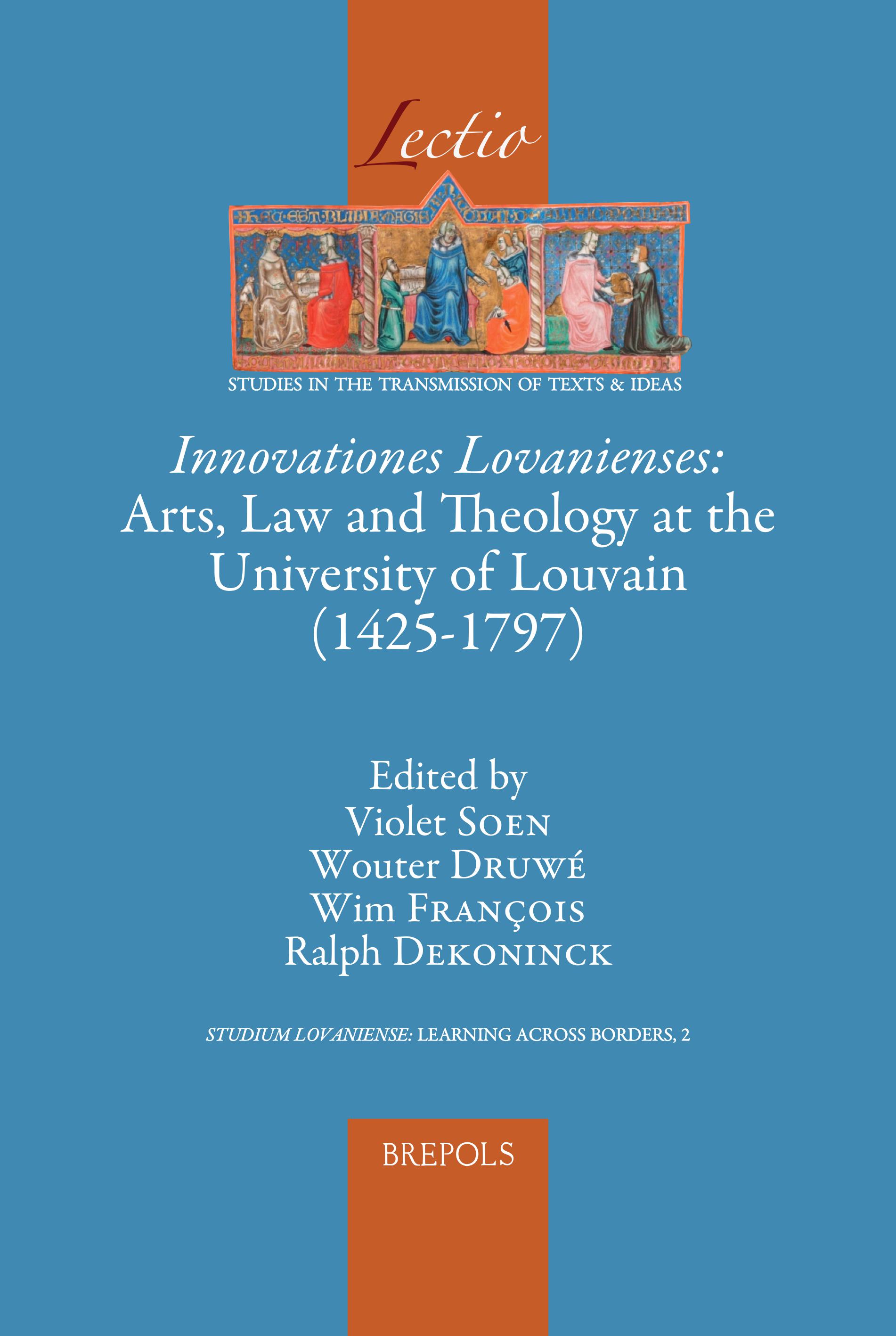 Innovationes Lovanienses: Arts, Law and Theology at the University of Louvain (1425–1797)
Studium Lovaniense: Learning across Borders, 2
Volume 18
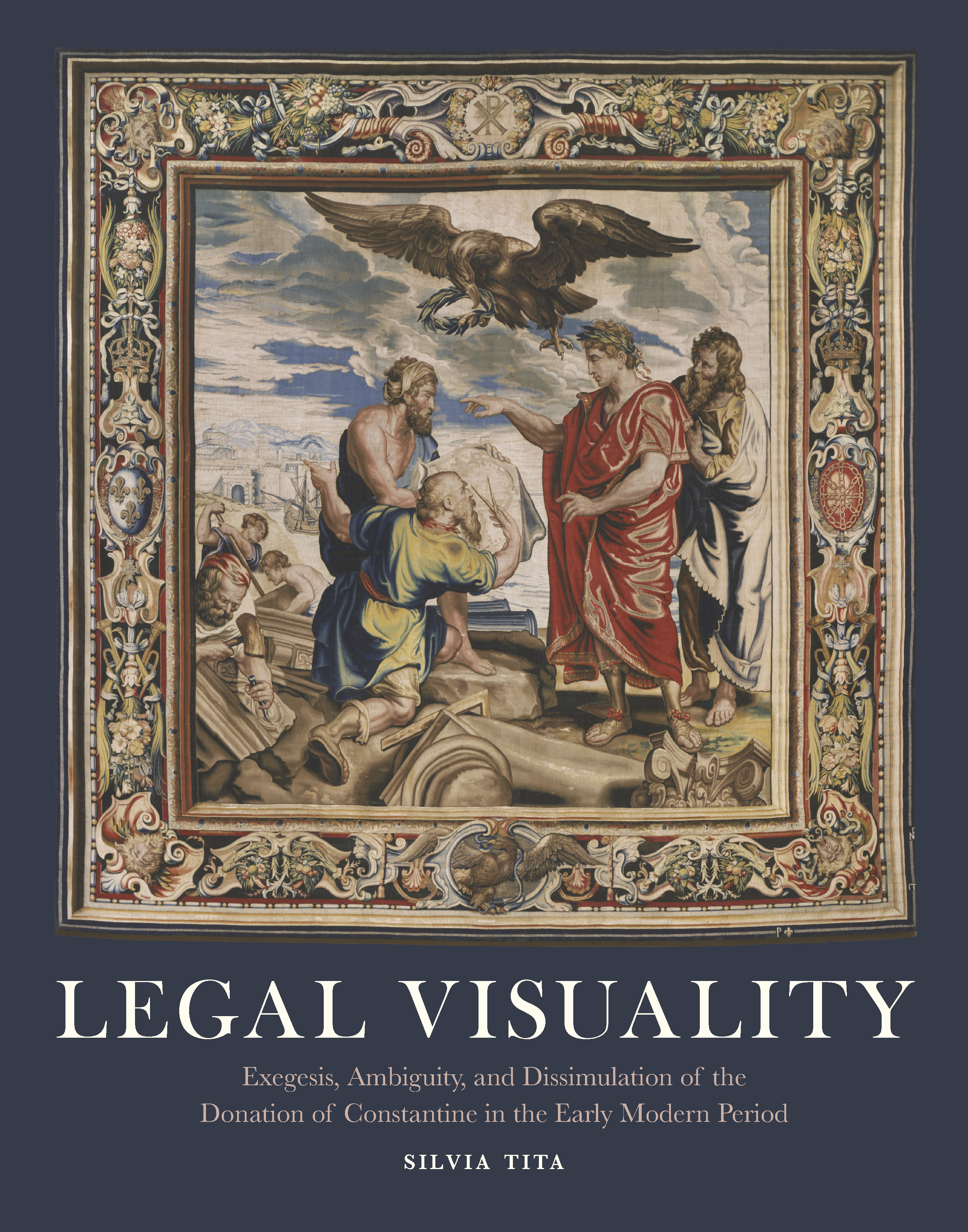 Legal Visuality
Exegesis, Ambiguity, and Dissimulation of the Donation of Constantine in the Early Modern Period
 Libertinage et philosophie à l’époque classique (XVIe-XVIIIe siècle)
Athéisme, Modernité et Sécularisation / Atheism, Modernity and Secularization
Volume 23

 Naples as Laboratory / Laboratorium Neapel
Style Options, Artistic Rivalry and Self Fashioning in Neapolitan Baroque Painting / Plurale Stilbildung, Kunstlerkonkurrenz und Self Fashioning in der neapolitanischen Barockmalerei

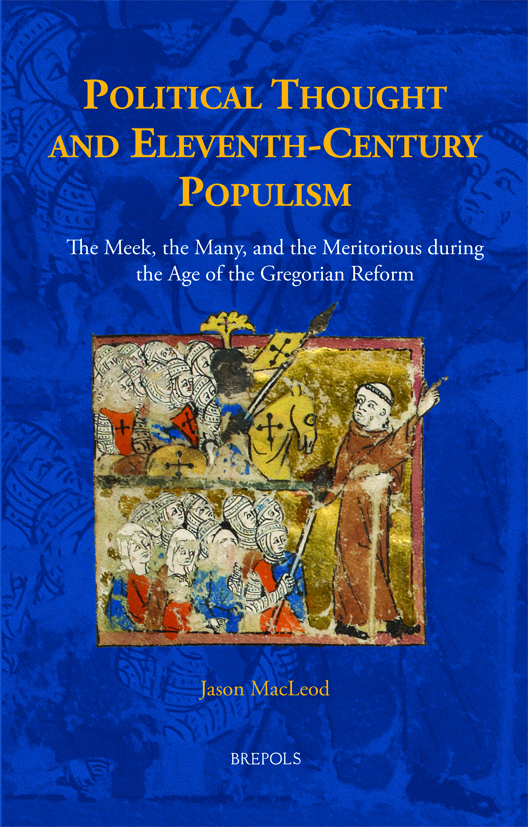 Political Thought and Eleventh-Century Populism
The Meek, the Many, and the Meritorious during the Age of the Gregorian Reform
Volume 38
 Power and Women in Southeast and Central Europe in Late Medieval and Early Modern Period (1300-1600)
Volume 10



 Staging the Spectacle of Majesty
Ceremonial, Courtly Space, and Collecting under the Spanish Habsburgs
Volume 9
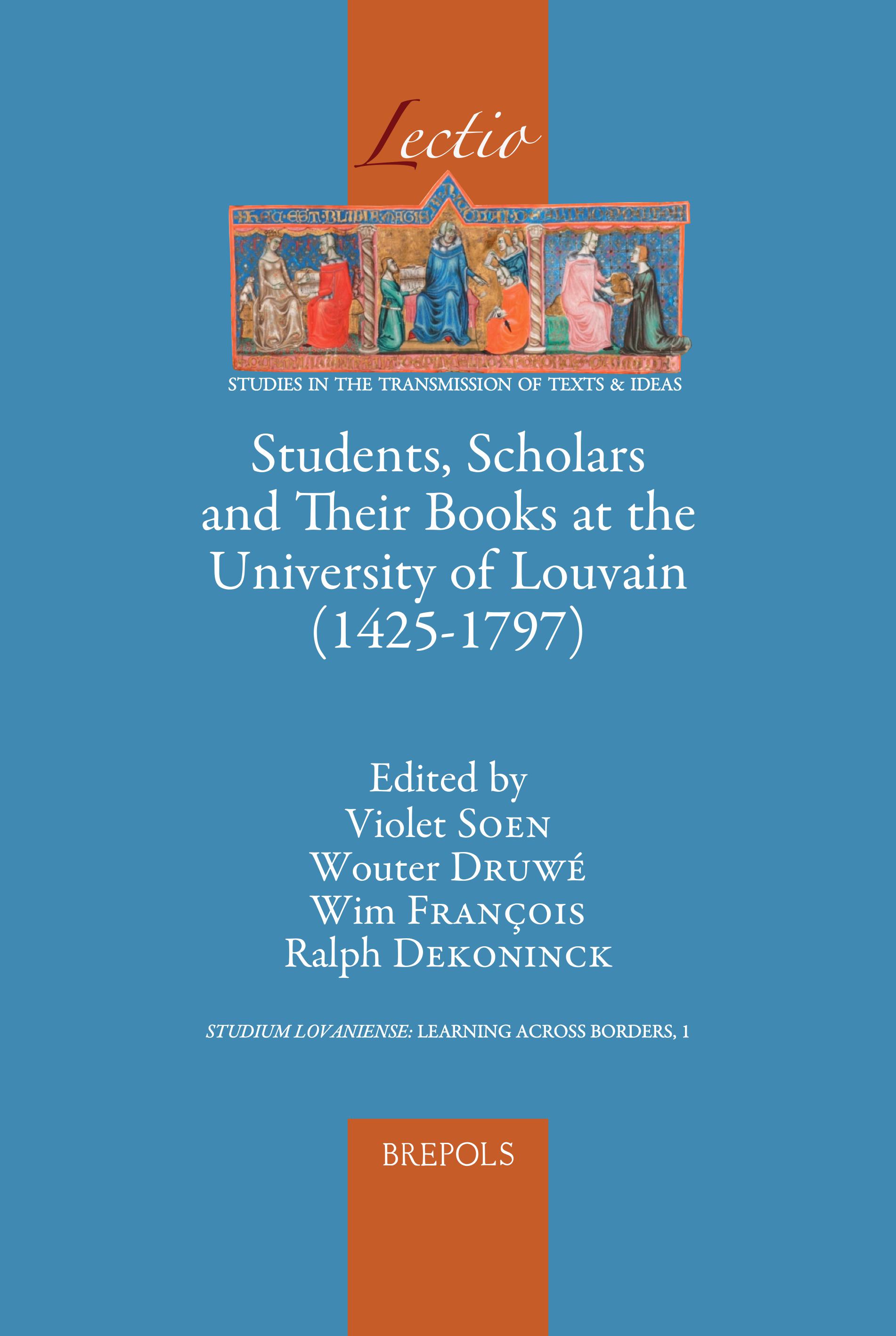 Students, Scholars and Their Books at the University of Louvain (1425-1797)
Studium Lovaniense: Learning across Borders, 1
Volume 17


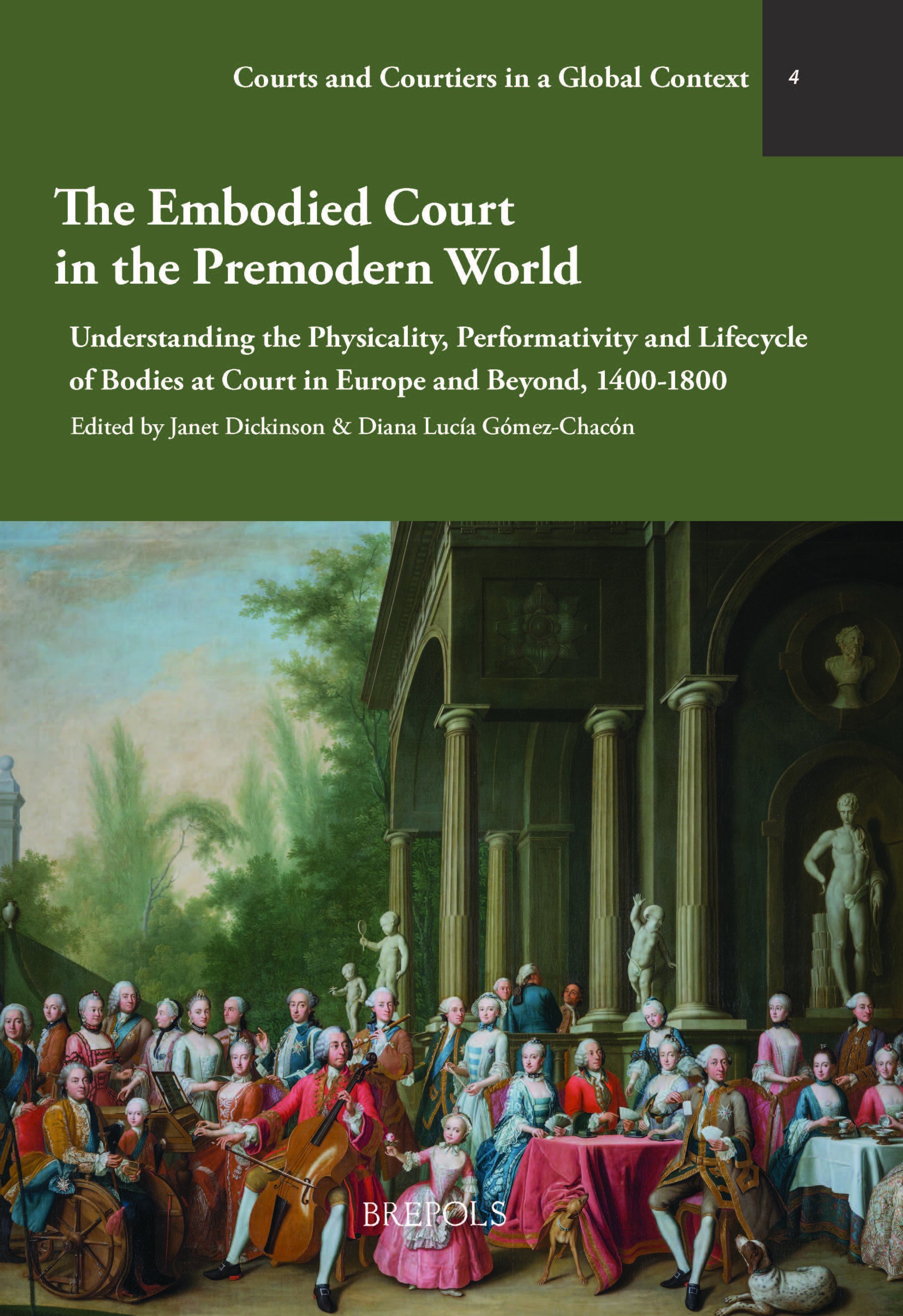 The Embodied Court in the Premodern World
Understanding the Physicality, Performativity and Lifecycle of Bodies at Court in Europe and Beyond, 1400-1800
Volume 4
