Innovationes Lovanienses: Arts, Law and Theology at the University of Louvain (1425–1797)
Studium Lovaniense: Learning across Borders, 2
edited by Violet Soen, Wouter Druwe, Wim Francois and Ralph Dekoninck

Studies on classic and innovative ideas across various constituent bodies of the University of Louvain, such as the Faculty of Arts or the College of the Three Tongues, or neighboring institutions, like the Jesuit College
Throughout the first centuries of its existence, the University of Louvain functioned as a crossroads for the transmission of texts, ideas, and even images from Antiquity, across the Middle Ages, and through the Renaissance. From its foundational bulls between 1425 and 1432, the university was established as a prototypical studium generale, drawing inspiration from earlier institutions in Paris and Cologne and adopting elements from contemporary universities like Rostock and Geneva. Situated at the heart of Europe, the University of Louvain quickly became a pivotal center for the reception and dissemination of both ancient and contemporary knowledge across the continent, and later, the Habsburg Empire. This volume examines how teachers and students examined old and innovative ideas across various constituent bodies of the university, including the Faculty of Arts or the College of the Three Tongues, or neighboring institutions, like the Jesuit College. Contributions span the Faculties of Law, adopting insights on the newly promulgated Tridentine decrees or novel moral economies, to the Faculty of Theology, a hotbed of the controversies surrounding grace, free will, and salvation in post-Tridentine Catholicism. Of the many scholars that were active in Louvain, special attention is devoted to the philologist Petrus Nannius, the theologians Michael Baius and Jacobus Janssonius, the lawyers Petrus Peckius and Johannes Wamesius, and the Jesuits Robertus Bellarminus and Leonardus Lessius, along with the lectures they gave at the Louvain house of their Order.
- Edited by Ralph Dekoninck
- Edited by Wouter Druwe
- Edited by Wim Francois
- Edited by Violet Soen
Other Titles in this Series

 Le pere du siecle
The Early Modern Reception of Jean Gerson (1363-1429): Theological Authority between Middle Ages and Early Modern Era
Volume 14


 On Good Authority
Tradition, Compilation and the Construction of Authority in Literature from Antiquity to the Renaissance
Volume 3

 Shaping Authority
How did a person become an authority in Antiquity, the Middle Ages and the Renaissance?
Volume 4


 Students, Scholars and Their Books at the University of Louvain (1425-1797)
Studium Lovaniense: Learning across Borders, 1
Volume 17

 Networking through Biography
Constructing Intellectual Junctions in Antiquity, the Renaissance and the Arabo-Islamic World
Volume 19
 Towards the Authority of Vesalius
Studies on Medicine and the Human Body from Antiquity to the Renaissance and beyond
Volume 6

 Outsiders and Forerunners
Modern Reason and Historiographical Births of Medieval Philosophy
Volume 5

Similar Books


 As Messianism Turns to Heresy
The Regenstein Chair Lectures On Lurianic Kabbalah and Shabbatai Tzevi at Hebrew Union College - Cincinnati
 Balthasar Caymox of Nuremberg
Early Modern German Print Publishers: Popular Prints of the Seventeenth Century


 Beyond Sovereign Courts
Agents and Practices in Early Modern Spanish and Habsburg Diplomacy
Volume 3


 Circulation, Use, Impact
The Consumption of Architectural Books in the Early Modern Eastern Adriatic
Volume 1


 Councils, Conflicts, Correspondence
Urban Diplomacy in Reval (Tallinn) and Lübeck (c. 1470–1570)
Volume 67



 Food Security under Armed Conflict
Global Knowledge Landscape and Public Attention to Social, Economic, and Humanitarian Dimensions

 Homo-Politicus in the Balkans
Early Modern Southeast European History in Imperial and Regional Context


 Legal Visuality
Exegesis, Ambiguity, and Dissimulation of the Donation of Constantine in the Early Modern Period


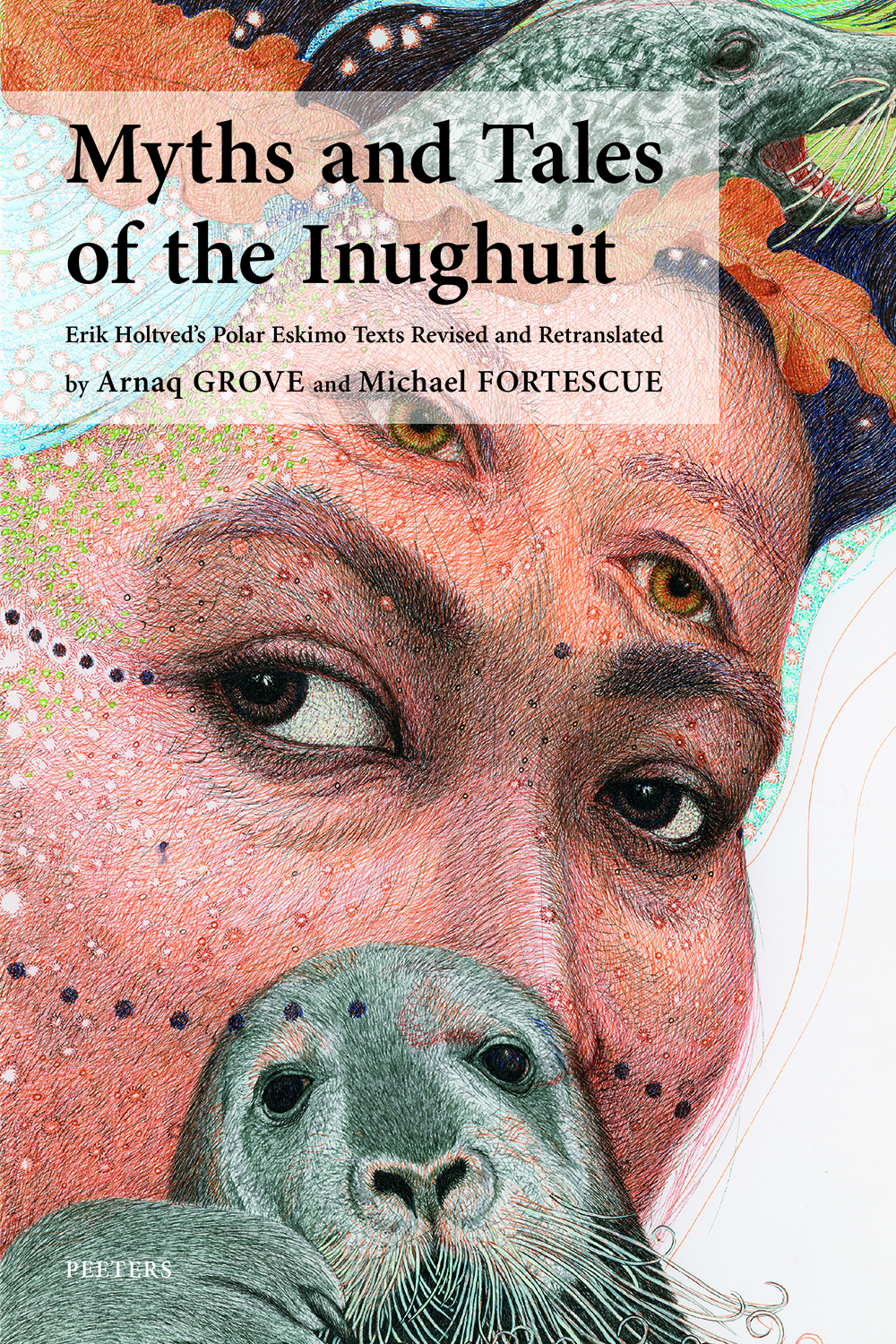 Myths and Tales of the Inughuit
Erik Holtved's Polar Eskimo Texts Revised and Re-translated into Danish and English
Volume 475, 12
 Naples as Laboratory / Laboratorium Neapel
Style Options, Artistic Rivalry and Self Fashioning in Neapolitan Baroque Painting / Plurale Stilbildung, Kunstlerkonkurrenz und Self Fashioning in der neapolitanischen Barockmalerei