
Renaissance Florence in the Rhetoric of Two Popular Preachers
Giovanni Dominici (1356-1419) and Bernardino da Siena (1380-1444)
By (author) Nirit Ben-Aryeh Debby

The central purpose of this study is to examine the response of the preachers Giovanni Dominici (1356-1419) and Bernardino da Siena (1380-1444) to the changes, the alternatives they offered and their attempts to direct the life of the laity.
The preaching of the Dominican friar Girolamo Savonarola and the period of his dominance (1494-1498) are a well-known chapter in the history of Renaissance Florence. However, comparatively less research has been done on Savonarola’s predecessors, the mendicant preachers of Florence in the first half of the fifteenth century. The Dominican Giovanni Dominici (1356-1419) and the Franciscan Bernardino da Siena (1380-1444) were the most important of these preachers. Dominici’s and Bernardino’s sermons, as they appear in Tuscan reports (reportationes) of their preaching, are a valuable historical source. Written down by anonymous listeners, these are the major reports of sermons preached in fifteenth-century Florence before Savonarola. The reportationes are unique in that they transmit in full the actual preaching event and are not merely a doctrinal summary composed by the preacher. Many of these sermons are still in manuscript form, especially those of Dominici, which have never been studied in detail and remain unpublished to this day. Dominici and Bernardino were active in Florence at a time when broad legal, social and cultural changes were taking place. The central purpose of this study is to examine the response of these preachers to the changes, the alternatives they offered and their attempts to direct the life of the laity. The four principal chapters are devoted to the preachers’ opinions on secular and ecclesiastical politics, education and humanism, morality and the family and the economy and usury (the role of the Jews), the discussion built around a comparison between the two preachers. Although they differed in their interests and in their style – the unbending Dominici concentrating on politics and culture while the more flexible Bernardino focused on morality and the economy – they shared ideologies.
- By (author) Nirit Ben-Aryeh Debby
Other Titles in this Series


 Women and Petitioning in the Seventeenth-Century English Revolution
Deference, Difference, and Dissent
Volume 25


 Servants of Satan and Masters of Demons
The Spanish Inquisition's Trials for Superstition, Valencia and Barcelona, 1478-1700
Volume 17
 Disciplined Dissent in Western Europe, 1200-1600
Political Action between Submission and Defiance
Volume 29


 The Ghost of Boccaccio
The Ideology of Martyrdom in the Hebrew Crusade Chronicles and its Jewish and Christian Background
Volume 7
 Sedition
The Spread of Controversial Literature and Ideas in France and Scotland, c. 1550-1610
Volume 28

 Rituals, Images, and Words
Varieties of Cultural Expression in Late Medieval and Early Modern Europe
Volume 3


Similar Books
 ‘For You I Study, For You I Work, For You I Live, For You I Am Ready To Even Give My Life’
Essays in Honour of Francis (Frank) J Moloney, SDB




 Ars Prophetica
Theology in the Poetry of Twentieth-Century Hebrew Poets Avraham Halfi, Shin Shalom, Amir Gilboa, and T. Carmi
 As Messianism Turns to Heresy
The Regenstein Chair Lectures On Lurianic Kabbalah and Shabbatai Tzevi at Hebrew Union College - Cincinnati


 Drunk the Potion, No Whit Charmed
The Doctrine of Pure and Perfect Souls from Iamblichus to Damascius



 Extracanonical Traditions and the Holy Land
Texts, Rituals, and Material Culture in Late Antique Palestine
 Fear, Fear of God, God-Fearers
Philological and Historical Perspectives on the World of Ancient Judaism and Christianity




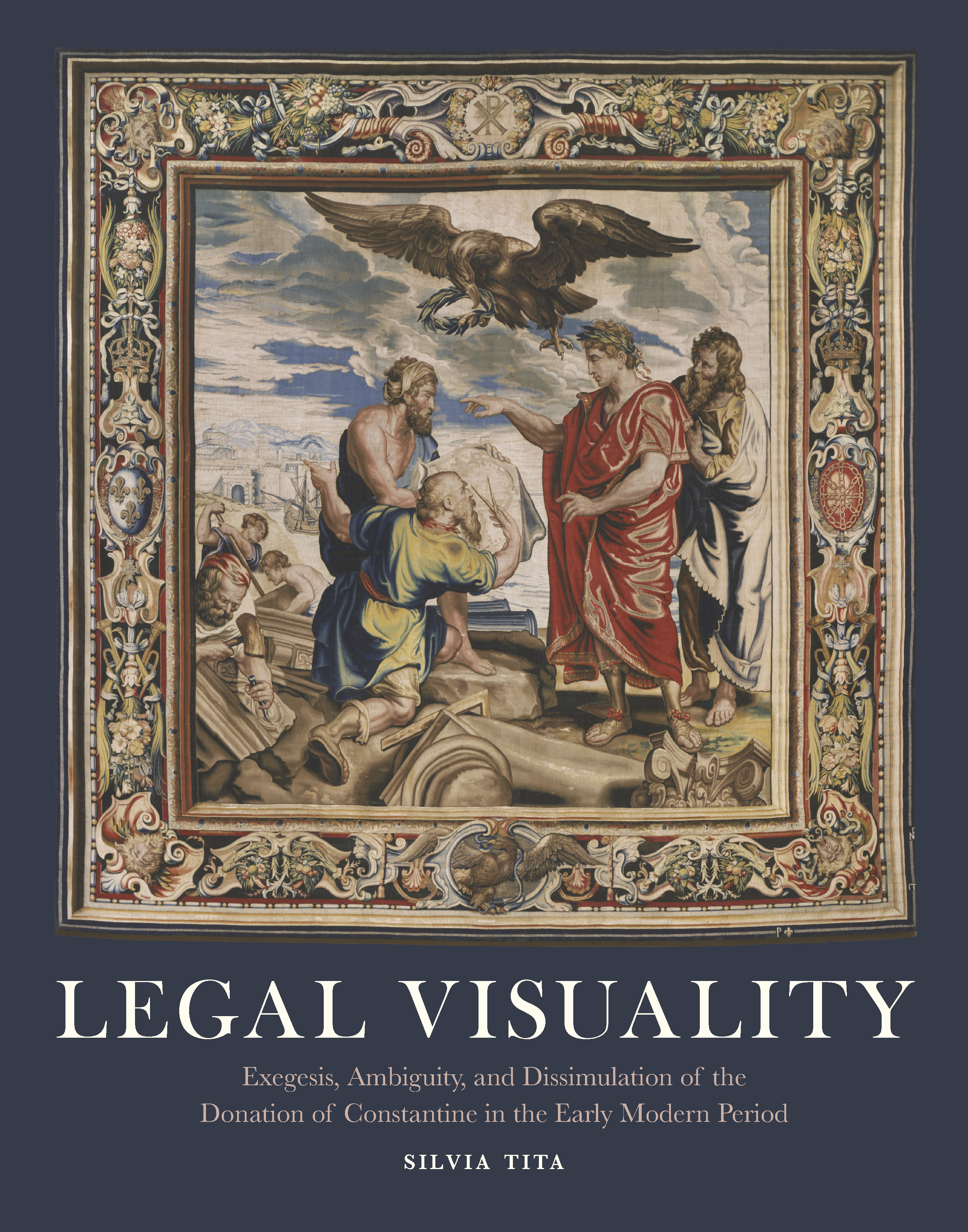 Legal Visuality
Exegesis, Ambiguity, and Dissimulation of the Donation of Constantine in the Early Modern Period
 Liturgia semper reformanda
Adaptations and accommodations in the liturgy in light of canon 838 of the Code of Canon Law


