
The Social Consequences of Literacy in Medieval Scandinavia
By (author) Arnved Nedkvitne

Between 1000 and 1536 Scandinavia was transformed from a conglomerate of largely pre-state societies to societies with state governments. The state increasingly monopolised ‘legitimate’ violence. Church and state used literacy to strengthen social control in central and important areas: jurisdiction, religion and accounting. Written laws made social norms more precise and easier to change, a necessity in an increasingly complex society. The basic social transformations of the period cannot be attributed to increasing literacy alone, but the written word rendered them more peaceful and gradual, and strengthened social conformity and cohesion. Writing in Roman letters was introduced late to Scandinavia (ca. 1000 ad); consequently the transition from orality to literacy is better documented than in many other European societies. The rich saga literature from the twelfth and thirteenth centuries emerged at the time that administrative literacy was introduced. Until the fourteenth century, literacy was mainly promoted by church and state in their efforts to pacify and control society. Then the literate elites grew, encompassing ever larger groups of officials, clerks, merchants and artisans, many of whom were now educated in town schools. The resulting elite culture prepared the ground for the development of a proto-national identity.
- By (author) Arnved Nedkvitne
Other Titles in this Series
 Spoken and Written Language
Relations between Latin and the Vernacular Languages in the Earlier Middle Ages
Volume 24

 The Politics of Memory and Identity in Carolingian Royal Diplomas
The West Frankish Kingdom (840-987)
Volume 19


 Ruling the Script in the Middle Ages
Formal Aspects of Written Communication (Books, Charters, and Inscriptions)
Volume 35

 Diplomatics in the Netherlands
The Use, Editing, and Study of Charters by Dutch Historians from the Middle Ages to the Present
Volume 63
 Epigraphic Literacy and Christian Identity
Modes of Written Discourse in the Newly Christian European North
Volume 4


 Sins of the Tongue in the Medieval West
Sinful, Unethical, and Criminal Words in Middle Dutch (1300-1550)
Volume 36


 Strategies of Writing
Studies on Text and Trust in the Middle Ages: Papers from Trust in Writing in the Middle Ages (Utrecht, 28-29 November 2002)
Volume 13


 Looking Back from the Invention of Printing
Mothers and the Teaching of Reading in the Middle Ages
Volume 40
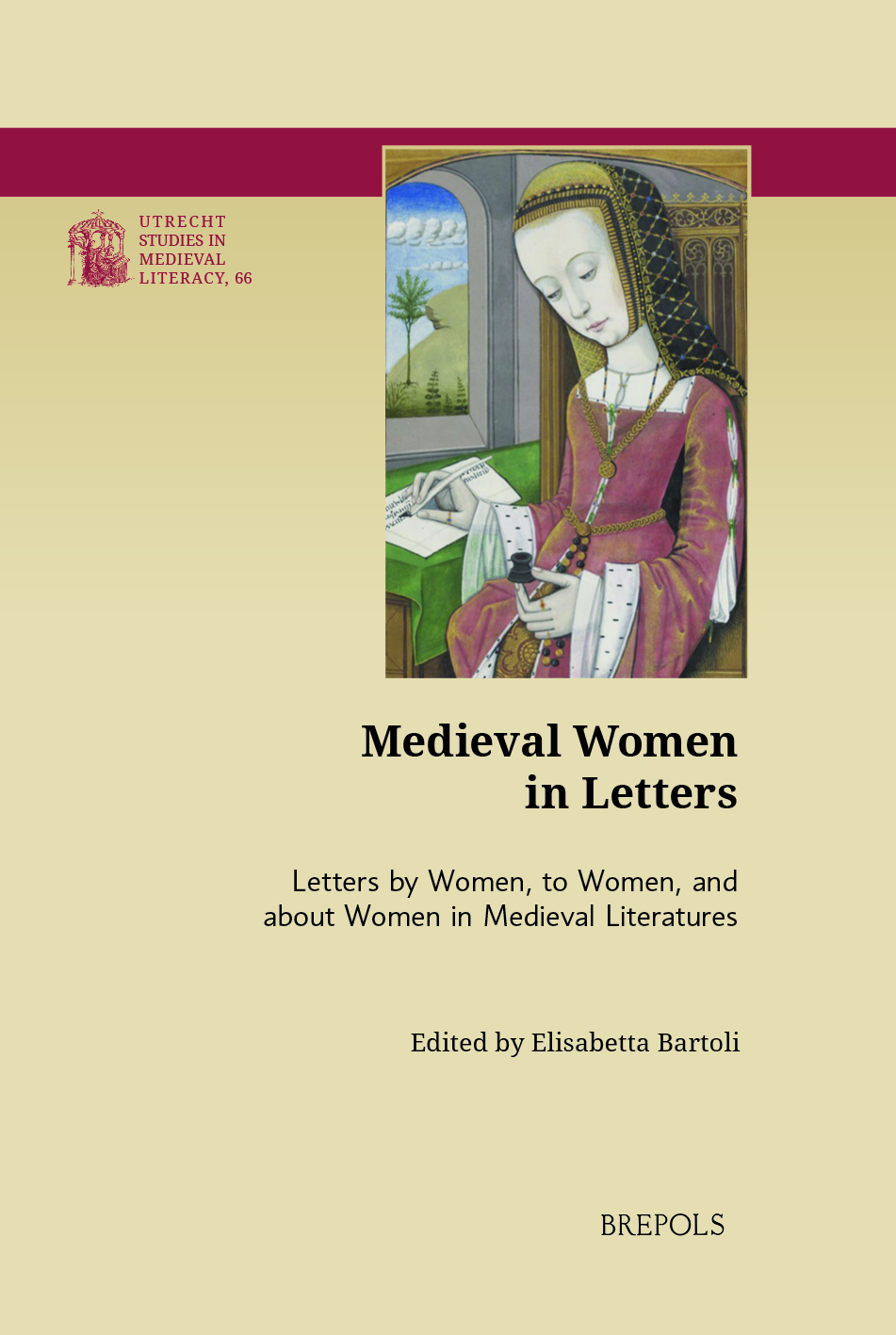 Medieval Women in Letters
Letters by Women, to Women, and about Women in Medieval Literatures
Volume 66

Similar Books


 Innovation and Medieval Communities
The Circulation of Ideas and Practices in and out of the Town (1200-1500)
Volume 63

 Medieval Debates on Foreknowledge: Future Contingents, Prophecy, and Divination
Acts of the XXVII Annual Colloquium of the SIEPM, Trento 12-15 September 2023
Volume 31

 Medieval Yeghegis, Armenia
History, Archaeology, Society. Local Multiplicities and Global Connections of a Rural Centre on the Silk Road(s)

 Nicholas of Lyra’s Commentaries on the Gospels of Matthew and Luke
Franciscan Exegesis in a Time of Crisis



 Power and Women in Southeast and Central Europe in Late Medieval and Early Modern Period (1300-1600)
Volume 10

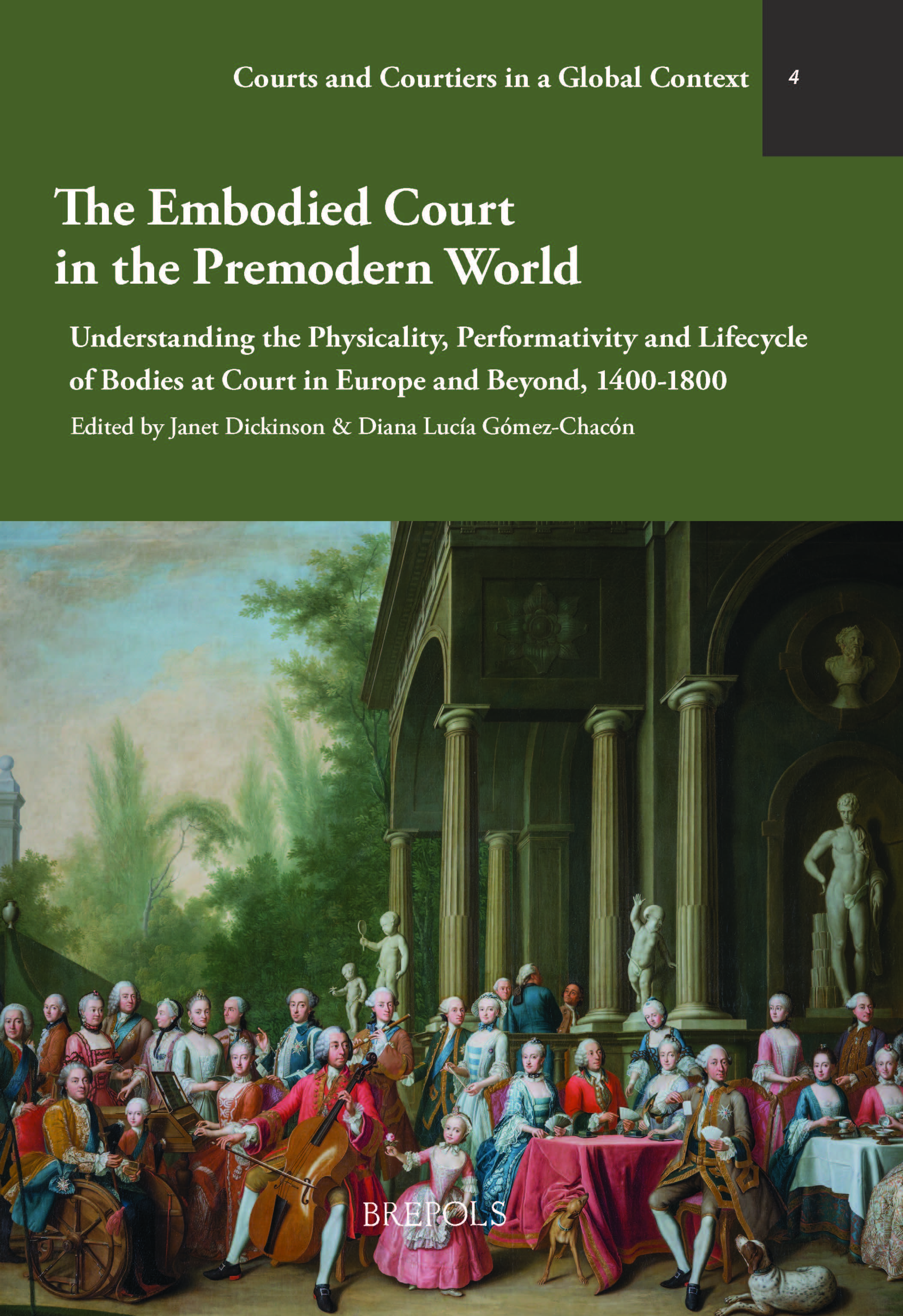 The Embodied Court in the Premodern World
Understanding the Physicality, Performativity and Lifecycle of Bodies at Court in Europe and Beyond, 1400-1800
Volume 4


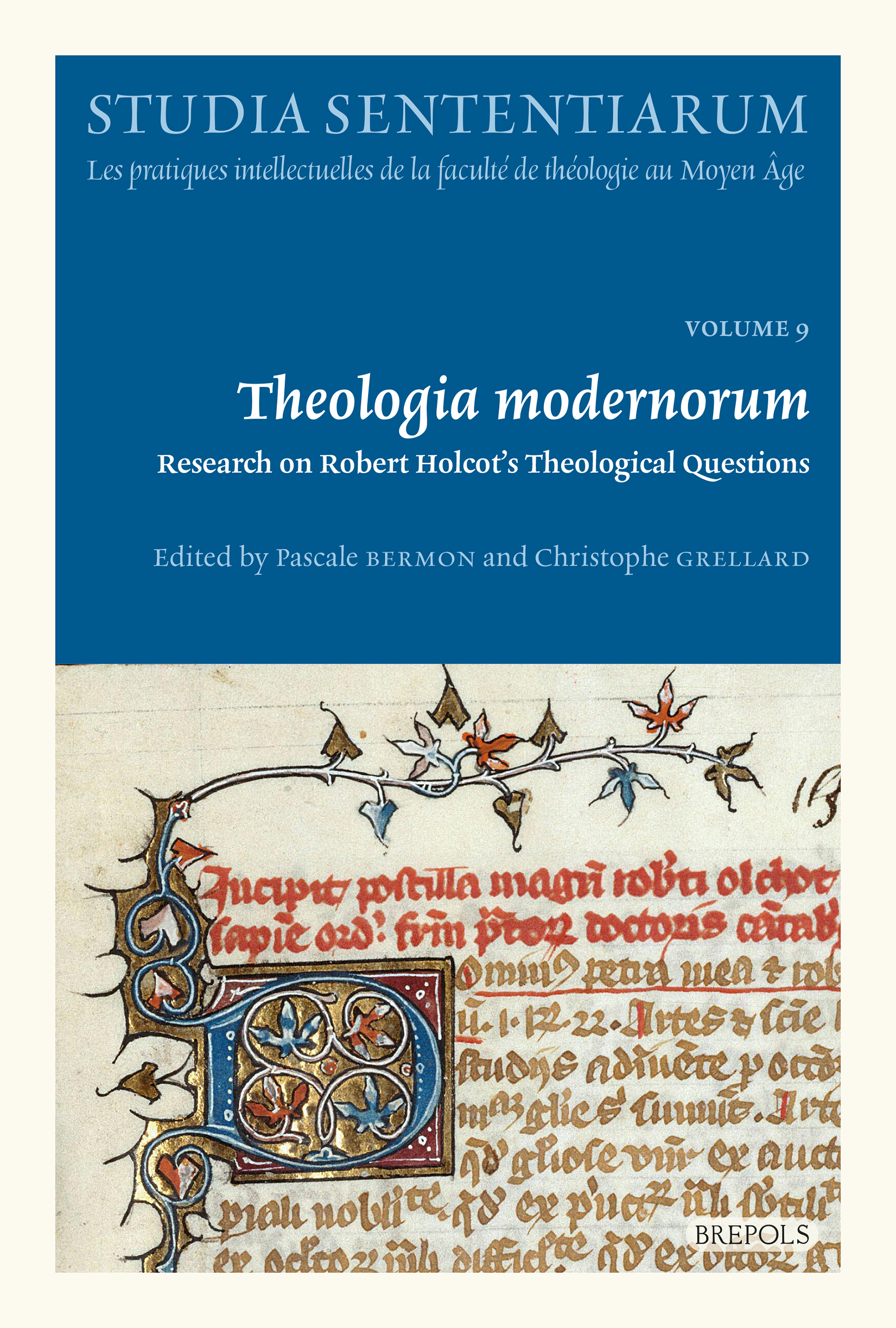

 Women in Late Antiquity and the Early Middle Ages
Studies from Western Europe and North Africa
Volume 44
 wunder in Serie



 Medialisierung des Ephemeren
Dimensionen des Akustischen in Texten, Bildern und Artefakten des Mittelalters
 Un fascicolo di prediche pistoiesi del 1233. (Pistoia, Archivio Capitolare, C.112)
A cura di Gilda P. Mantovani, Marco Petoletti e Riccardo Saccenti
Volume 556


 Building the Presence of the Prince
The Institutions Responsible for the Construction and Management of the Buildings of European Courts (14th-17th centuries)
Volume 14