
History and the Hebrew Bible
Studies in Ancient Israelite and Ancient Near Eastern Historiography
by Hans M. Barstad

In this collection of essays, Hans M. Barstad deals thoroughly with the recent history debate, and demonstrates its relevancy for the study of ancient Israelite history and historiography. He takes an independent stand in the heated maximalist/minimalist debate on the historicity of the Hebrew Bible. Vital to his understanding is the necessity to realize the narrative nature of the ancient Hebrew and of the Near Eastern sources. Equally important is his claim that stories, too, may convey positivistic historical facts. The other major topic he deals with in the book is the actual history of ancient Judah in the Neo-Babylonian and Persian periods. Here, the author makes extensive use of extant ancient Near Eastern sources, both textual and archaeological, and he puts much weight on economic aspects. He shows that the key to understanding the role of Judah in the 1st millennium lays in the proper evaluation of Judah and its neighbouring city states within their respective imperial contexts. A proper understanding of the history of Judah during the 6th century BCE, consequently, can only be obtained when Judah is studied as a part of the much wider Neo-Babylonian imperial policy.
Hans M. Barstad, Born 1947; 1982 Dr. theol. University of Oslo; 1983 Fellow Norwegian Ministry of Foreign Affairs, The Hebrew University, Jerusalem; 1986-2005 Professor of Old Testament, University of Oslo; 1998-2000 Secretary General of the Norwegian Academy of Science and Letters; since 2006 Professor of Hebrew Bible and Old Testament Studies at the University of Edinburgh, Scotland.
- By (author) Hans M Barstad
Other Titles in this Series
 Grundfragen der historischen Exegese
Methodologische, philologische und hermeneutische Beitrage zum Alten Testament
Volume 95
 Schriftgelehrte Traditionsliteratur
Fallstudien zur innerbiblischen Schriftauslegung im Alten Testament
Volume 77


 Elephantine in Context
Studies on the History, Religion and Literature of the Judeans in Persian Period Egypt
Volume 155


 Rhetoric and Hermeneutics
Approaches to Text, Tradition and Social Construction in Biblical and Second Temple Literature
Volume 130


 Die Bedingungen des Bundes
Studien zur konditionalen Struktur alttestamentlicher Bundeskonzeptionen
Volume 140
 Reading Prophetic Books
Form, Intertextuality, and Reception in Prophetic and Post-Biblical Literature
Volume 89

 From the Reed Sea to Kadesh
A Redactional and Socio-Historical Study of the Pentateuchal Wilderness Narrative
Volume 159


Similar Books






 Apocrypha, Magic, Liturgy
The Multiple Identities of Coptic Prayers in Late Antique and Early Islamic Egypt

 Athanasius of Alexandria, Epistula ad episcopos Aegypti et Libyae
Old Slavonic Version and English Translation
Volume 261

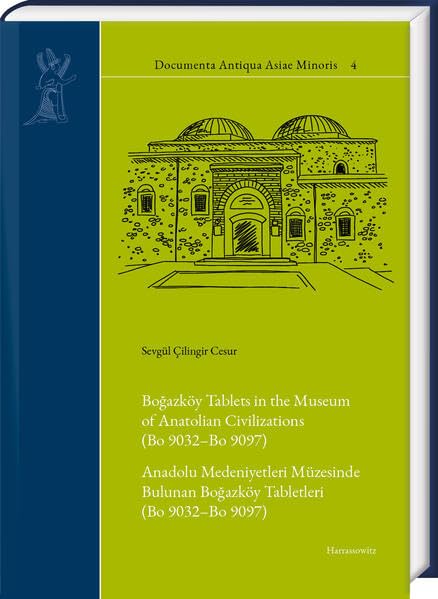 Boğazköy Tablets in the Museum of Anatolian Civilizations (Bo 9032–Bo 9097)
Anadolu Medeniyetleri Müzesinde Bulunan Boğazköy Tabletleri (Bo 9032–Bo 9097)
Volume 4



 Connecting the Dots: Counting, Writing, and the Beginnings of Civilization
The Secret Lives of Clay Tokens: A Memoir
 Contesting Labeled Identities
The Sociology of Gentilics in Biblical and Northwest Semitic Literature


 Curating the Prehistoric Past
Studies on West Asian Archaeology and Beyond in Honour of Yoshihiro Nishiaki
 Cyril of Alexandria’s Christological Exegesis
Explorations of Partitive Exegesis in the Dialogues on the Trinity
Volume 70


 Epiphanies of the Divine in the Septuagint and the New Testament
Fifth International Symposium of the Corpus Judaeo-Hellenisticum Novi Testamenti (CJHNT), 14-17 May 2015, Nottingham


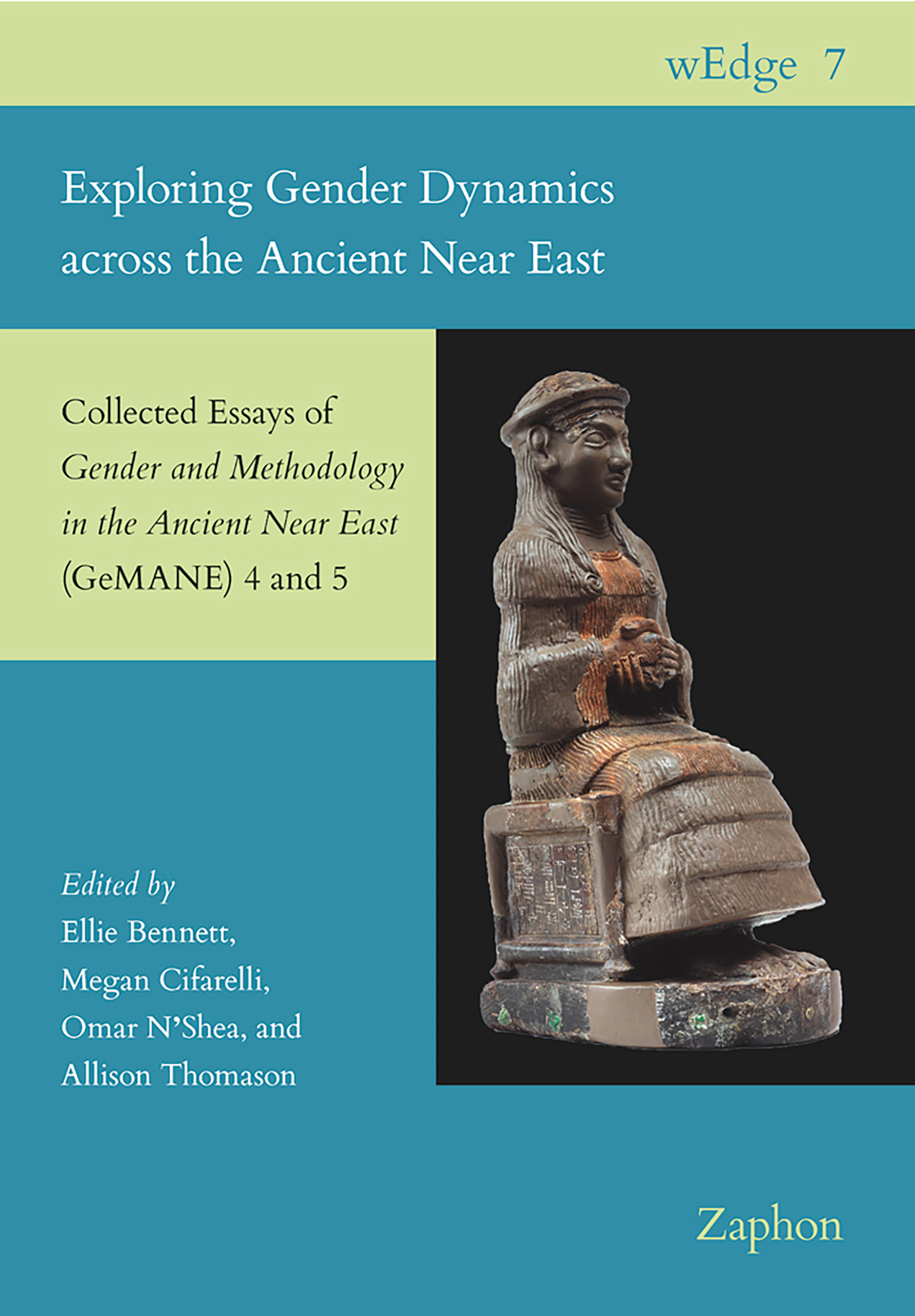 Exploring Gender Dynamics across the Ancient Near East
Collected Essays of Gender and Methodology in the Ancient Near East (GeMANE) 4 and 5
Volume 7
 Extracanonical Traditions and the Holy Land
Texts, Rituals, and Material Culture in Late Antique Palestine

 From Joseph to Jesus
The Joseph Narrative as a Compositional Template from Old Greek Esther to the Gospel of Luke
Volume 125


 Ḫattušaš utnē išḫameški
Hittite and Other Ancient Near Eastern Studies Presented to Piotr Taracha on the Occasion of His 65th Birthday

