
The Sacramentality of the World and the Mystery of Freedom
Hans Urs von Balthasar, Reader of Origen
by Elisa Zocchi

Hans Urs von Balthasar’s interest for Origen can be placed within the movement of Ressourcement: until the very end of his life, the Swiss theologian declares his preference for the Alexandrian, among the Church Fathers. This book offers the first in-depth study of the Alexandrian’s presence in the life of Balthasar. This is achieved not only considering his two specific books on Origen, Spirit and Fire and Le Mysterion d’Origene, but also analyzing specific Origenian ideas that played a decisive role in shaping Balthasar’s own theological building.
Hans Urs von Balthasar’s interest for Origen can be placed within the movement of Ressourcement: until the very end of his life, the Swiss theologian declares his preference for the Alexandrian, among the Church Fathers. This book offers the first in-depth study of the Alexandrian’s presence in the life of Balthasar. This is achieved not only considering his two specific books on Origen, Spirit and Fire and Le Mysterion d’Origene, but also analyzing specific Origenian ideas that played a decisive role in shaping Balthasar’s own theological building. The book starts from a reconstruction of the context that brought Balthasar to study the Fathers and of the main polemical references in his interpretation, specifically facing the challenges posed by such movements as Neo-Scholasticism and the Idealistic interpretation of Neoplatonism. Balthasar’s study of Origen emerges not as a disinterested, ahistorical reading, but rather as connected to the main issues facing 20th-century Catholic theology. The task of a historical reconstruction is accomplished also through to the analysis of theologians who played a fundamental role in Balthasar’s interpretation of Origen: Henri de Lubac, Karl Rahner, and Karl Barth. The book moves then to analyzing the main theological elements traceable in the relationship between Origen and Balthasar: Eros, spiritual senses, freedom, and universal salvation. Throughout these ideas, Balthasar’s attitude towards Origen emerges as dynamic and multifaceted. Against the charge of uncritical retrieval, his approach can be schematically understood with the help of five categories: silence, critique, enthusiasm, appreciation, and inspiration. Each category is approached and explained in correspondence with certain works within Balthasar’s corpus. This dynamic approach to Origen, united to a familiarity with the Fathers that Lubac called “connaturality”, makes Balthasar an example of the possibility of rethinking the role of the Church Fathers today.
- By (author) Elisa Zocchi
Other Titles in this Series


 The Protestant Origen
Polemical Use and Theological Appropriation of Origen in 16th Century Patristic Anthologies
Volume 27


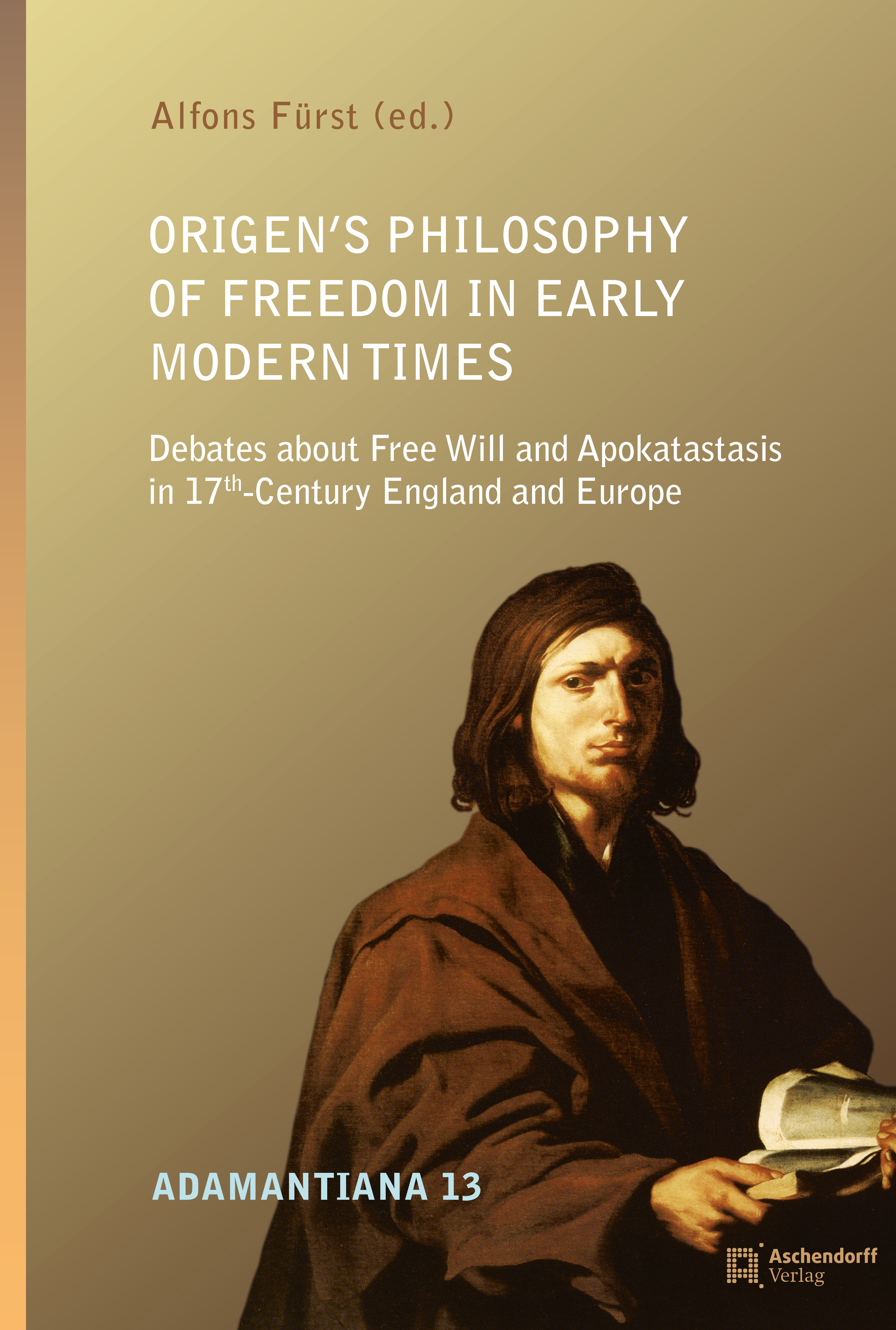 Origen’s Philosophy of Freedom in Early Modern Times
Debates about Free Will and Apokatastasis in 17th-Century England and Europe
Volume 13

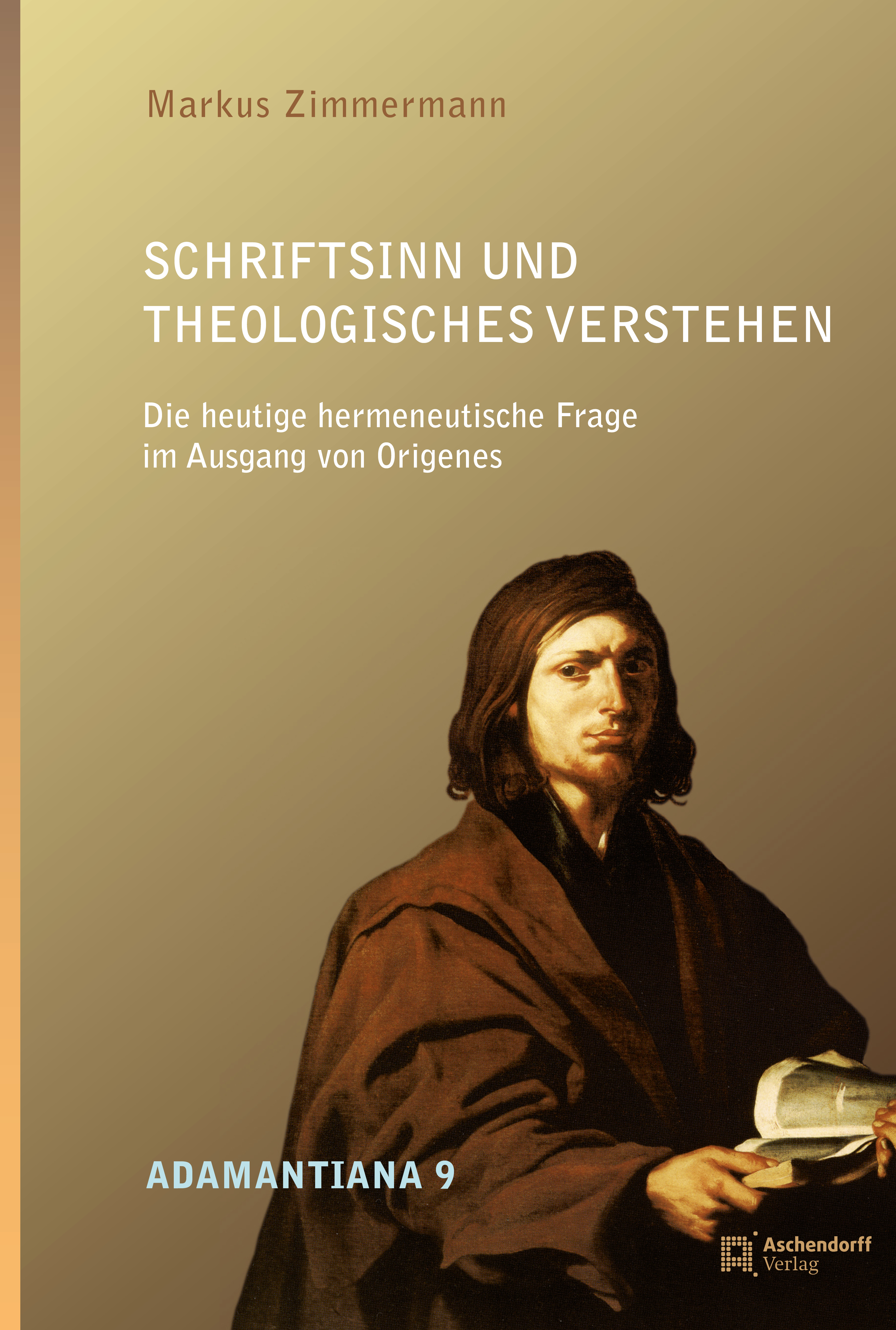 Schriftsinn und theologisches Verstehen
Die heutige hermeneutische Frage im Ausgang von Origenes
Volume 9
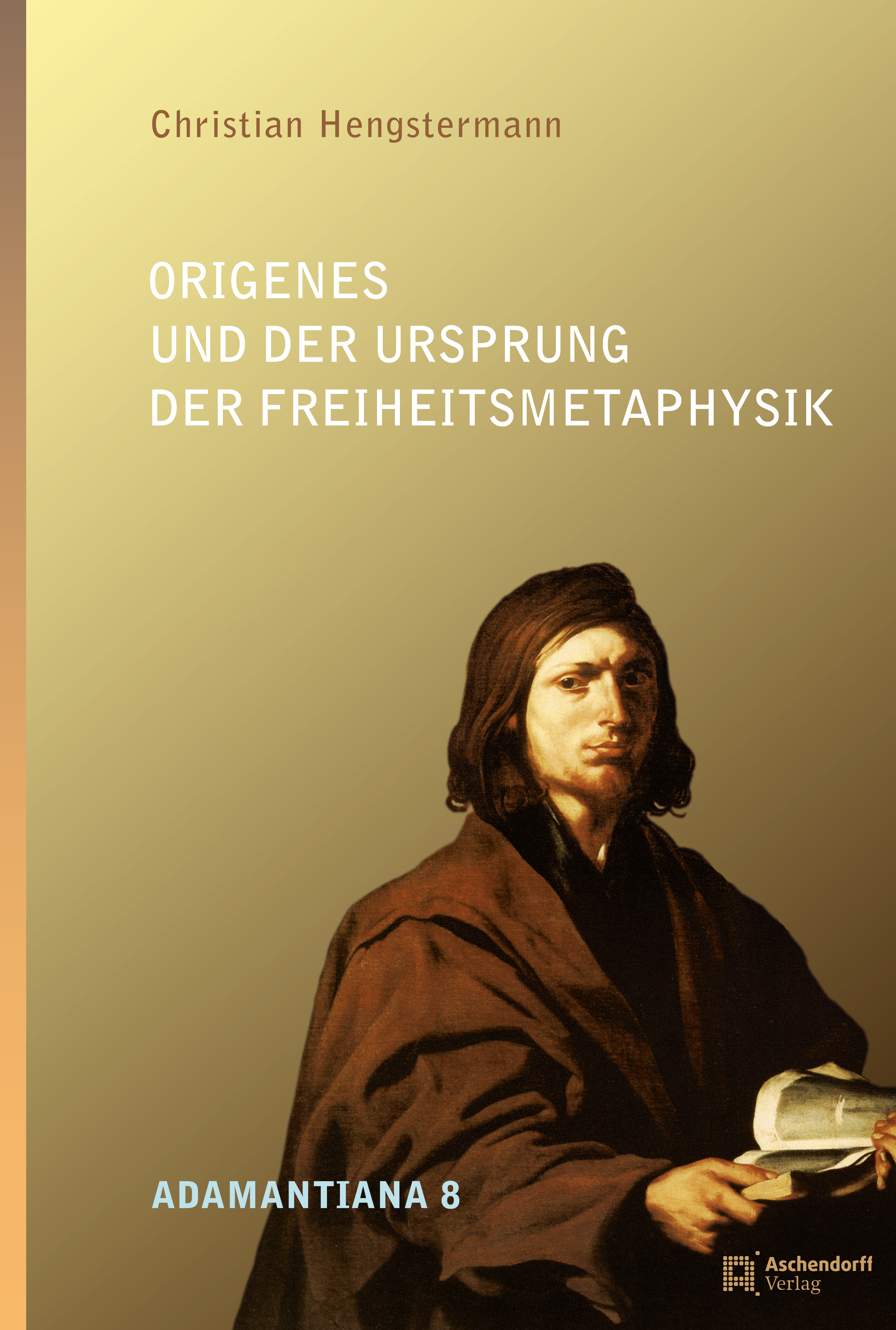
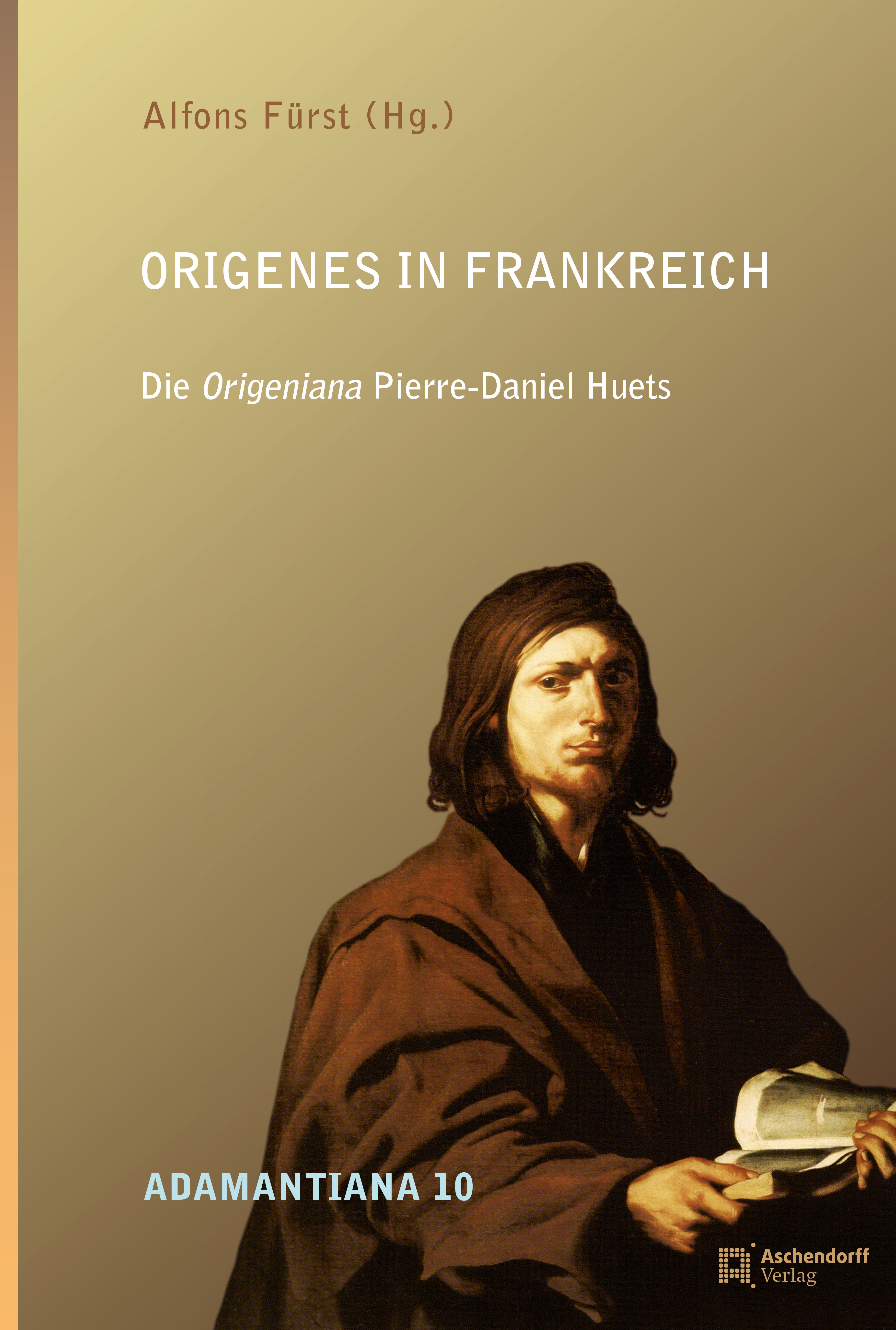


 Die Cambridge Origenists
George Rust's Letter of Resolution Concerning Origen and the Chief of His Opinions
Volume 4
Similar Books
 ‘For You I Study, For You I Work, For You I Live, For You I Am Ready To Even Give My Life’
Essays in Honour of Francis (Frank) J Moloney, SDB
 A Connecting Polemic in the Medieval Mediterranean
The Correspondence of Leo III and ʿUmar II
Volume 6





 Ars Prophetica
Theology in the Poetry of Twentieth-Century Hebrew Poets Avraham Halfi, Shin Shalom, Amir Gilboa, and T. Carmi
 As Messianism Turns to Heresy
The Regenstein Chair Lectures On Lurianic Kabbalah and Shabbatai Tzevi at Hebrew Union College - Cincinnati


 Creating the Woman in Antiquity
Proceedings of the 16th Melammu Workshop, Innsbruck, 2–3 June 2022
Volume 13

 Drunk the Potion, No Whit Charmed
The Doctrine of Pure and Perfect Souls from Iamblichus to Damascius






 Extracanonical Traditions and the Holy Land
Texts, Rituals, and Material Culture in Late Antique Palestine
 Fear, Fear of God, God-Fearers
Philological and Historical Perspectives on the World of Ancient Judaism and Christianity




 Legal Visuality
Exegesis, Ambiguity, and Dissimulation of the Donation of Constantine in the Early Modern Period
 Liturgia semper reformanda
Adaptations and accommodations in the liturgy in light of canon 838 of the Code of Canon Law
