
The Origin of Evil Spirits
The Reception of Genesis 6.1-4 in Early Jewish Literature
by Archie Wright

Paperback (Out of print)
(December 2005)
ISBN: 9783161486562
Price: $63.00
On back order
Archie Wright examines the trajectory of the origin of evil spirits in early Jewish literature. His work traces the development of the concept of evil spirits from the Hebrew Bible (Genesis 6) through post biblical Jewish literature. The research is concerned with the reception history of Genesis 6:1-4 in early Enochic and Philonic Judaism during the Second Temple Period. The author suggests that the non-specificity inherent in the biblical text of Genesis 6:1-4 opened the basis for the later emergence of an aetiology of evil spirits as Jewish authors engaged with the text. As a result, Genesis 6:1-4, particularly its interpretation in 1 Enoch 6-16, played an important part in the development of demonology in Second Temple Period Judaism.
Archie Wright, University lecturer for 7 years, taught Ancient History and Modern Hebrew at Oral Roberts University and Biblical languages and NT Introduction at the University of Durham, England.
- By (author) Archie Wright
Other Titles in this Series

 John among the Other Gospels
The Reception of the Fourth Gospel in the Extra-Canonical Gospels
Volume 347


 Jesus as the Eschatological Davidic Shepherd
Studies in the Old Testament, Second Temple Judaism, and in the Gospel of Matthew
Volume 216
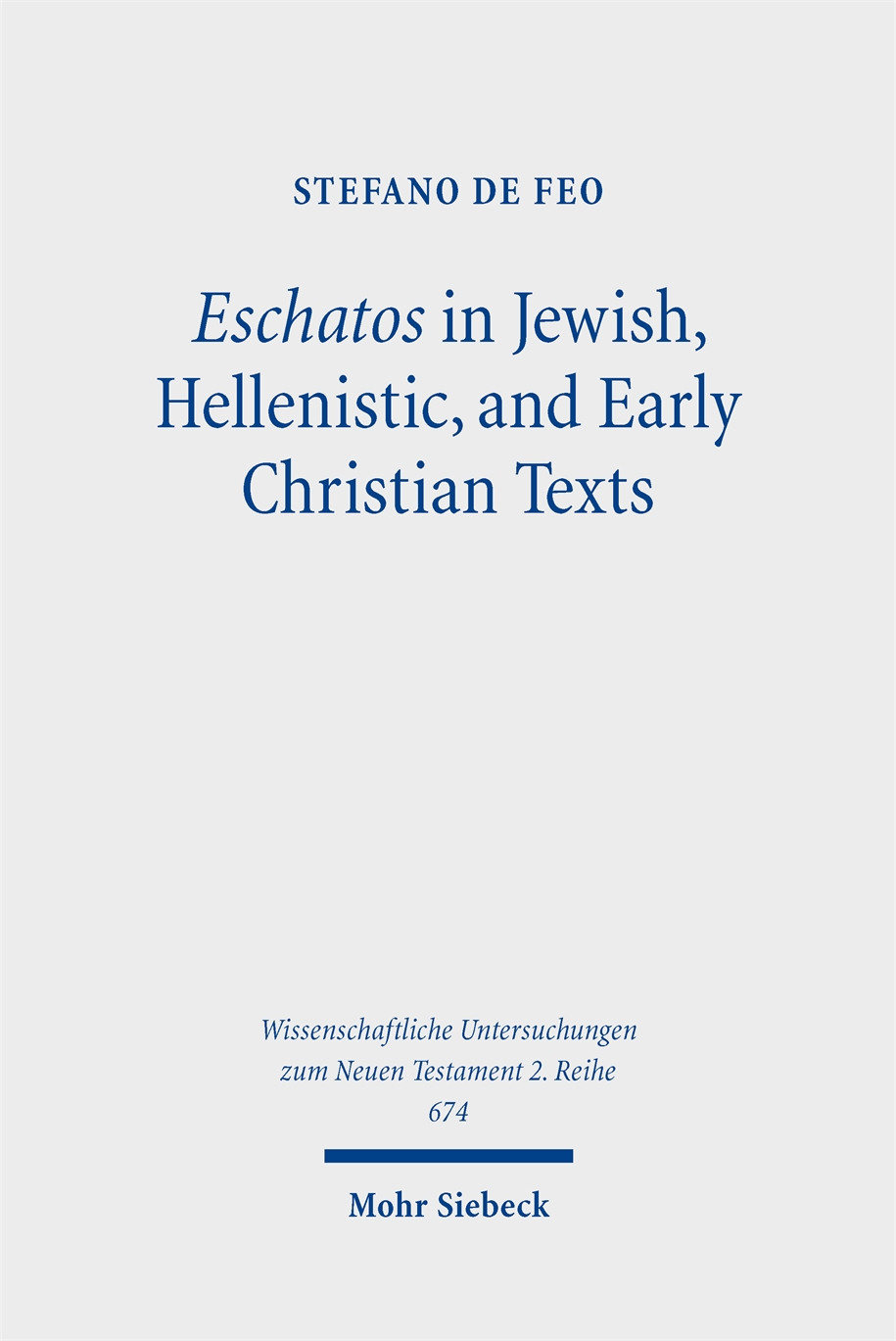 Eschatos in Jewish, Hellenistic, and Early Christian Texts
A Diachronic Analysis (3rd cent. BCE – 1st cent. CE)
 Der verborgene Vater im Matthausevangelium
Ein Beitrag zum Gottesbild und zur Gebetstheologie von Mt 6,1-6.16-18
Volume 617
 Intercession of Jesus in Hebrews
The Background and Nature of Jesus' Heavenly Intercession in the Epistle to the Hebrews
Volume 585


 Participation, Justification, and Conversion
Eastern Orthodox Interpretation of Paul and the Debate between Old and New Perspectives on Paul
Volume 442
 Temporal Dimensions of the Apocalypse
Ancient Christian Reception and Contemporary Hermeneutical Reflections

 Renaming Abraham’s Children
Election, Ethnicity, and the Interpretation of Scripture in Romans 9
Volume 421


 Die heiligen Propheten, eure Apostel und ich
Metatextuelle Studien zum zweiten Petrusbrief
Volume 300
 Animals in the Apocryphal Acts of the Apostles
The Wild Kingdom of Early Christian Literature
Volume 247
 Christologie und Existenz im Kolosserbrief
Exegetische und semantische Untersuchungen zur Intention des Kolosserbriefes
Volume 191
 The Colossian Hymn in Context
An Exegesis in Light of Jewish and Greco-Roman Hymnic and Epistolary Conventions
Volume 228
 Forgiveness as a Hermeneutical Key to the Gospel of Matthew
An Exegetical Investigation of the ?f??µ? Logia in the Matthean Gospel


 The Strength Needed to Enter the Kingdom of God
An Exegetical and Theological Study of Luke 16:16 in Context
Volume 485


Similar Books


 Apocrypha, Magic, Liturgy
The Multiple Identities of Coptic Prayers in Late Antique and Early Islamic Egypt
 Athanasius of Alexandria, Epistula ad episcopos Aegypti et Libyae
Old Slavonic Version and English Translation
Volume 261



 Contesting Labeled Identities
The Sociology of Gentilics in Biblical and Northwest Semitic Literature
 Cyril of Alexandria’s Christological Exegesis
Explorations of Partitive Exegesis in the Dialogues on the Trinity
Volume 70

 Epiphanies of the Divine in the Septuagint and the New Testament
Fifth International Symposium of the Corpus Judaeo-Hellenisticum Novi Testamenti (CJHNT), 14-17 May 2015, Nottingham


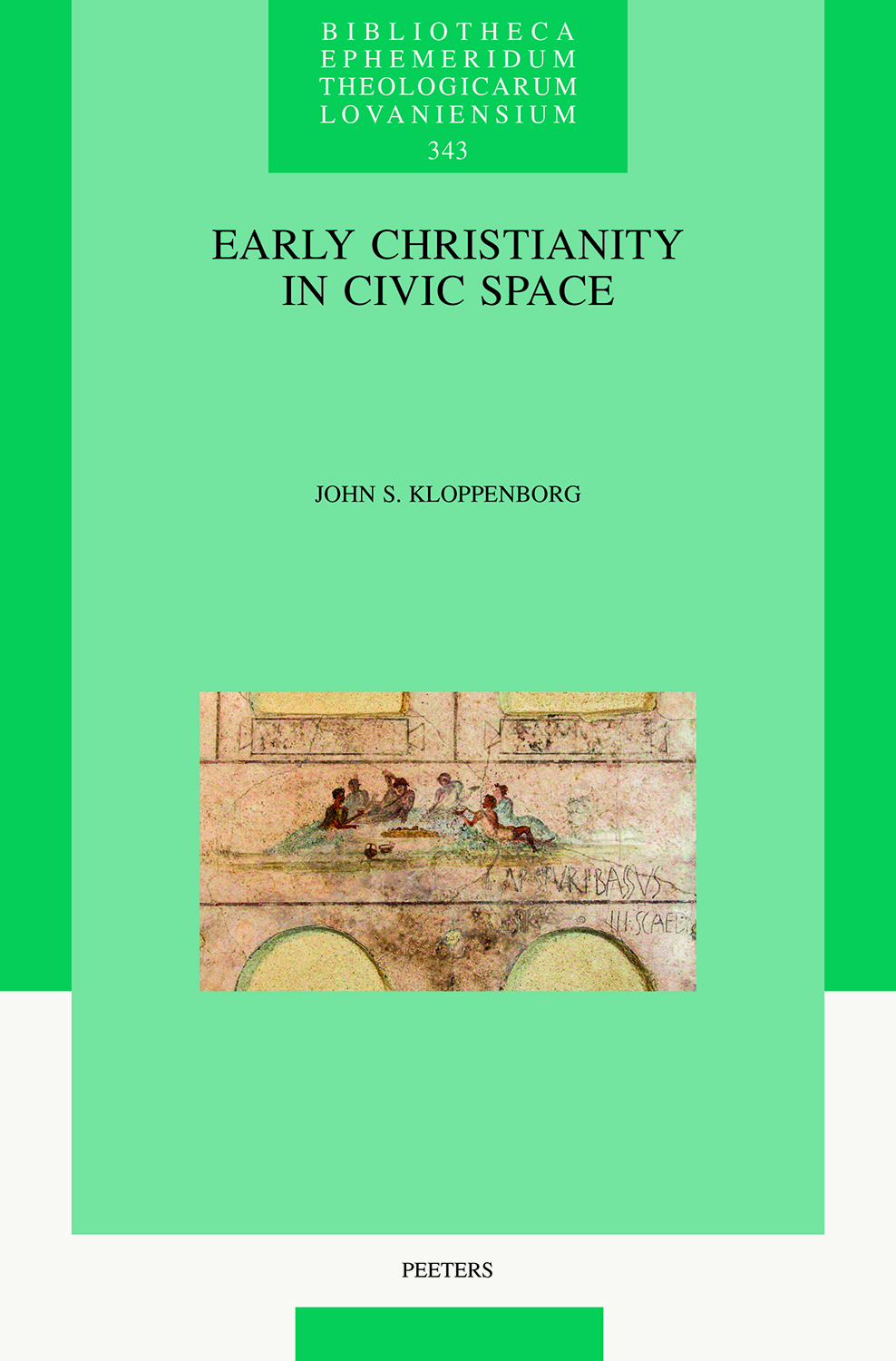
 Extracanonical Traditions and the Holy Land
Texts, Rituals, and Material Culture in Late Antique Palestine
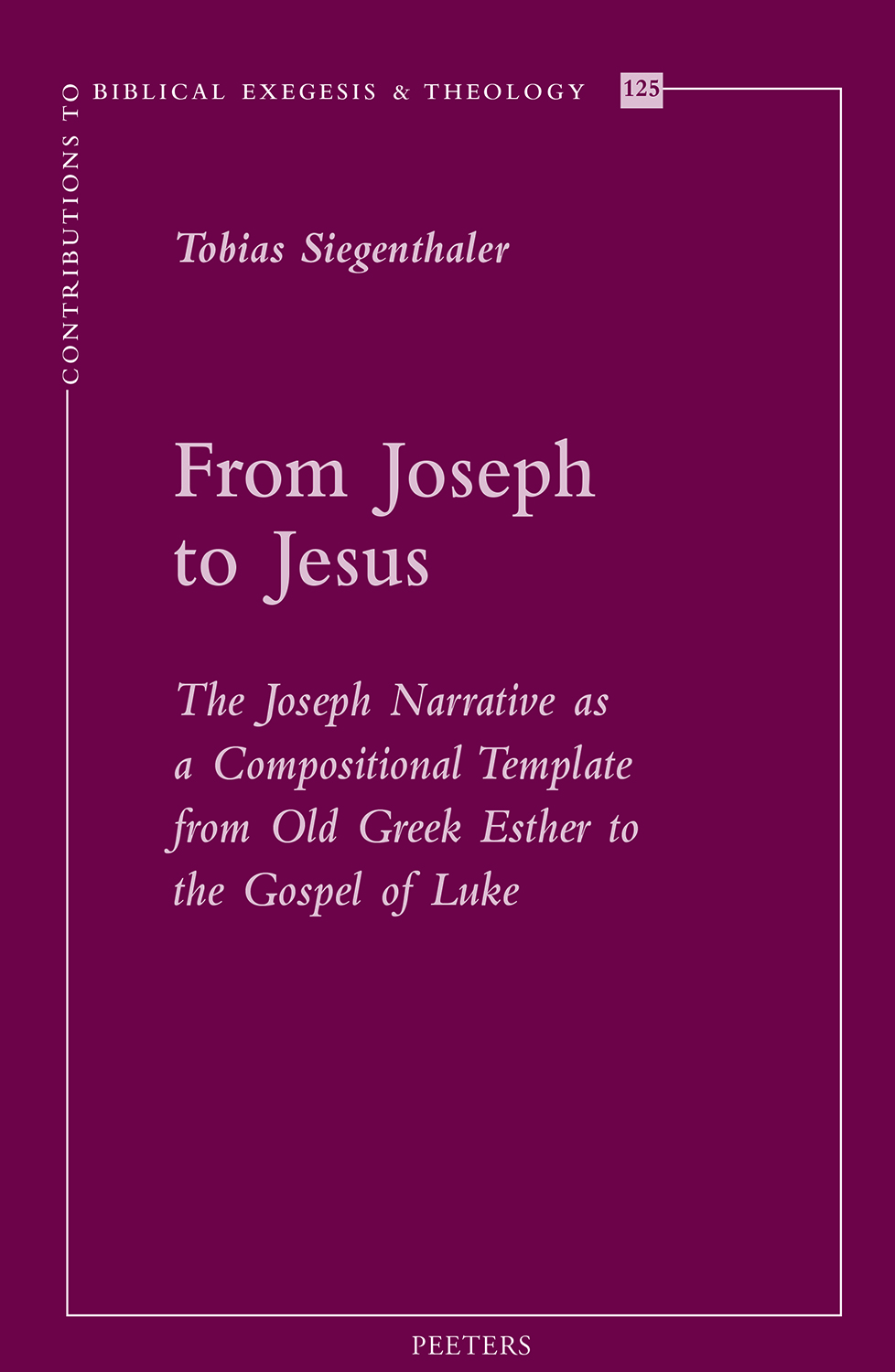 From Joseph to Jesus
The Joseph Narrative as a Compositional Template from Old Greek Esther to the Gospel of Luke
Volume 125





 Nicholas of Lyra’s Commentaries on the Gospels of Matthew and Luke
Franciscan Exegesis in a Time of Crisis
 Paradise Lost in Transmission
The Return to Eden in the Apocalypse of Peter within Its Ethiopic and Early Christian Contexts



 Punning in Odd or Elegant Constructions in Jeremiah
The Convergence of Linguistics, Rhetoric, and Textuality in the Hebrew Text of Jeremiah

 Reformed Covenantal Eudaimonism
Wilhelmus à Brakel (1635–1711) on Highest Good, Virtue, and Law
Volume 87