
The Dynamics of Language and Exegesis at Qumran
edited by Devorah Dimant and Reinhard G. Kratz

The discovery of the Qumran scrolls sixty years ago revolutionized our understanding of the development and exegesis of the Hebrew Bible. It became clear that both are mutually involved processes which started during the final stages of the Hebrew Bible and went on until its final canonization around 100 CA. Dated as they are between 300 BCE – 50 CA, the Qumran documents are placed precisely at the crucial stages of these developments. The recent publication of the entire collection of the scrolls illuminates these stages and opens new vistas on the early exegesis of the Hebrew Bible and its dynamics. In this volume, the authors deal with these issues in the light of the new material. Several articles trace the development from inner biblical interpretation to its follow-up in the scrolls and other ancient Jewish writings. Other contributions examine how various biblical narratives and figures are interpreted by the scrolls. The exegetical technique of the Pesharim, the particular interpretation of the biblical prophets, nurtured by the owners of the Qumran scrolls, is the subject of other discussions, while the relationship of the Book of Tobit and Qumran is the object of two of the studies in this volume.
I. Language and Methods Moshe Bar Asher: Qumran Hebrew Between Biblical and Mishnaic Hebrew: A Morphological Study - George Brooke: New Perspectives on the Bible and Its Interpretation in the Dead Sea Scrolls - Annette Steudel: Dating Exegetical Texts from Qumran II. Biblical and Related Writings Ariel Feldman: The Story of the Flood in 4Q422 - Reinhard G. Kratz: Friend of God, Brother of Sarah, and Father of Isaac: Abraham in the Hebrew Bible and in Qumran - Jan Joosten: The Interpretation of Deuteronomy 29:17-20 in the Hellenistic Period: Septuagint, Qumran and Parabiblical Literature - Devorah Dimant: The Book of Tobit and the Qumran Halakhah - Ingo Kottsieper: Look
son, what Nadab did to Ahikarosa: The Aramaic Ahiqar Tradition and its Relationship to the Book of Tobit III. Sectarian Writings Anja Klein: From the 'Right Spirit' to the 'Spirit of Truth': Observations on Ps 51 and 1QS - Liora Goldman: The Exegesis and Structure of Pesharim in the Damascus Document - Peter Porzig: The Ark of the Covenant in the Non-Biblical Texts from Qumran
- Edited by Devorah Dimant
- Edited by Reinhard G Kratz
Other Titles in this Series
 The Call of Moses and the Exodus Story
A Redactional-Critical Study in Exodus 3-4 and 5-13
Volume 60

 Narrative Analogy in the David Story
Parallels between Genesis 25-50 and 1 Samuel 16-1 Kings 2
Volume 154


 God’s Enduring Love in the Book of Hosea
A Synchronic and Diachronic Analysis of Hosea 11:1-11
Volume 14

 Schriftgelehrte Fortschreibungs- und Auslegungsprozesse
Textarbeit im Pentateuch, in Qumran, Agypten und Mesopotamien
Volume 108
 Achronology in the Priestly Tabernacle Narratives of the Pentateuch
The Scribal Tendency Towards Thematic Arrangement

 Of Kings and Reigns
A Study of Translation Technique in the Gamma/Gamma Section of 3 Reigns (1 Kings)
Volume 30


 Prophetic Conflicts in Jeremiah, Ezekiel, and Micah
How Post-Exilic Ideologies Created the False (and the True) Prophets
Volume 121
 Monotheism and Institutions in the Book of Chronicles
Temple, Priesthood, and Kingship in Post-Exilic Perspective. Studies of the Sofja Kovalevskaja Research Group on Early Jewish Monotheism. Vol. I
Volume 64


 The Feasts of the Calendar in the Book of Numbers
Num 28:16-30:1 in the Light of Related Biblical Texts and Some Ancient Sources of 200 BCE-100 CE
Volume 132

 God, His Servant, and the Nations in Isaiah 42:1-9
Biblical Theological Reflections after Brevard S. Childs and Hans Hubner
Volume 73


 Silent or Salient Gender?
The Interpretation of Gendered God-Language in the Hebrew Bible, Exemplified in Isaiah 42, 46, and 49
Volume 32

Similar Books




 Athanasius of Alexandria, Epistula ad episcopos Aegypti et Libyae
Old Slavonic Version and English Translation
Volume 261



 Connecting the Dots: Counting, Writing, and the Beginnings of Civilization
The Secret Lives of Clay Tokens: A Memoir

 Cyril of Alexandria’s Christological Exegesis
Explorations of Partitive Exegesis in the Dialogues on the Trinity
Volume 70


 Epiphanies of the Divine in the Septuagint and the New Testament
Fifth International Symposium of the Corpus Judaeo-Hellenisticum Novi Testamenti (CJHNT), 14-17 May 2015, Nottingham


 Exploring Gender Dynamics across the Ancient Near East
Collected Essays of Gender and Methodology in the Ancient Near East (GeMANE) 4 and 5
Volume 7
 Extracanonical Traditions and the Holy Land
Texts, Rituals, and Material Culture in Late Antique Palestine

 From Joseph to Jesus
The Joseph Narrative as a Compositional Template from Old Greek Esther to the Gospel of Luke
Volume 125


 Ḫattušaš utnē išḫameški
Hittite and Other Ancient Near Eastern Studies Presented to Piotr Taracha on the Occasion of His 65th Birthday



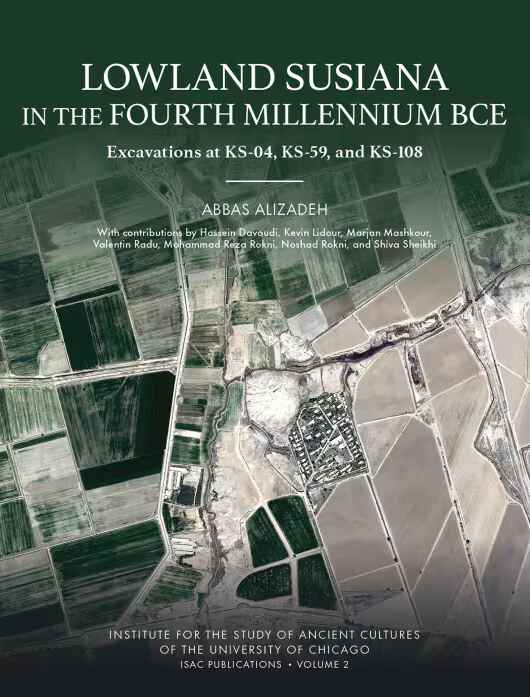


 New Research on Old Collections in Southwest Asian Archaeology
Proceedings of the Workshop Held at the British Museum, London, 31 July – 2 August, 2023
 Old Aramaic Inscriptions and their Contexts
An Epigraphic, Archaeological, and Historical Synthesis
Volume 63

 Paradise Lost in Transmission
The Return to Eden in the Apocalypse of Peter within Its Ethiopic and Early Christian Contexts


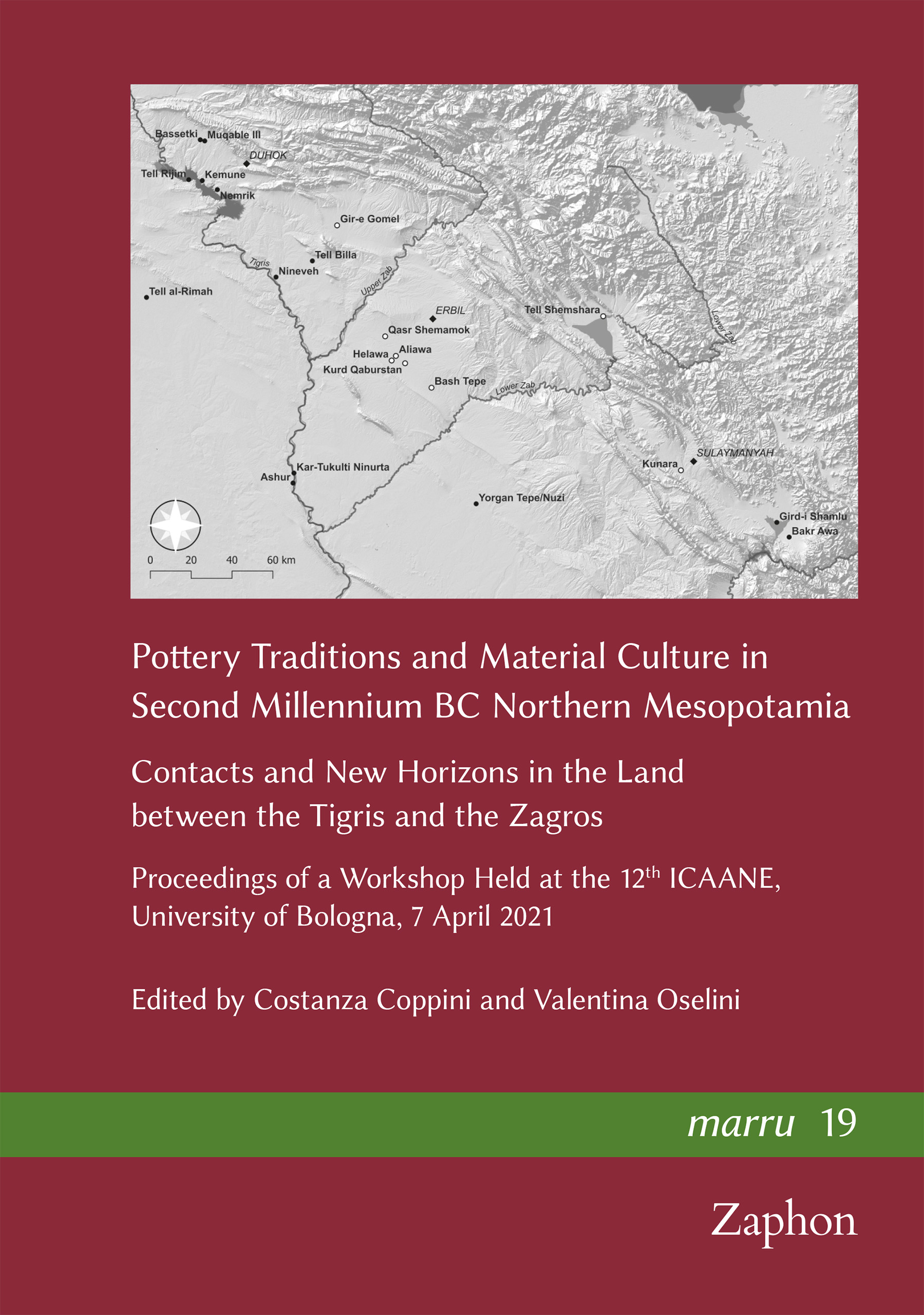 Pottery Traditions and Material Culture in Second Millennium BC Northern Mesopotamia
Contacts and New Horizons in the Land between the Tigris and the Zagros. Proceedings of a Workshop Held at the 12th ICAANE, University of Bologna, 7 April 2021
Volume 19