
Tangatatau Rockshelter
The Evolution of an Eastern Polynesian Socio-Ecosystem
edited by Patrick Vinton Kirch

Hardback (Published)
(April 2017)
ISBN: 9781938770104
8.46 x 10.94 inches
Price: $98.00
In stock
Tangatatau Rockshelter on Mangaia Island in the Southern Cook Islands, excavated by a multidisciplinary team in 1989-1991, produced one of the richest stratigraphic sequences of artifacts, faunal assemblages, and archaeobotanical materials in Eastern Polynesia. More than seventy radiocarbon dates provide a tight chronology from AD 1000 to European contact in about 1800. The faunal assemblage provides compelling evidence for dramatic reductions in indigenous bird life following Polynesian colonization, one of the best documented cases for human-induced impacts on island biota. Tangatatau is unique among Polynesian archaeological sites in the extent to which fishing was dominated by freshwater fishes and eels. The site also yielded an extensive suite of carbonized plant materials, including sweet potato tubers, demonstrating that this South American domesticate had reached Eastern Polynesia by AD 1400. Mangaia illustrates the often far-reaching consequences of human land use and resource exploitation on small and vulnerable islands.
Tangatatau Rockshelter on Mangaia Island in the Southern Cook Islands, excavated by a multidisciplinary team in 1989-1991, produced one of the richest stratigraphic sequences of artifacts, faunal assemblages, and archaeobotanical materials in Eastern Polynesia. More than seventy radiocarbon dates provide a tight chronology from AD 1000 to European contact in about 1800. The faunal assemblage provides compelling evidence for dramatic reductions in indigenous bird life following Polynesian colonization, one of the best documented cases for human-induced impacts on island biota. Tangatatau is unique among Polynesian archaeological sites in the extent to which fishing was dominated by freshwater fishes and eels. The site also yielded an extensive suite of carbonized plant materials, including sweet potato tubers, demonstrating that this South American domesticate had reached Eastern Polynesia by AD 1400. Mangaia illustrates the often far-reaching consequences of human land use and resource exploitation on small and vulnerable islands.
- Edited by Patrick Vinton Kirch
"The monograph is exemplary as both a final archaeological site report from Polynesia and a multi-faceted contribution to Polynesian island settlement studies. On both counts, it should serve as a high benchmark for others to follow." --Ian Barber, Archaeology in Oceania, 2018
—
Other Titles in this Series
 Integrating Catalhoyuk
Themes from the 2000-2008 Seasons: Catalhoyuk Research Project Volume 10
Volume 32


 Early Athens
Settlements and Cemeteries in the Submycenaean, Geometric and Archaic Periods
Volume 42

 Prehistoric Sitagroi
Excavations in Northeast Greece, 1968-1970. Volume 2: The Final Report.
Volume 20
 Landscape History of Hadramawt
The Roots of Agriculture in Southern Arabia (RASA) Project 1998-2008
Volume 43


 The Desert Fayum Reinvestigated
The Early to Mid-Holocene Landscape Archaeology of the Fayum North Shore, Egypt
Volume 39
 Humans and Landscapes of Catalhoyuk
Reports from the 2000-2008 Seasons: Catalhoyuk Research Project Volume 8
Volume 30
 Ancient Methone, 2003-2013
Excavations by Matthaios Bessios, Athena Athanassiadou, and Konstantinos Noulas
Volume 49
 Substantive Technologies at Catalhoyuk
Reports from the 2000-2008 Seasons: Catalhoyuk Research Project Volume 9
Volume 31
 Animals, Ancestors, and Ritual in Early Bronze Age Syria
An Elite Mortuary Complex from Umm el-Marra
Volume 50
 The Transition to Mycenaean
A stratified Middle Helladic II to Late Helladic IIA pottery sequence from Ayios Stephanos in Lakonia
Volume 4

Similar Books


 Colour Concept “Secoli bui” a colori
Codici cromatici e architetture dipinte nell’età tardoantica e medievale
 Crossing Disciplines in the Study of Archaeology and Prehistoric Art: Insights from the Sahara and Mediterranean Africa
Proceedings of the XX UISPP World Congress (5–9 September 2023, Timișoara, Romania) Volume / Session 18
 Crossing Sacred Landscapes
Contacts and Continuities in the Desert Cults and Beliefs of Ancient Northern Arabia and the Arid Southern Levant
 Cuneiform Artefacts from Archaeological Contexts: New Research on Ancient Iraq
Proceedings of a Conference Held at the Bavarian Academy of Sciences and Humanities, July 4–5, 2024
Volume 2



 Exploring Prehistoric Pottery in Japan
A Study of Organic Inclusions, Adhering Materials, and Impressions of Woven Items

 From Coast to Coast
Current Archaeological Research on Cultural Exchange along and across the Baltic Sea
Volume 19
 Harvesting the Margins of the Viking World
Decentralizing Economies in Late Iron Age Fennoscandia
Volume 6


 Linguistic and Cultural Dynamics in a Frontier Society
New Perspectives on Northeastern Bavaria and Western Bohemia in the Early Middle Ages
Volume 9

 Making and Meaning in the Bronze and Iron Ages
Chronology, Landscapes and Societies across Europe. Proceedings from the METALAGES2024 Colloquium (Florence, 23 October 2024)
 Medieval Yeghegis, Armenia
History, Archaeology, Society. Local Multiplicities and Global Connections of a Rural Centre on the Silk Road(s)


 Promoting the Profession
Papers in Honour of Peter Hinton Director of the Chartered Institute for Archaeologists 1997-2025

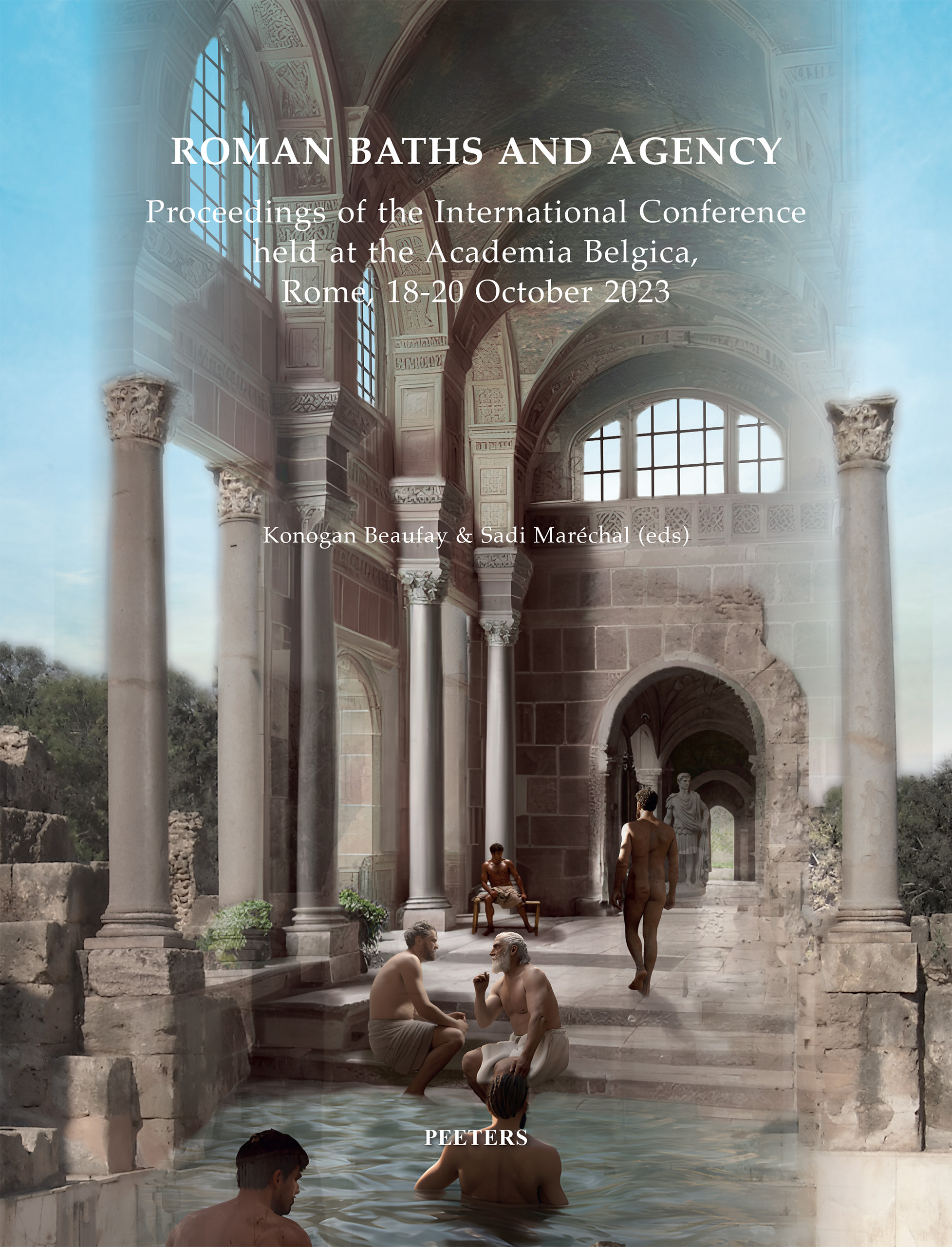 Roman Baths and Agency
Proceedings of the International Conference held at the Academia Belgica, Rome, 18-20 October 2023
Volume 51


 The Kingdom of Makuria and its Civilization
A Renewed Insight through New Archaeological Discoveries


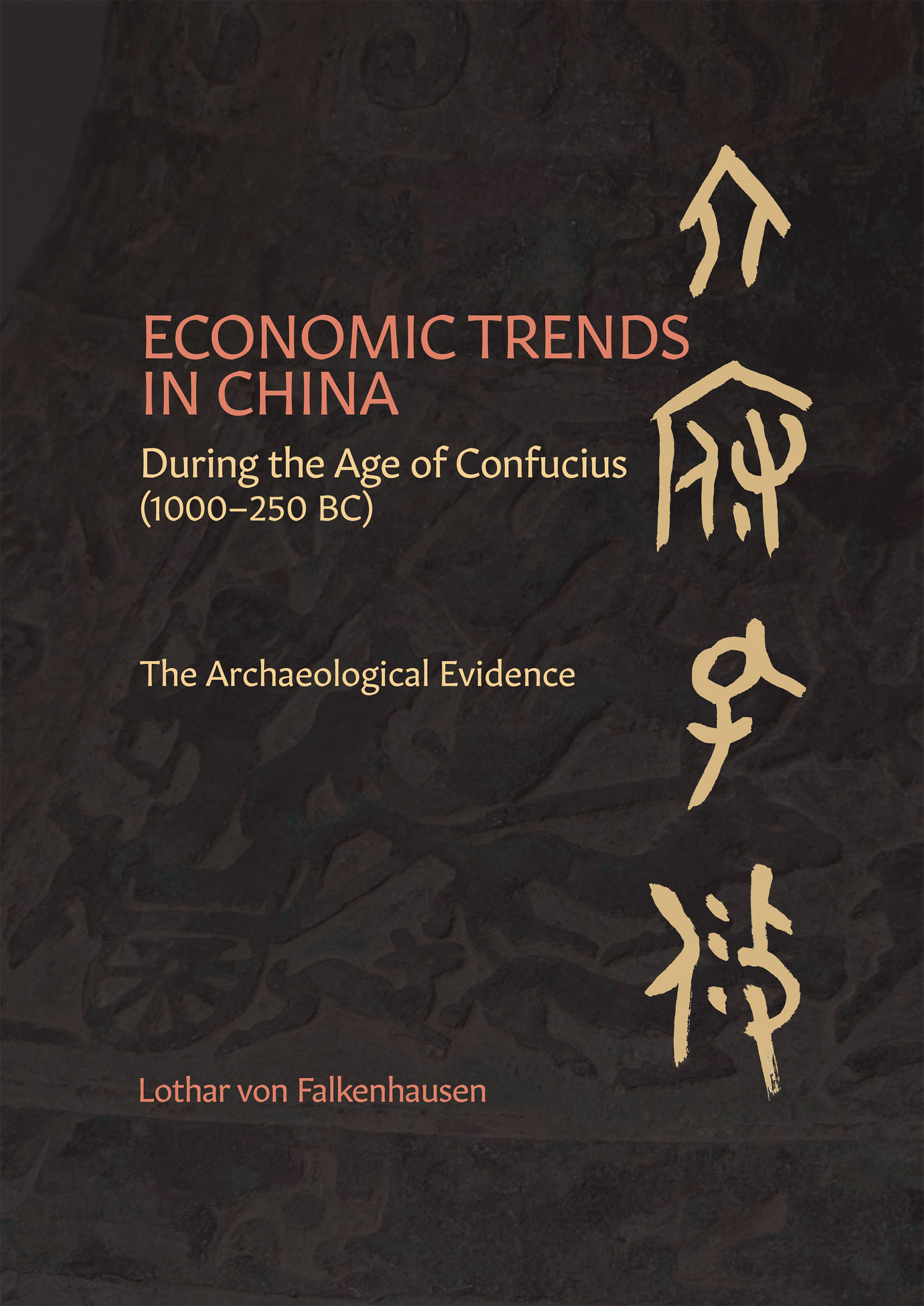 Economic Trends in China During the Age of Confucius (1000–250 BC)
The Archaeological Evidence
Volume 10