
Early Athens
Settlements and Cemeteries in the Submycenaean, Geometric and Archaic Periods
by Eirini M. Dimitriadou

Hardback (Published)
(March 2019)
ISBN: 9781938770159
8.46 x 10.94 inches
Price: $139.00
In stock
This volume is one of the most important works on ancient Athens in the last fifty years. The focus is on the early city, from the end of the Bronze Age–ca. 1200 BCE–to the Archaic period, when Athens became the largest city of the Classical period, only to be destroyed by the Persians in 480/479 BCE. From a systematic study of all the excavation reports and surveys in central Athens, the author has synthesized a detailed diachronic overview of the city from the Submycenaean period through the Archaic. It is a treasure trove of information for archaeologists who work in this period. Of great value as well are the detailed maps included, which present features of ancient settlements and cemeteries, the repositories of the human physical record. Over eighty additional large-scale, interactive maps are available online to complement the book.
- By (author) Eirini M. Dimitriadou
"Dimitriadou clearly shows that there is much Early Athens beyond the well-known sites of the Kerameikos and the Agora. She did the scholarly community a great service in drawing the attention to the wealth of data available." --Ronnberg, Maximilian F., University of Tubingen, Bryn Mawr Classical Review, 2019.10.48
—
Other Titles in this Series

 Humans and Landscapes of Catalhoyuk
Reports from the 2000-2008 Seasons: Catalhoyuk Research Project Volume 8
Volume 30
 Ancient Methone, 2003-2013
Excavations by Matthaios Bessios, Athena Athanassiadou, and Konstantinos Noulas
Volume 49
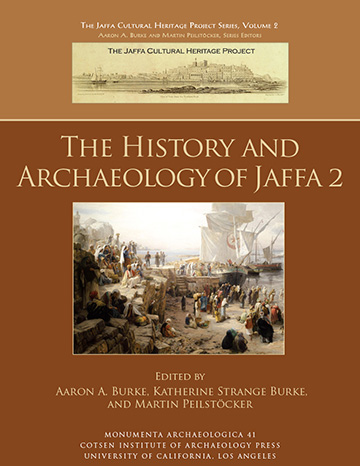
 Substantive Technologies at Catalhoyuk
Reports from the 2000-2008 Seasons: Catalhoyuk Research Project Volume 9
Volume 31
 Animals, Ancestors, and Ritual in Early Bronze Age Syria
An Elite Mortuary Complex from Umm el-Marra
Volume 50
 The Transition to Mycenaean
A stratified Middle Helladic II to Late Helladic IIA pottery sequence from Ayios Stephanos in Lakonia
Volume 4


 Integrating Catalhoyuk
Themes from the 2000-2008 Seasons: Catalhoyuk Research Project Volume 10
Volume 32


 Landscape History of Hadramawt
The Roots of Agriculture in Southern Arabia (RASA) Project 1998-2008
Volume 43

 Prehistoric Sitagroi
Excavations in Northeast Greece, 1968-1970. Volume 2: The Final Report.
Volume 20
 The Desert Fayum Reinvestigated
The Early to Mid-Holocene Landscape Archaeology of the Fayum North Shore, Egypt
Volume 39
Similar Books


 Caesar’s Visions and Impact on the Roman Empire
Revisiting the Archaeological and Historical Record of the 40s BC
Volume 2


 Etruscan and Roman Hellenistic Anatomical ex votos
Reassessing Popular Religious Expressions in Central Italy
Volume 8



 Invisible Labour in Antiquity
Visualizing Obscure Work in the Ancient Mediterannean and West Asia
Volume 1

 Late Antique villae in the Balkans (3rd–7th c. AD): Current Research Questions and Perspectives
HAEMUS Companion to the Late Antique Balkans 1
Volume 4
 Making and Meaning in the Bronze and Iron Ages
Chronology, Landscapes and Societies across Europe. Proceedings from the METALAGES2024 Colloquium (Florence, 23 October 2024)


 Portraying the Individual in the Roman East
Local–Imperial Entanglements in Sculpture, Mosaics, and Paintings (First–Fourth Centuries AD)
Volume 18


 Small Worlds and Relational Agencies: Local Societies in Early Medieval Iberia
Pequeños mundos y Agencias relacionales: Sociedades locales altomedievales en la Península Ibérica
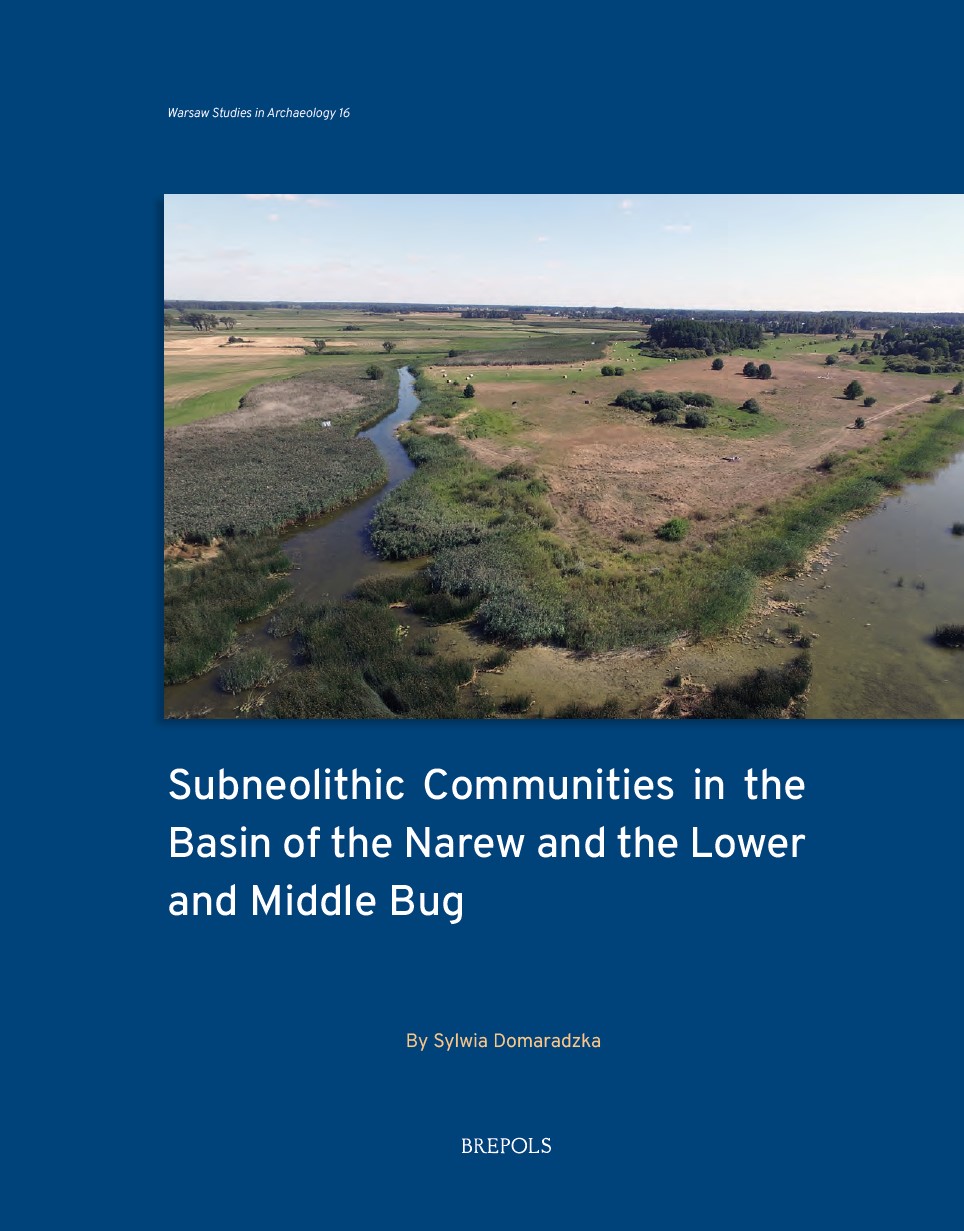


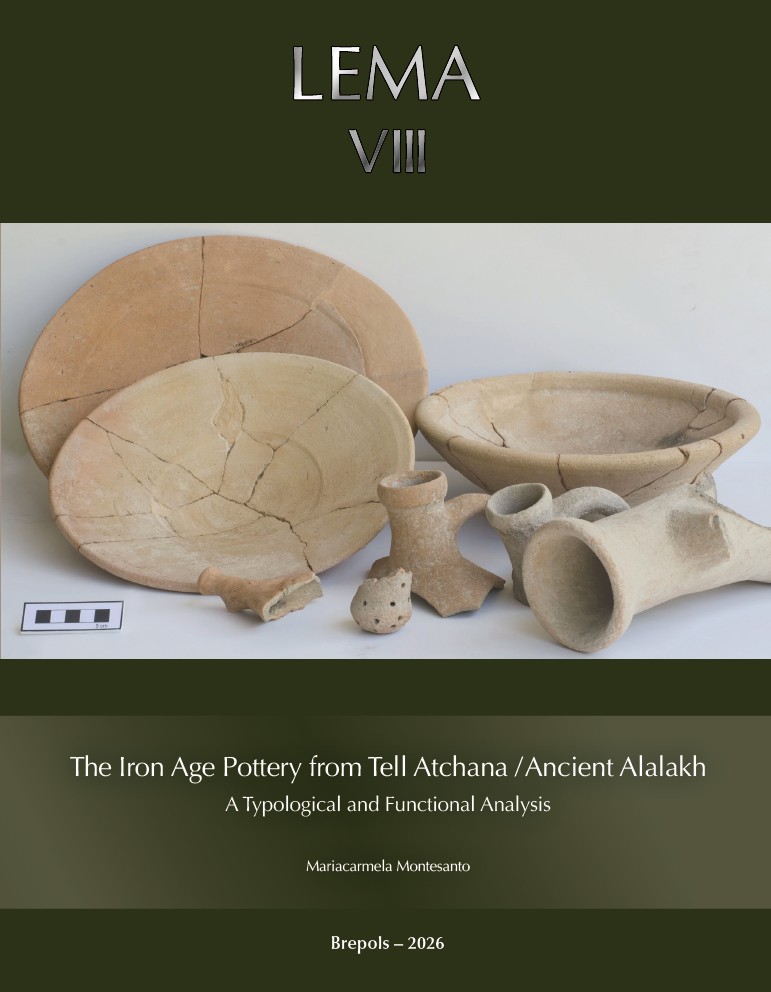 The Iron Age Pottery from Tell Atchana / Ancient Alalakh
A Typological and Functional Analysis
Volume 8
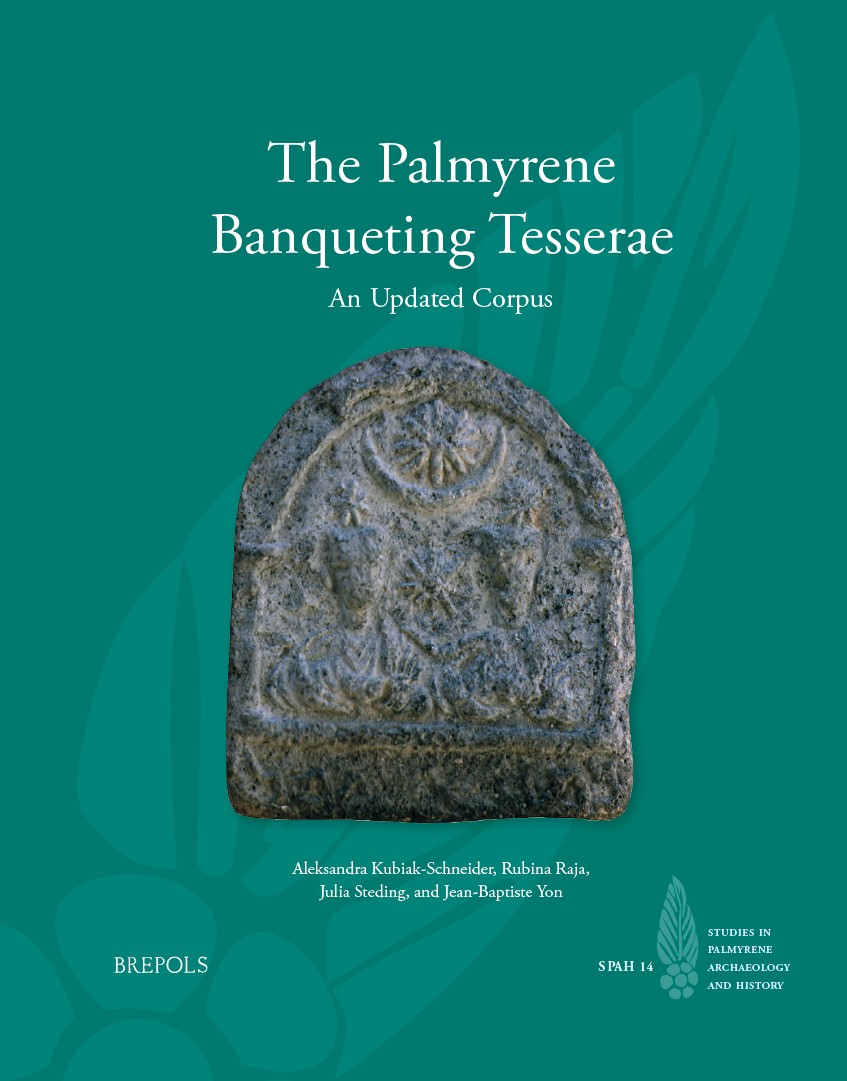

 Writing in the Church of the Nativity in Bethlehem
Inscription and Graffiti in a Multilingual and Multigraphic Perspective
Volume 45



 Atlante tematico di topografia antica 36-2026
Urbanistica e monumenti, porti, Roma. Ricerche sui monti Aurunci
Volume 36
 Cerámica común romana y ciclo haliéutico
Análisis de los contextos de las cetariae de Iulia Traducta

 Nuove scoperte e progressi nelle metodologie di rilievo e analisi dell’arte rupestre post-paleolitica in Italia
New discoveries and progress in the tracing and analysis methodologies of the post-Paleolithic rock art in Italy


