
Studies in Hittite Economic Administration
A New Edition of the Hittite Palace-Temple Administrative Corpus and Research on Allied Texts Found at Hattusa. Volume II: Text Editions and Philological Commentary
by James M. Burgin

Based on current archeological and anthropological research, it is suggested that the scope and contents of the preserved Hittite economic-administrative corpus are appropriate for an economic administration that was primarily designed to bind together a system of local, defensive agricultural programs through the influence of elites and communities with luxuries and religious endowments.
The Hittite Palace-Temple Administrative Corpus constitutes the bulk of the living economic-administrative documents found at the Hittite capital of Hattusa. Since the last edition of the corpus, the number of available texts and text fragments has nearly doubled, from 138 to 252. Nevertheless, the corpus remains exceptionally small compared to those of contemporary Bronze Age kingdoms. The texts are furthermore distinguished by an unexpected level of detail, length, and focus on durable goods, such as textiles, metals, and religious objects. Staple products, such as foodstuffs, grain, and livestock, are nearly absent. Volumes 1 + 2 of Studies in Hittite Economic Administration address the unusual features of the preserved Hittite economic-administrative corpus while providing a comprehensive new edition. Based on current archeological and anthropological research, it is suggested that the scope and contents of the corpus are appropriate for an economic administration that was primarily designed to bind together a system of local, defensive agricultural programs through the influence of elites and communities with luxuries and religious endowments. The texts are fully edited with analysis and commentary. An analytical glossary and lexical commentary on the numerous technical terms, rare words, and realia found in the texts are also provided. A case study comparing the wealth of one of the most important texts in corpus to other sources of wealth in the Hittite kingdom is conducted. Finally, the Hittite votive corpus is evaluated from an economic perspective to demonstrate that a significant portion of Hittite religious expenditure was financed by diplomatic income.
- By (author) James M Burgin
Other Titles in this Series

 Functional Differentiation in Hittite Festival Texts
An Analysis of the Old Manuscripts of the KI.LAM Great Assembly
Volume 65
 Liturgie oder Literatur?
Die Kultrituale der Hethiter im transkulturellen Vergleich. Akten eines Werkstattgesprachs an der Akademie der Wissenschaften und der Literatur. Mainz, 2.-3. Dezember 2010
Volume 60

 Two Festivals Celebrated by a Hittite Prince (CTH 647.I and II-III)
New Light on Local Cults in North-Central Anatolia in the Second Millennium BC
Volume 61
 Schicksalsbestimmende Kommunikation
Sprachliche, gesellschaftliche und religiose Aspekte hethitischer Fluch-, Segens- und Eidesformeln
Volume 52


 The Tablets and Their Scribes
The Palaeography of Hittite Cuneiform and Writing Practices in Hittite Anatolia. Proceedings of the Second International HFR Symposium, Mainz, 2–4 May 2024
Volume 73


 Studies in Hittite Economic Administration
A New Edition of the Hittite Palace-Temple Administrative Corpus and Research on Allied Texts Found at Hattusa. Volume I: Background, Corpus Overview, Case Studies, Lexical Commentary, and Glossary
Volume 70
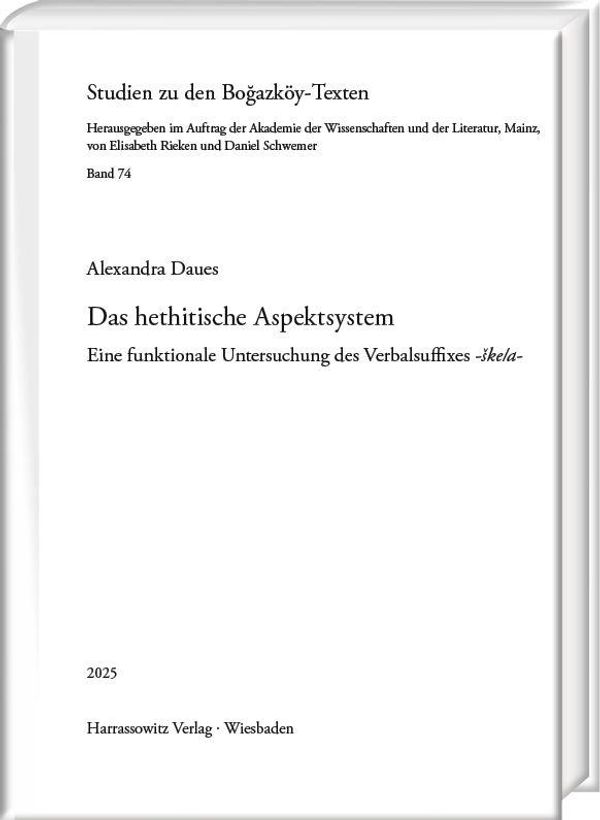


 Luwili
Hittite-Luwian Ritual Texts Attributed to Puriyanni, Kuwattalla and Silalluhi (CTH 758-763). Volume I: Edition and Commentary. Volume II: Discussion and Glossary
Volume 72

 Cult, Temple, Sacred Spaces
Cult Practices and Cult Spaces in Hittite Anatolia and Neighbouring Cultures. Proceedings of the First International HFR Symposium, Mainz, 3-5 June 2019
Volume 66

 At the Interface of Religion and Administration
The Hittite Cult Inventories: With a contribution by Adam Kryszen
Volume 68


Similar Books





 Connecting the Dots: Counting, Writing, and the Beginnings of Civilization
The Secret Lives of Clay Tokens: A Memoir


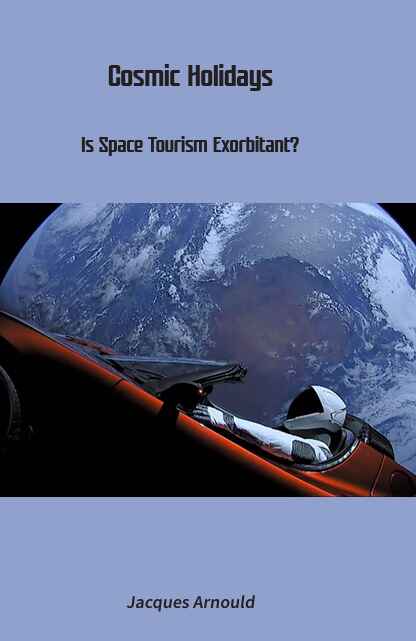
 Curating the Prehistoric Past
Studies on West Asian Archaeology and Beyond in Honour of Yoshihiro Nishiaki
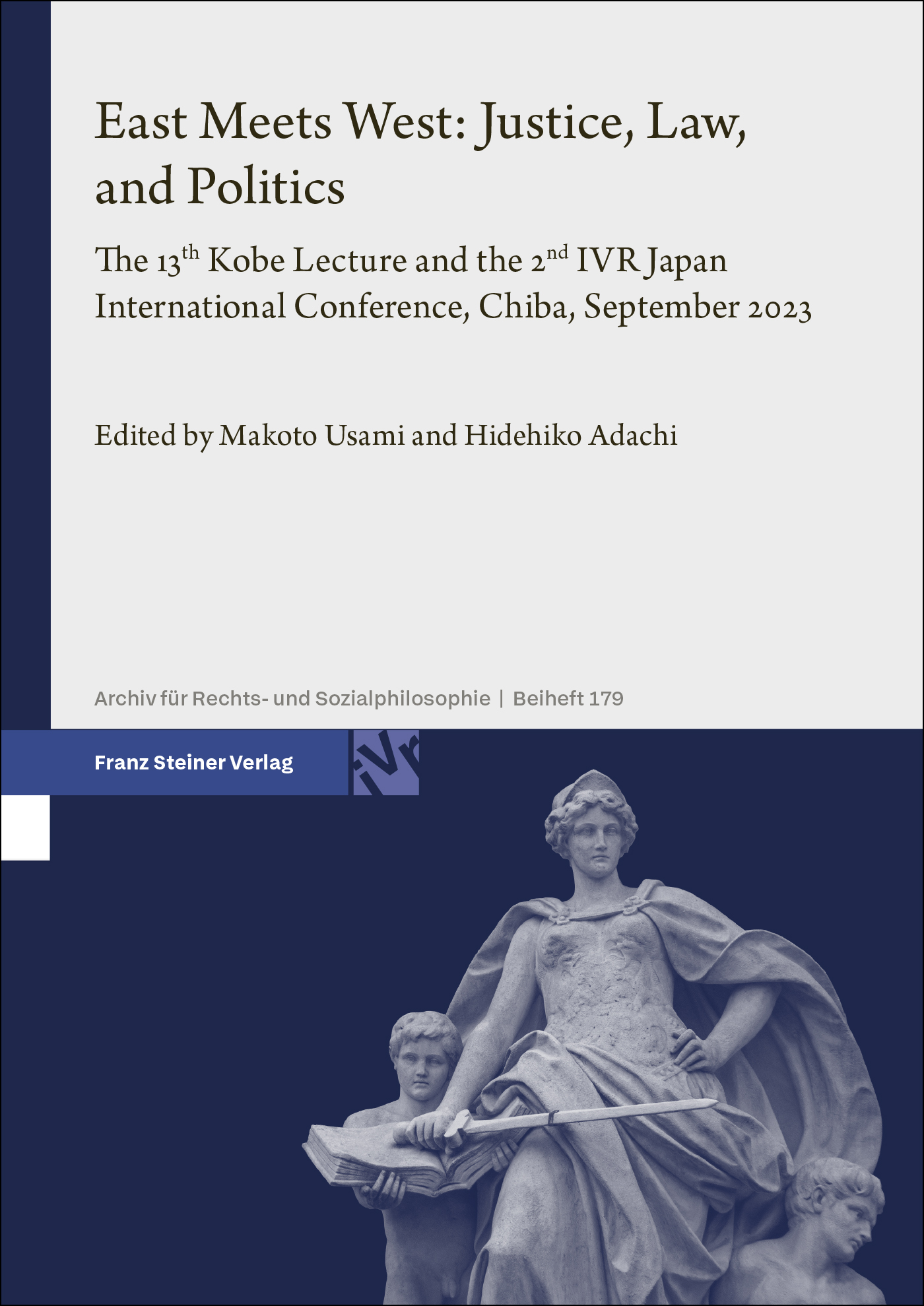 East Meets West: Justice, Law, and Politics
The 13th Kobe Lecture and the 2nd IVR Japan International Conference, Chiba, September 2023

 European Review of Service Economics and Management
De nouveaux horizons pour l’innovation dans les services ? IA, inclusion et responsabilité
Volume 21

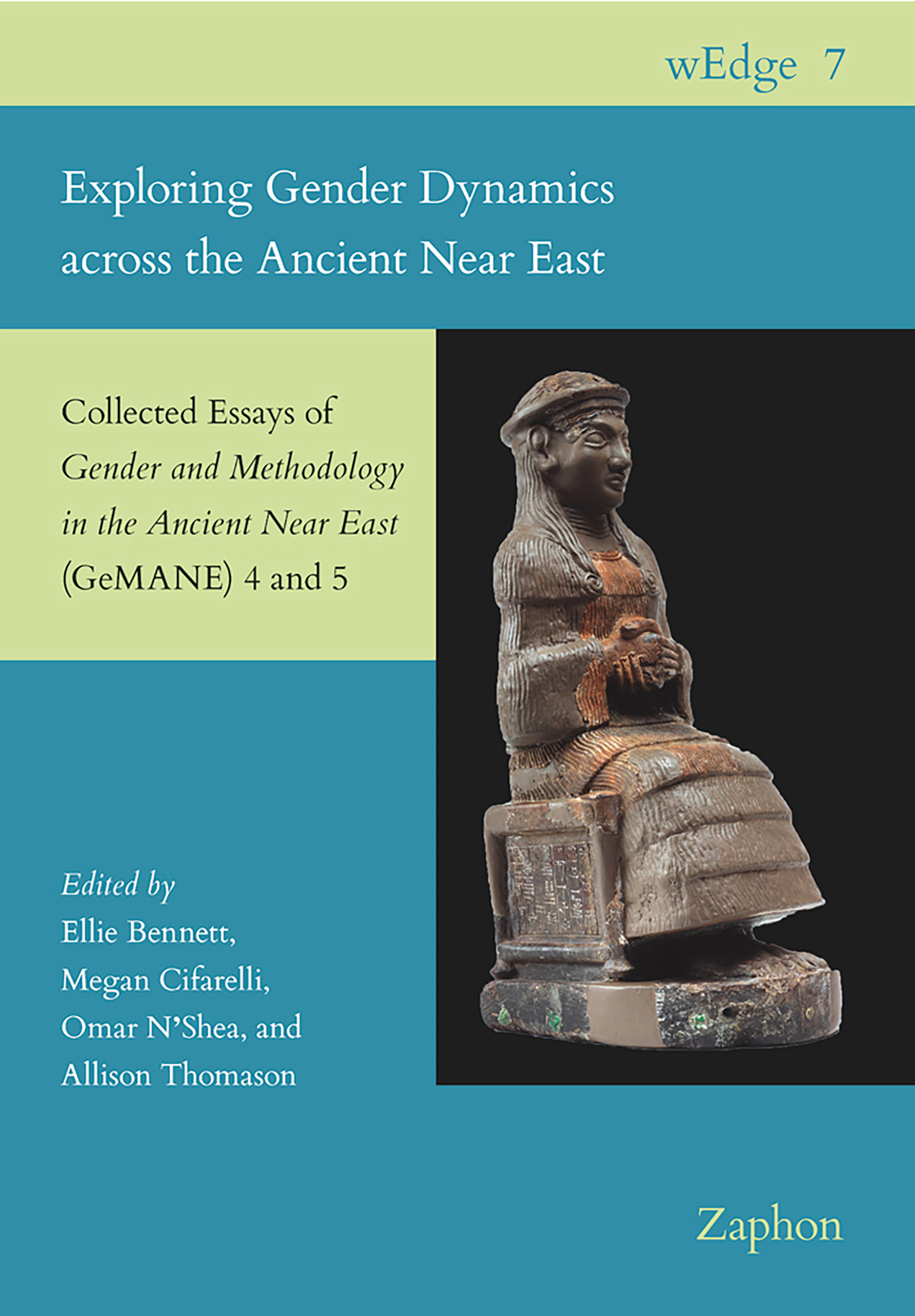 Exploring Gender Dynamics across the Ancient Near East
Collected Essays of Gender and Methodology in the Ancient Near East (GeMANE) 4 and 5
Volume 7
 False Friends in Comparative Law
Advantages and Risks of Legal Transplants in Civil Law – the Polish-German Perspective

 Friedlicher Handel oder umkämpfte Geschäfte?
Handel und Handelsrecht in der Vormoderne zwischen Krieg und Frieden


 Global Gulf
Geo-Economic, Geo-Political, and Geo-Technological Transformation in Saudi Arabia, the United Arab Emirates, and Qatar

 Ḫattušaš utnē išḫameški
Hittite and Other Ancient Near Eastern Studies Presented to Piotr Taracha on the Occasion of His 65th Birthday

 Invisible Labour in Antiquity
Visualizing Obscure Work in the Ancient Mediterannean and West Asia
Volume 1


 Kultur – Kontakt – Kultur
Beiträge anlässlich der 66. Rencontre Assyriologique Internationale in Frankfurt/Main und Mainz, 25.–29. Juli 2022
Volume 35

 Law, Economics, and Inequalities in the Welfare State
Proceedings of the Special Workshops held at the 31st World Congress of the International Association for Philosophy of Law and Social Philosophy in Seoul, Republic of Korea, 2024
 Legal Pluralism and the Tajik Experience of Xinjiang
Between Custom and the Chinese State: An Ethnographic Perspective
 Liturgia semper reformanda
Adaptations and accommodations in the liturgy in light of canon 838 of the Code of Canon Law

 Money of Mercenaries in the Cimmerian Bosporus
From the Mithridatic Wars to the Roman-Bosporan War of AD 45-49
Volume 45

 New Research on Old Collections in Southwest Asian Archaeology
Proceedings of the Workshop Held at the British Museum, London, 31 July – 2 August, 2023
