
Praise and Metonymy in the Psalms
A Cognitive-Semantic Study
by Travis J. Bott

Hardback (Published)
(March 2025)
ISBN: 9783525360941
6.06 x 9.09 inches
Price: $69.00
On back order
In this study, Travis Bott makes a fresh contribution to the understanding of Hebrew praise language in the Psalms. In addition, he devotes sustained attention to the neglected topic of metonymy in the Hebrew Bible. The theoretical framework for investigating both of these topics and exploring their interaction is cognitive semantics, a major branch of the cognitive movement in contemporary linguistics. Bott defines metonymy as a cognitive process in which one entity (the vehicle) provides mental access to another perceptually contiguous entity (the target). He also draws on recent theoretical developments, such as conceptual metaphor and metonymy, metonymy as a prototypical category, metonymy in lexical polysemy, and the interaction of metaphor and metonymy in expressions (metaphtonymy). A cognitive-semantic approach to the Psalms reveals that metonymy profoundly shapes the concepts and language of Hebrew praise. Bott considers metonymy at both the lexical and contextual levels. At the lexical level, he finds that the two most important nouns for praise in the Psalms, tehillah and todah, exhibit polysemy that is governed by conceptual metonymies. In addition, at the contextual level, he treats the objects and subjects of the four most common verbs for praise in the Psalms (hll, ydh, zmr, brk). He finds that conceptual metonymies drive figurative characterizations of YHWH, the preeminent object of praise, as well as the many praising subjects of Israel. Bott demonstrates that metonymy is both more common and more varied than scholars of the Hebrew Bible have previously supposed.
- By (author) Travis J Bott
Other Titles in this Series


 Jakob, der ambivalente Ahnherr Israels
Die Jakoberzählung auf dem Weg von der Volks- zur Völkergeschichte

 Paulus und die antike Welt
Beiträge zur zeit- und religionsgeschichtlichen Erforschung des paulinischen Christentums
 Die „Ich-Sphäre“ des Beters
Eine anthropologische Untersuchung zur Selbstreflexion des Beters am Beispiel von Ps 42/43

 Die Geschichte des Motivkomplexes Theophanie
Seine Elemente, Einbindung in Geschehensabläufe und Verwendungsweisen in altisraelitischer, frühjüdischer und frühchristlicher Literatur

 Macht und Weisheit
Untersuchungen zur politischen Anthropologie in den Erzählungen vom Absalomaufstand



 Anthropologische Aufbrüche
Alttestamentliche und interdisziplinäre Zugänge zur historischen Anthropologie
 Christologie und Ethik im Philipperbrief
Studien zur Handlungsorientierung einer frühchristlichen Gemeinde in paganer Umwelt

 Expanding Ezekiel
The Hermeneutics of Scribal Addition in the Ancient Text Witnesses of the Book of Ezekiel
 From Qumran to Aleppo
A Discussion with Emanuel Tov about the Textual History of Jewish Scriptures in Honor of his 65th Birthday



 Heiliges Land und Nähe Gottes
Wandlungen alttestamentlicher Landvorstellungen in frühjüdischen und neutestamentlichen Schriften

 The Meaning of the Letter of Aristeas
In light of biblical interpretation and grammatical tradition, and with reference to its historical context
Similar Books


 Apocrypha, Magic, Liturgy
The Multiple Identities of Coptic Prayers in Late Antique and Early Islamic Egypt
 Athanasius of Alexandria, Epistula ad episcopos Aegypti et Libyae
Old Slavonic Version and English Translation
Volume 261



 Contesting Labeled Identities
The Sociology of Gentilics in Biblical and Northwest Semitic Literature
 Cyril of Alexandria’s Christological Exegesis
Explorations of Partitive Exegesis in the Dialogues on the Trinity
Volume 70
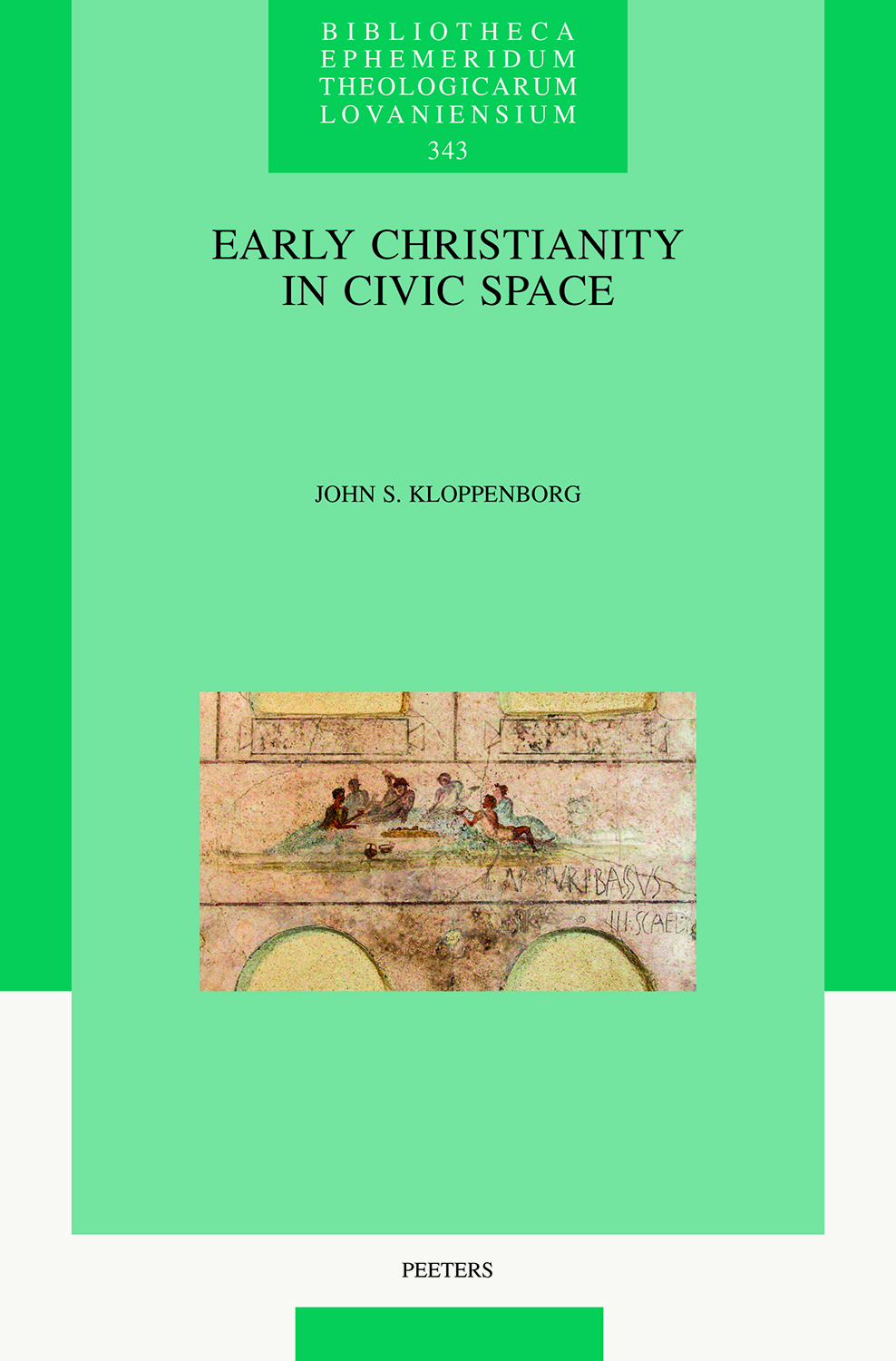

 Epiphanies of the Divine in the Septuagint and the New Testament
Fifth International Symposium of the Corpus Judaeo-Hellenisticum Novi Testamenti (CJHNT), 14-17 May 2015, Nottingham


 Extracanonical Traditions and the Holy Land
Texts, Rituals, and Material Culture in Late Antique Palestine
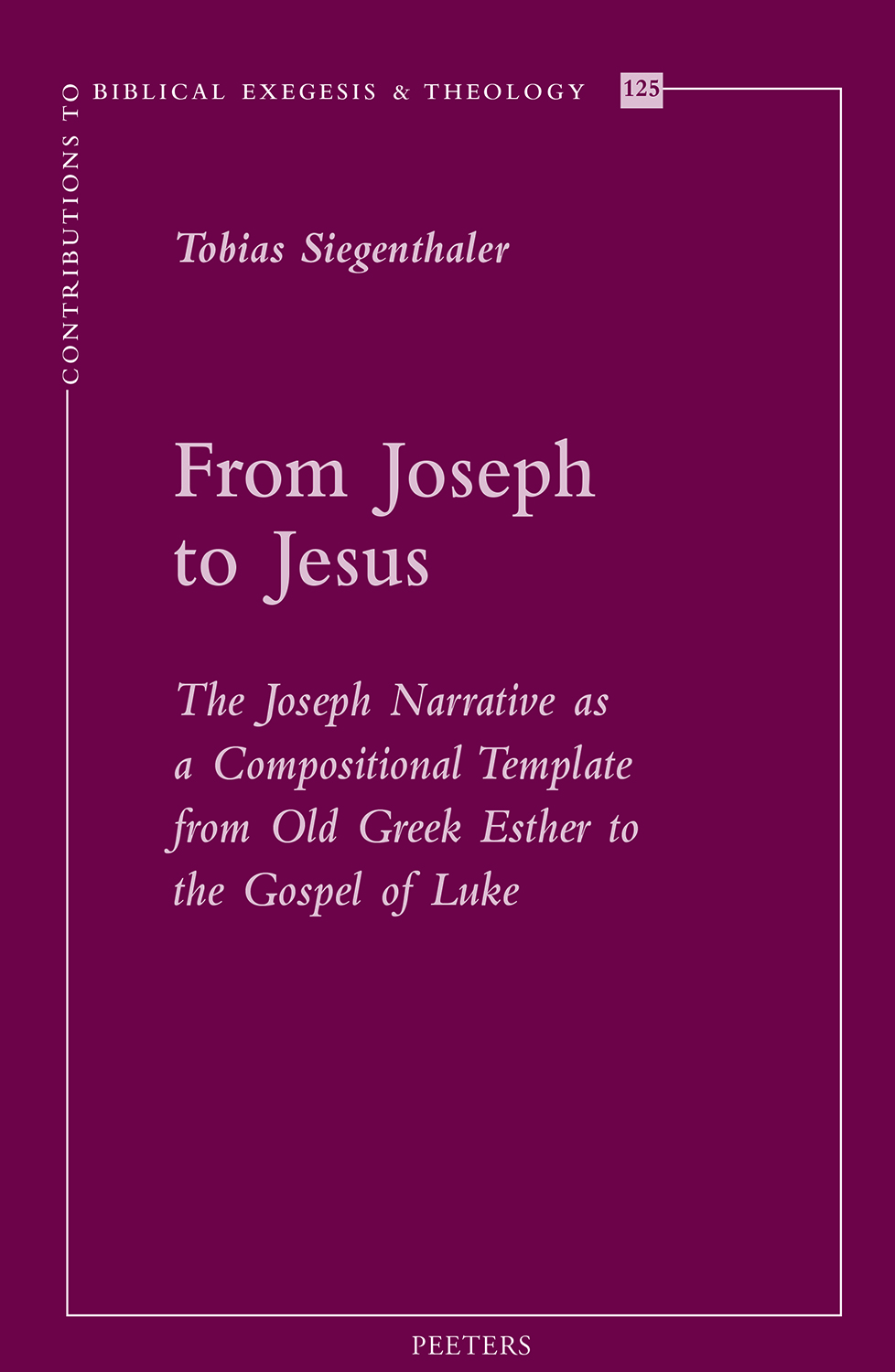 From Joseph to Jesus
The Joseph Narrative as a Compositional Template from Old Greek Esther to the Gospel of Luke
Volume 125





 Nicholas of Lyra’s Commentaries on the Gospels of Matthew and Luke
Franciscan Exegesis in a Time of Crisis
 Paradise Lost in Transmission
The Return to Eden in the Apocalypse of Peter within Its Ethiopic and Early Christian Contexts



 Punning in Odd or Elegant Constructions in Jeremiah
The Convergence of Linguistics, Rhetoric, and Textuality in the Hebrew Text of Jeremiah
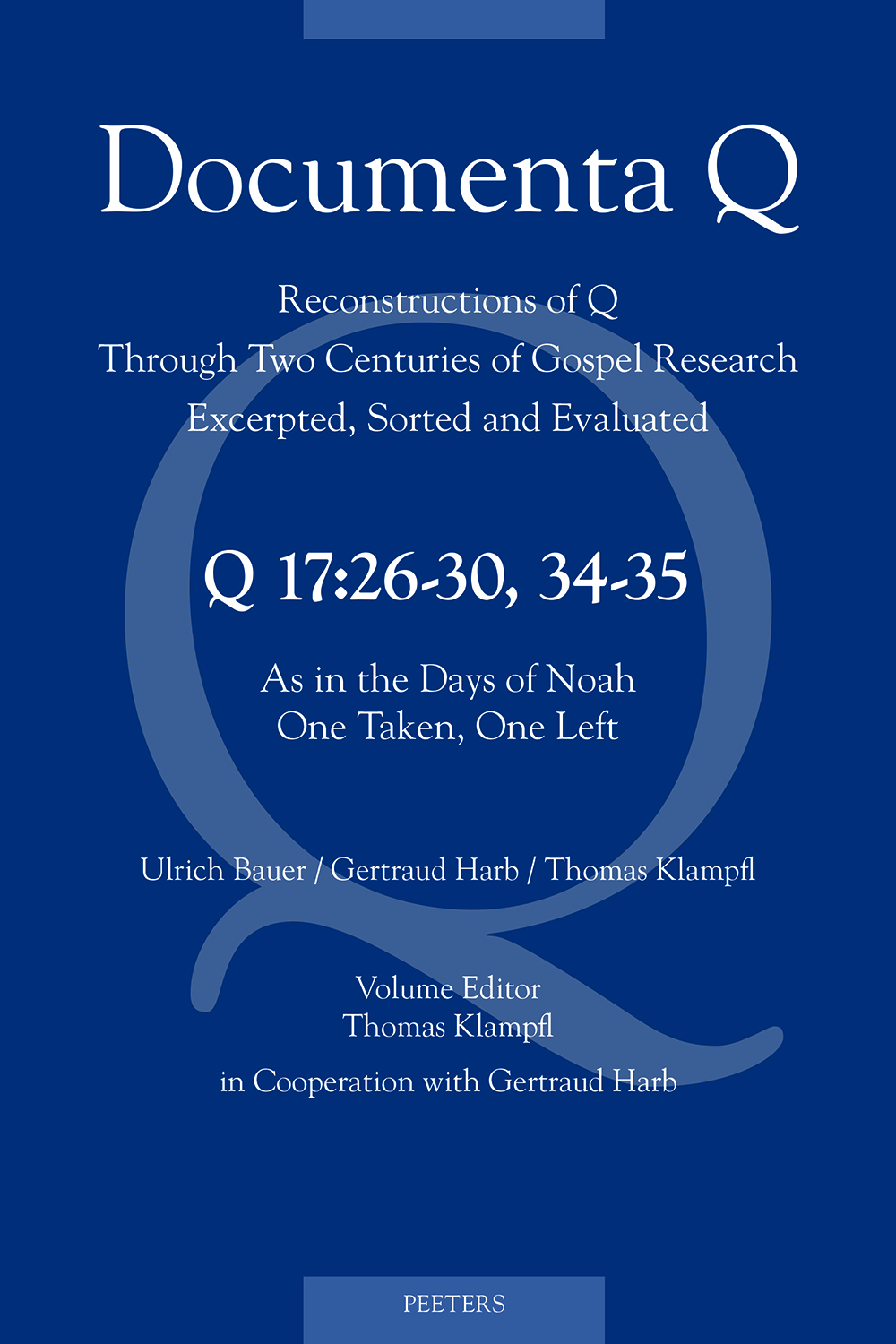

 Reformed Covenantal Eudaimonism
Wilhelmus à Brakel (1635–1711) on Highest Good, Virtue, and Law
Volume 87