Luxury and the Ethics of Greed in Early Modern Italy
Edited by Catherine Kovesi

This book unravels the complex interaction of the paradigms of luxury and greed which lie at the origins of modern consumption practices. In the Western world, the phenomenon of luxury and the ethical dilemmas it raised appeared, for the first time since antiquity, in early modern Italy. Here, luxury emerged as a core idea in the conceptualization of consumption. Simultaneously, greed–which manifested in new and unrestrained consumption practices–came under close ethical scrutiny. As the buying power of new classes gained pace, these paradigms evolved as they continued both to influence, and be influenced by, other emerging global cultures through the early modern period. After defining luxury and greed in their historical contexts, the volume’s chapters elucidate new consumptive goods, from chocolate to official robes of state; they examine how ideas about, and objects of, luxury and greed were disseminated through print, diplomacy, and gift-giving; and they reveal how even the most elite of consumers could fake their luxury objects. A group of international scholars from a range of disciplines thereby provide a new appraisal and vision of luxury and the ethics of greed in early modern Italy.
This book unravels the complex interaction of the paradigms of luxury and greed which lie at the origins of modern consumption practices. In the Western world, the phenomenon of luxury and the ethical dilemmas it raised appeared, for the first time since antiquity, in early modern Italy. Here, luxury emerged as a core idea in the conceptualization of consumption. Simultaneously, greed–which manifested in new and unrestrained consumption practices–came under close ethical scrutiny. As the buying power of new classes gained pace, these paradigms evolved as they continued both to influence, and be influenced by, other emerging global cultures through the early modern period. After defining luxury and greed in their historical contexts, the volume’s chapters elucidate new consumptive goods, from chocolate to official robes of state; they examine how ideas about, and objects of, luxury and greed were disseminated through print, diplomacy, and gift-giving; and they reveal how even the most elite of consumers could fake their luxury objects. A group of international scholars from a range of disciplines thereby provide a new appraisal and vision of luxury and the ethics of greed in early modern Italy.
- Edited by Catherine Kovesi
Other Titles in this Series

 Memories in Multi-Ethnic Societies
Cohesion in Multi-Ethnic Societies in Europe from c. 1000 to the Present, I
Volume 15

 Historiography and the Shaping of Regional Identity in Europe
Regions in Clio's Looking Glass
Volume 16
 Sociability and its Discontents
Civil Society, Social Capital, and their Alternatives in Late Medieval and Early Modern Europe
Volume 1


 Communicating the Passion
The Socio-Religious Function of an Emotional Narrative (1250-1530)
Volume 21


 Rhetoric, Persuasion, and Teaching the Emotions in the Early Modern English Sermon, 1600-1642
Volume 23


 Inter-Ethnic Relations and the Functioning of Multi-Ethnic Societies
Cohesion in Multi-Ethnic Societies in Europe from c. 1000 to the Present, II
Volume 18
 Republicanism, Sinophilia, and Historical Writing
Thomas Gordon (c.1691-1750) and his 'History of England'
Volume 4
 Legal Norms and Political Action in Multi-Ethnic Societies
Cohesion in Multi-Ethnic Societies in Europe from c. 1000 to the Present, III
Volume 20


Similar Books


 Balthasar Caymox of Nuremberg
Early Modern German Print Publishers: Popular Prints of the Seventeenth Century
 Beyond Sovereign Courts
Agents and Practices in Early Modern Spanish and Habsburg Diplomacy
Volume 3

 Circulation, Use, Impact
The Consumption of Architectural Books in the Early Modern Eastern Adriatic
Volume 1


 Councils, Conflicts, Correspondence
Urban Diplomacy in Reval (Tallinn) and Lübeck (c. 1470–1570)
Volume 67


 Friedlicher Handel oder umkämpfte Geschäfte?
Handel und Handelsrecht in der Vormoderne zwischen Krieg und Frieden

 Global Gulf
Geo-Economic, Geo-Political, and Geo-Technological Transformation in Saudi Arabia, the United Arab Emirates, and Qatar


 Innovationes Lovanienses: Arts, Law and Theology at the University of Louvain (1425–1797)
Studium Lovaniense: Learning across Borders, 2
Volume 18
 Invisible Labour in Antiquity
Visualizing Obscure Work in the Ancient Mediterannean and West Asia
Volume 1

 Legal Visuality
Exegesis, Ambiguity, and Dissimulation of the Donation of Constantine in the Early Modern Period

 Naples as Laboratory / Laboratorium Neapel
Style Options, Artistic Rivalry and Self Fashioning in Neapolitan Baroque Painting / Plurale Stilbildung, Kunstlerkonkurrenz und Self Fashioning in der neapolitanischen Barockmalerei
 Power and Women in Southeast and Central Europe in Late Medieval and Early Modern Period (1300-1600)
Volume 10


 Socio-économie du travail
La dégradation du travail au XXIe siècle ? Lectures contemporaines de Harry Braverman
Volume 17
 Socio-économie du travail
Le sens du travail, concept scientifique ou instrument du capitalisme ? Volume 1
Volume 18

 Staging the Spectacle of Majesty
Ceremonial, Courtly Space, and Collecting under the Spanish Habsburgs
Volume 9
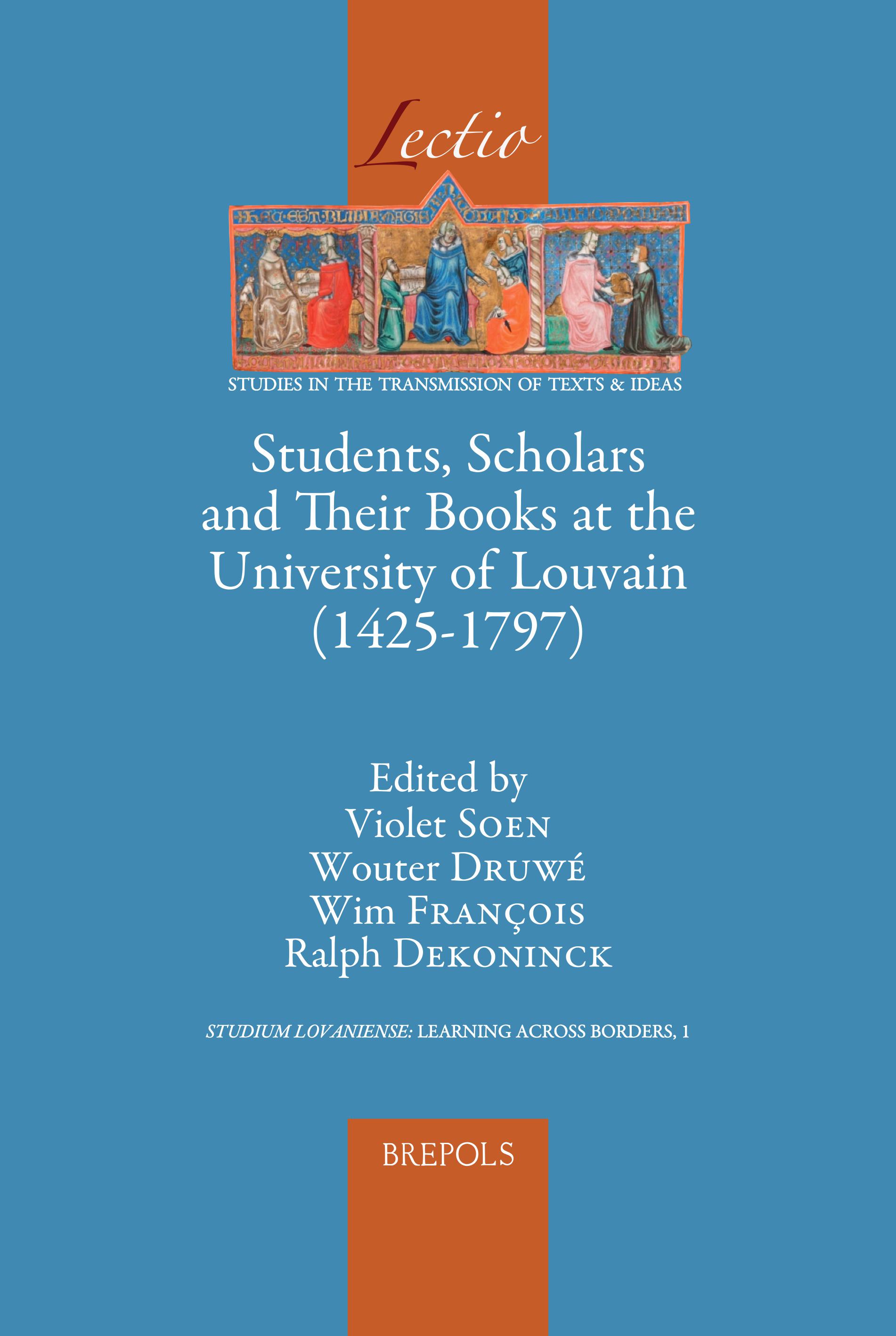 Students, Scholars and Their Books at the University of Louvain (1425-1797)
Studium Lovaniense: Learning across Borders, 1
Volume 17


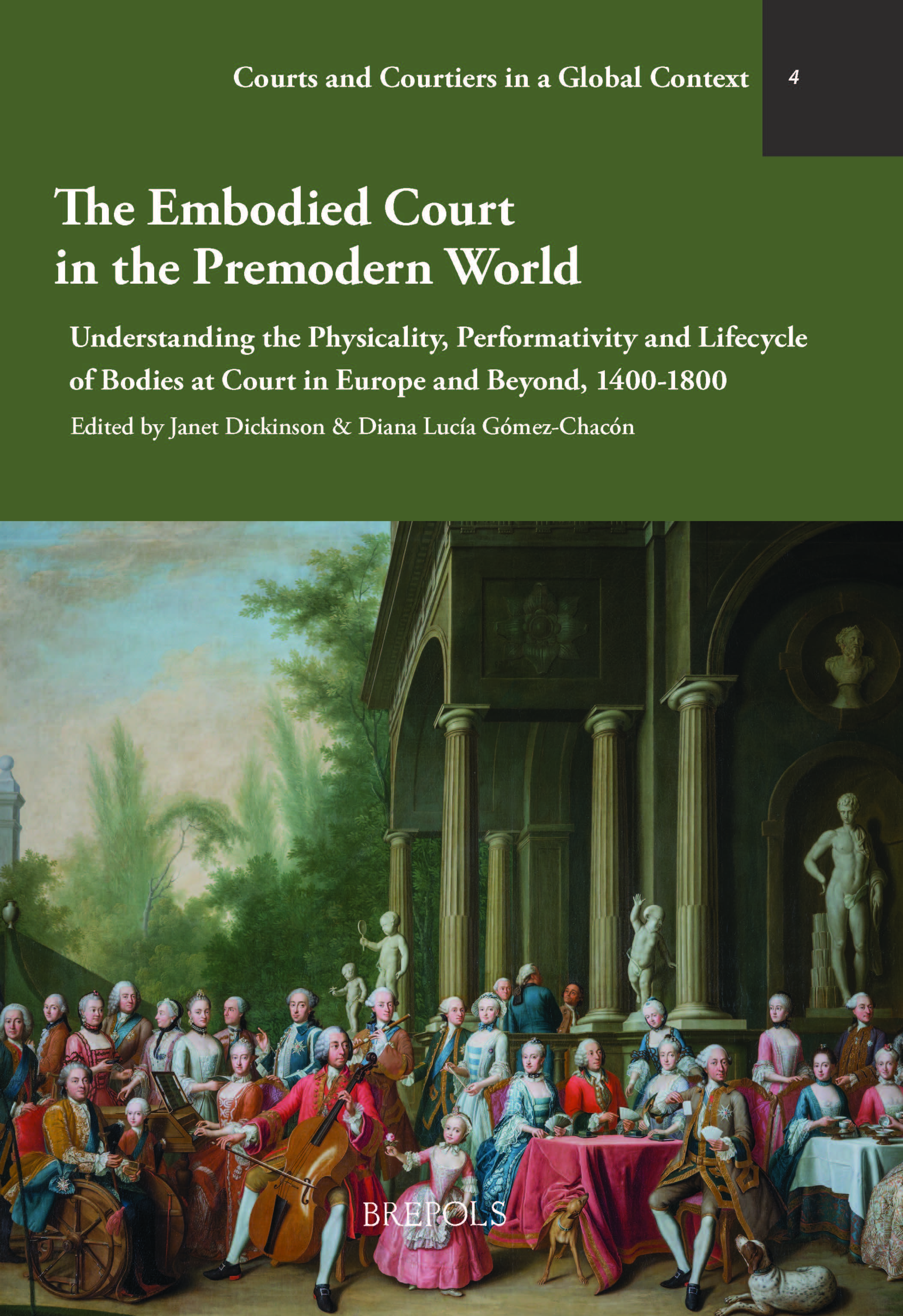 The Embodied Court in the Premodern World
Understanding the Physicality, Performativity and Lifecycle of Bodies at Court in Europe and Beyond, 1400-1800
Volume 4

 The Sacred and the Secular in Renaissance Florence
Vallombrosan Exorcisms and the Rise of Observant Mendicancy
Volume 31