
Forms of Servitude in Northern and Central Europe
Decline, Resistance, and Expansion
Edited by Paul Freedman Edited by Monique Bourin

In the nineteenth and early-twentieth century it was assumed that nearly all agricultural labourers in medieval Europe were serfs. Serfdom was distinct from slavery in that serfs were recognized as something more than chattels. They could contract legitimate marriages, hold personal property and they could not be moved around at will. The fact that serfs were in many regions a minority of the peasant population, and the increasing importance given to social and economic circumstances over legal definitions led historians to move away from examining servile condition and its implications during much of the late twentieth century. Attention has instead focused on the seigneurial regime and village society with little regard for the influence of status. In the Middle Ages and indeed in all pre-industrial societies, the vast majority of the population tilled the land. We are still not in a good position to evaluate how noble and ecclesiastical landlords received revenues from lands they were only indirectly engaged in farming, thus there are important gaps in our knowledge of the basic factors that governed medieval society. What kind of agricultural system provided the impetus for economic growth that so dramatically increased the number of cities and volume of trade? There is no modern, synthetic book on medieval serfdom that compares regions or draws general conclusions about it. This work attempts such a synthesis and also shows avenues of future research, but most importantly it is intended to reorient attention to the importance of serfdom in the structure of medieval society.
Robert I. Burns, S.J., Ph.D. (Johns Hopkins University), Doc. es Sc. Hist. (Fribourg University, Switzerland), was Professor Emeritus of History at UCLA and Director of the Institute of Medieval Mediterranean Spain. He was an elected Fellow of the Medieval Academy of America, and of the Hispanic Society of America, and a Guggenheim Fellow. His distinctions include the Haskins gold medal of the Medieval Academy of America, seven national book awards, eight honorary doctorates, and the Order of the Cross of St George.
- Edited by Paul Freedman
- Edited by Monique Bourin
Other Titles in this Series
 Learning and Understanding in the Old Norse World
Essays in Honour of Margaret Clunies Ross
Volume 18

 The Playful Middle Ages
Meanings of Play and Plays of Meaning: Essays in Memory of Elaine C. Block
Volume 23
 Crossroads of Cultures
Multilingual Diversity in Dutch Literature from Late Medieval Flanders
Volume 41


 Survival and Success on Medieval Borders
Cistercian Houses in Medieval Scotland and Pomerania from the Twelfth to the Late Fourteenth Century
Volume 24
 Essays in Manuscript Geography
Vernacular Manuscripts of the English West Midlands from the Conquest to the Sixteenth Century
Volume 10
 Celts, Gaels, and Britons
Studies in Language and Literature from Antiquity to the Middle Ages in Honour of Patrick Sims-Williams
Volume 35
 Parisian Confraternity Drama of the Fourteenth Century
The 'Miracles de Nostre Dame par personnages'
Volume 22

 Multi-Disciplinary Approaches to Medieval Brittany, 450-1200
Connections and Disconnections
Volume 36


 The Social Life of Illumination
Manuscripts, Images, and Communities in the Late Middle Ages
Volume 21


 Writing and Reading in Medieval Manuscript Culture
The Translation and Transmission of the Story of Elye in Old French and Old Norse Literary Contexts
Volume 25


 Grant risee?
The Medieval Comic Presence / La Presence comique medievale: Essays in Memory of Brian J. Levy
Volume 11

Similar Books


 Innovation and Medieval Communities
The Circulation of Ideas and Practices in and out of the Town (1200-1500)
Volume 63

 Medieval Debates on Foreknowledge: Future Contingents, Prophecy, and Divination
Acts of the XXVII Annual Colloquium of the SIEPM, Trento 12-15 September 2023
Volume 31

 Medieval Yeghegis, Armenia
History, Archaeology, Society. Local Multiplicities and Global Connections of a Rural Centre on the Silk Road(s)

 Nicholas of Lyra’s Commentaries on the Gospels of Matthew and Luke
Franciscan Exegesis in a Time of Crisis
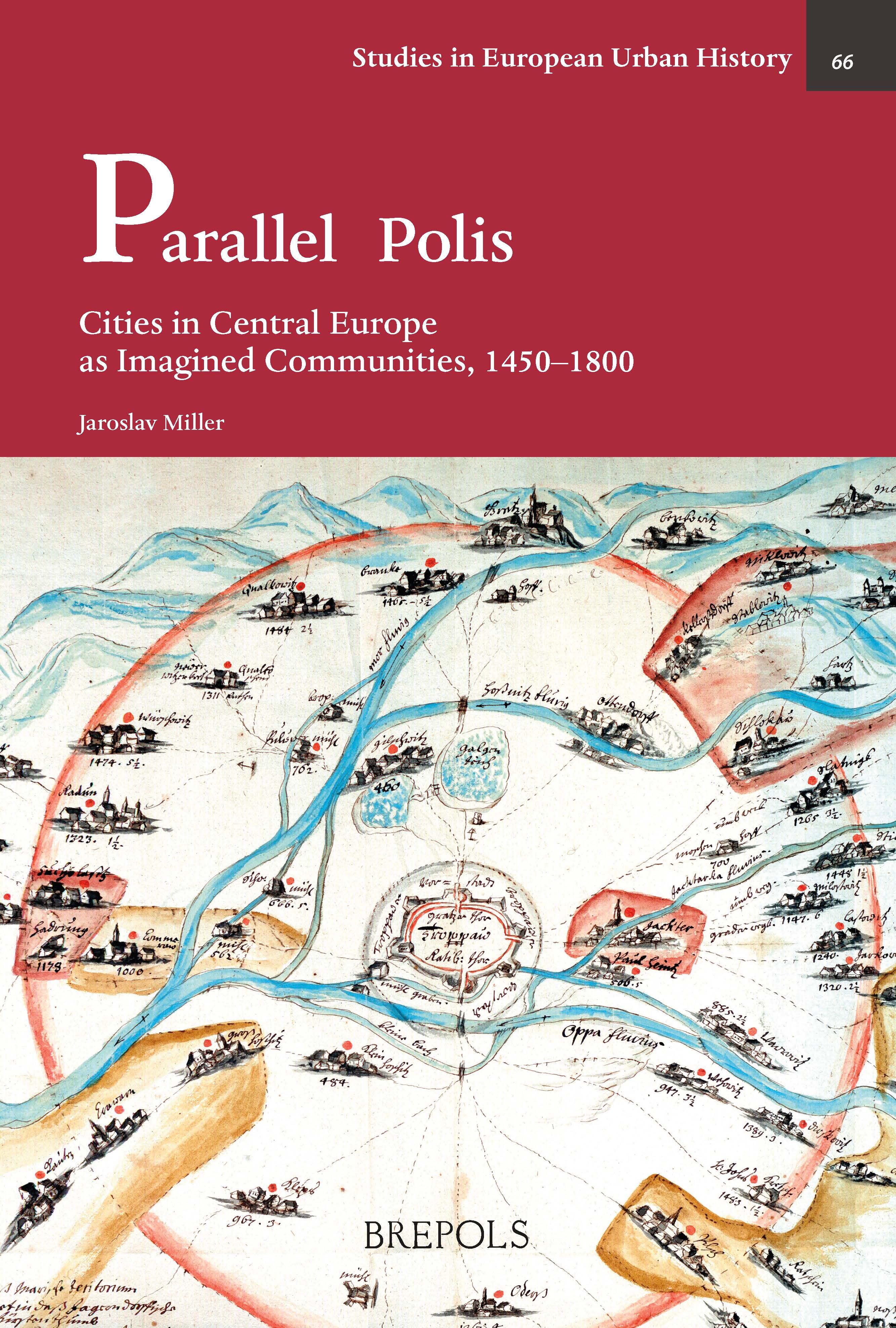


 Power and Women in Southeast and Central Europe in Late Medieval and Early Modern Period (1300-1600)
Volume 10

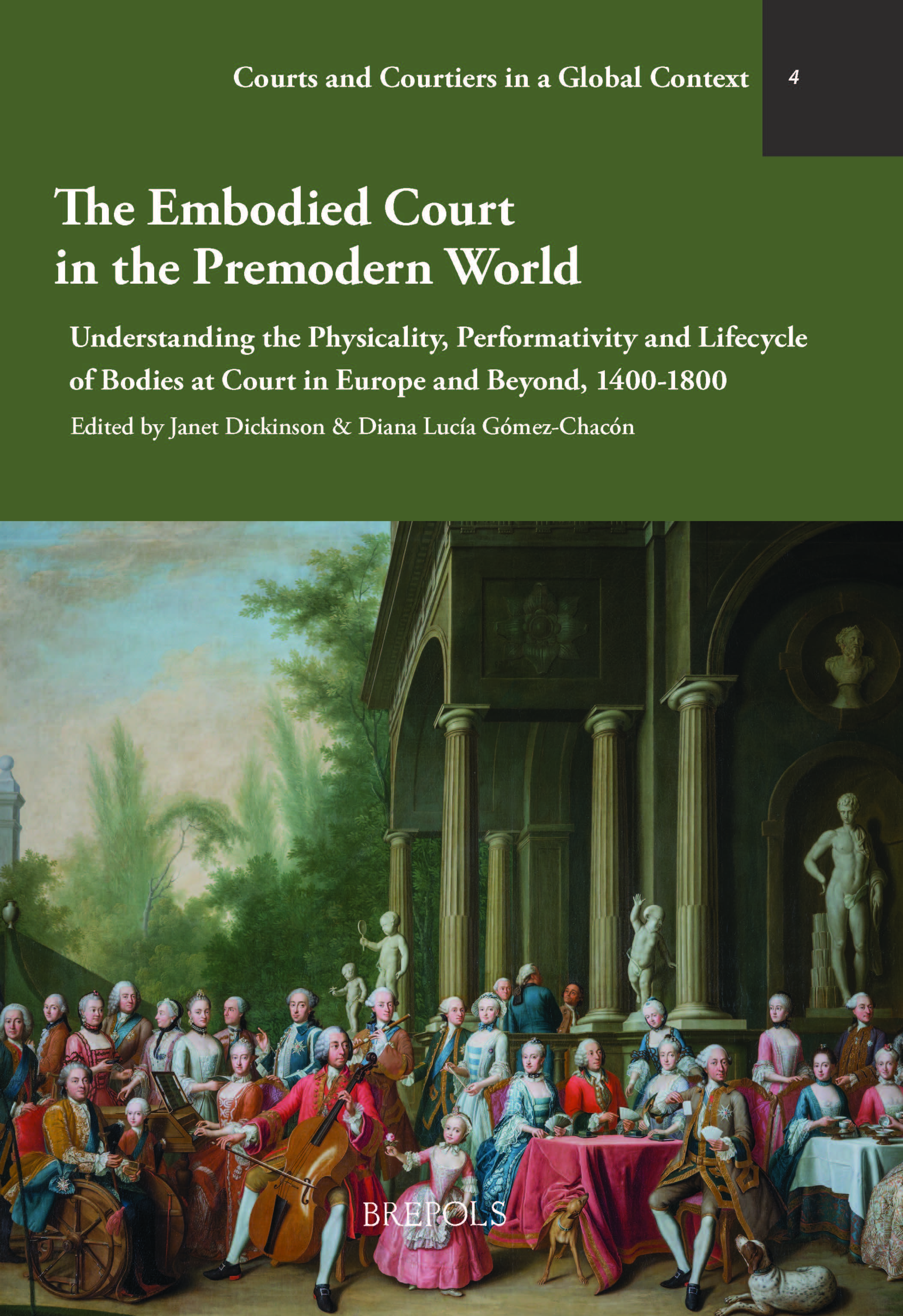 The Embodied Court in the Premodern World
Understanding the Physicality, Performativity and Lifecycle of Bodies at Court in Europe and Beyond, 1400-1800
Volume 4



 Women in Late Antiquity and the Early Middle Ages
Studies from Western Europe and North Africa
Volume 44
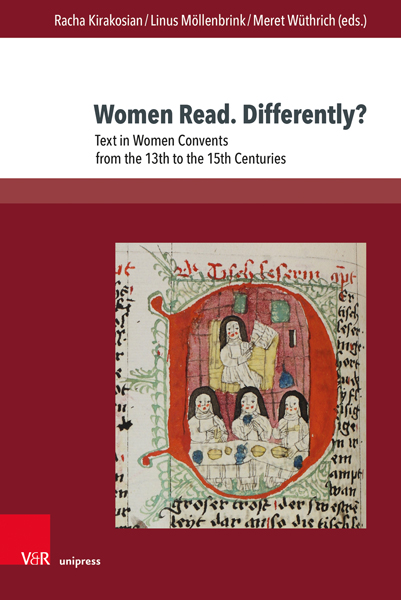
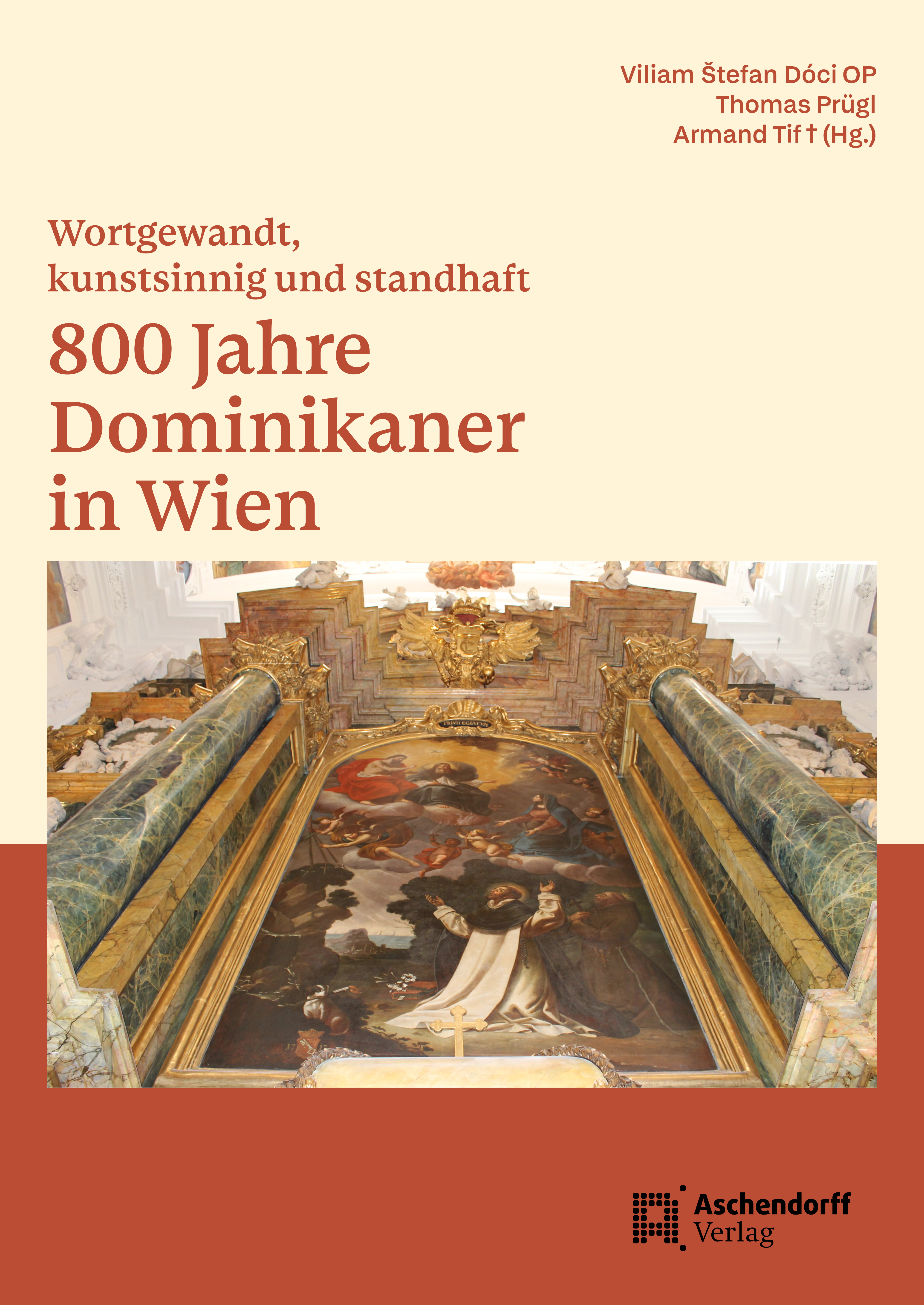
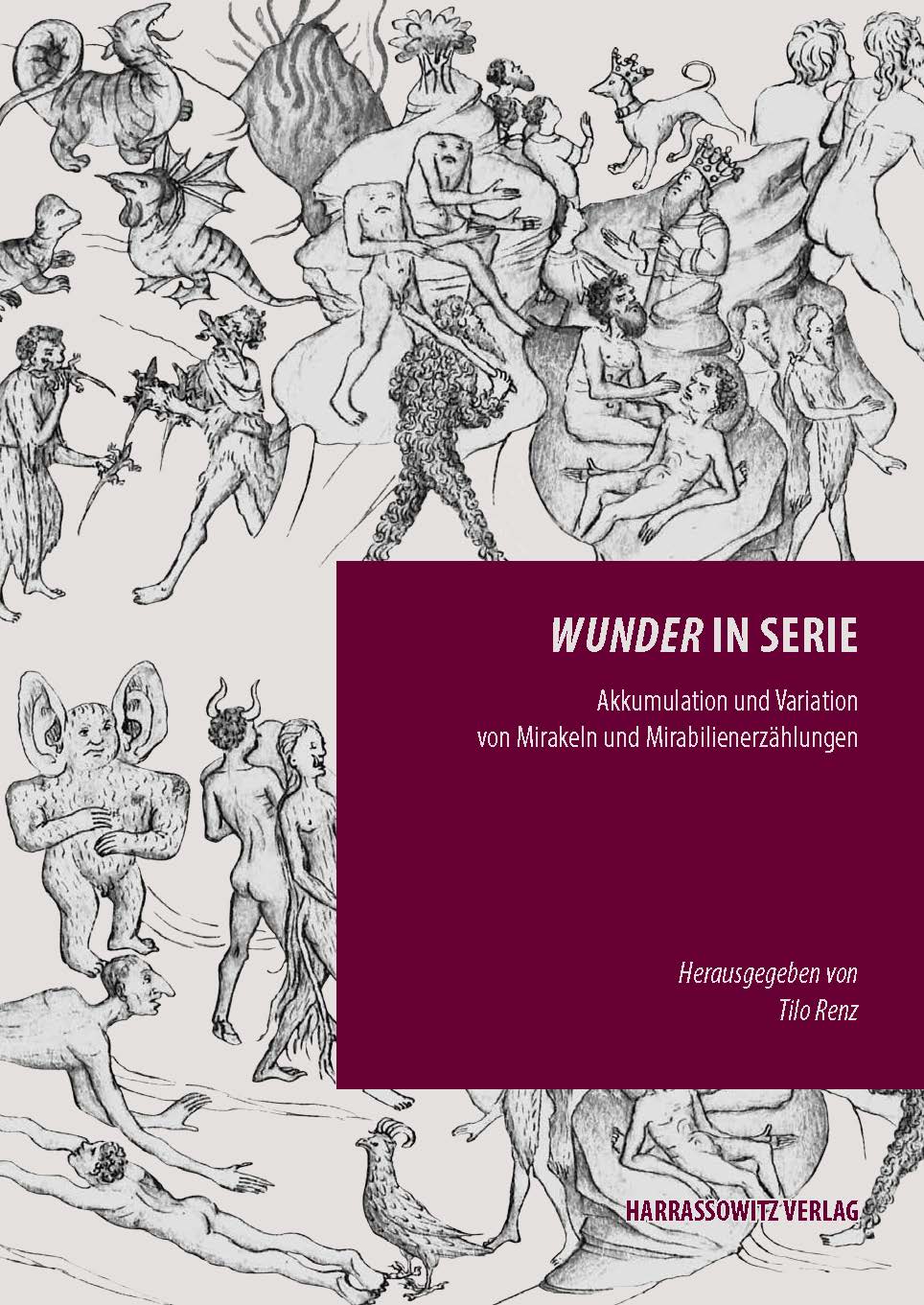 wunder in Serie


 Medialisierung des Ephemeren
Dimensionen des Akustischen in Texten, Bildern und Artefakten des Mittelalters
 Un fascicolo di prediche pistoiesi del 1233. (Pistoia, Archivio Capitolare, C.112)
A cura di Gilda P. Mantovani, Marco Petoletti e Riccardo Saccenti
Volume 556


 Building the Presence of the Prince
The Institutions Responsible for the Construction and Management of the Buildings of European Courts (14th-17th centuries)
Volume 14