
The Narrator, the Expositor, and the Prompter in European Medieval Theatre
Edited by Philip Butterworth

Interest in the content of this book has developed out of an examination of the prompter who operated in full view of the audience and offered all the lines to the players. In 2001 at Groningen a production of the Towneley Second Shepherds’ Play focused on an examination of this convention. Many of the audience responses then were concerned with the figure of the prompter as he was seen to operate simultaneously both ‘inside’ and ‘outside’ the action of the play. Such a role and its function is fascinating, not only in its own right, but also in relation to how it might inform us about the nature and purpose of presented theatre. The ability of such a figure to move in and out of the action, and thus different realities, characterizes a relationship to the action and the audience. The same fascination exists in relation to roles of the narrator and the expositor. Sometimes these roles are overt ones; sometimes they ‘double up’ with roles of actors, personages or characters. These figures are of pivotal significance in the communication of those plays in which they operate. The purpose of this book is to investigate the nature of these roles in order to identify their influence upon the performance of medieval plays.
Interest in the content of this book has developed out of an examination of the prompter who operated in full view of the audience and offered all the lines to the players. In 2001 at Groningen a production of the Towneley Second Shepherds’ Play focused on an examination of this convention. Many of the audience responses then were concerned with the figure of the prompter as he was seen to operate simultaneously both ‘inside’ and ‘outside’ the action of the play. Such a role and its function is fascinating, not only in its own right, but also in relation to how it might inform us about the nature and purpose of presented theatre. The ability of such a figure to move in and out of the action, and thus different realities, characterizes a relationship to the action and the audience. The same fascination exists in relation to roles of the narrator and the expositor. Sometimes these roles are overt ones; sometimes they ‘double up’ with roles of actors, personages or characters. These figures are of pivotal significance in the communication of those plays in which they operate. The purpose of this book is to investigate the nature of these roles in order to identify their influence upon the performance of medieval plays.
- Edited by Philip Butterworth
Other Titles in this Series


 Grant risee?
The Medieval Comic Presence / La Presence comique medievale: Essays in Memory of Brian J. Levy
Volume 11

 Historical Narratives and Christian Identity on a European Periphery
Early History Writing in Northern, East-Central, and Eastern Europe (c.1070-1200)
Volume 26


 The Playful Middle Ages
Meanings of Play and Plays of Meaning: Essays in Memory of Elaine C. Block
Volume 23
 Crossroads of Cultures
Multilingual Diversity in Dutch Literature from Late Medieval Flanders
Volume 41
 Learning and Understanding in the Old Norse World
Essays in Honour of Margaret Clunies Ross
Volume 18

 Survival and Success on Medieval Borders
Cistercian Houses in Medieval Scotland and Pomerania from the Twelfth to the Late Fourteenth Century
Volume 24
 Essays in Manuscript Geography
Vernacular Manuscripts of the English West Midlands from the Conquest to the Sixteenth Century
Volume 10
 Celts, Gaels, and Britons
Studies in Language and Literature from Antiquity to the Middle Ages in Honour of Patrick Sims-Williams
Volume 35
 Parisian Confraternity Drama of the Fourteenth Century
The 'Miracles de Nostre Dame par personnages'
Volume 22

 Multi-Disciplinary Approaches to Medieval Brittany, 450-1200
Connections and Disconnections
Volume 36


Similar Books
 A Collaborative Tapestry in Honour of Shirley Ann Brown / Une fresque brodée en l’honneur de Shirley Ann Brown
The Bayeux Tapestry Seen by her Colleagues and Friends / La Tapisserie de Bayeux vue par ses collègues et amis

 Behind the Scenes of Medieval Roofs
An Overview of the Roofing Systems of Italian Churches
Volume 90








 Innovation and Medieval Communities
The Circulation of Ideas and Practices in and out of the Town (1200-1500)
Volume 63
 John Dunstaple Reading Boethius
John Dunstaple’s Annotations to Boethius’s “De institutione musica” in the Manuscript Oxford, Corpus Christi College Library, MS 118
 Linguistic and Cultural Dynamics in a Frontier Society
New Perspectives on Northeastern Bavaria and Western Bohemia in the Early Middle Ages
Volume 9

 Medieval Debates on Foreknowledge: Future Contingents, Prophecy, and Divination
Acts of the XXVII Annual Colloquium of the SIEPM, Trento 12-15 September 2023
Volume 31
 Medieval Yeghegis, Armenia
History, Archaeology, Society. Local Multiplicities and Global Connections of a Rural Centre on the Silk Road(s)

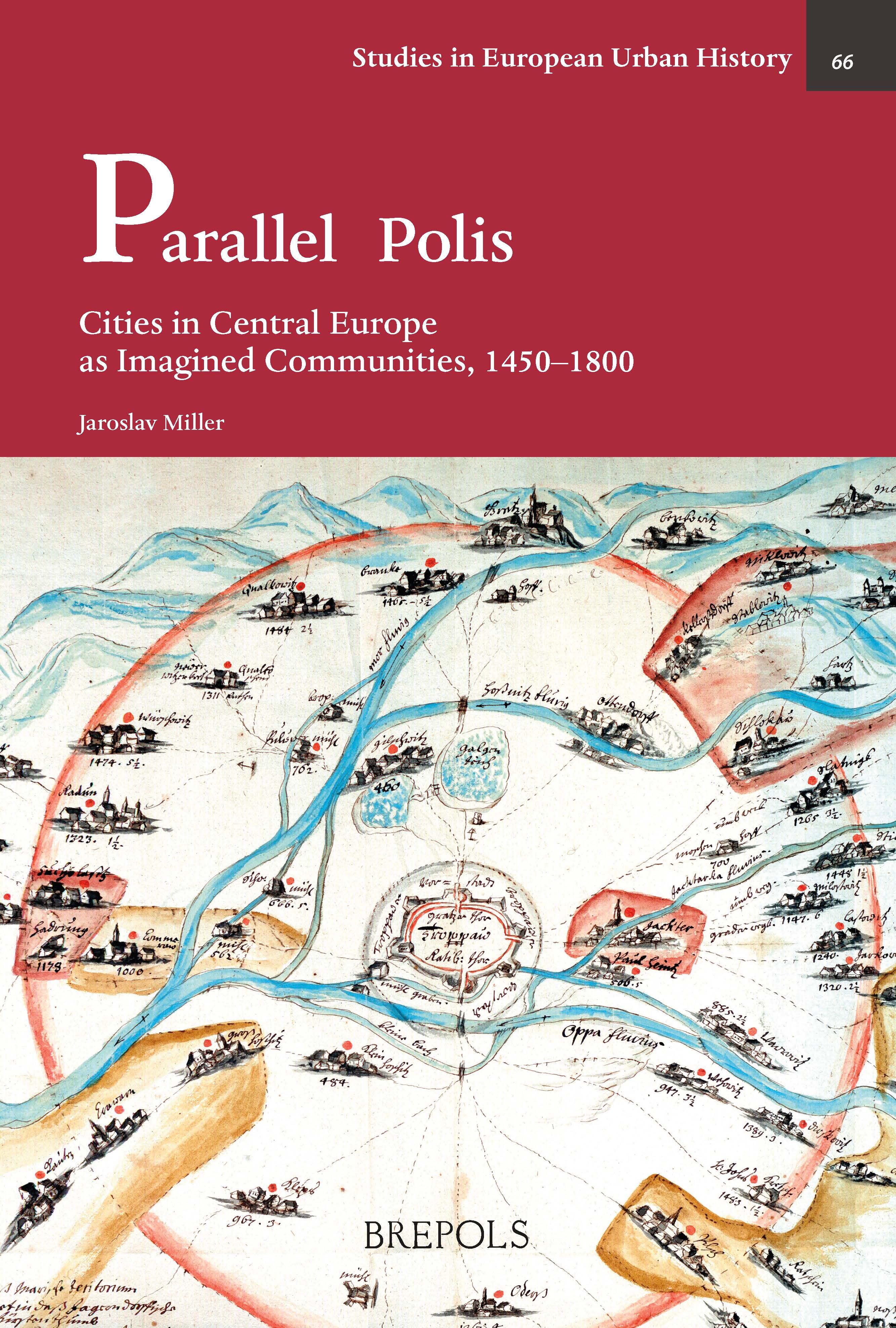


 Power and Women in Southeast and Central Europe in Late Medieval and Early Modern Period (1300-1600)
Volume 10



 The Anglo-Norman Bible’s Books of Kings, a Critical Edition
(BL Royal 1 C III, fols 234r-274v)
Volume 37


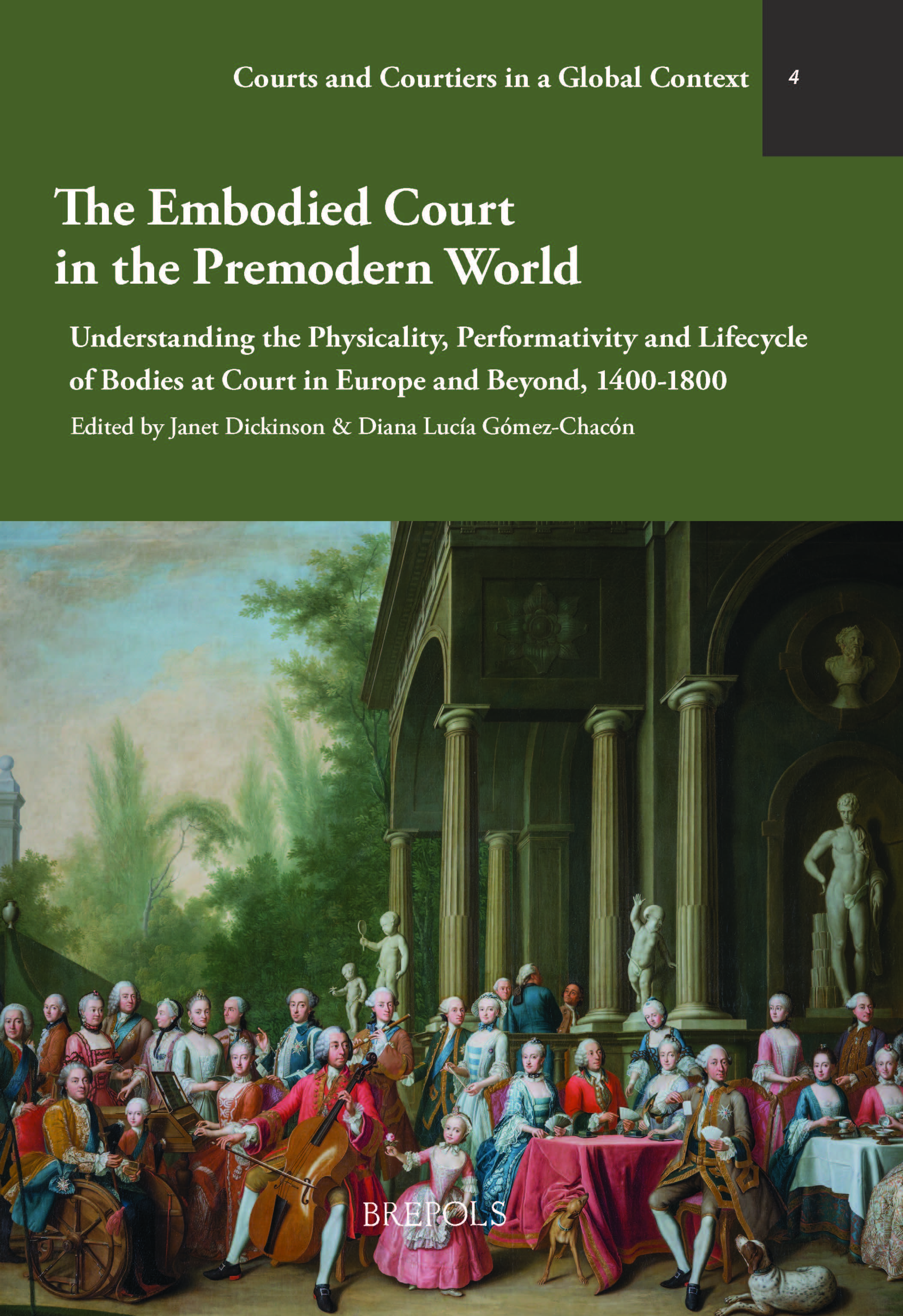 The Embodied Court in the Premodern World
Understanding the Physicality, Performativity and Lifecycle of Bodies at Court in Europe and Beyond, 1400-1800
Volume 4


