
A Description of All Spain
De situ, longitudine, forma et divisione totius Hispaniae libellus
by Agostino Vespucci and Gerard Gonzalez Germain, edited by Gerard Gonzalez Germain

Agostino Vespucci’s De situ, longitudine, forma et divisione totius Hispaniae libellus represents one of the first, most thorough and lively Renaissance descriptions of Iberia. Combining the genres of chorography, travel literature and the diplomatic report, the book deals with the country’s geography, ethnography, recent history and Roman antiquities, merging the past with the present and having recourse to both literary sources and the author’s own investigations. As Vespucci’s only extant literary work, it sheds light on his humanist activity and political ideas, and it allows us to assess the influence that figures such as Poliziano and Machiavelli exercised on him. The manuscript treatise, which was dedicated and presented to Cardinal Giulio de’ Medici (later Pope Clement VII) in 1520, is edited here for the first time.
Agostino Vespucci’s De situ, longitudine, forma et divisione totius Hispaniae libellus represents one of the first, most thorough and lively Renaissance descriptions of Iberia. Combining the genres of chorography, travel literature and the diplomatic report, the book deals with the country’s geography, ethnography, recent history and Roman antiquities, merging the past with the present and having recourse to both literary sources and the author’s own investigations. As Vespucci’s only extant literary work, it sheds light on his humanist activity and political ideas, and it allows us to assess the influence that figures such as Poliziano and Machiavelli exercised on him. The manuscript treatise, which was dedicated and presented to Cardinal Giulio de’ Medici (later Pope Clement VII) in 1520, is edited here for the first time.
- By (author) Gerard Gonzalez Germain
- By (author) Agostino Vespucci
- Edited by Gerard Gonzalez Germain
Other Titles in this Series


 Union in Separation
Diasporic Groups and Identities in the Eastern Mediterranean (1100-1800)
Volume 1

 Disciplined Dissent
Strategies of Non-Confrontational Protest in Europe from the Twelfth to the Early Sixteenth Century
Volume 4

 Political Objects in the Age of Revolutions
Material Culture, National Identities, Political Practices
Volume 21


 Marriages and Alliance
Dissolution, Continuity and Strength of Kinship (ca. 1750-ca. 1900)
Volume 13
 Gorbachev, Italian Communism and Human Rights
Rethinking Political Culture at the End of the Cold War
Volume 24


 Moving Around in Town
Practices, Pathways and Contexts of Intra-Urban Mobility from 1600 to the Present Day
Volume 15


 Mediterranean Crossings
Sexual Transgressions in Islam and Christianity (10th-18th Centuries)
Volume 18
Similar Books


 Balthasar Caymox of Nuremberg
Early Modern German Print Publishers: Popular Prints of the Seventeenth Century
 Beyond Sovereign Courts
Agents and Practices in Early Modern Spanish and Habsburg Diplomacy
Volume 3

 Circulation, Use, Impact
The Consumption of Architectural Books in the Early Modern Eastern Adriatic
Volume 1

 Councils, Conflicts, Correspondence
Urban Diplomacy in Reval (Tallinn) and Lübeck (c. 1470–1570)
Volume 67


 Innovationes Lovanienses: Arts, Law and Theology at the University of Louvain (1425–1797)
Studium Lovaniense: Learning across Borders, 2
Volume 18
 Legal Visuality
Exegesis, Ambiguity, and Dissimulation of the Donation of Constantine in the Early Modern Period

 Naples as Laboratory / Laboratorium Neapel
Style Options, Artistic Rivalry and Self Fashioning in Neapolitan Baroque Painting / Plurale Stilbildung, Kunstlerkonkurrenz und Self Fashioning in der neapolitanischen Barockmalerei
 Power and Women in Southeast and Central Europe in Late Medieval and Early Modern Period (1300-1600)
Volume 10


 Staging the Spectacle of Majesty
Ceremonial, Courtly Space, and Collecting under the Spanish Habsburgs
Volume 9
 Students, Scholars and Their Books at the University of Louvain (1425-1797)
Studium Lovaniense: Learning across Borders, 1
Volume 17


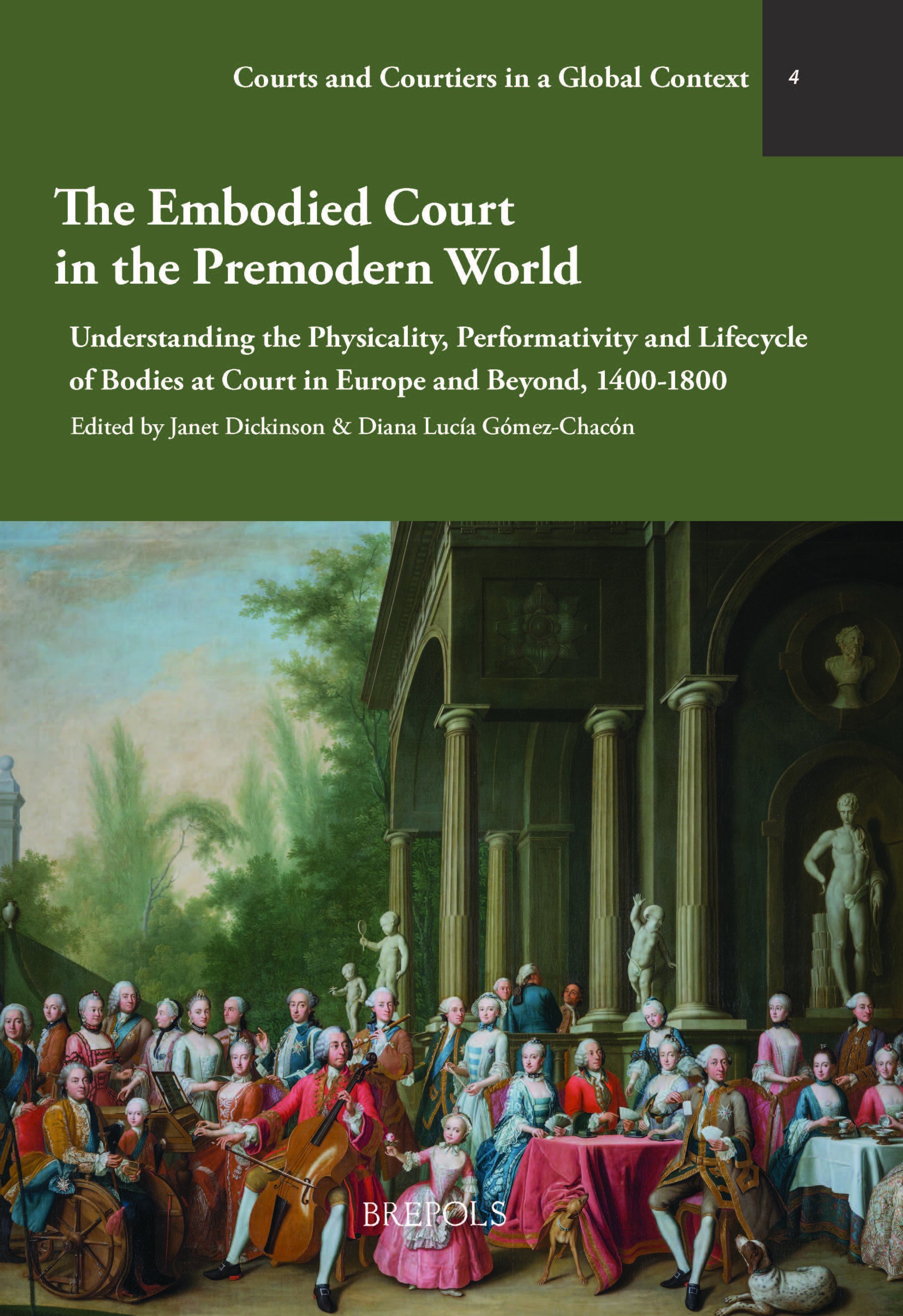 The Embodied Court in the Premodern World
Understanding the Physicality, Performativity and Lifecycle of Bodies at Court in Europe and Beyond, 1400-1800
Volume 4

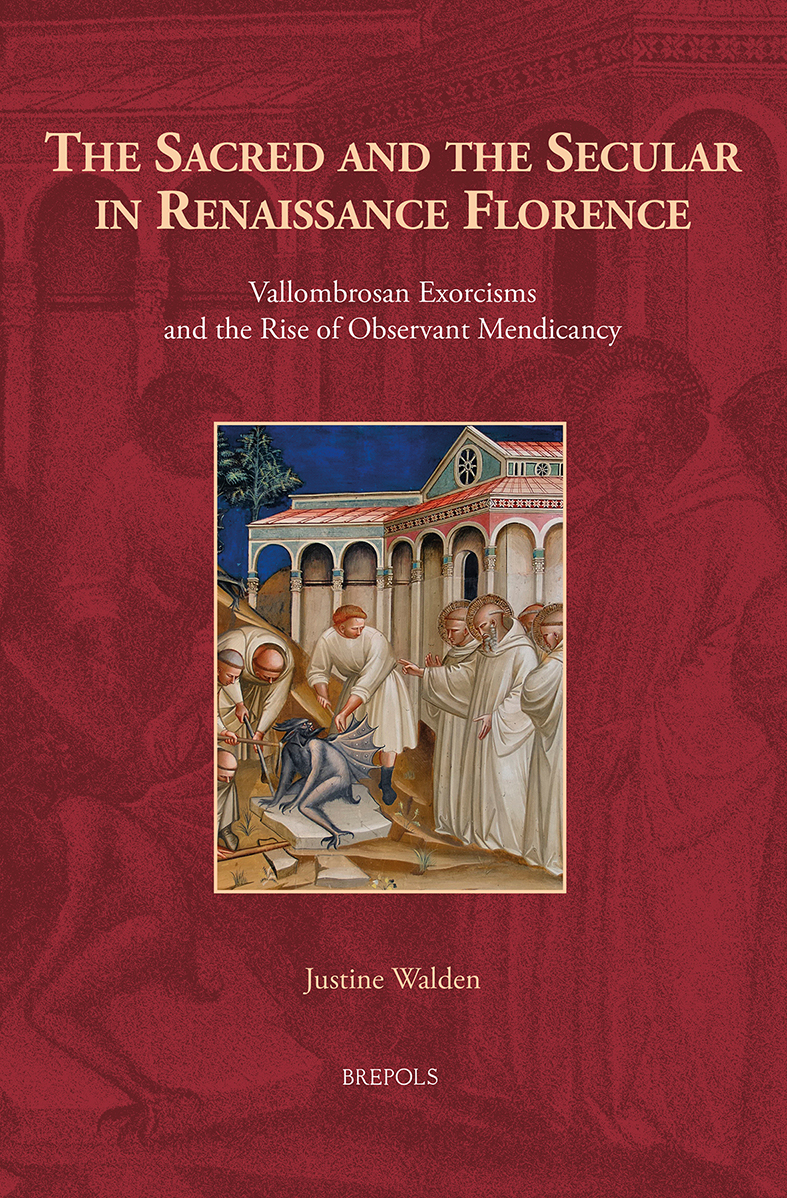 The Sacred and the Secular in Renaissance Florence
Vallombrosan Exorcisms and the Rise of Observant Mendicancy
Volume 31
 Tradition, Interpretation, and Change
Developments in the Liturgy of Medieval and Early Modern Ashkenaz


 À la recherche des normes de traduction
Textes spécialisés dans le monde hispanophone et francophone (1450–1850)

 Briefe einer Fürstin aus dem Dreißigjährigen Krieg
Die Korrespondenz der Kaiserin Maria aus den Jahren 1629 bis 1645
 Die Lutherbibel (1541) des Seidenstickers Hans Plock
Eine buchbiographische und kulturhistorische Untersuchung
Volume 89


