
Hungary and the Hungarians
Western Europe's View in the Middle Ages
by Eniko Csukovits

During the Middle Ages the majority of people in Western Europe never met any Hungarians. They didn’t even hear about them, as news about Hungary only reached Western Europe in times of extraordinary historical events- such as the adoption of Christianity at the turn of the 11th century, or the devastating Tatar invasion in 1241-1242. Obtaining information about the Hungarians from books was also difficult, as medieval Europe, even as late as in the 15th-16th centuries, lacked libraries that would have offered greater numbers of works on Hungary or on Hungarian topics. On top of it all, works that contained the most detailed and accurate information remained unknown, in their own period; posterity only found them in rare manuscript copies discovered much later. Yet once collected, we find that these sources, originating from distant parts of the continent and written for different purposes, contain information about Hungary and the Hungarians that most often reaffirm one another. This work examines these sources and sets out to answer four major questions: What did people in medieval Western Europe know, think, and believe about the Hungarians and Hungary? To what degree was this knowledge constant or fluid over the centuries that made up the medieval era, and were changes in knowledge followed by any changes in appreciation? Where was the country located in the hierarchy of European countries on the basis of the knowledge, suppositions, and beliefs relating to it? What were the most important elements in this image of the Hungarians and of Hungary, and which of them became the most enduring stereotypes?
- By (author) Eniko Csukovits
Other Titles in this Series

 Marriages and Alliance
Dissolution, Continuity and Strength of Kinship (ca. 1750-ca. 1900)
Volume 13


 Gorbachev, Italian Communism and Human Rights
Rethinking Political Culture at the End of the Cold War
Volume 24
 Moving Around in Town
Practices, Pathways and Contexts of Intra-Urban Mobility from 1600 to the Present Day
Volume 15


 Mediterranean Crossings
Sexual Transgressions in Islam and Christianity (10th-18th Centuries)
Volume 18


 Disciplined Dissent
Strategies of Non-Confrontational Protest in Europe from the Twelfth to the Early Sixteenth Century
Volume 4
 Union in Separation
Diasporic Groups and Identities in the Eastern Mediterranean (1100-1800)
Volume 1

 A Description of All Spain
De situ, longitudine, forma et divisione totius Hispaniae libellus
Volume 5

 Political Objects in the Age of Revolutions
Material Culture, National Identities, Political Practices
Volume 21


Similar Books
 A Collaborative Tapestry in Honour of Shirley Ann Brown / Une fresque brodée en l’honneur de Shirley Ann Brown
The Bayeux Tapestry Seen by her Colleagues and Friends / La Tapisserie de Bayeux vue par ses collègues et amis
 Behind the Scenes of Medieval Roofs
An Overview of the Roofing Systems of Italian Churches
Volume 90






 Innovation and Medieval Communities
The Circulation of Ideas and Practices in and out of the Town (1200-1500)
Volume 63
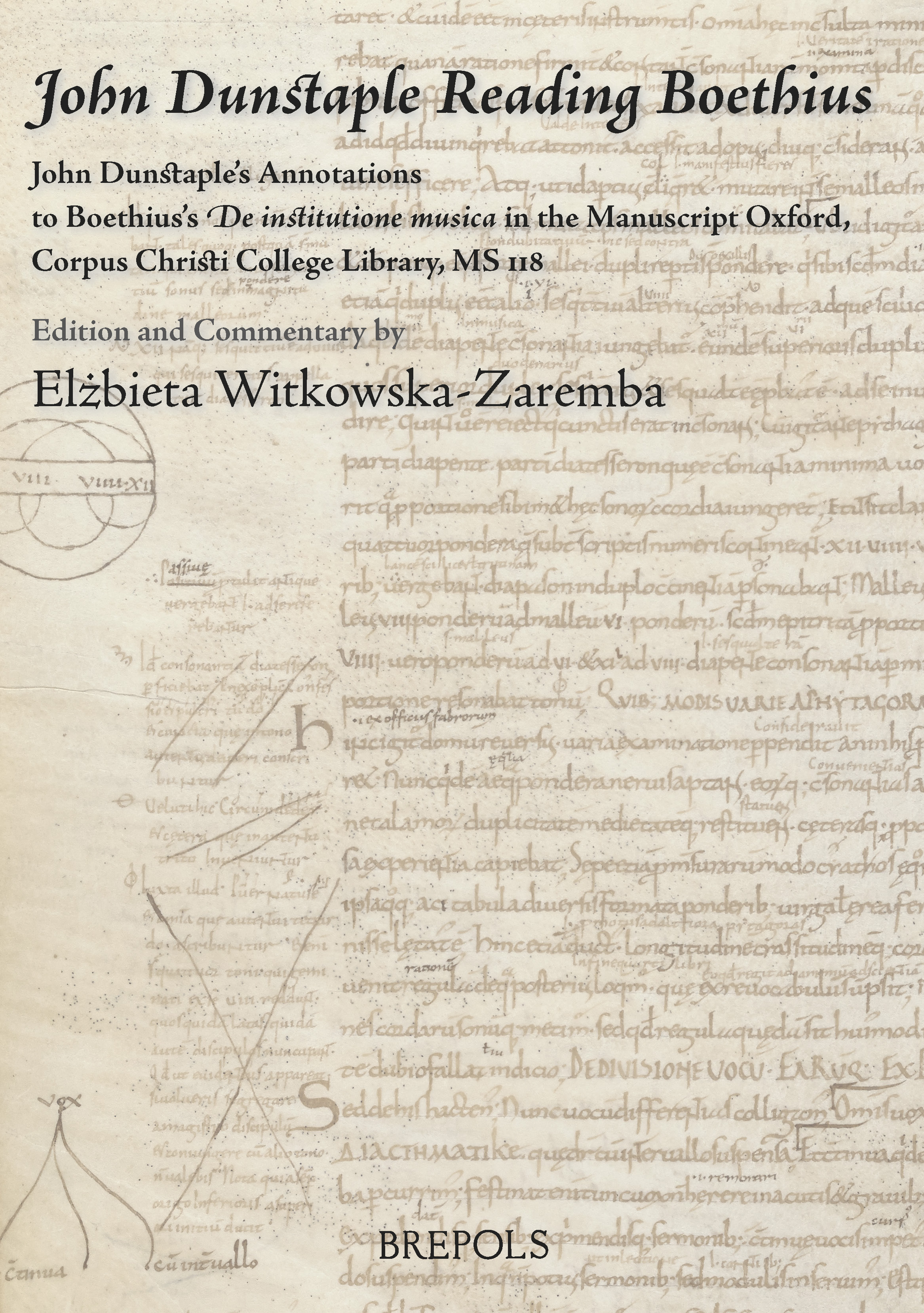 John Dunstaple Reading Boethius
John Dunstaple’s Annotations to Boethius’s “De institutione musica” in the Manuscript Oxford, Corpus Christi College Library, MS 118
 Linguistic and Cultural Dynamics in a Frontier Society
New Perspectives on Northeastern Bavaria and Western Bohemia in the Early Middle Ages
Volume 9
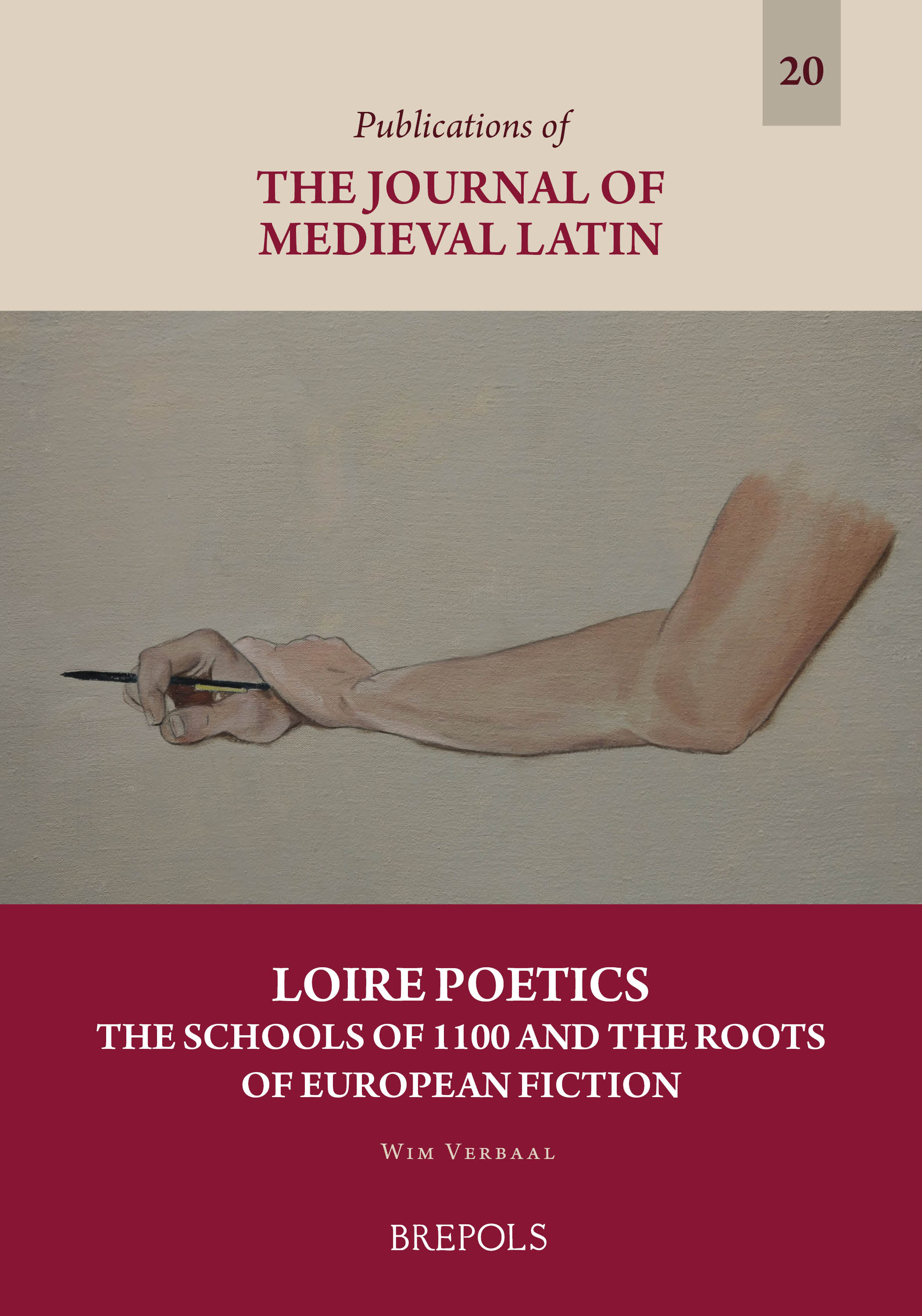
 Medieval Debates on Foreknowledge: Future Contingents, Prophecy, and Divination
Acts of the XXVII Annual Colloquium of the SIEPM, Trento 12-15 September 2023
Volume 31
 Medieval Yeghegis, Armenia
History, Archaeology, Society. Local Multiplicities and Global Connections of a Rural Centre on the Silk Road(s)
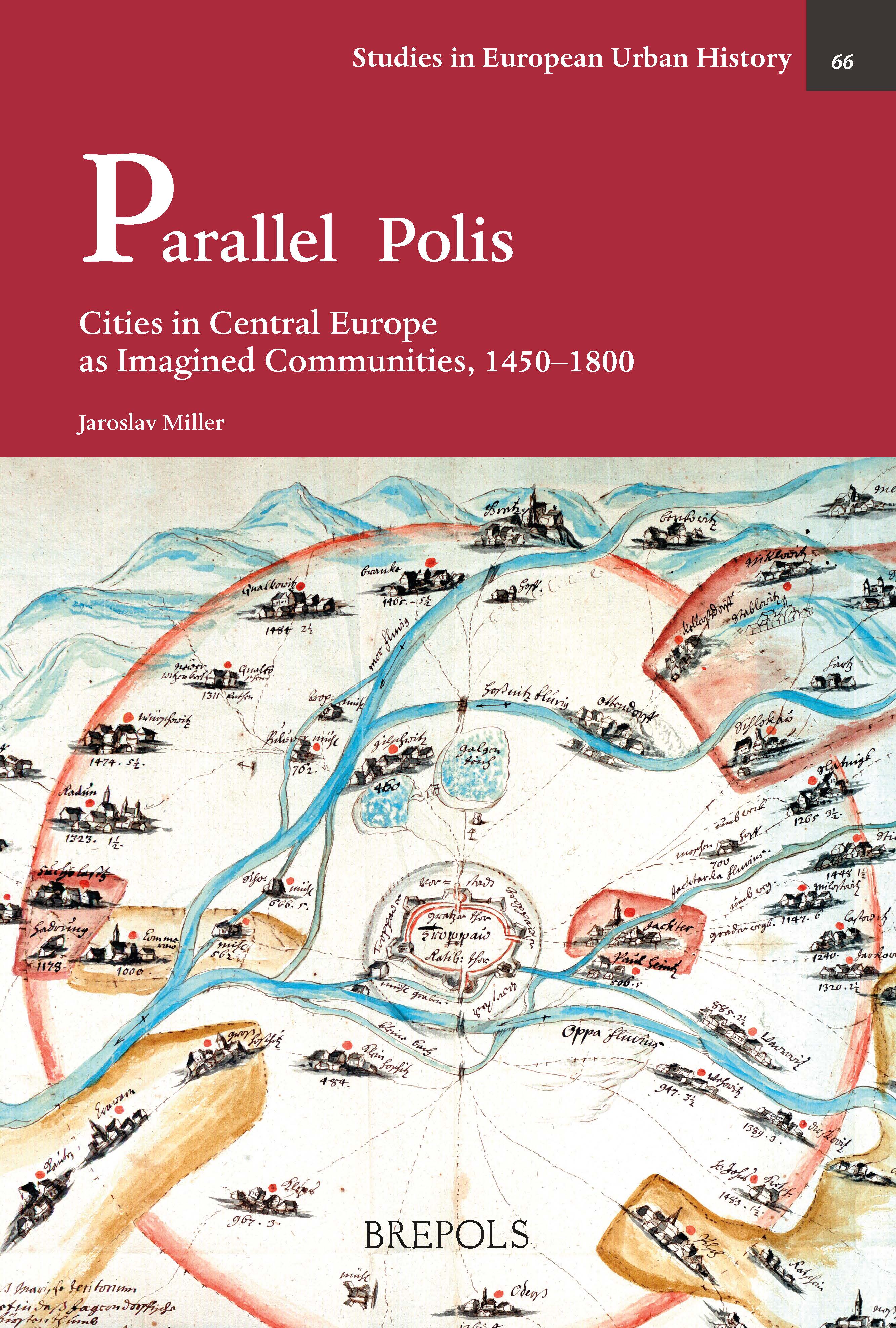


 Power and Women in Southeast and Central Europe in Late Medieval and Early Modern Period (1300-1600)
Volume 10

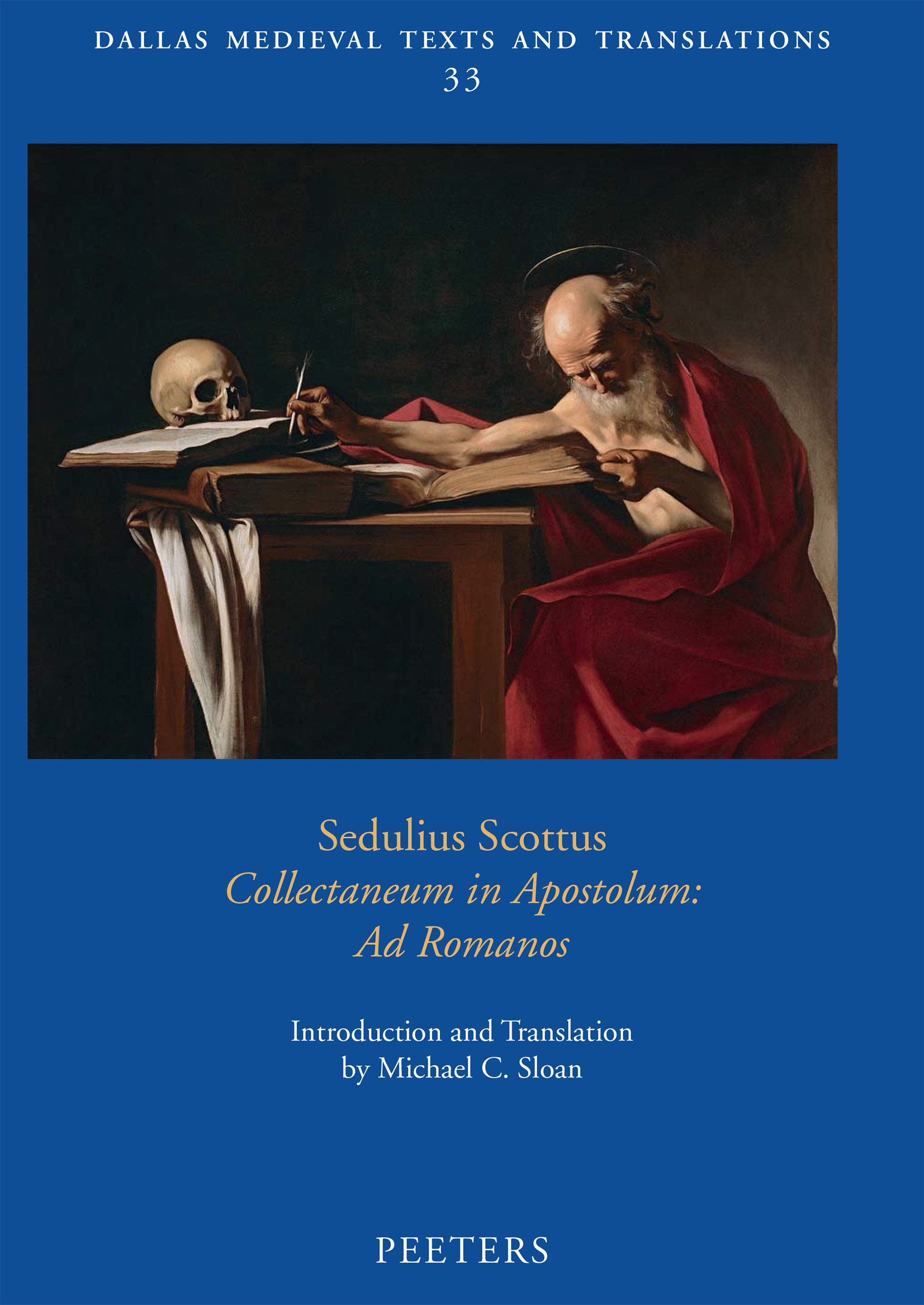
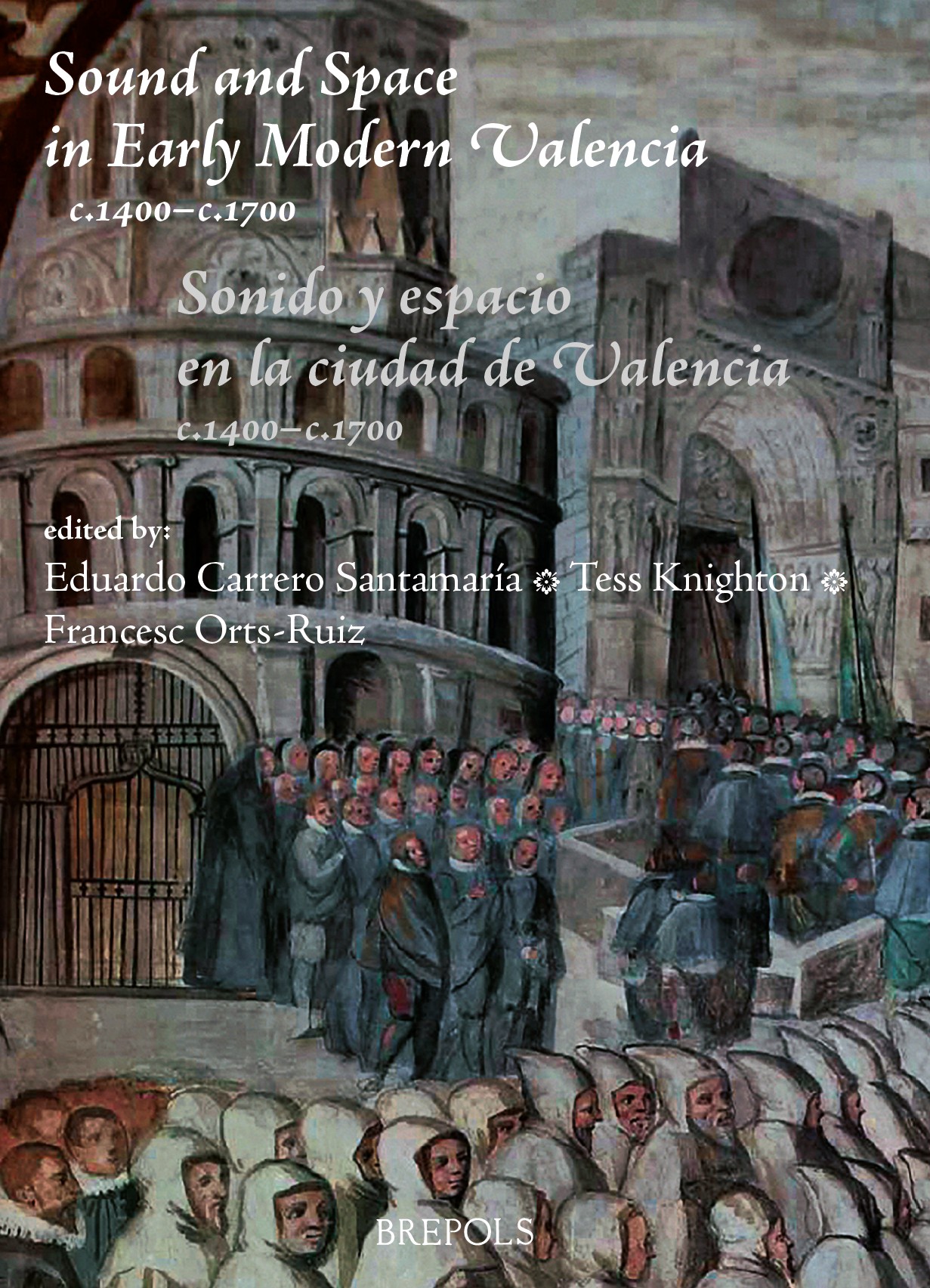

 The Anglo-Norman Bible’s Books of Kings, a Critical Edition
(BL Royal 1 C III, fols 234r-274v)
Volume 37


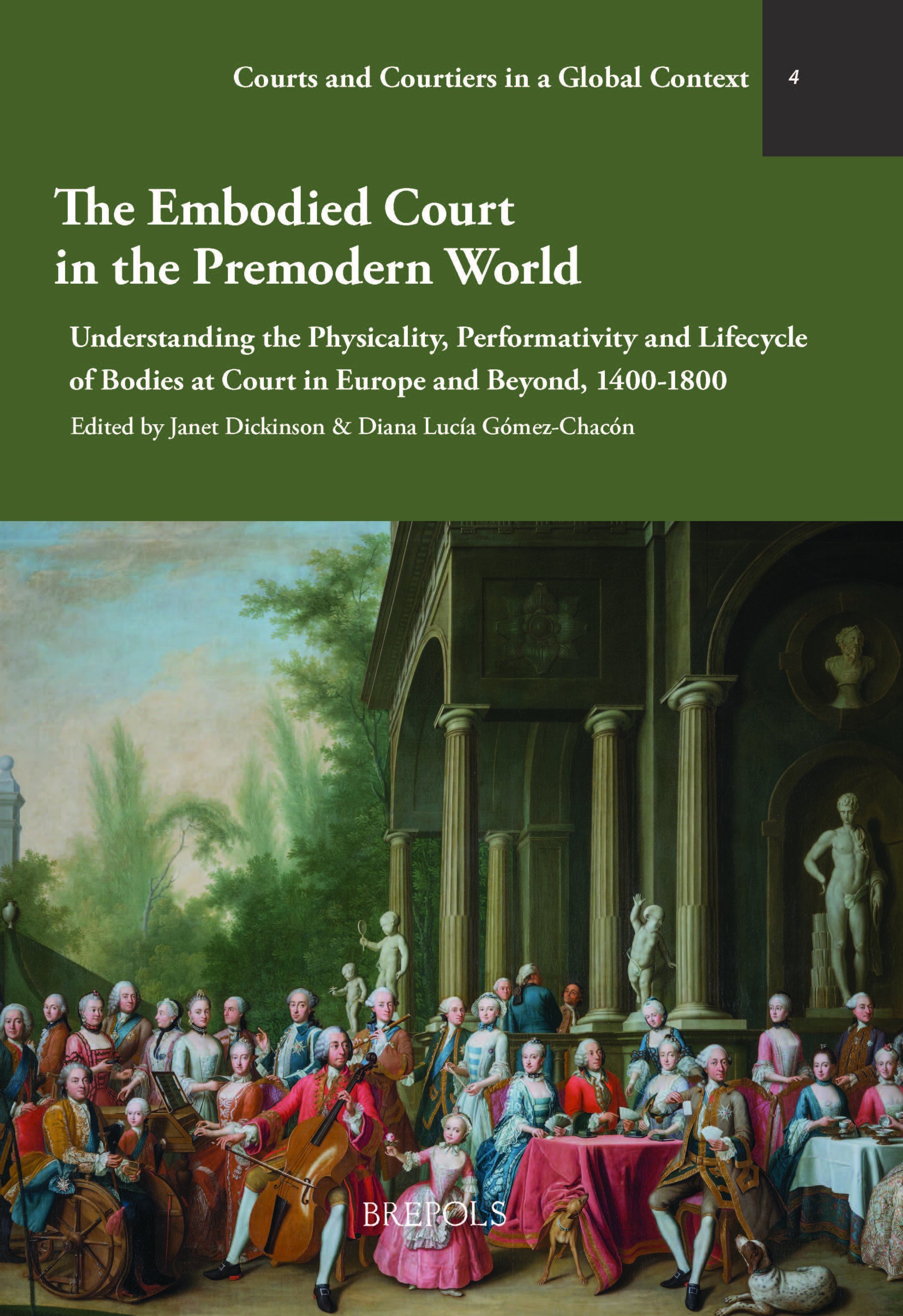 The Embodied Court in the Premodern World
Understanding the Physicality, Performativity and Lifecycle of Bodies at Court in Europe and Beyond, 1400-1800
Volume 4


