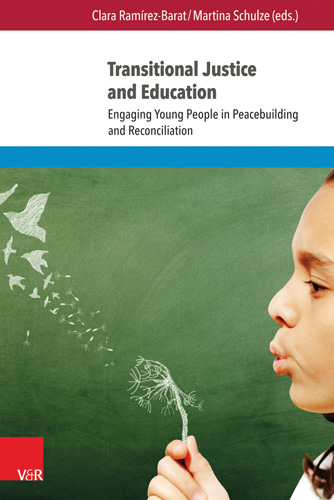
Transitional Justice and Education
Engaging Young People in Peacebuilding and Reconciliation
Contributions by Najwa Belkziz Contributions by Denise Bentrovato Contributions by Jasmina Brankovic Contributions by Ruben Bücking Contributions by Sara Clarke-Habibi Contributions by Roger Duthie Contributions by Stefana Fratila Contributions by Daniel Haumschild Contributions by Clara Ramírez-Barat Contributions by Maria Andrea Rocha Contributions by Ties Schelfhout Contributions by Martina Schulze Contributions by Nadia Siddiqui Edited by Clara Ramírez-Barat Edited by Martina Schulze
Paperback (Published)
(July 2018)
ISBN: 9783847108375
6.1 x 9.13 inches
Price: $44.00
In stock
In the aftermath of conflict and mass violence, education has been one of the tools with which societies have sought to achieve positive transformation. While education has the potential to trigger, maintain, and exacerbate conflict, it has also been designed to promote a deeper, more nuanced understanding of the past and to advance reconciliation, peacebuilding, and prevention. The original contributions in the book reflect on lessons learned from education policies of the past in post-conflict societies and seek innovative, sustainable, and context-sensitive grassroots approaches, designed to advocate critical thinking, values of inclusion and tolerance, and ultimately a culture of peace.
This volume addresses the role and importance of education for processes of transitional justice. In the aftermath of conflict and mass violence, education has been one of the tools with which societies have sought to achieve positive transformation. While education has the potential to trigger, maintain and exacerbate conflict, it has also been used to promote a deeper, more nuanced, understanding of the past and to advance reconciliation, peacebuilding and prevention. The original contributions in the book reflect on lessons learned from education policies of the past in post-conflict societies and seek innovative, sustainable and context-sensitive grassroots approaches, designed to advocate critical thinking, values of inclusion and tolerance, and ultimately a culture of peace.
Dr Clara Ramirez-Barat is the Director of the Educational Policies Program of the Auschwitz Institute for Peace and Reconciliation. Previously, she was a Fulbright Postdoctoral Fellow and Senior Research Associate at the International Centre for Transitional Justice. Martina Schulze coordinated the Georg Arnhold Program on Education for Sustainable Peace at the Georg Eckert Institute for International Textbook Research, Braunschweig, from 2013 until 2016. She currently heads the International Office of Hamburg University of Applied Sciences.
- Contributions by Najwa Belkziz
- Contributions by Denise Bentrovato
- Contributions by Jasmina Brankovic
- Contributions by Ruben Bücking
- Contributions by Sara Clarke-Habibi
- Contributions by Roger Duthie
- Contributions by Stefana Fratila
- Contributions by Daniel Haumschild
- Contributions by Clara Ramírez-Barat
- Contributions by Maria Andrea Rocha
- Contributions by Ties Schelfhout
- Contributions by Martina Schulze
- Contributions by Nadia Siddiqui
- Edited by Clara Ramírez-Barat
- Edited by Martina Schulze
Other Titles in this Series

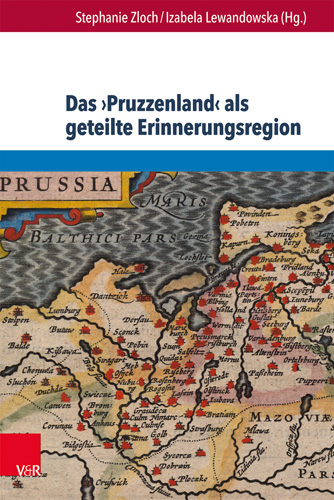 Das ›Pruzzenland‹ als geteilte Erinnerungsregion
Konstruktion und Repräsentation eines europäischen Geschichtsraums in Deutschland, Polen, Litauen und Russland seit 1900




 Zwischen Ökonomie und Ökologie?
Raumstruktureller Wandel, Raumplanung und Nutzungskonflikte in Deutschland und Polen


 Integrationsmedium Schulbuch
Anforderungen an Islamischen Religionsunterricht und seine Bildungsmaterialien
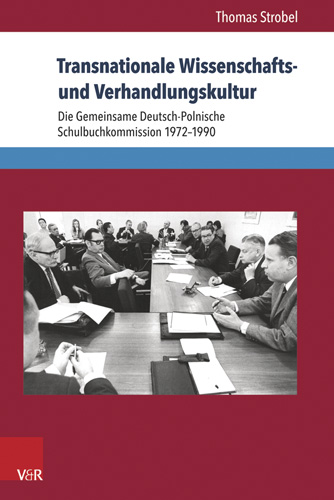 Transnationale Wissenschafts- und Verhandlungskultur
Die Gemeinsame Deutsch-Polnische Schulbuchkommission 1972–1990
 Die vielen Gesichter des Holocaust
Museale Repräsentationen zwischen Individualisierung, Universalisierung und Nationalisierung



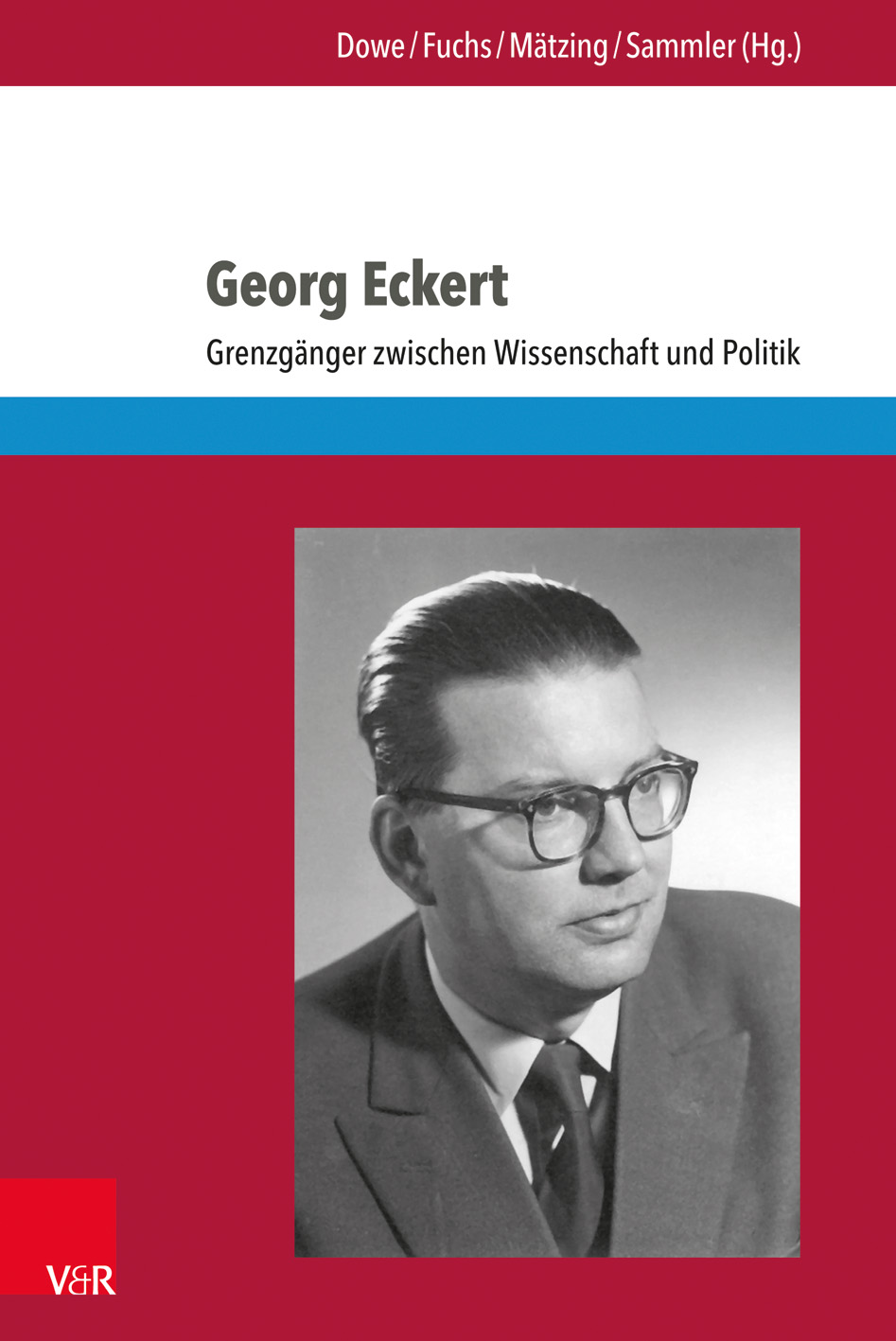
 Oberschlesien und sein kulturelles Erbe
Erinnerungspolitische Befunde, bildungspolitische Impulse und didaktische Innovationen
 Enseigner le nazisme et la Shoah. Une étude comparée des manuels scolaires en Europe
Teaching nazism and the Shoah. A comparative study of European school history textbooks
 Luther und die Reformation in internationalen Geschichtskulturen
Perspektiven für den Geschichtsunterricht
 Emotionen, Geschichte und historisches Lernen
Geschichtsdidaktische und geschichtskulturelle Perspektiven
 Zweierlei 1968?
Die Umbruchjahre 1968 und 1989 in deutschen und tschechischen Geschichtsschulbüchern
 Myths and Mythical Spaces
Conditions and Challenges for History Textbooks in Albania and South-Eastern Europe
 Geschichtsmythen über Hispanoamerika
Entdeckung, Eroberung und Kolonisierung in deutschen und österreichischen Schulbüchern des 21. Jahrhunderts

Similar Books

 As Messianism Turns to Heresy
The Regenstein Chair Lectures On Lurianic Kabbalah and Shabbatai Tzevi at Hebrew Union College - Cincinnati

 Beyond Sovereign Courts
Agents and Practices in Early Modern Spanish and Habsburg Diplomacy
Volume 3




 Food Security under Armed Conflict
Global Knowledge Landscape and Public Attention to Social, Economic, and Humanitarian Dimensions

 Innovationes Lovanienses: Arts, Law and Theology at the University of Louvain (1425–1797)
Studium Lovaniense: Learning across Borders, 2
Volume 18


 Myths and Tales of the Inughuit
Erik Holtved's Polar Eskimo Texts Revised and Re-translated into Danish and English
Volume 475, 12


 Students, Scholars and Their Books at the University of Louvain (1425-1797)
Studium Lovaniense: Learning across Borders, 1
Volume 17


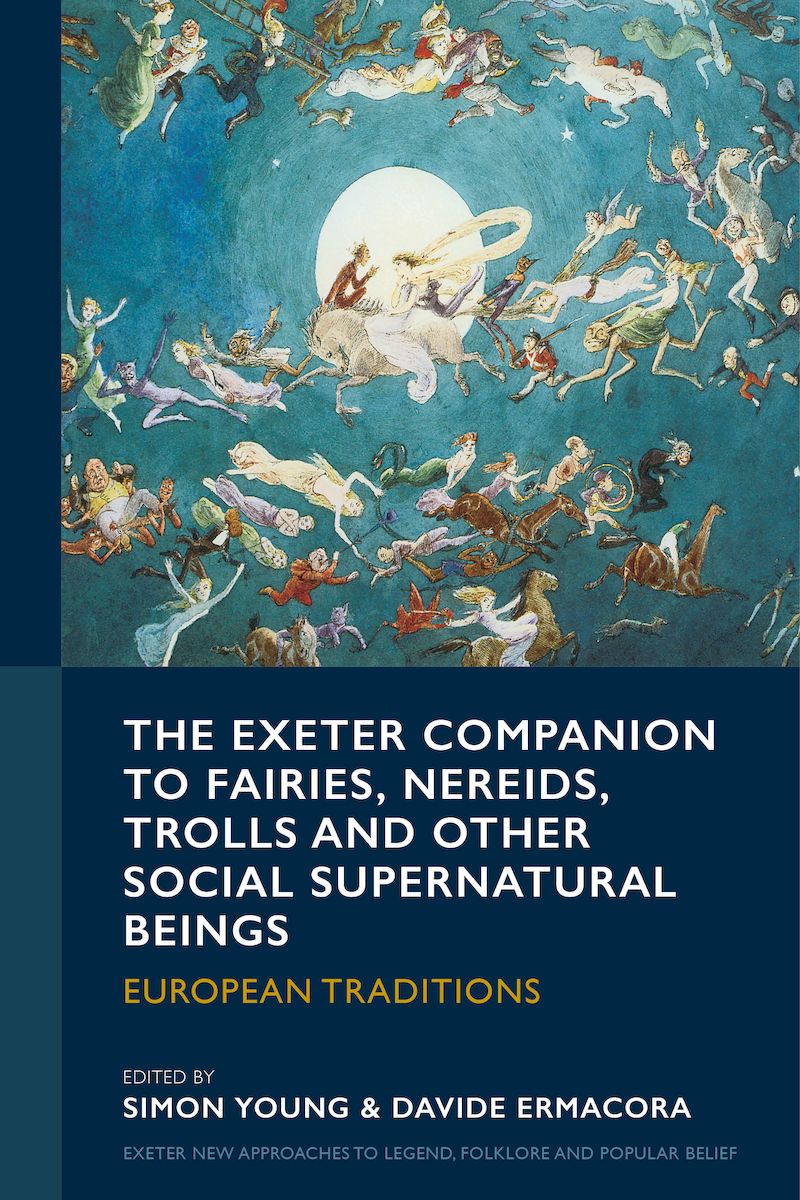 The Exeter Companion to Fairies, Nereids, Trolls and other Social Supernatural Beings
European Traditions


 The Phantom Hitchhiker
Italian Literature, Japanese Lore, and the Transnational Afterlives of a Global Ghost Story