
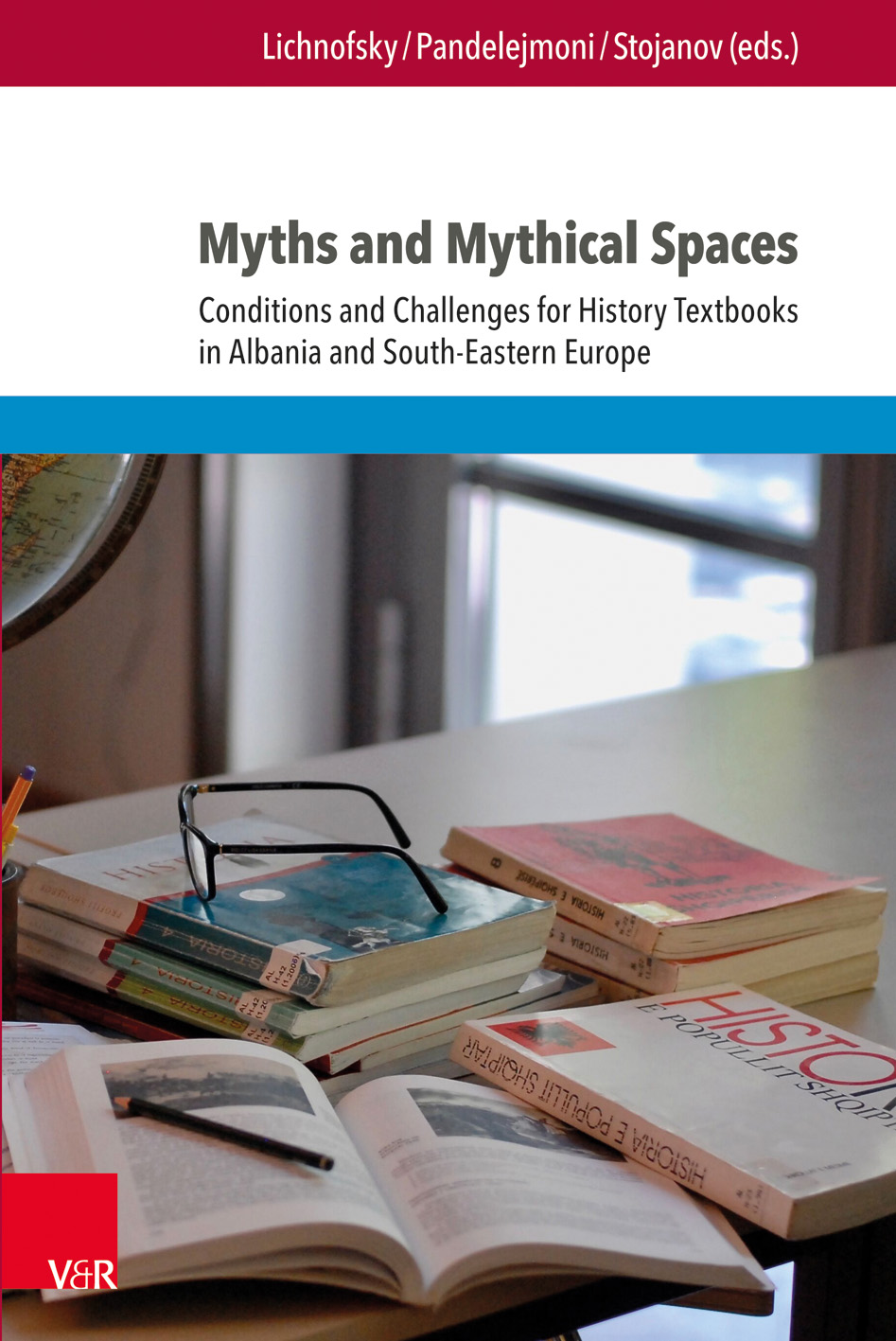
Myths and Mythical Spaces
Conditions and Challenges for History Textbooks in Albania and South-Eastern Europe
Contributions by Durim Abdullahu Contributions by Fabio Bego Contributions by Jovan Bliznakovski Contributions by Eckhardt Fuchs Contributions by Konstantinos Giakoumis Contributions by Ilir Kalemaj Contributions by Nikolina Kenig Contributions by Gentiana Kera Contributions by Claudia Lichnofsky Contributions by Enriketa Pandelejmoni Contributions by Aleksandar Pavlovic Contributions by Violeta Petroska Beshka Contributions by Darko Stojanov Contributions by Denis Sulstarova Contributions by Petar Todorov Contributions by Denis Vuka Contributions by Irene Stefonska Edited by Claudia Lichnofsky Edited by Enriketa Pandelejmoni Edited by Darko Stojanov
Paperback (Published)
(December 2017)
ISBN: 9783847108115
6.1 x 9.13 inches
Price: $50.00
In stock
The Albanian case is particularly interesting because the majority of Albanians live outside the borders of Albania, despite the existence of the nation-state, which gives rise to fascinating complexities regarding the shaping of national identities and myths surrounding concepts of ‘self’ and ‘other’. What textbooks teach is always of political interest, as they represent society’s intentions for its next generation. This renders identity-building processes via textbooks in this context a particularly fascinating topic for research, here examined through the lens of myths and mythical spaces.
This volume addresses textbooks written in the Albanian language and in use in Albania, Kosovo, Macedonia and Serbia. Political myths and mythical spaces play a key role in shaping processes of identity-building, concepts of ‘self’ and ‘other’, and ideas pertaining to the location of the self and nation within a post-conflict context. The Albanian case is particularly interesting because the majority of Albanians live outside the borders of Albania, despite the existence of the nation-state, which gives rise to fascinating complexities regarding the shaping of national identities and myths surrounding concepts of ‘self’ and ‘other’. What textbooks teach is always of political interest, as they represent society’s intentions for its next generation. This renders identity-building processes via textbooks in this context a particularly fascinating topic for research, here examined through the lens of myths and mythical spaces.
- Contributions by Durim Abdullahu
- Contributions by Fabio Bego
- Contributions by Jovan Bliznakovski
- Contributions by Eckhardt Fuchs
- Contributions by Konstantinos Giakoumis
- Contributions by Ilir Kalemaj
- Contributions by Nikolina Kenig
- Contributions by Gentiana Kera
- Contributions by Claudia Lichnofsky
- Contributions by Enriketa Pandelejmoni
- Contributions by Aleksandar Pavlovic
- Contributions by Violeta Petroska Beshka
- Contributions by Darko Stojanov
- Contributions by Denis Sulstarova
- Contributions by Petar Todorov
- Contributions by Denis Vuka
- Contributions by Irene Stefonska
- Edited by Claudia Lichnofsky
- Edited by Enriketa Pandelejmoni
- Edited by Darko Stojanov
Other Titles in this Series

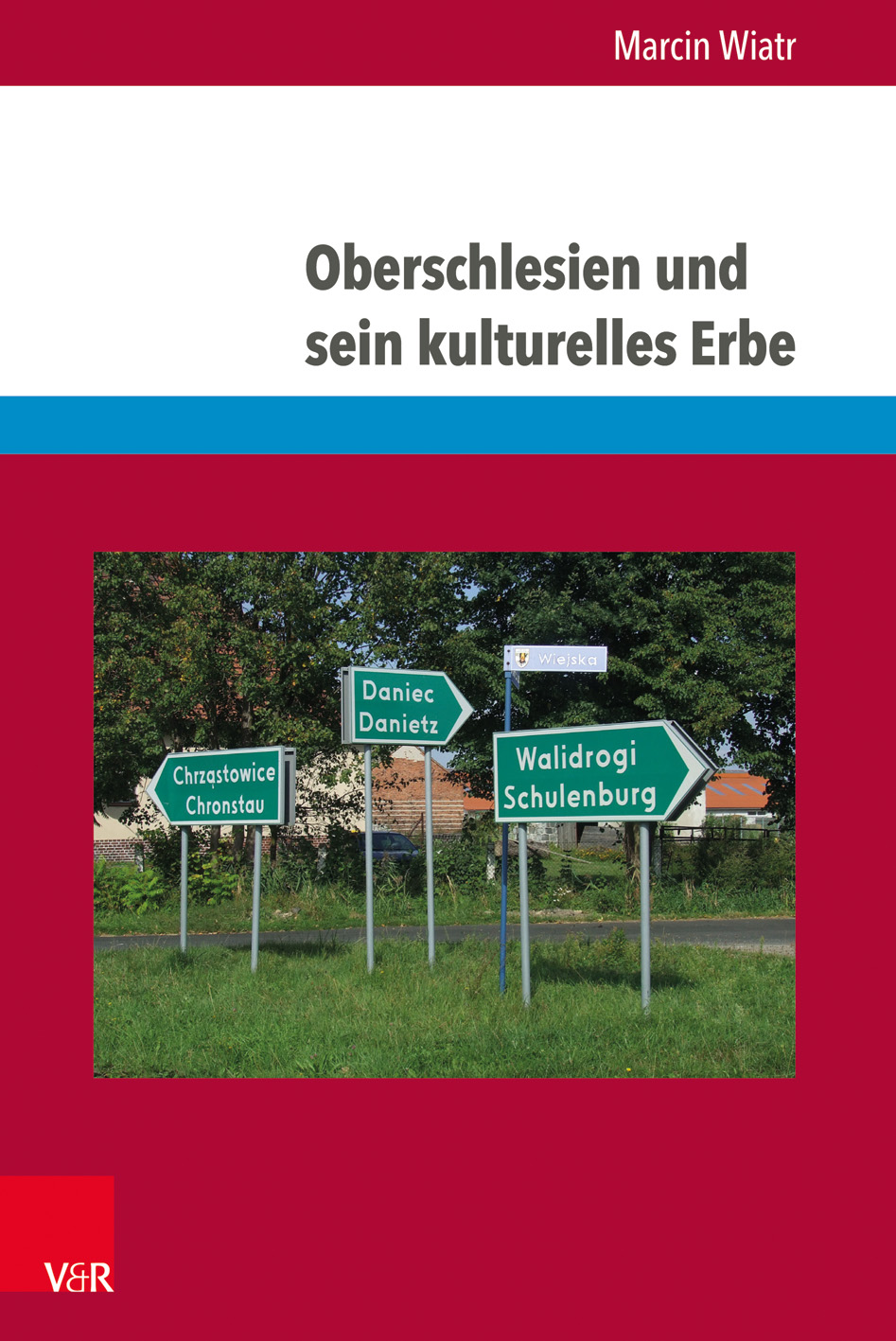 Oberschlesien und sein kulturelles Erbe
Erinnerungspolitische Befunde, bildungspolitische Impulse und didaktische Innovationen

 Luther und die Reformation in internationalen Geschichtskulturen
Perspektiven für den Geschichtsunterricht
Similar Books


 As Messianism Turns to Heresy
The Regenstein Chair Lectures On Lurianic Kabbalah and Shabbatai Tzevi at Hebrew Union College - Cincinnati
 Beyond Sovereign Courts
Agents and Practices in Early Modern Spanish and Habsburg Diplomacy
Volume 3


 Food Security under Armed Conflict
Global Knowledge Landscape and Public Attention to Social, Economic, and Humanitarian Dimensions


 Innovationes Lovanienses: Arts, Law and Theology at the University of Louvain (1425–1797)
Studium Lovaniense: Learning across Borders, 2
Volume 18


 Linguistic and Media Studies Perspectives on Research into Social and Political Polarisation
The Case of Poland


 Students, Scholars and Their Books at the University of Louvain (1425-1797)
Studium Lovaniense: Learning across Borders, 1
Volume 17


 Unsilencing the Archives
New Approaches to the History of Archaeological Labor in the Mandate Period Middle East
Volume 80
 “Zum Siege unserer menschenfreundlichen Prinzipien”
Ungarische Freimaurernetzwerke im „Orient“ 1886-1920
 Aporien des Geschichtsunterrichts?
Suchbewegungen im Spannungsfeld zwischen Geschichtsdidaktik und Sonderpädagogik
Volume 40
