
Sacramental Charity, Creditor Christology, and the Economy of Salvation in Luke’s Gospel
by Anthony Giambrone

Paperback (Published)
(July 2017)
ISBN: 9783161548598
6.06 x 9.09 inches
Price: $130.00
In stock
In this work, Anthony Giambrone investigates the appropriation and development of Jewish charity discourse in Luke’s Gospel. In contrast to previous scholarship, neither the coherence of Lukan “wealth ethics” nor its contemporary actualization defines his study. Instead, the sacramental significance of almsgiving becomes the starting point for a more theologically oriented exegesis. The end result recognizes Luke’s “Christological mutation” of the inherited tradition.The text is organized around three exegetical probes, each handling parabolic material: i.e. Luke 7:36-50, 10:25-37, and 16:1-31. The author advances an approach to these parables that highlights Christological allegory (metalepsis) as a Lukan narrative device. A break is thus implied with the dominant rationalist constructions of Luke’s parabolic art and ethics. Also in contrast to a dominant trend, stress is laid upon Luke’s Jewish rather than Greco-Roman context.
- By (author) Anthony Giambrone
Other Titles in this Series

 Matthaeus Adversus Christianos
The Use of the Gospel of Matthew in Jewish Polemics Against the Divinity of Jesus
Volume 350


 Rediscovering Righteousness in Romans
Personified dikaiosyne within Metaphoric and Narratorial Settings
Volume 240
 Der Kolosserbrief im Kontext des paulinischen Erbes
Eine intertextuelle Studie zur Auslegung und Fortschreibung der Paulustradition
Volume 271
 Jesus’ Death and the Gathering of True Israel
The Johannine Appropriation of Restoration Theology in the Light of John 11.47-52
Volume 217
 Christusbeziehung und Christuserkenntnis im Johannesevangelium
Die narrative Entwicklung der Jüngerinnen und Jünger und ihre hermeneutischen Voraussetzungen im vierten Evangelium
 Die Wundererzählungen im Markusevangelium
Eine narratologische Analyse zur Erschließung eines soteriologischen Erzählprinzips


 Angels Associated with Israel in the Dead Sea Scrolls
Angelology and Sectarian Identity at Qumran
Volume 509
 A Socio-Rhetorical Interpretation of the Letter to Philemon in Light of the New Institutional Economics
An Exhortation to Transform a Master-Slave Economic Relationship into a Brotherly Loving Relationship
Volume 444

 The Righteousness of God
A Lexical Examination of the Covenant-Faithfulness Interpretation
Volume 386


 Fruhchristliche Mahlfeiern
Ihre Gestalt und Bedeutung nach der neutestamentlichen Briefliteratur und der Johannesoffenbarung
Volume 255
 Oral Tradition and Literary Dependency
Variability and Stability in the Synoptic Tradition and Q
Volume 195


 Exploring Johannine Ethics
A Rhetorical Approach to Moral Efficacy in the Fourth Gospel Narrative
Volume 449
Similar Books


 Apocrypha, Magic, Liturgy
The Multiple Identities of Coptic Prayers in Late Antique and Early Islamic Egypt
 Athanasius of Alexandria, Epistula ad episcopos Aegypti et Libyae
Old Slavonic Version and English Translation
Volume 261



 Contesting Labeled Identities
The Sociology of Gentilics in Biblical and Northwest Semitic Literature
 Cyril of Alexandria’s Christological Exegesis
Explorations of Partitive Exegesis in the Dialogues on the Trinity
Volume 70
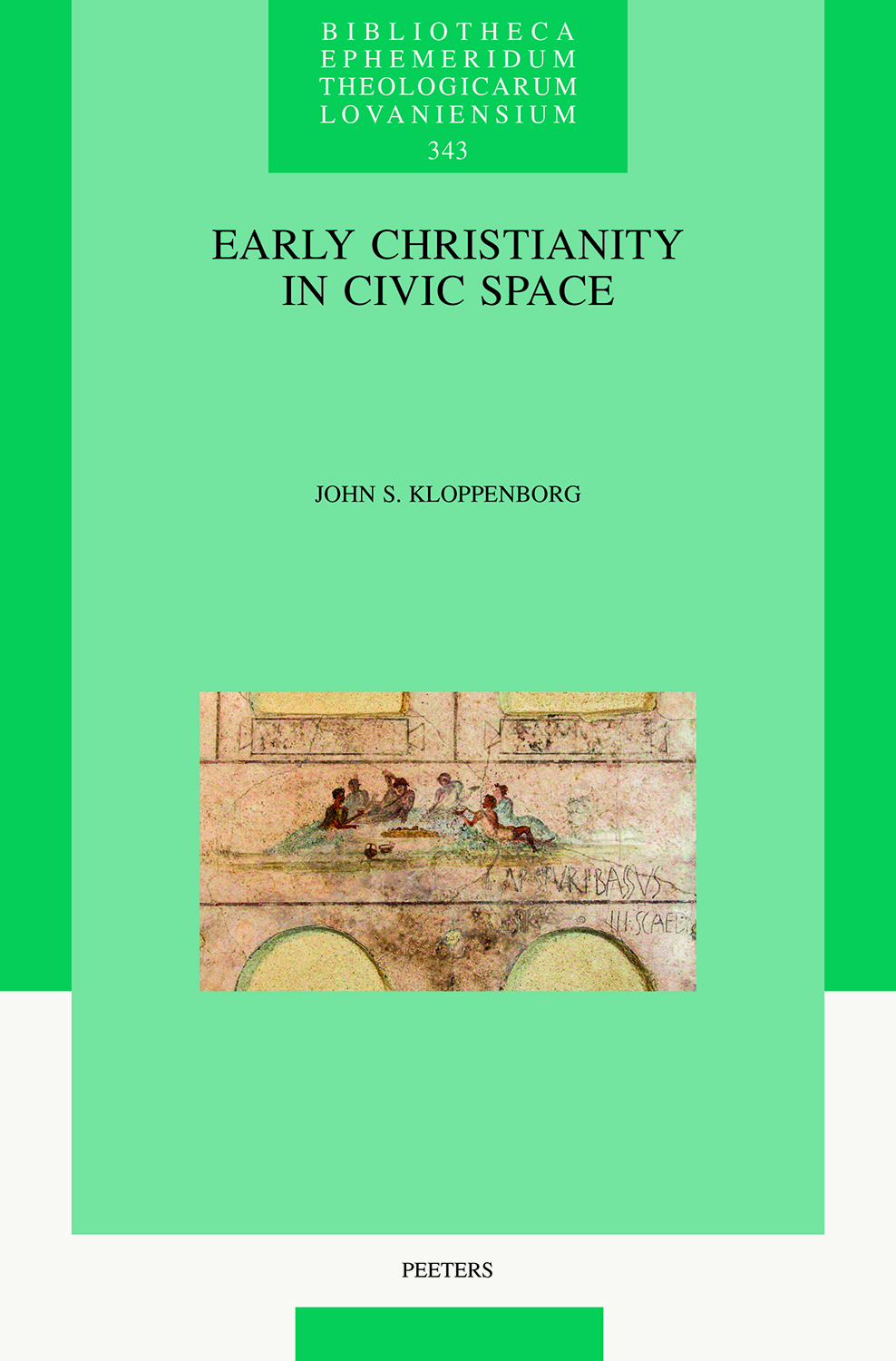

 Epiphanies of the Divine in the Septuagint and the New Testament
Fifth International Symposium of the Corpus Judaeo-Hellenisticum Novi Testamenti (CJHNT), 14-17 May 2015, Nottingham


 Extracanonical Traditions and the Holy Land
Texts, Rituals, and Material Culture in Late Antique Palestine
 From Joseph to Jesus
The Joseph Narrative as a Compositional Template from Old Greek Esther to the Gospel of Luke
Volume 125





 Nicholas of Lyra’s Commentaries on the Gospels of Matthew and Luke
Franciscan Exegesis in a Time of Crisis
 Paradise Lost in Transmission
The Return to Eden in the Apocalypse of Peter within Its Ethiopic and Early Christian Contexts



 Punning in Odd or Elegant Constructions in Jeremiah
The Convergence of Linguistics, Rhetoric, and Textuality in the Hebrew Text of Jeremiah

 Reformed Covenantal Eudaimonism
Wilhelmus à Brakel (1635–1711) on Highest Good, Virtue, and Law
Volume 87