
L’alignement syntaxique dans les langues Indo-Europeennes d’Anatolie
by Sylvain Patri

Paperback (Published)
(November 2007)
ISBN: 9783447056120
6.65 x 9.49 inches
Price: $55.00
On back order
The term ‘alignment’ is used to describe the patterns according to which the formal properties of subjects and objects interact with syntactic rules making reference to certain core arguments to the exclusion of others. This book gives a full survey of constructions involving variations in subject and object behaviour and marking and attempts to explain them in a typological and genetic perspective. Accusative alignment is known to be a stable feature in most ancient Indo-European languages. In Anatolian languages, however, the subject of an intransitive clause is treated differently from a transitive subject. A thorough examination of the data shows that subjects obey verbal selection: subjects of transitive verbs are restricted by rule to animate agents only. In transitive constructions inanimates agents are treated as oblique instrumentals. A second major restriction is that intransitive verbs are controlled by animate subjects only. As a result, if animate and inanimate subjects are identically encoded, they never share the same behavioural properties, while animate and inanimate subjects exhibit the same properties only when they are differently encoded. Such syntactical data are compatible with the organization of reconstructed Indo-European nominal infl ection and may explain its structure. (Text in French language)
The term ‘alignment’ is used to describe the patterns according to which the formal properties of subjects and objects interact with syntactic rules making reference to certain core arguments to the exclusion of others. This book gives a full survey of constructions involving variations in subject and object behaviour and marking and attempts to explain them in a typological and genetic perspective. Accusative alignment is known to be a stable feature in most ancient Indo-European languages. In Anatolian languages, however, the subject of an intransitive clause is treated differently from a transitive subject. A thorough examination of the data shows that subjects obey verbal selection: subjects of transitive verbs are restricted by rule to animate agents only. In transitive constructions inanimates agents are treated as oblique instrumentals. A second major restriction is that intransitive verbs are controlled by animate subjects only. As a result, if animate and inanimate subjects are identically encoded, they never share the same behavioural properties, while animate and inanimate subjects exhibit the same properties only when they are differently encoded. Such syntactical data are compatible with the organization of reconstructed Indo-European nominal infl ection and may explain its structure. (Text in French language)
- By (author) Sylvain Patri
Other Titles in this Series


 Studies in Hittite Economic Administration
A New Edition of the Hittite Palace-Temple Administrative Corpus and Research on Allied Texts Found at Hattusa. Volume I: Background, Corpus Overview, Case Studies, Lexical Commentary, and Glossary
Volume 70


 Studies in Hittite Economic Administration
A New Edition of the Hittite Palace-Temple Administrative Corpus and Research on Allied Texts Found at Hattusa. Volume II: Text Editions and Philological Commentary
Volume 71
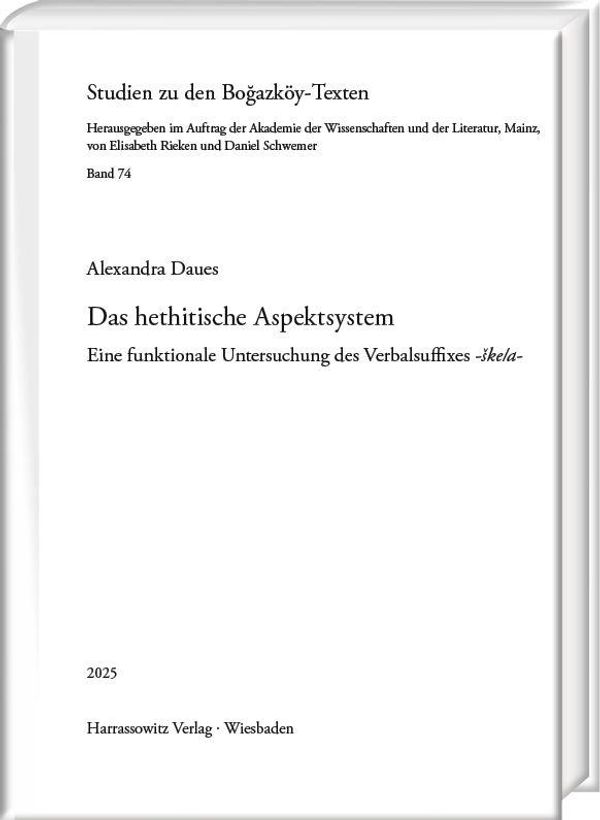


 Luwili
Hittite-Luwian Ritual Texts Attributed to Puriyanni, Kuwattalla and Silalluhi (CTH 758-763). Volume I: Edition and Commentary. Volume II: Discussion and Glossary
Volume 72

 Cult, Temple, Sacred Spaces
Cult Practices and Cult Spaces in Hittite Anatolia and Neighbouring Cultures. Proceedings of the First International HFR Symposium, Mainz, 3-5 June 2019
Volume 66


 At the Interface of Religion and Administration
The Hittite Cult Inventories: With a contribution by Adam Kryszen
Volume 68


 Liturgie oder Literatur?
Die Kultrituale der Hethiter im transkulturellen Vergleich. Akten eines Werkstattgesprachs an der Akademie der Wissenschaften und der Literatur. Mainz, 2.-3. Dezember 2010
Volume 60

 Functional Differentiation in Hittite Festival Texts
An Analysis of the Old Manuscripts of the KI.LAM Great Assembly
Volume 65
 Schicksalsbestimmende Kommunikation
Sprachliche, gesellschaftliche und religiose Aspekte hethitischer Fluch-, Segens- und Eidesformeln
Volume 52

 Two Festivals Celebrated by a Hittite Prince (CTH 647.I and II-III)
New Light on Local Cults in North-Central Anatolia in the Second Millennium BC
Volume 61

 The Tablets and Their Scribes
The Palaeography of Hittite Cuneiform and Writing Practices in Hittite Anatolia. Proceedings of the Second International HFR Symposium, Mainz, 2–4 May 2024
Volume 73
Similar Books





 Cahiers de lexicologie
Particules floues — Nouvelles études sur le français et l'espagnol
Volume 128
 Connecting the Dots: Counting, Writing, and the Beginnings of Civilization
The Secret Lives of Clay Tokens: A Memoir

 Curating the Prehistoric Past
Studies on West Asian Archaeology and Beyond in Honour of Yoshihiro Nishiaki
 Des mots aux actes
Traduction épistémique et littéraire. Nouvelles tendances en histoire et didactique
Volume 15


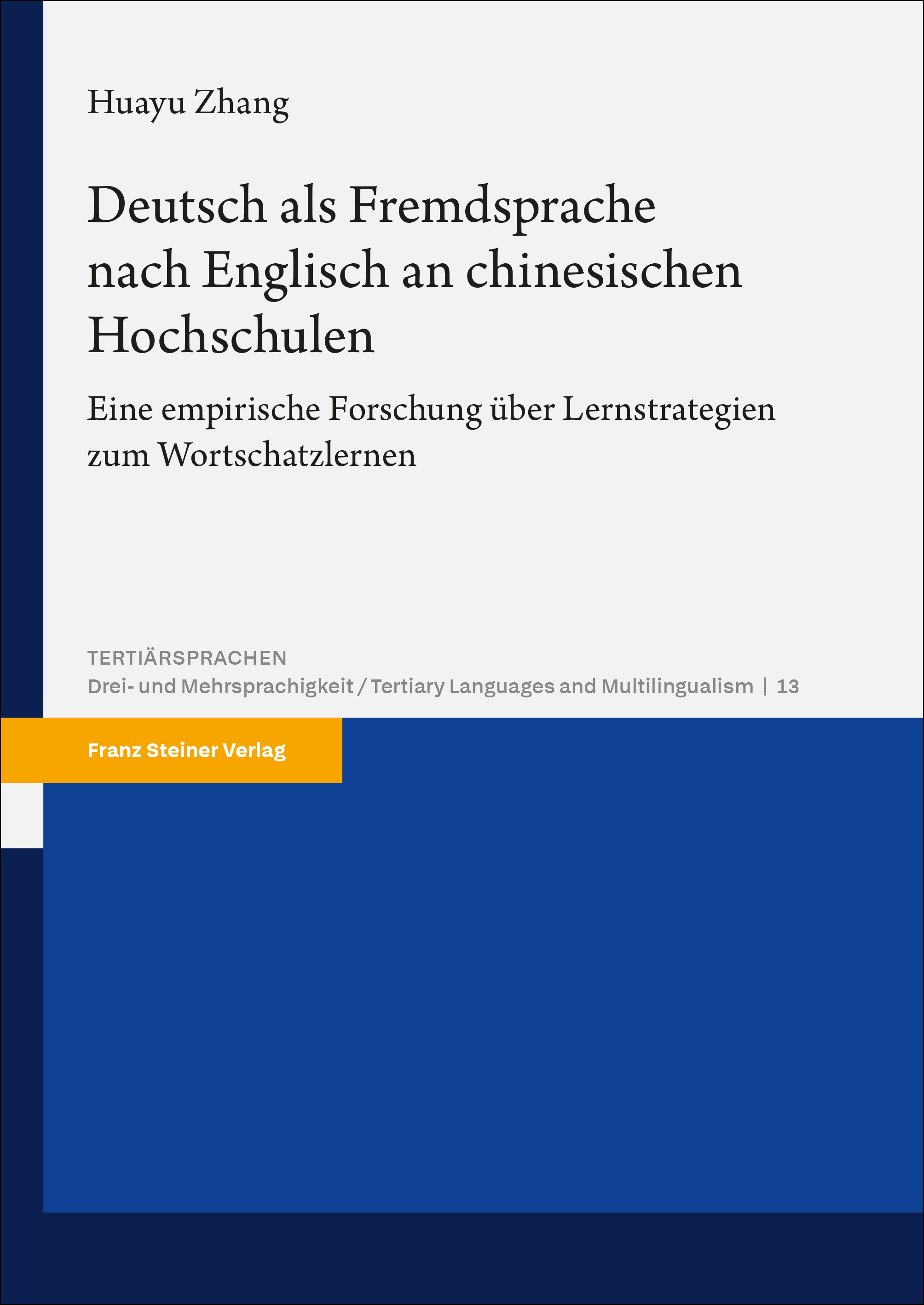 Deutsch als Fremdsprache nach Englisch an chinesischen Hochschulen
Eine empirische Forschung über Lernstrategien zum Wortschatzlernen


 Exploring Gender Dynamics across the Ancient Near East
Collected Essays of Gender and Methodology in the Ancient Near East (GeMANE) 4 and 5
Volume 7


 Ḫattušaš utnē išḫameški
Hittite and Other Ancient Near Eastern Studies Presented to Piotr Taracha on the Occasion of His 65th Birthday





 Kultur – Kontakt – Kultur
Beiträge anlässlich der 66. Rencontre Assyriologique Internationale in Frankfurt/Main und Mainz, 25.–29. Juli 2022
Volume 35




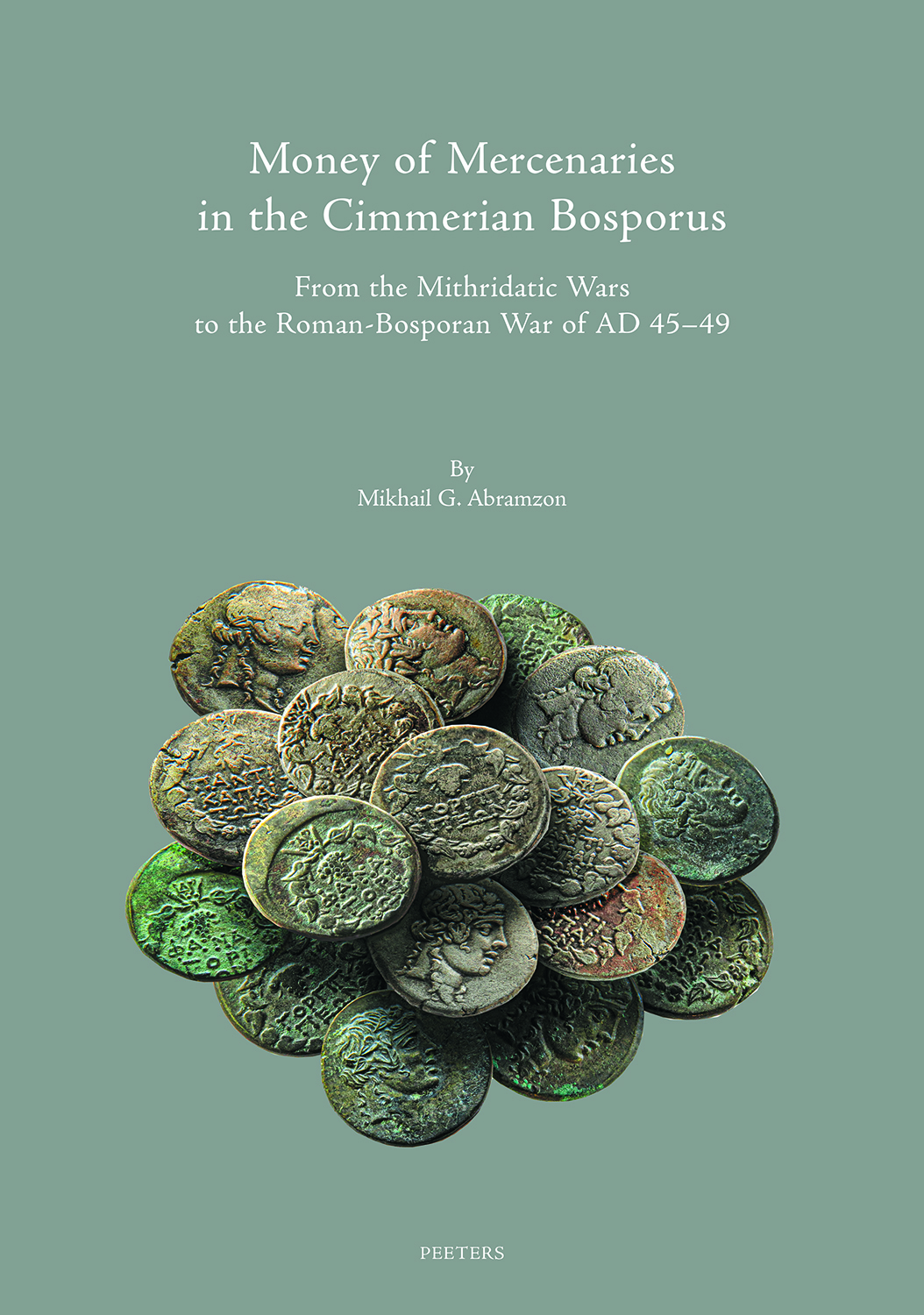 Money of Mercenaries in the Cimmerian Bosporus
From the Mithridatic Wars to the Roman-Bosporan War of AD 45-49
Volume 45


