
Wahrheitszeugnis, Gottes Auftrag und Zeitkritik
Die Kirchengeschichte der Magdeburger Zenturien und ihre Arbeitstechniken
by Harald Bollbuck

Hardback (Published)
(December 2014)
ISBN: 9783447102506
Price: $109.00
On back order
English summary: Church history during the 16th century Reformation was a heavily contested field upon which the interpretation and protection of each confession was negotiated. The Magdeburg “Centuriators” was the first attempt by a group of Lutheran theologians and scholars to completely record the history of the development of doctrines from the time of the original church to the present. The focus of the accounts was the dogmatic beliefs of their own confessional groups, whose eternal truths history should prove. The Centuriators did not aim at just the papacy, but also one the dissident current within the Lutheran camp. The project required a European-wide network of scholars and patrons in order to bring together the scattered sources and to finance the work in teams. The selection of sources and their value were invariably subject to confessional and political motives. At the same time, the Centuriators also developed new forms of critical, historical writing on the basis of manuscript sources and developed basic methods of paleography, diplomatics, and codicology. In his study, Harald Bollbuck investigates the formation of the Centuriators on the basis of a confessionally radical, apocalyptic and hierarchical thought. He reconstructs the development of the working group and the widely diffused, learned networks and incorporates the method of delegation and the working techniques of the Centuriators within contemporary discussions. German description: Kirchengeschichte war im Reformationsjahrhundert ein heftig umkampfter Schauplatz, auf dem die Deutung und die Absicherung der eigenen Konfession ausgehandelt wurden. Die Magdeburger Zenturien waren der erste Versuch einer Gruppe lutherischer Theologen und Gelehrter, die Geschichte der Lehrentwicklungen von den Zeiten der Urkirche bis zur Gegenwart vollstandig festzuhalten. Mittelpunkt der Darstellung waren die dogmatischen Vorstellungen der eigenen Konfessionsgruppe, deren ewige Wahrheit die Geschichte nachweisen sollte. Die Zenturien zielten nicht nur auf die Papstkirche, sondern auch auf abweichende Stromungen im lutherischen Lager. Es wurde ein europaweites Netzwerk von Gelehrten und Mazenen aufgebaut, um die weitverstreuten Quellen zusammenzutragen und die Arbeit im Team zu finanzieren. Dabei unterlagen die Auswahl der Quellen und ihre Auswertung stets konfessionellen und politischen Intentionen. Zugleich erschlossen die Zenturien aber auch neue Formen kritischer Geschichtsschreibung auf der Grundlage oftmals handschriftlicher Quellen und entwickelten Ansatze von Palaografie, Diplomatik und Kodikologie. Harald Bollbuck untersucht in seiner Studie die Entstehung der Zenturien auf der Basis eines konfessionell radikalen, apokalyptischen und obrigkeitskritischen Denkens. Er rekonstruiert den Aufbau der Arbeitsgruppe und des weitverzweigten, gelehrten Netzwerks und ordnet Methodik und Arbeitstechniken der Zenturien in die zeitgenossische Diskussion ein.
- By (author) Harald Bollbuck
Other Titles in this Series
 Vorwelten und Vorzeiten
Archaologie als Spiegel historischen Bewusstseins in der Fruhen Neuzeit
Volume 124


 Christianity beyond Christendom
The Global Christian Experience on Medieval Mappaemundi and Early Modern World Maps
Volume 149


 Adel und Mehrsprachigkeit in der Fruhen Neuzeit
Ziele, Formen und Praktiken des Erwerbs und Gebrauchs von Fremdsprachen
Volume 155

 Frauen – Bucher – Hofe
Wissen und Sammeln vor 1800. Women - Books - Courts: Knowledge and Collecting before 1800: Essays in honor of Jill Bepler
Volume 151
 Der Gelehrte im Haus
Ehe, Familie und Haushalt in der Standeskultur der fruhneuzeitlichen Universitat Helmstedt
Volume 139

 Quellen zur fruhneuzeitlichen Universitatsgeschichte
Typen, Bestande, Forschungsperspektiven
Volume 128
 Mabillon und andere
Die Anfange der Diplomatik. Aus dem Polnischen ubersetzt von Martin Faber
Volume 159


 Vera Doctrina
Zur Begriffsgeschichte der Lehre von Augustinus bis Descartes / L'idee de doctrine d'Augustin a Descartes
Volume 123

 Geschichtsschreibung aus der Bibliothek
Sesshafte Gelehrte und globale Wissenszirkulation (ca. 1750-1815
Volume 169

 Faith, Politics and the Arts
Early Modern Cultural Transfer between Catholics and Protestants
Volume 158
 Die innerchristlichen Religionsgesprache im Abendland
Regionale Verbreitung, institutionelle Gestalt, theologische Themen, kirchenpolitische Funktion. Mit besonderer Berucksichtigung des konfessionellen Zeitalters (1517-1689)
Volume 122


Similar Books
 ‘For You I Study, For You I Work, For You I Live, For You I Am Ready To Even Give My Life’
Essays in Honour of Francis (Frank) J Moloney, SDB




 Ars Prophetica
Theology in the Poetry of Twentieth-Century Hebrew Poets Avraham Halfi, Shin Shalom, Amir Gilboa, and T. Carmi
 As Messianism Turns to Heresy
The Regenstein Chair Lectures On Lurianic Kabbalah and Shabbatai Tzevi at Hebrew Union College - Cincinnati


 Drunk the Potion, No Whit Charmed
The Doctrine of Pure and Perfect Souls from Iamblichus to Damascius



 Extracanonical Traditions and the Holy Land
Texts, Rituals, and Material Culture in Late Antique Palestine
 Fear, Fear of God, God-Fearers
Philological and Historical Perspectives on the World of Ancient Judaism and Christianity




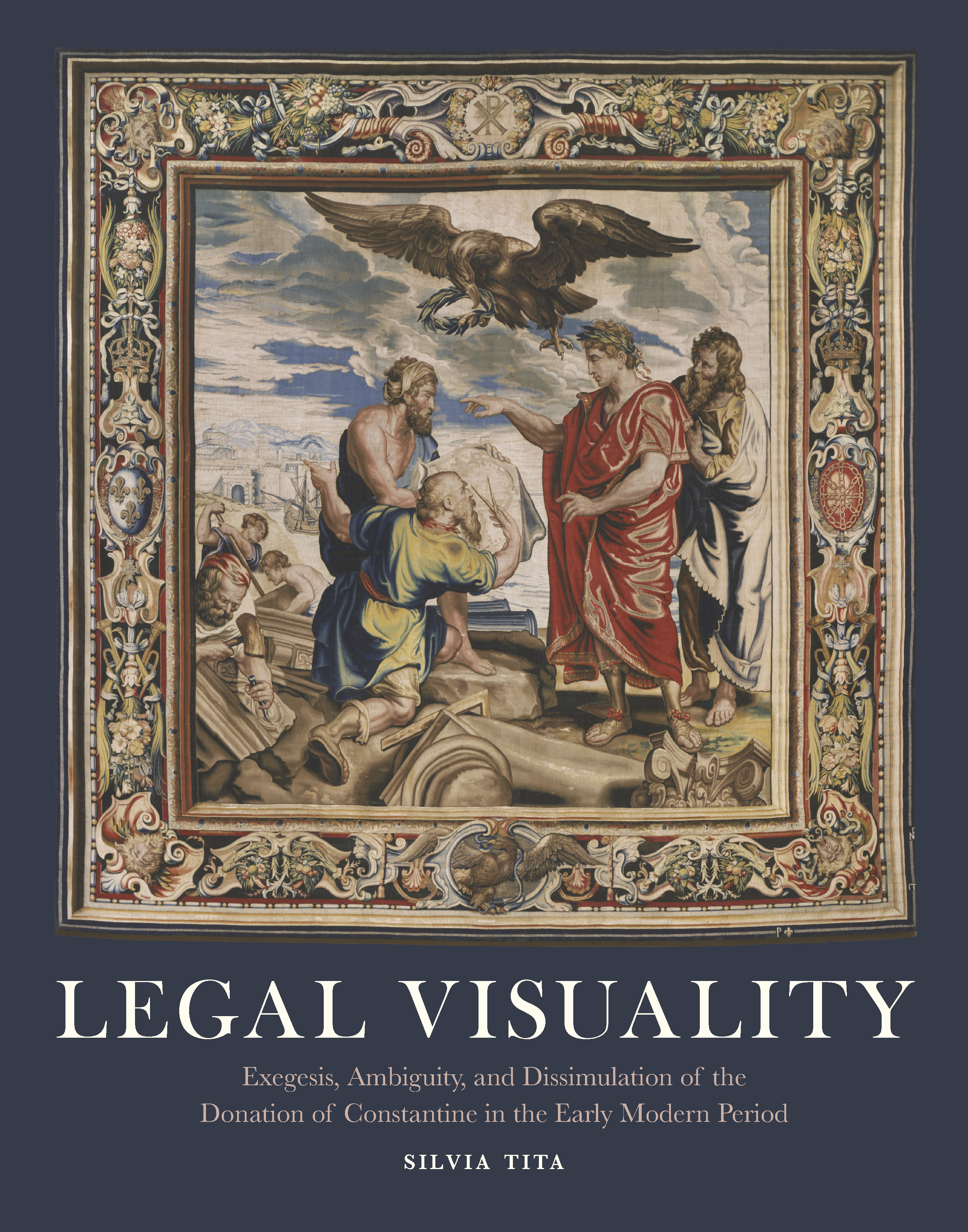 Legal Visuality
Exegesis, Ambiguity, and Dissimulation of the Donation of Constantine in the Early Modern Period
 Liturgia semper reformanda
Adaptations and accommodations in the liturgy in light of canon 838 of the Code of Canon Law


