
Die ‘Kunst des Adels’ in der Fruhen Neuzeit
edited by Claudius Sittig and Christian Wieland

English summary: In early modern Europe, membership in the nobility was not only a matter of social status, a rank one automatically achieved by virtue of “high birth,” but rather the individuals within this social group (and those who aspired to it) had to be validated frequently through specific actions and demeanor, as well as compete with other members of the nobility and against their non-aristocratic contemporaries. These performative aspects of “nobility” indicated a certain way of leading a noble life that was its own type of “art,” which could manifest itself across a number of different fields of competition and, to that end, also encouraged a specific engagement with the “arts” in a narrow sense – with literature, music, paintings, and architecture. This meant both that nobles operated in modes as patrons, connoisseurs, and consumers and also that productive artistic praxis was viewed as having traits of “nobility.” The interdisciplinary articles collected in this anthology offer comparative perspectives from European history on the questions of how the similar social and normative concepts of “noble” and “art” correlated to each other in the early modern period, and how members of the nobility were understood as “artists” and how art was considered “noble.” The individual studies come from the academic disciplines of languages and literature, history, and music as well as art history and they establish not only new perspectives on the culture of nobility between 1500 and 1800, but at the same time they also trace the genesis of the modern concept of “the autonomy of art.” German description: Die Zugehorigkeit zum Adel war im fruhneuzeitlichen Europa nicht nur ein sozialer Status, den man durch eine hohe Geburt unzweifelhaft besass – sie musste vielmehr kontinuierlich in bestimmten Haltungen und Handlungen beglaubigt werden, sowohl gegenuber Mitgliedern des eigenen Standes als auch gegenuber nicht-adligen Zeitgenossen. Dieser performative Aspekt von ‘Adeligkeit’ verweist auf eine eigene ‘Kunst, ein adeliges Leben zu fuhren’, die sich auf den verschiedensten Feldern zeigte. Dazu zahlte insbesondere auch ein bestimmter Umgang mit den ‘Kunsten’ im engeren Sinne – mit Literatur, Musik, Malerei und Architektur. Sowohl in spezifischen Modi der Patronage, der Kennerschaft und des Konsums, aber auch der produktiven kunstlerischen Praxis lassen sich Spuren von ‘Adeligkeit’ entdecken. Der interdisziplinar angelegte Sammelband geht in einer europaisch-vergleichenden Perspektive der Frage nach, wie die gleichermassen sozialen und normativen Begriffe des ‘Adels’ und der ‘Kunst’ in der fruhen Neuzeit aufeinander bezogen waren, wie sich Adlige als ‘Kunstler’ verstanden und Kunst als ‘adlig’ entworfen wurde. Die einzelnen Beitrage aus den Feldern der Sprach- und der Literaturwissenschaft, der Geschichts- und der Musikwissenschaft sowie der Kunstgeschichte eroffnen daher nicht nur neue Perspektiven auf die Adelskultur zwischen 1500 und 1800, sondern zugleich auch auf die Genese eines modernen Begriffs der ‘autonomen Kunst’.
English summary: In early modern Europe, membership in the nobility was not only a matter of social status, a rank one automatically achieved by virtue of “high birth,” but rather the individuals within this social group (and those who aspired to it) had to be validated frequently through specific actions and demeanor, as well as compete with other members of the nobility and against their non-aristocratic contemporaries. These performative aspects of “nobility” indicated a certain way of leading a noble life that was its own type of “art,” which could manifest itself across a number of different fields of competition and, to that end, also encouraged a specific engagement with the “arts” in a narrow sense – with literature, music, paintings, and architecture. This meant both that nobles operated in modes as patrons, connoisseurs, and consumers and also that productive artistic praxis was viewed as having traits of “nobility.” The interdisciplinary articles collected in this anthology offer comparative perspectives from European history on the questions of how the similar social and normative concepts of “noble” and “art” correlated to each other in the early modern period, and how members of the nobility were understood as “artists” and how art was considered “noble.” The individual studies come from the academic disciplines of languages and literature, history, and music as well as art history and they establish not only new perspectives on the culture of nobility between 1500 and 1800, but at the same time they also trace the genesis of the modern concept of “the autonomy of art.” German description: Die Zugehorigkeit zum Adel war im fruhneuzeitlichen Europa nicht nur ein sozialer Status, den man durch eine hohe Geburt unzweifelhaft besass – sie musste vielmehr kontinuierlich in bestimmten Haltungen und Handlungen beglaubigt werden, sowohl gegenuber Mitgliedern des eigenen Standes als auch gegenuber nicht-adligen Zeitgenossen. Dieser performative Aspekt von ‘Adeligkeit’ verweist auf eine eigene ‘Kunst, ein adeliges Leben zu fuhren’, die sich auf den verschiedensten Feldern zeigte. Dazu zahlte insbesondere auch ein bestimmter Umgang mit den ‘Kunsten’ im engeren Sinne – mit Literatur, Musik, Malerei und Architektur. Sowohl in spezifischen Modi der Patronage, der Kennerschaft und des Konsums, aber auch der produktiven kunstlerischen Praxis lassen sich Spuren von ‘Adeligkeit’ entdecken. Der interdisziplinar angelegte Sammelband geht in einer europaisch-vergleichenden Perspektive der Frage nach, wie die gleichermassen sozialen und normativen Begriffe des ‘Adels’ und der ‘Kunst’ in der fruhen Neuzeit aufeinander bezogen waren, wie sich Adlige als ‘Kunstler’ verstanden und Kunst als ‘adlig’ entworfen wurde. Die einzelnen Beitrage aus den Feldern der Sprach- und der Literaturwissenschaft, der Geschichts- und der Musikwissenschaft sowie der Kunstgeschichte eroffnen daher nicht nur neue Perspektiven auf die Adelskultur zwischen 1500 und 1800, sondern zugleich auch auf die Genese eines modernen Begriffs der ‘autonomen Kunst’.
- Edited by Claudius Sittig
- Edited by Christian Wieland
Other Titles in this Series


 Innovation in Forschung und Lehre
Die Philosophische Fakultat der Universitat Helmstedt in der Fruhaufklarung 1680-1740
Volume 132


 Reforming Early Modern Monarchies
The Castilian Arbitristas in Comparative European Perspectives
Volume 143


 Fruchtbringende Gesellschaft (1617-1680). Hundert Jahre nach der Reformation
Forschungen der Arbeitsstelle der Sachsischen Akademie der Wissenschaften an der Herzog August Bibliothek Wolfenbuttel
Volume 150


 Verfuhrung zur Galanterie
Benehmen, Korperlichkeit und Gefuhlsinszenierungen im literarischen Kulturtransfer 1664-1772
Volume 152
 Gebetsliteratur der Fruhen Neuzeit als Hausfrommigkeit
Funktionen und Formen in Deutschland und den Niederlanden
Volume 92


 Die Religionsphilosophie Christian Franckens (1552- 1610?)
Atheismus und radikale Reformation im Fruhneuzeitlichen Ostmitteleuropa
Volume 117
 Der Theologe und Schriftsteller Friedrich Dedekind (1524/5-1598). Eine Biographie
Mit einem Beitrag von Britta-Juliane Kruse zu Dedekinds geistlichen Spielen und der Erstedition der Hochzeit zu Cana in Galilea
Volume 145

 Theologe, Erbauungsschriftsteller, Hofprediger
Joachim Lutkemann in Rostock und Wolfenbuttel
Volume 136
 Medienphantasie und Medienreflexion in der Fruhen Neuzeit
Festschrift fur Jorg Jochen Berns
Volume 157
 Die litauische Wolfenbutteler Postille von 1573
Faksimile, kritische Edition und textkritischer Apparat
Volume 118
 Christianity beyond Christendom
The Global Christian Experience on Medieval Mappaemundi and Early Modern World Maps
Volume 149

 Vorwelten und Vorzeiten
Archaologie als Spiegel historischen Bewusstseins in der Fruhen Neuzeit
Volume 124


 Frauen – Bucher – Hofe
Wissen und Sammeln vor 1800. Women - Books - Courts: Knowledge and Collecting before 1800: Essays in honor of Jill Bepler
Volume 151
 Wahrheitszeugnis, Gottes Auftrag und Zeitkritik
Die Kirchengeschichte der Magdeburger Zenturien und ihre Arbeitstechniken
Volume 138
Similar Books
 A Collaborative Tapestry in Honour of Shirley Ann Brown / Une fresque brodée en l’honneur de Shirley Ann Brown
The Bayeux Tapestry Seen by her Colleagues and Friends / La Tapisserie de Bayeux vue par ses collègues et amis


 Balthasar Caymox of Nuremberg
Early Modern German Print Publishers: Popular Prints of the Seventeenth Century
 Beyond Sovereign Courts
Agents and Practices in Early Modern Spanish and Habsburg Diplomacy
Volume 3

 Circulation, Use, Impact
The Consumption of Architectural Books in the Early Modern Eastern Adriatic
Volume 1


 Councils, Conflicts, Correspondence
Urban Diplomacy in Reval (Tallinn) and Lübeck (c. 1470–1570)
Volume 67


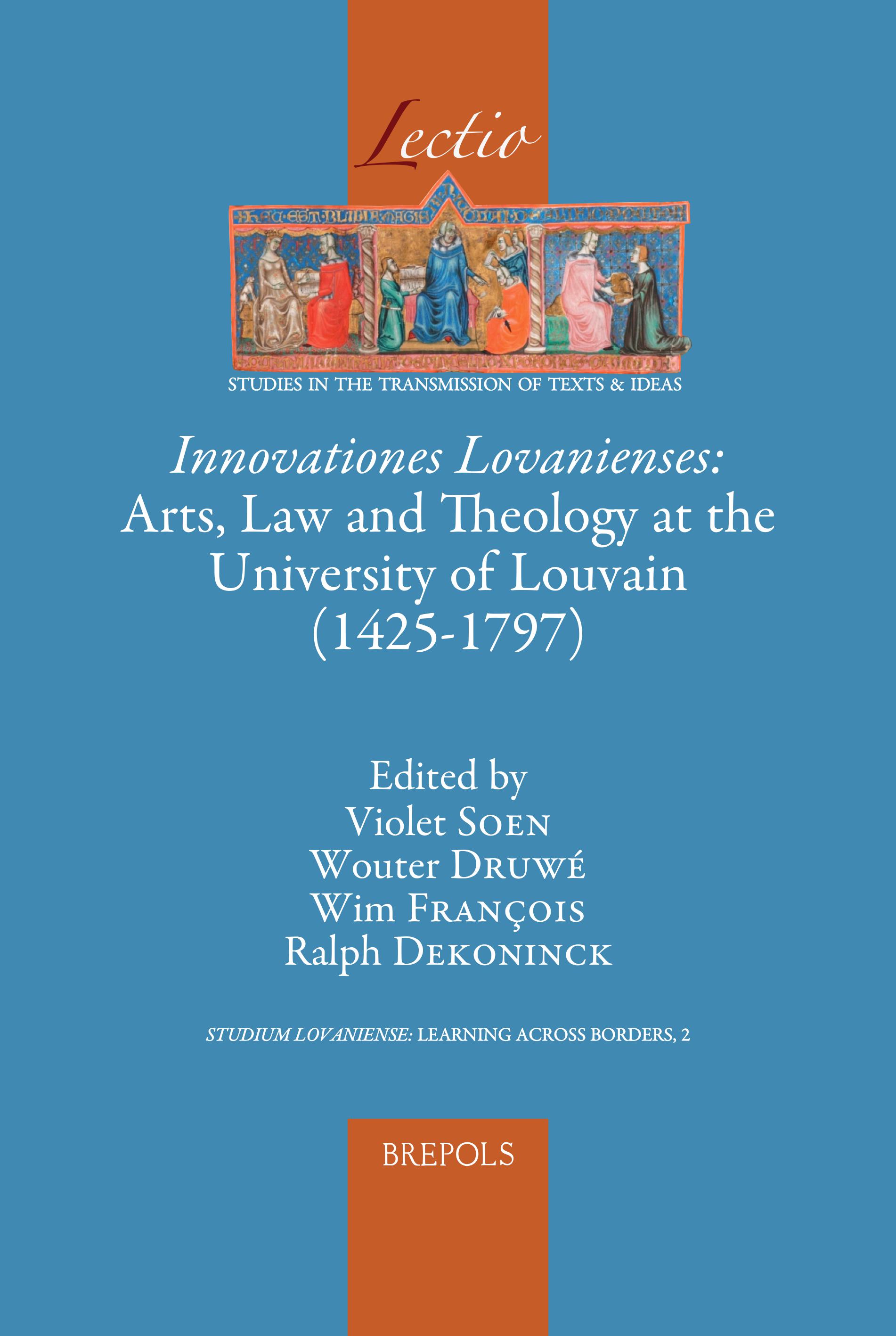 Innovationes Lovanienses: Arts, Law and Theology at the University of Louvain (1425–1797)
Studium Lovaniense: Learning across Borders, 2
Volume 18
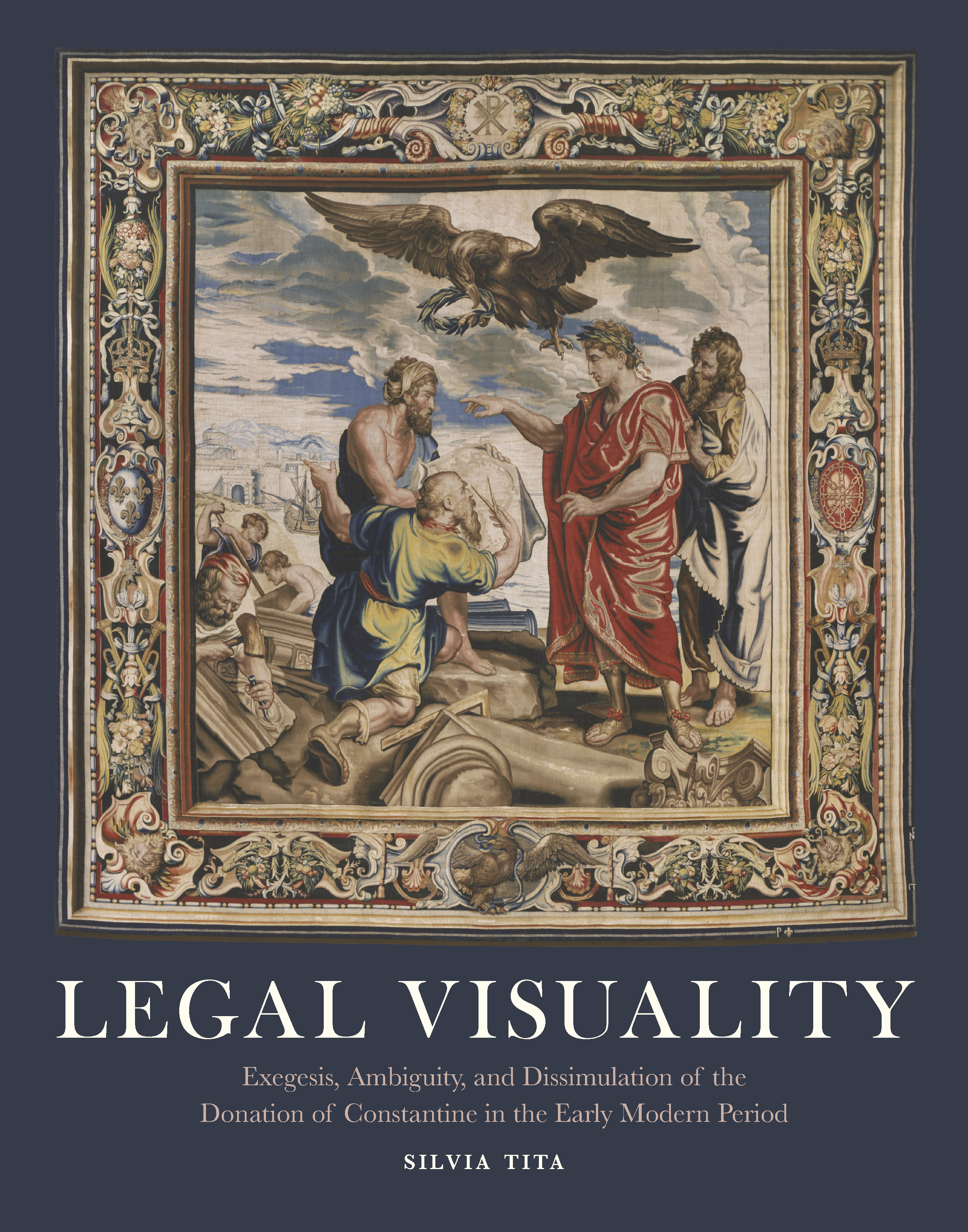 Legal Visuality
Exegesis, Ambiguity, and Dissimulation of the Donation of Constantine in the Early Modern Period
 Monastic Manuscripts from the Eastern Mediterranean (Sinai, Jerusalem, Antioch)
Production, Use, and Contexts

 Naples as Laboratory / Laboratorium Neapel
Style Options, Artistic Rivalry and Self Fashioning in Neapolitan Baroque Painting / Plurale Stilbildung, Kunstlerkonkurrenz und Self Fashioning in der neapolitanischen Barockmalerei

 Nurturing the Elite
Representations of Drinking, Eating, and Religious Vessels in Palmyrene Funerary Iconography
Volume 13


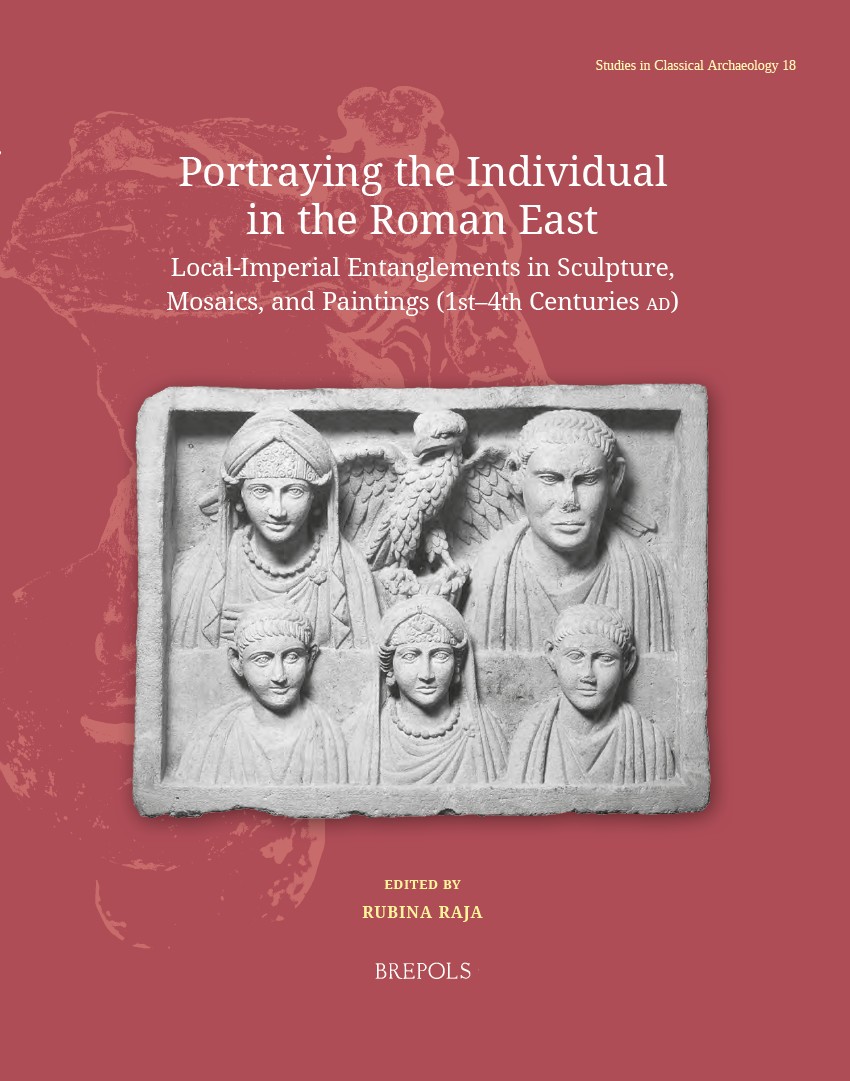 Portraying the Individual in the Roman East
Local–Imperial Entanglements in Sculpture, Mosaics, and Paintings (First–Fourth Centuries AD)
Volume 18
 Power and Women in Southeast and Central Europe in Late Medieval and Early Modern Period (1300-1600)
Volume 10


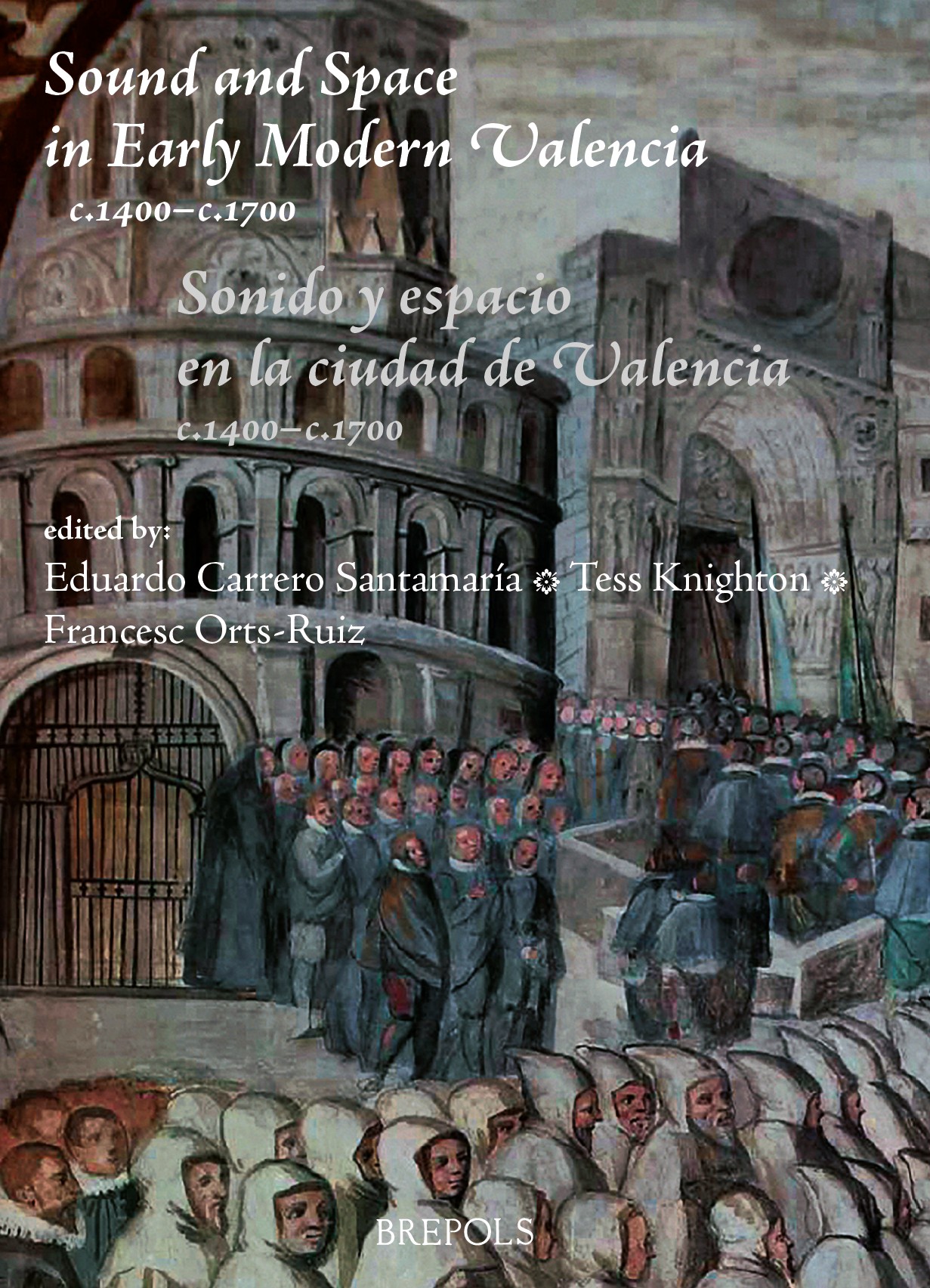
 Staging the Spectacle of Majesty
Ceremonial, Courtly Space, and Collecting under the Spanish Habsburgs
Volume 9
 Students, Scholars and Their Books at the University of Louvain (1425-1797)
Studium Lovaniense: Learning across Borders, 1
Volume 17


 Technical Studies of Asian Art
Proceedings of the Seventh Forbes Symposium at the Freer Gallery of Art
