
Tomb Security in Ancient Egypt from the Predynastic to the Pyramid Age
By (author) Reg Clark

Paperback (Published)
(March 2016)
ISBN: 9781784912994
8.07 x 11.46 inches
Price: $140.00
In stock
This book presents an in-depth analysis of the architecture of tomb security in Egypt from the Predynastic Period until the early Fourth Dynasty by extrapolating data on the security features of published tombs from the whole of Egypt and gathering it together for the first time in one accessible database.
Egyptians went to great lengths to protect their dead from the omnipresent threat of robbery by incorporating specially developed architectural features in their tombs. However, the architecture of tomb security has rarely been studied as a subject in its own right and is usually treated as a secondary topic in publications of a scholarly nature, which tend to regard its role as incidental to the design of the tomb rather than perhaps being the driving force behind it. This issue had been raised in the early Twentieth Century by Reisner (1908: 11), who suggested that the rapid evolution of Egyptian tomb substructures was as a result of the desire for tomb security and more ostentatious tombs, rather than a development spurred by religious or funerary practices. Taking this premise much further, this book presents an in-depth analysis of the architecture of tomb security in Egypt from the Predynastic Period (c. 5000-4000 BC) until the early Fourth Dynasty (c. 2500 BC) by extrapolating data on the security features of published tombs from the whole of Egypt and gathering it together for the first time in one accessible database. Using the information assembled it adds new information to the current body of knowledge concerning the architecture of tomb security and explains many of the underlying reasons behind their adoption. By thematically analysing these features in order to draw conclusions it also demonstrates that many aspects of the architecture of the Egyptian tomb over this period, in both royal and private contexts-whilst subject to changing tastes, needs and ideologies-had indeed originated as the result of the need to protect the tomb or improve its security.
1. Introduction
2. Substructure and access route typology
3. The early precursors of tomb security
4. The defence of the burial chamber
5. The security of the access route and its blockings
6. Mounds, mastabas and pyramids - the security of the superstructure
7. Conclusion
Bibliography
Charts A-Q
Tomb Catalogue
- By (author) Reg Clark
Other Titles in this Series
 Rise of the Hyksos
Egypt and the Levant from the Middle Kingdom to the Early Second Intermediate Period
 I templi del Fayyum di epoca tolemaico-romana: tra fonti scritte e contesti archeologici
Per una classificazione degli edifici sacri nell’Egitto tolemaico e romano


 The Production, Use and Importance of Flint Tools in the Archaic Period and the Old Kingdom in Egypt

 Australasian Egyptology Conference 4
Papers from the Fourth Australasian Egyptology Conference Dedicated to Gillian E. Bowen

 Religious Practice and Cultural Construction of Animal Worship in Egypt from the Early Dynastic to the New Kingdom
Ritual Forms, Material Display, Historical Development

 ‘Blood Is Thicker Than Water’ – Non-Royal Consanguineous Marriage in Ancient Egypt
An Exploration of Economic and Biological Outcomes
 The Human Brain in Ancient Egypt
A Medical and Historical Re-evaluation of Its Function and Importance


 Body, Cosmos and Eternity
New Trends of Research on Iconography and Symbolism of Ancient Egyptian Coffins
 Studies on the Vignettes from Chapter 17 of the Book of the Dead
I: The Image of mś.w Bdšt in Ancient Egyptian Mythology


 Chronological Developments in the Old Kingdom Tombs in the Necropoleis of Giza, Saqqara and Abusir
Toward an Economic Decline during the Early Dynastic Period and the Old Kingdom


Similar Books







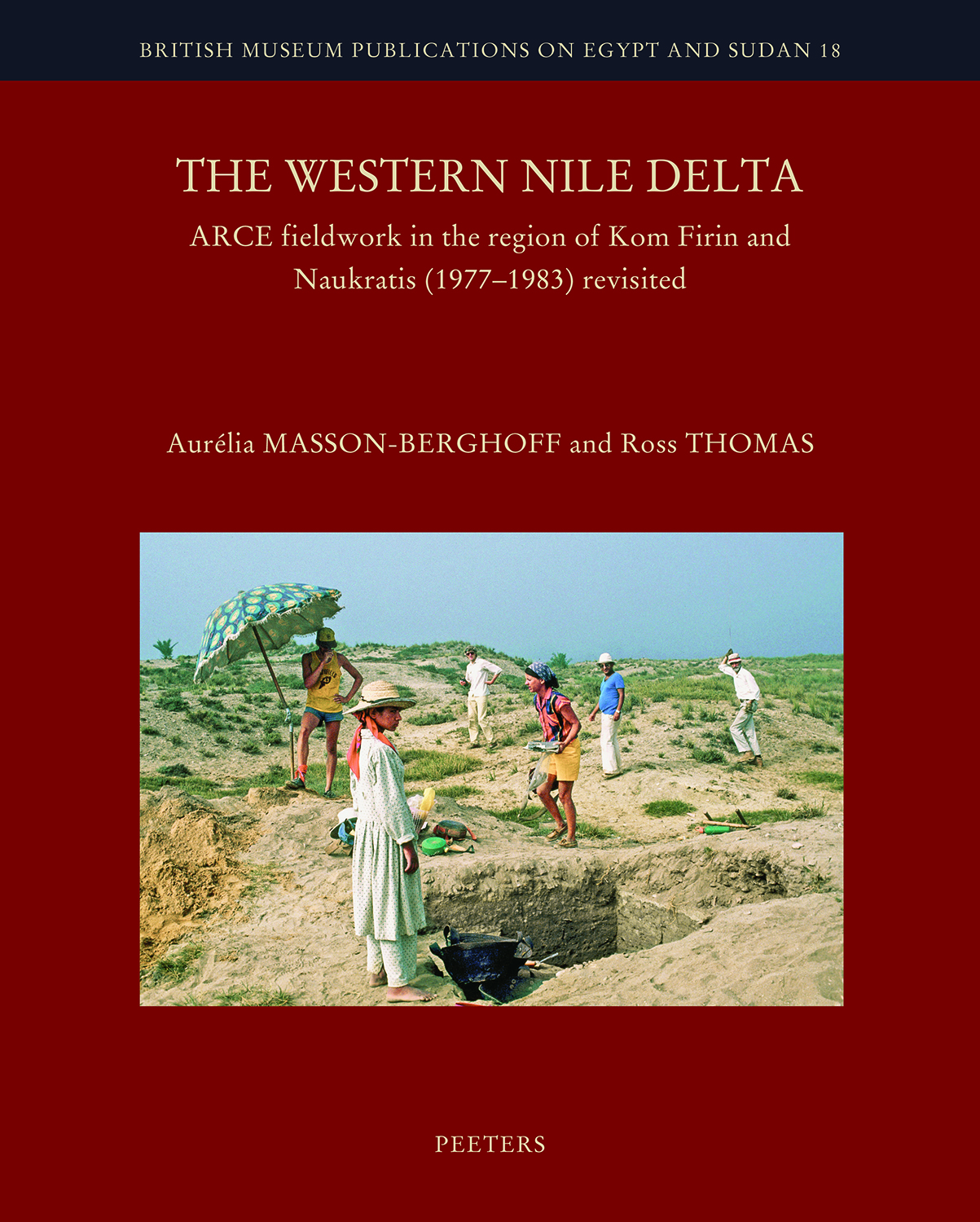 The Western Nile Delta
ARCE Fieldwork in the Region of Kom Firin and Naukratis (1977-1983) Revisited
 Archaeological Discoveries at the Temple of Ramesses II in Abydos
Vol. 2: Old Kingdom Wall, Papyri, Ostraca, and Leather Remains



 The Southern Room of Amun in the Temple of Hatshepsut
Volume 2: Studies on Decoration and Ritual Function
Volume 11

 Die Ägyptenworte im Ezechielbuch
Eine literarhistorische und religionsgeschichtliche Analyse von Ez 29–32
 Du côté de chez Zeus
Fouilles de la Mission archéologique française du désert Oriental à Abû Qurayya (Dios) et Bi’r Bayza (y inclus O.Dios I 1-67)
Volume 98
 La littérature de l’Égypte ancienne. Volume V
Nouvel Empire : XVIIIe dynastie. Eulogies et narrations royales, contes, enseignements et littérature d’idée
 Lehrreiche Literatur
Die didaktische Gestaltung von Plutarchs Quaestiones Graecae und Romanae und Gellius' Noctes Atticae

 Nouvelles perspectives sur le Traité anonyme du Codex Bruce. New Perspectives on the Untitled Treatise of the Bruce Codex
(Colloque international, Québec, Université Laval, 13 avril 2018)
Volume 11


 Ägypten und Levante XXXIV / Egypt and the Levant XXXIV (2024)
Internationale Zeitschrift für ägyptische Archäologie und deren Nachbargebiete / International Journal for Egyptian Archaeology and Related Disciplines

 Ancient Egypt in 50 Discoveries
Highlights from the first century of the Egypt Exploration Society
Volume 8
 Archaeological Discoveries at the Temple of Ramesses II in Abydos
Vol. 1: Magazines, Animal Burials, and Miscellanea
 Building an 18th Dynasty Tomb at Thebes
Construction Records from Mery's Funerary Complex (TT 95) in Context
Volume 4

 Current Research in Egyptology 2024
Proceedings of the Twenty-Fourth Annual Symposium, Jointly Organised by the University of Liverpool, Swansea University, University of Birmingham, University of Oxford, and University of Wales Trinity Saint David, 2–6 September 2024


 From Egypt to the Levant and Beyond
African Individuals and Groupsain Cuneiform Texts from the Late Bronze Age
Volume 133