
The Late Medieval Cistercian Monastery of Fountains Abbey, Yorkshire
Monastic Administration, Economy, and Archival Memory
By (author) Michael Spence

Founded in 1132, Fountains Abbey became the wealthiest English Cistercian monastery – yet relatively little analysis has been made of its surviving records to investigate how its wealth was controlled and sustained. This book deals with this secular aspect of the religious community at Fountains, investigating in particular the way in which prosaic business records were compiled and redacted. It traces the transmission of data from original charters through successive versions of cartularies, and in the process establishes the existence of a previously unknown manuscript. It also reveals how abbots in the fifteenth century interacted with and adapted the records in their care. In this process, two quite different aspects of monastic life are uncovered. First, it sheds new light on the history of Fountains Abbey through the fourteenth and fifteenth centuries, amongst other things how it responded to the turmoil of the Black Death, and discloses for the first time the allegiance of one abbot to the Lancastrian cause during the Wars of the Roses. Second, it reveals the worldly skills shown by the community of Fountains that were successfully applied to exploit the monastery’s large landholdings across Yorkshire, mainly through wool and agricultural production, but also through fisheries, tanning, mining, and metalworking. The economic success of these activities enabled the abbey to become a prosperous institution which rivalled the wealth of the aristocracy. This book addresses recordkeeping and archival memory at one, Cistercian, monastery – albeit a well-endowed and prosperous one – in the north of England. However, its treatment of archival sources could be extended to other houses in different geographical locations and different orders, to enable comparisons between monasteries dealing with economic change and social and political upheaval in the later Middle Ages.
Founded in 1132, Fountains Abbey became the wealthiest English Cistercian monastery – yet relatively little analysis has been made of its surviving records to investigate how its wealth was controlled and sustained. This book deals with this secular aspect of the religious community at Fountains, investigating in particular the way in which prosaic business records were compiled and redacted. It traces the transmission of data from original charters through successive versions of cartularies, and in the process establishes the existence of a previously unknown manuscript. It also reveals how abbots in the fifteenth century interacted with and adapted the records in their care. In this process, two quite different aspects of monastic life are uncovered. First, it sheds new light on the history of Fountains Abbey through the fourteenth and fifteenth centuries, amongst other things how it responded to the turmoil of the Black Death, and discloses for the first time the allegiance of one abbot to the Lancastrian cause during the Wars of the Roses. Second, it reveals the worldly skills shown by the community of Fountains that were successfully applied to exploit the monastery’s large landholdings across Yorkshire, mainly through wool and agricultural production, but also through fisheries, tanning, mining, and metalworking. The economic success of these activities enabled the abbey to become a prosperous institution which rivalled the wealth of the aristocracy. This book addresses recordkeeping and archival memory at one, Cistercian, monastery – albeit a well-endowed and prosperous one – in the north of England. However, its treatment of archival sources could be extended to other houses in different geographical locations and different orders, to enable comparisons between monasteries dealing with economic change and social and political upheaval in the later Middle Ages.
- By (author) Michael Spence
Other Titles in this Series
 Vaucelles Abbey
Social, Political, and Ecclesiastical Relationships in the Borderland Region of the Cambresis, 1131-1300
Volume 2


 Monastic Communities and Canonical Clergy in the Carolingian World (780-840)
Categorizing the Church
Volume 8


Similar Books
 ‘For You I Study, For You I Work, For You I Live, For You I Am Ready To Even Give My Life’
Essays in Honour of Francis (Frank) J Moloney, SDB
 A Collaborative Tapestry in Honour of Shirley Ann Brown / Une fresque brodée en l’honneur de Shirley Ann Brown
The Bayeux Tapestry Seen by her Colleagues and Friends / La Tapisserie de Bayeux vue par ses collègues et amis
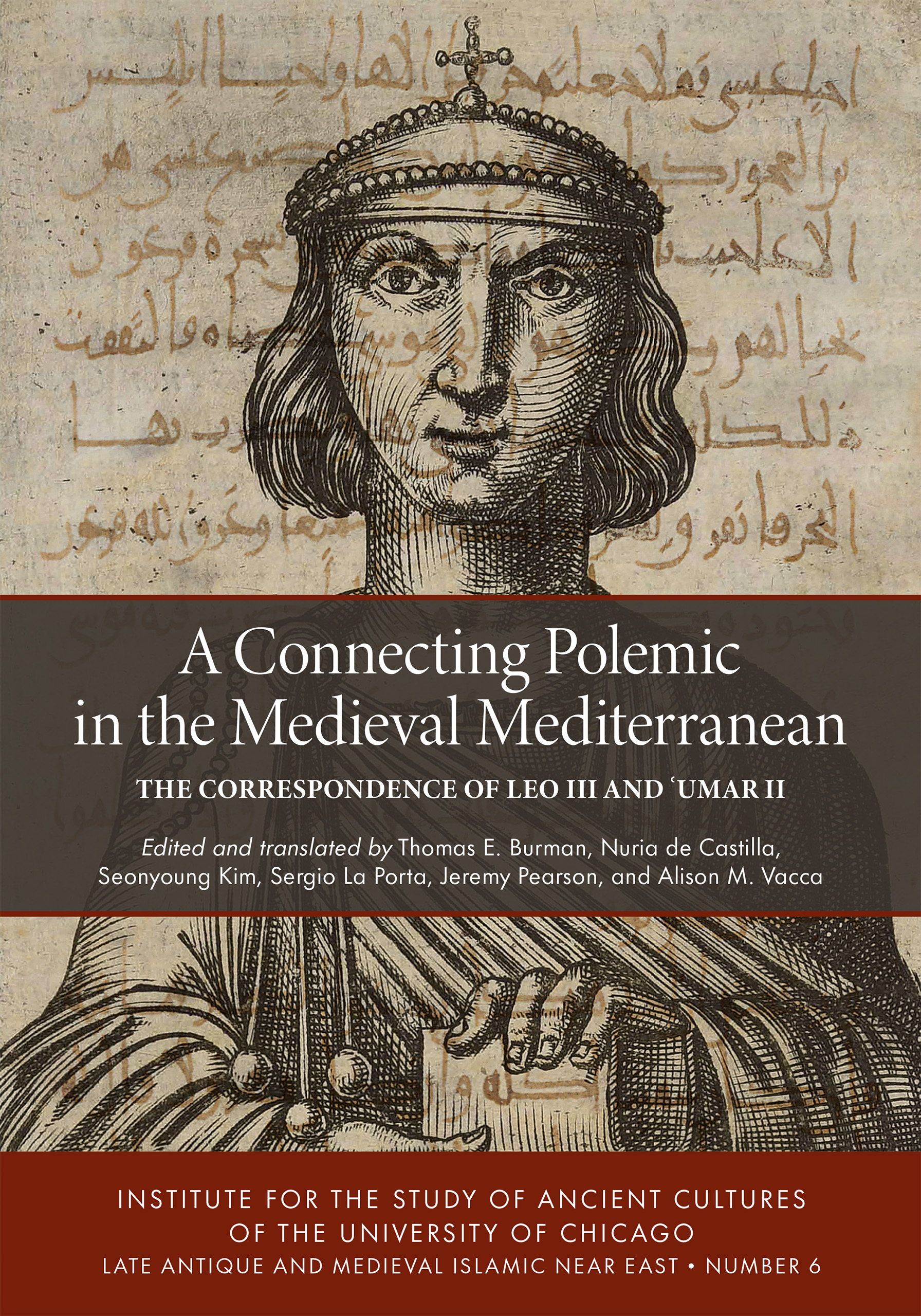 A Connecting Polemic in the Medieval Mediterranean
The Correspondence of Leo III and ʿUmar II
Volume 6






 Ars Prophetica
Theology in the Poetry of Twentieth-Century Hebrew Poets Avraham Halfi, Shin Shalom, Amir Gilboa, and T. Carmi
 As Messianism Turns to Heresy
The Regenstein Chair Lectures On Lurianic Kabbalah and Shabbatai Tzevi at Hebrew Union College - Cincinnati

 Behind the Scenes of Medieval Roofs
An Overview of the Roofing Systems of Italian Churches
Volume 90


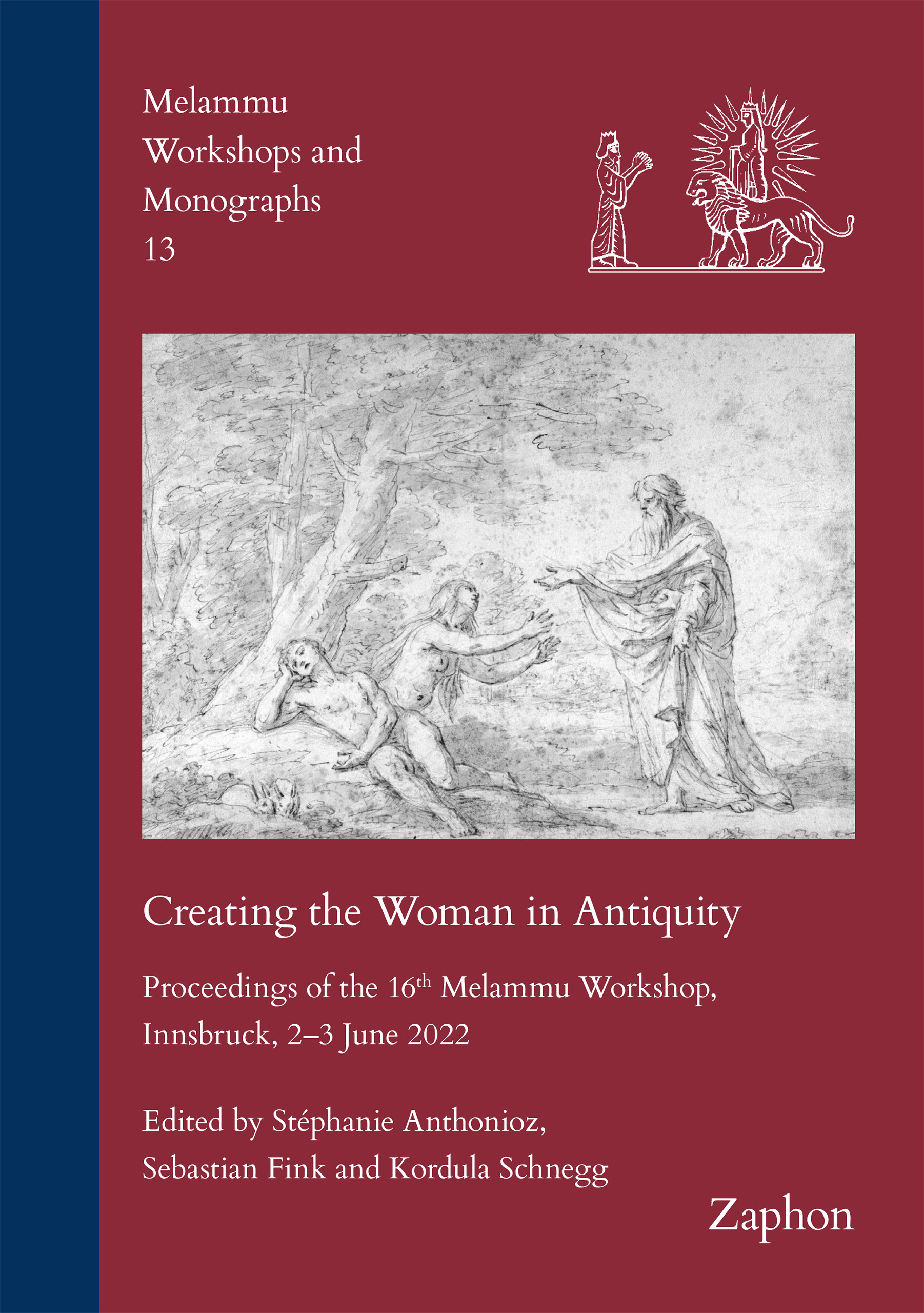 Creating the Woman in Antiquity
Proceedings of the 16th Melammu Workshop, Innsbruck, 2–3 June 2022
Volume 13


 Drunk the Potion, No Whit Charmed
The Doctrine of Pure and Perfect Souls from Iamblichus to Damascius




 Extracanonical Traditions and the Holy Land
Texts, Rituals, and Material Culture in Late Antique Palestine
 Fear, Fear of God, God-Fearers
Philological and Historical Perspectives on the World of Ancient Judaism and Christianity


