
Saint-Pierre d’Orbais
Social Space and Gothic Architecture at a Benedictine Monastery
By (author) Kyle Killian

Hardback (Published)
(June 2025)
ISBN: 9782503613864
6.1 x 9.17 inches
Price: $119.00
In stock
Integrated art historical, anthropological, and archaeological approaches offer avenues of investigation into a particular iteration of Gothic style in and around Orbais at the end of the twelfth century that speaks to the aspirations of the brothers who built and lived in the monastery as well as their relationship to the world arou
The fragmentary remains of the Benedictine monastery of Saint-Pierre d’Orbais in northwest Champagne preserves a particular iteration of Gothic style and technological achievement as well as the built environment of a community deeply embedded in the world around them. Through their architecture, successive generations of monks of Orbais, whose institutional life stretched from the end of the seventh century to end of the eighteenth century, were constantly seeking to clarify their position in the changing physical and social landscapes they inhabited. Although connected by a shared site, the architectural evidence from Orbais preserves remnants from several episodes of use and reuse. The site is treated thematically, starting with the boundaries that define the site, then the resources that shaped monastic life in this particular location, followed by the monastic landscapes that shaped the community as an institution. These categories reflect both the nature of our evidence for the contexts of building construction and the types of landscapes that were most active for the monastic community at Orbais over the long life of the site. The final chapter resituates the architectural history of the monastic church in light of these interrelated landscapes, contextualizing existing scholarship that treats it as a specifically Gothic monument, and providing lines of connection to medieval built environments more broadly.
- By (author) Kyle Killian
Other Titles in this Series
 Vaucelles Abbey
Social, Political, and Ecclesiastical Relationships in the Borderland Region of the Cambresis, 1131-1300
Volume 2

 Monastic Communities and Canonical Clergy in the Carolingian World (780-840)
Categorizing the Church
Volume 8


 The Late Medieval Cistercian Monastery of Fountains Abbey, Yorkshire
Monastic Administration, Economy, and Archival Memory
Volume 5
Similar Books
 A Collaborative Tapestry in Honour of Shirley Ann Brown / Une fresque brodée en l’honneur de Shirley Ann Brown
The Bayeux Tapestry Seen by her Colleagues and Friends / La Tapisserie de Bayeux vue par ses collègues et amis


 Balthasar Caymox of Nuremberg
Early Modern German Print Publishers: Popular Prints of the Seventeenth Century
 Behind the Scenes of Medieval Roofs
An Overview of the Roofing Systems of Italian Churches
Volume 90


 Circulation, Use, Impact
The Consumption of Architectural Books in the Early Modern Eastern Adriatic
Volume 1






 Innovation and Medieval Communities
The Circulation of Ideas and Practices in and out of the Town (1200-1500)
Volume 63
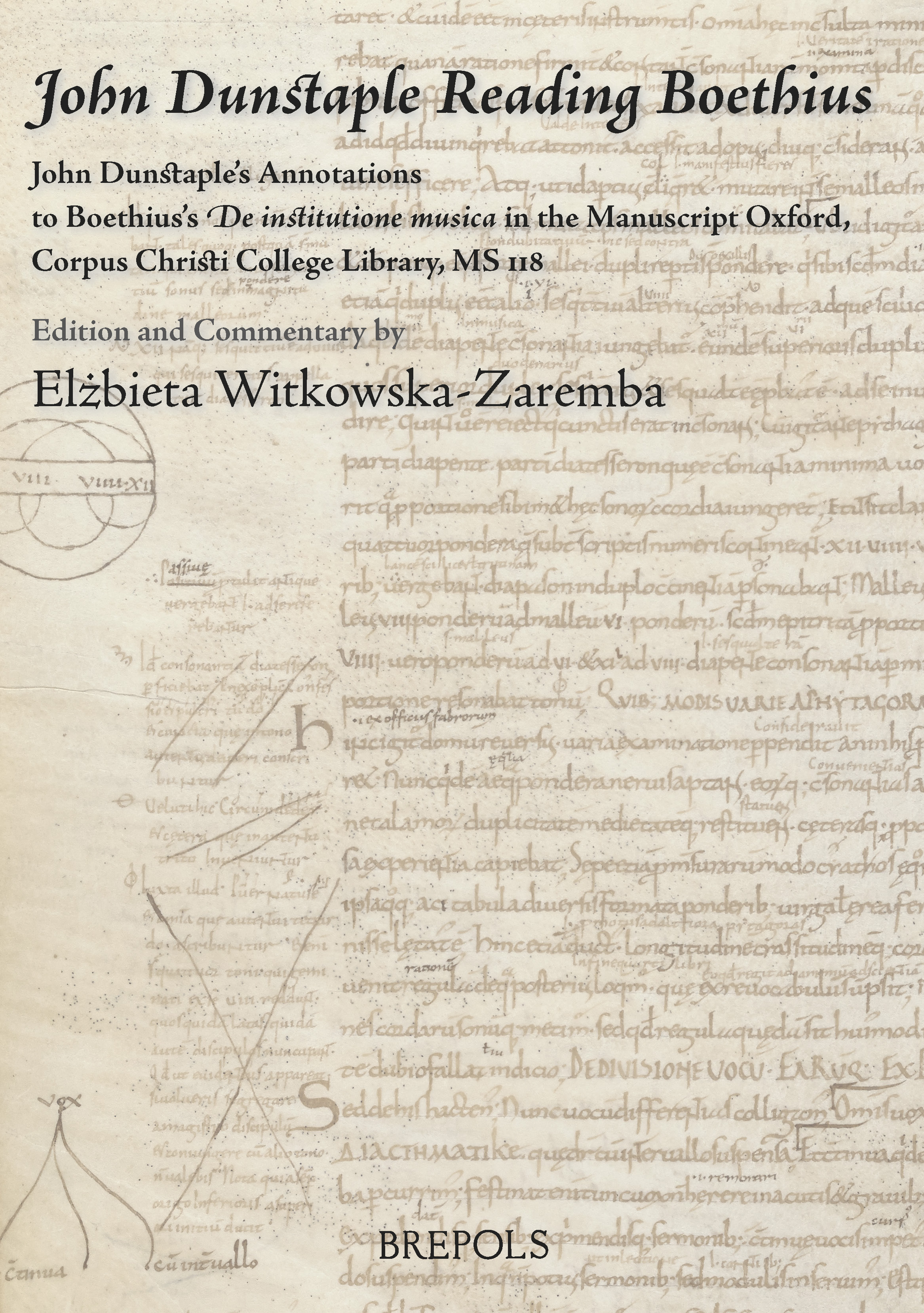 John Dunstaple Reading Boethius
John Dunstaple’s Annotations to Boethius’s “De institutione musica” in the Manuscript Oxford, Corpus Christi College Library, MS 118
 Late Antique villae in the Balkans (3rd–7th c. AD): Current Research Questions and Perspectives
HAEMUS Companion to the Late Antique Balkans 1
Volume 4
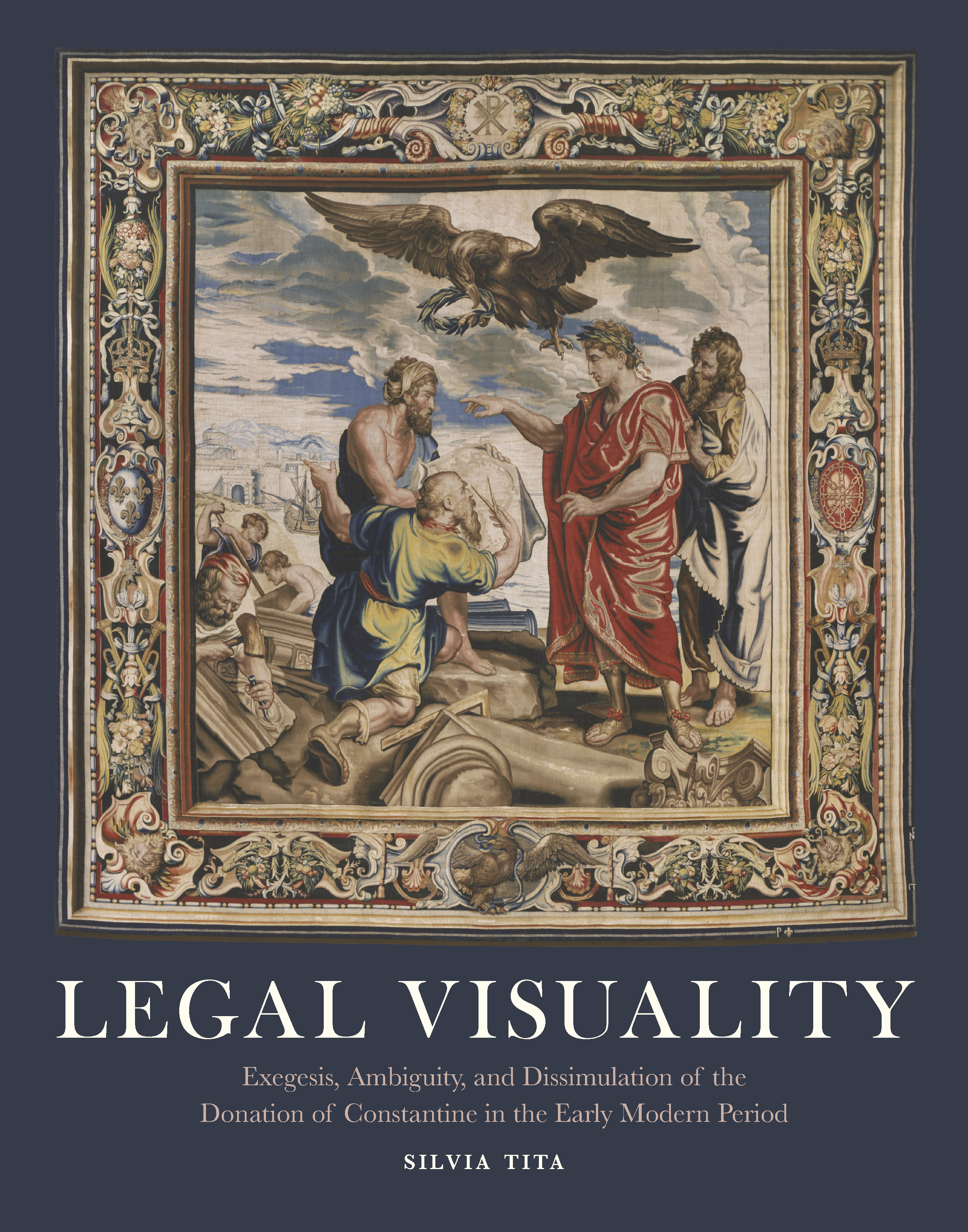 Legal Visuality
Exegesis, Ambiguity, and Dissimulation of the Donation of Constantine in the Early Modern Period
 Linguistic and Cultural Dynamics in a Frontier Society
New Perspectives on Northeastern Bavaria and Western Bohemia in the Early Middle Ages
Volume 9

 Medieval Debates on Foreknowledge: Future Contingents, Prophecy, and Divination
Acts of the XXVII Annual Colloquium of the SIEPM, Trento 12-15 September 2023
Volume 31
 Medieval Yeghegis, Armenia
History, Archaeology, Society. Local Multiplicities and Global Connections of a Rural Centre on the Silk Road(s)
 Monastic Manuscripts from the Eastern Mediterranean (Sinai, Jerusalem, Antioch)
Production, Use, and Contexts
 Naples as Laboratory / Laboratorium Neapel
Style Options, Artistic Rivalry and Self Fashioning in Neapolitan Baroque Painting / Plurale Stilbildung, Kunstlerkonkurrenz und Self Fashioning in der neapolitanischen Barockmalerei

 Nurturing the Elite
Representations of Drinking, Eating, and Religious Vessels in Palmyrene Funerary Iconography
Volume 13