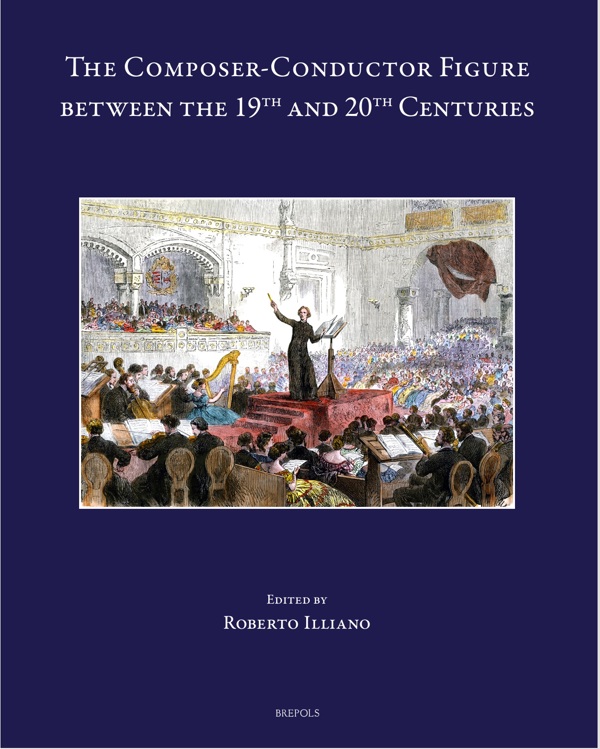
The Composer-Conductor Figure between the Nineteenth and Twentieth Centuries
Hardback (Published)
(October 2026)
ISBN: 9782503624679
8.31 x 10.67 inches
Price: $200.00
In this volume, twenty-four authors dedicate their chapters to the most important composer-conductors of the nineteenth and twentieth centuries.
Between the nineteenth and twentieth centuries, many great musicians served as both composers and conductors, often conducting their own works or those of other composers. In the nineteenth century, it was common for a talented musician to be a skilled performer (often a pianist or violinist), composer and conductor. Notable figures such as Liszt, Wagner, Mahler and Strauss conducted their own works to promote them and ensure their artistic integrity. Conducting was seen as a natural extension of musical creation rather than a separate career. However, the role of the conductor-composer changed significantly between these two centuries, reflecting the increasing complexity of music, the expansion of the orchestra, and above all, the emergence of conducting as a highly specialised and autonomous profession. Furthermore, while composer-conductors often took great interpretative liberties in the nineteenth century, an ideal of fidelity to the score slowly developed in the twentieth century. This was partly because twentieth-century scores required a much higher level of rhythmic precision and clarity of execution, favouring the development of rigorous conducting techniques. In this volume, twenty-four authors dedicate their chapters to the most important composer-conductors of the nineteenth and twentieth centuries, addressing them from various perspectives, including gesture, orchestral repertoire, reception, legacy, reputation, press criticism and their role in promoting new music.
Other Titles in this Series


 The Sound of Empire
Soundscapes, Aesthetics and Performance between Ancien regime and Restoration
Volume 51


 Vivaldi, Motezuma and the Opera Seria
Essays on a Newly Discovered Work and its Background
Volume 13

 Remapping the Classics
Haydn, Mozart and Beethoven in Spain during the Long Nineteenth Century
Volume 54


Similar Books






 John Dunstaple Reading Boethius
John Dunstaple’s Annotations to Boethius’s “De institutione musica” in the Manuscript Oxford, Corpus Christi College Library, MS 118
 Music and Colonialism in Fascist Italy
Identity, Propaganda, and Ethnographic Representation
Volume 13





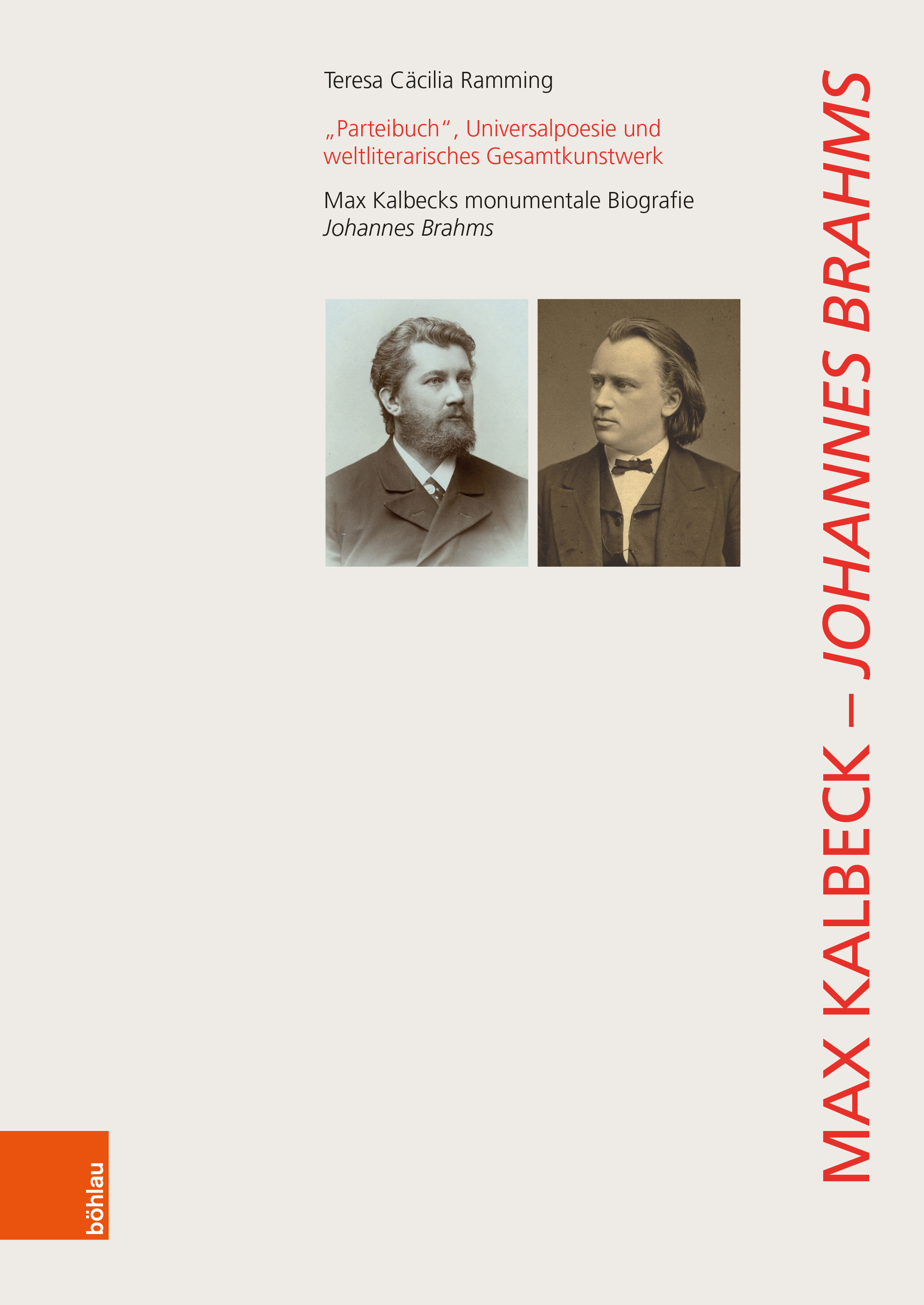 „Parteibuch“, Universalpoesie und weltliterarisches Gesamtkunstwerk
Max Kalbecks monumentale Biografie Johannes Brahms