
Music and the Figurative Arts in the Nineteenth Century
Edited by Roberto Illiano

In 1795 Friedrich Schiller wrote: “Die bildende Kunst in ihrer hochsten Vollendung muss Musik werden und uns durch unmittelbare sinnliche Gegenwart ruhren” (Schiller, Uber die asthetische Erziehung des Menschen, Letter XXII, 1795). This sentence underlines the fundamental aesthetic change that coincided at the onset of the nineteenth century. According to “ut musica pictura”, music becomes the model for an art able to express and communicate feelings. Even as music no longer necessarily has to embody order, so does painting move away from pure imitation to encompass emotional affect. Music and painting thus converge in embodying a sensual conception of the arts: music is capable of expressing emotions and arousing them in the audience; painting can do the same through visual perception. The present volume, which brings together 21 essays, focuses on encounters between composers and painters, but also on the relationship between music, literature and the figurative arts, as well as on the concurrence of musical and artistic aesthetics. Sections of the book are devoted to iconography, to the relationship with the theatrical arts (in particular the scenic aspect) and in one instance, to Franz Liszt.
In 1795 Friedrich Schiller wrote: “Die bildende Kunst in ihrer hochsten Vollendung muss Musik werden und uns durch unmittelbare sinnliche Gegenwart ruhren” (Schiller, Uber die asthetische Erziehung des Menschen, Letter XXII, 1795). This sentence underlines the fundamental aesthetic change that coincided at the onset of the nineteenth century. According to “ut musica pictura”, music becomes the model for an art able to express and communicate feelings. Even as music no longer necessarily has to embody order, so does painting move away from pure imitation to encompass emotional affect. Music and painting thus converge in embodying a sensual conception of the arts: music is capable of expressing emotions and arousing them in the audience; painting can do the same through visual perception. The present volume, which brings together 21 essays, focuses on encounters between composers and painters, but also on the relationship between music, literature and the figurative arts, as well as on the concurrence of musical and artistic aesthetics. Sections of the book are devoted to iconography, to the relationship with the theatrical arts (in particular the scenic aspect) and in one instance, to Franz Liszt.
- Edited by Roberto Illiano
Other Titles in this Series


 Vivaldi, Motezuma and the Opera Seria
Essays on a Newly Discovered Work and its Background
Volume 13

 Remapping the Classics
Haydn, Mozart and Beethoven in Spain during the Long Nineteenth Century
Volume 54


 Singing Speech and Speaking Melodies
Minor Forms of Musical Theatre in the 18th and 19th Century
Volume 43


 La Musique religieuse en France au XIXe siecle
Le sentiment religieux entre profane et sacre (1830-1914)
Volume 44


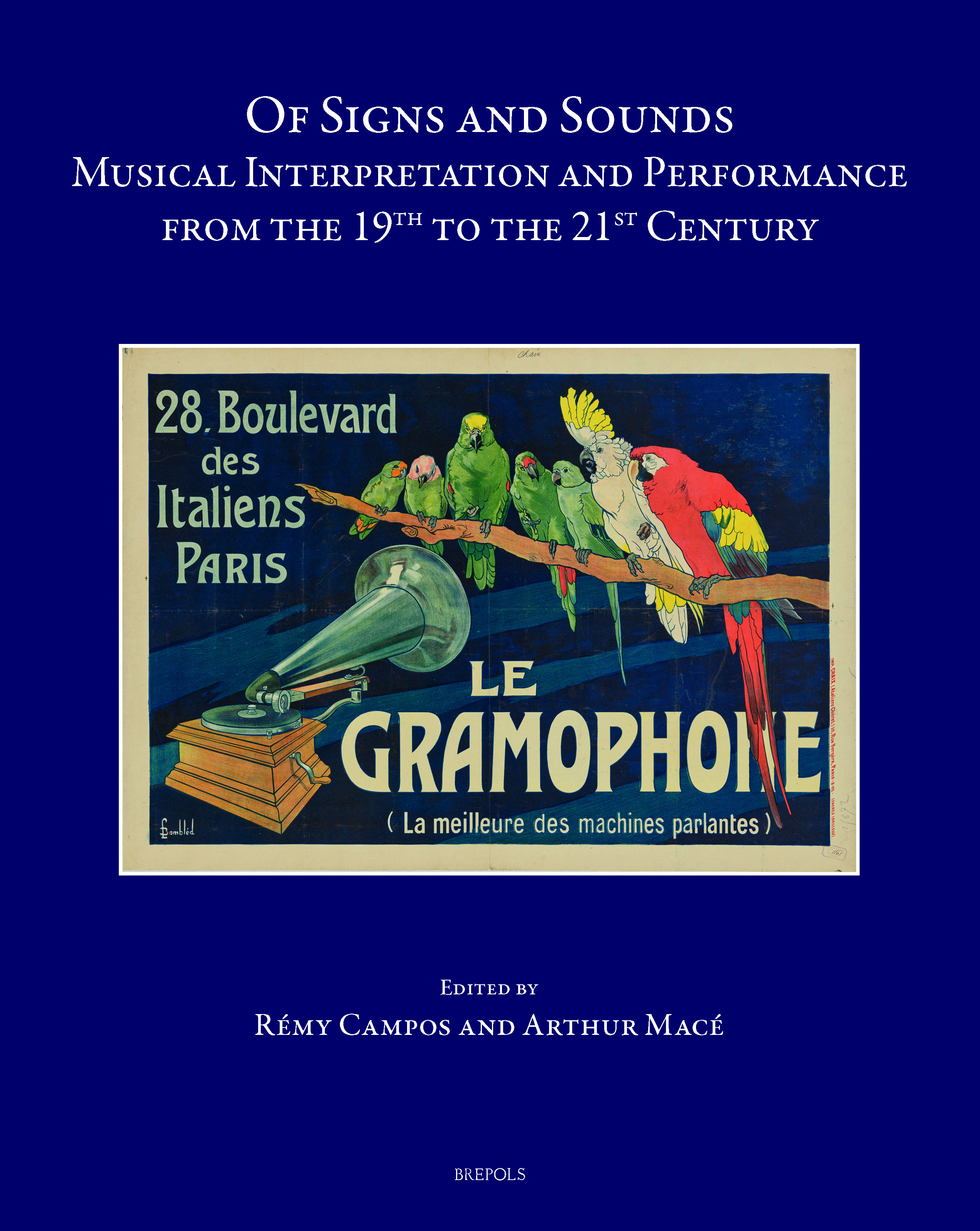 Of Signs and Sounds
Musical Interpretation and Performance from the 19th to the 21st Century
Volume 58
Similar Books
 A Collaborative Tapestry in Honour of Shirley Ann Brown / Une fresque brodée en l’honneur de Shirley Ann Brown
The Bayeux Tapestry Seen by her Colleagues and Friends / La Tapisserie de Bayeux vue par ses collègues et amis


 Balthasar Caymox of Nuremberg
Early Modern German Print Publishers: Popular Prints of the Seventeenth Century


 European Drama and Performance Studies
Dramatisations politiques. Théâtre, politique et idéologie au XIXe siècle (1806-1914)
Volume 27


 John Dunstaple Reading Boethius
John Dunstaple’s Annotations to Boethius’s “De institutione musica” in the Manuscript Oxford, Corpus Christi College Library, MS 118
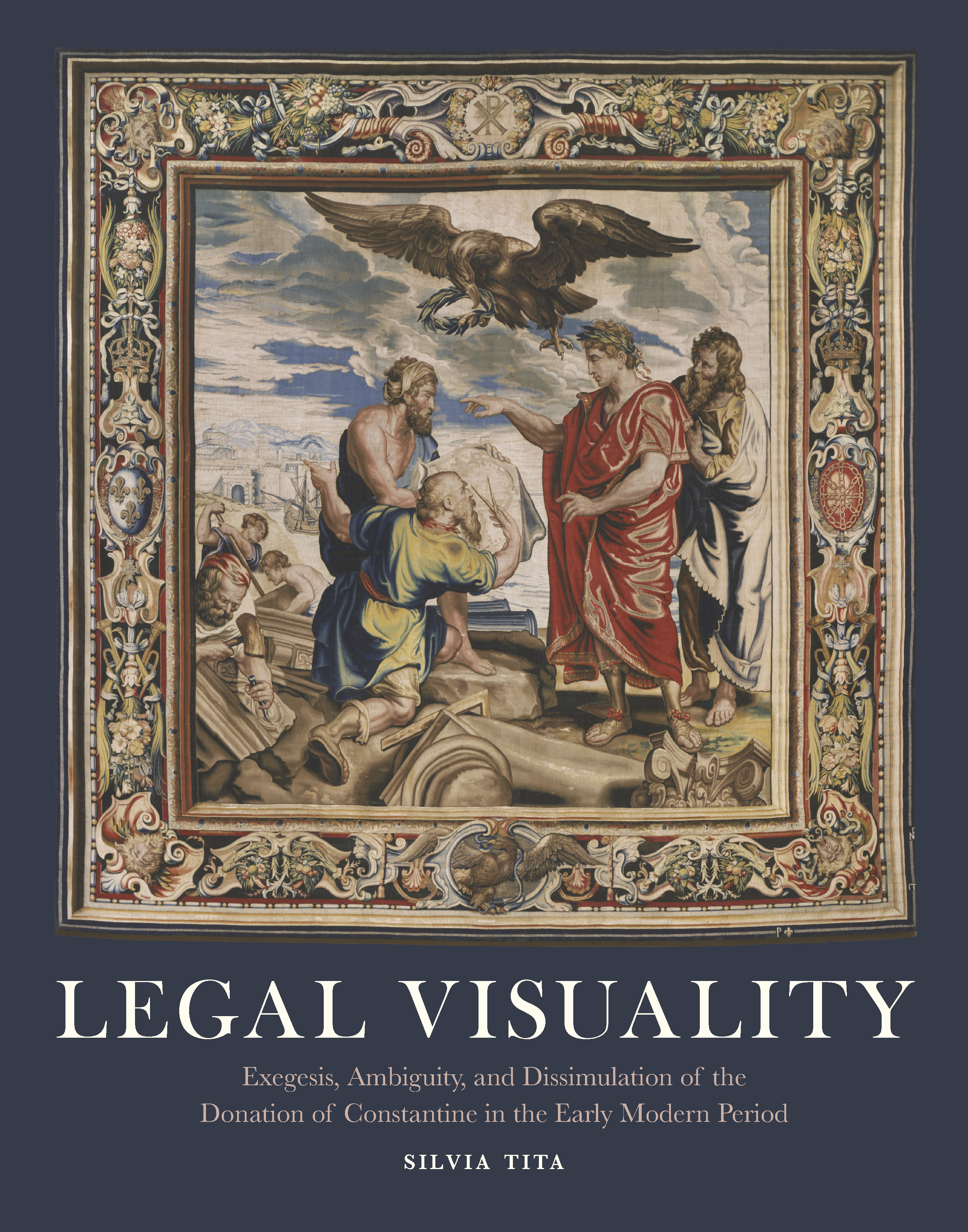 Legal Visuality
Exegesis, Ambiguity, and Dissimulation of the Donation of Constantine in the Early Modern Period
 Monastic Manuscripts from the Eastern Mediterranean (Sinai, Jerusalem, Antioch)
Production, Use, and Contexts
 Music and Colonialism in Fascist Italy
Identity, Propaganda, and Ethnographic Representation
Volume 13


 Naples as Laboratory / Laboratorium Neapel
Style Options, Artistic Rivalry and Self Fashioning in Neapolitan Baroque Painting / Plurale Stilbildung, Kunstlerkonkurrenz und Self Fashioning in der neapolitanischen Barockmalerei
 Nurturing the Elite
Representations of Drinking, Eating, and Religious Vessels in Palmyrene Funerary Iconography
Volume 13

 Performing Science, Mediating Knowledge
Science, Showmanship, and the Performance of Authority in the Long Nineteenth Century
Volume 21


 Portraying the Individual in the Roman East
Local–Imperial Entanglements in Sculpture, Mosaics, and Paintings (First–Fourth Centuries AD)
Volume 18


