
The Archaeology of Yucatán: New Directions and Data
Edited by Travis W. Stanton

Paperback (Published)
(October 2014)
ISBN: 9781784910082
8.27 x 11.69 inches
Price: $100.00
In stock
This volume was conceived to provide a forum for Mexican and foreign scholars to publish new data and interpretations on the archaeology of the northern Maya lowlands, specifically the State of Yucatan.
This volume was conceived to provide a forum for Mexican and foreign scholars to publish new data and interpretations on the archaeology of the northern Maya lowlands, specifically the State of Yucatan. Increased communication among scholars has become increasingly important for grasping a better understanding of the great amount of data emerging from the State of Yucatan. There has been more salvage work conducted in this state than in any of the others throughout Mexico and the data is overwhelming. Because of this large amount of salvage work, archaeologists in the INAH office in Yucatan have had little time to publish the great majority of the new information. Further, many of the forums that are easily accessible to scholars in the northern lowlands have constrictive space restraints not conducive to publishing data. With these points in mind, this volume seeks to gather papers that did not necessarily have to have a theoretical focus, and that could be data laden so that the raw data from many of these projects would not be confined to difficult to access reports in the Merida and Mexico City offices. The result is a series of manuscripts on the northern lowlands, most of which focus on the State of Yucatan. Some of the papers are very data heavy, while others have a much more interpretive emphasis. Yet all of them contribute to a more complete picture of the northern lowland Maya.
Preface (Travis W. Stanton) ;
Part I The Hill Region Chapter 2: Powerful Buildings: The Syntactical Analysis of an Elite Residential Group (Anna Catesby Yant) ;
Chapter 3: Settlement Dynamics, Climate Change, and Human Response at Xcoch in the Puuc Region of Yucatán, Mexico (Michael P. Smyth, David Ortegón Zapata, Nicholas P. Dunning, and Eric M. Weaver) ;
Chapter 4: Xcoch: Home of Ancient Maya Rain Gods and Water Managers (Nicholas P. Dunning, Eric Weaver, Michael P. Smyth, and David Ortegón Zapata) ;
Part II The Western Plains Chapter 6: Cronología y asentamiento del sitio de Acanceh, Yucatán (Beatriz Quintal Suaste) ;
Chapter 7: Un enclave de Oxkintok en el norte de Caucel a inicios del Clásico Tardío: El desarrollo de la estructura Bu 17/26 011-006 (Mónica Rodríguez Pérez, Teresa Ceballos Gallareta y Rubén Chuc Aguilar) ;
Chapter 8: The Pottery of Xtobó, Yucatán, Mexico: A Case Study of Maya Pottery Analysis (David S. Anderson) ;
Chapter 9: Análisis iconográfico de una vasija del noroeste de Yucatán (José Daniel Martínez Gastélum y Concepción Hernández Hernández) ;
Chapter 10: San Pedro Cholul: un asentamiento arqueológico del Clásico Tardío en la región de Mérida, Yucatán, México (Luis Raúl Pantoja Díaz, Cecilia Medina Martín y María José Gómez Cobá) ;
Chapter 11: Las costumbres funerarias en la periferia de Mérida, Yucatán (Cecilia del Socorro Medina Martín, María José Gómez Cobá y Luis Raúl Pantoja Díaz) ;
Chapter 12: La región hegemónica de Dzibilchaltún en la época prehispánica (Rubén Maldonado Cárdenas y Ángel Góngora Salas) ;
Chapter 13: Investigaciones arqueológicas en la región centro-norte del Estado de Yucatán (Miguel Covarrubias Reyna y Rafael Burgos Villanueva) ;
Chapter 14: Regional Integration Involving Ucí and its Causeway (Scott R. Hutson) ;
Part III The Central and Eastern Plains Chapter 16: Desplazamiento de pintores de Ek’ Balam a Chichén Itzá tras el reinado y Muerte de Ukit Kan Lek’ Tok (María Luisa Vázquez de Ágredos Pascual, Leticia Vargas de la Peña, Víctor R. Castillo Borges y Peter Schmidt) ;
Capítulo 17: A la sombra de Chichén Itzá: evaluando la iconografía de la región al suroeste de este sitio durante el Clásico Terminal (Aline Magnoni, Scott A. J. Johnson y Travis W. Stanton) ;
Chapter 18: A Discussion and Description of Pottery Types Identified at Popolá, Yucatán, Mexico (Scott A. J. Johnson) ;
Chapter 19: Late Classic Ceramic Technology and Its Social Implications at Yaxuná, Yucatán: A Petrographic Analysis of a Sample of Arena Group Ceramics (Tatiana Loya González and Travis W. Stanton) ;
Chapter 20: Una cueva colapsada en la Acrópolis Norte de Yaxuná (Travis W. Stanton y Nelda Issa Marengo Camacho) ;
Chapter 21: Las construcciones monumentales de Ek’ Balam (Leticia Vargas de la Peña y Víctor R. Castillo Borges) ;
Chapter 22: The Queen of Cobá: A Reanalysis of the Macanxoc Stelae (Stanley Paul Guenter) ;
PART IV COASTAL STUDIES Chapter 24: Isla Piedras: A Prehispanic Maya Trading Port on the Northern Campeche Coast (Armando F. Inurreta Díaz and Marieke W. Dusenbery) ;
PART V REGIONAL STUDIES Capítulo 26: Etnoanálisis, arqueología experimental y cerámica Maya de Yucatán: resultados de la resistencia tensil (Daniela Gremion, Travis W. Stanton y Rodrigo Martín Morales) ;
Chapter 27: The Sustainability of Prehispanic Maya Agroecosystems: Implications of Hunting and Animal Domestication in the Northern Maya Lowlands (Christopher M. Götz) ;
Chapter 28: Procesos de microadaptación de poblaciones arqueológicas en la península de Yucatán: la dinámica funcional del fémur (José Manuel Arias López) ;
Chapter 29: Mujeres mayas de elite: reinas belicosas (Lucía Quiñones y Sylviane Boucher)
- Edited by Travis W. Stanton
Other Titles in this Series
 Archaeological Paleography
A Proposal for Tracing the Role of Interaction in Mayan Script Innovation via Material Remains


 Wari Women from Huarmey
Bioarchaeological Interpretation of Human Remains from the Wari Elite Mausoleum at Castillo de Huarmey, Peru


 Obsidian Across the Americas
Compositional Studies Conducted in the Elemental Analysis Facility at the Field Museum of Natural History


 Metallurgy in Ancient Ecuador
A Study of the Collection of Archaeological Metallurgy of the Ministry of Culture, Ecuador

Similar Books


 Colour Concept “Secoli bui” a colori
Codici cromatici e architetture dipinte nell’età tardoantica e medievale
 Crossing Disciplines in the Study of Archaeology and Prehistoric Art: Insights from the Sahara and Mediterranean Africa
Proceedings of the XX UISPP World Congress (5–9 September 2023, Timișoara, Romania) Volume / Session 18
 Crossing Sacred Landscapes
Contacts and Continuities in the Desert Cults and Beliefs of Ancient Northern Arabia and the Arid Southern Levant
 Cuneiform Artefacts from Archaeological Contexts: New Research on Ancient Iraq
Proceedings of a Conference Held at the Bavarian Academy of Sciences and Humanities, July 4–5, 2024
Volume 2


 Exploring Prehistoric Pottery in Japan
A Study of Organic Inclusions, Adhering Materials, and Impressions of Woven Items
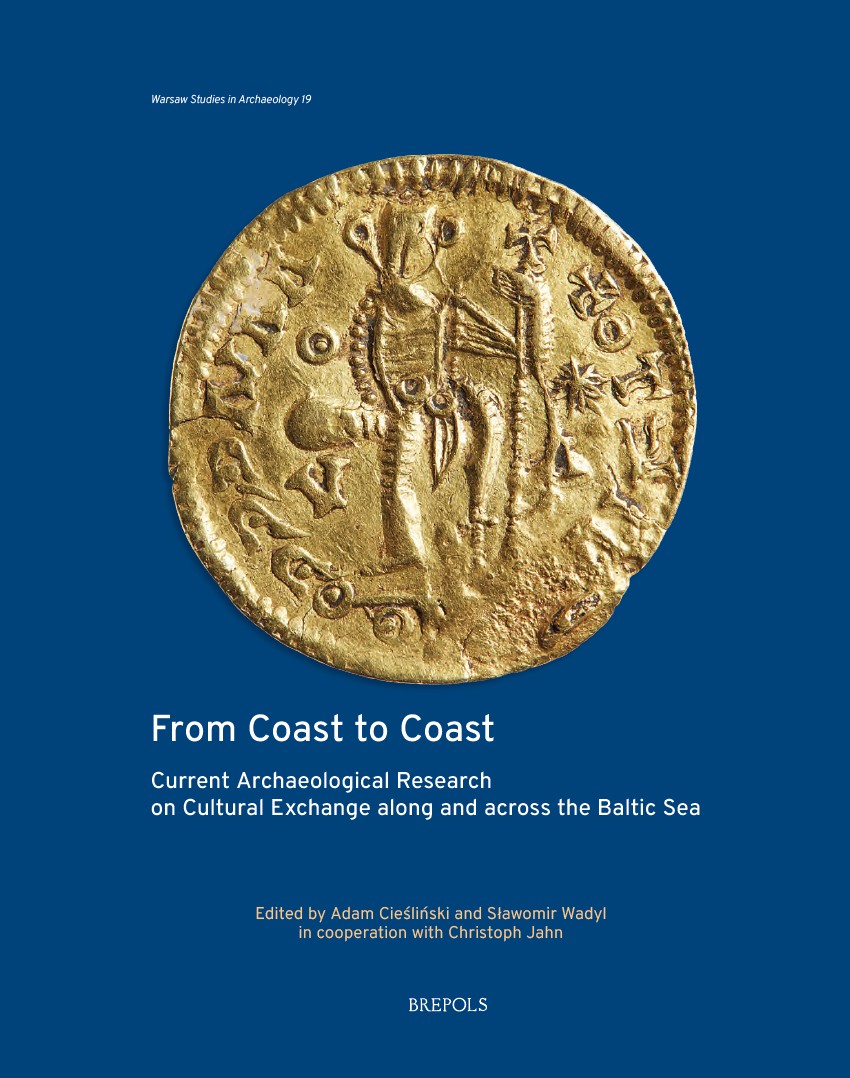 From Coast to Coast
Current Archaeological Research on Cultural Exchange along and across the Baltic Sea
Volume 19
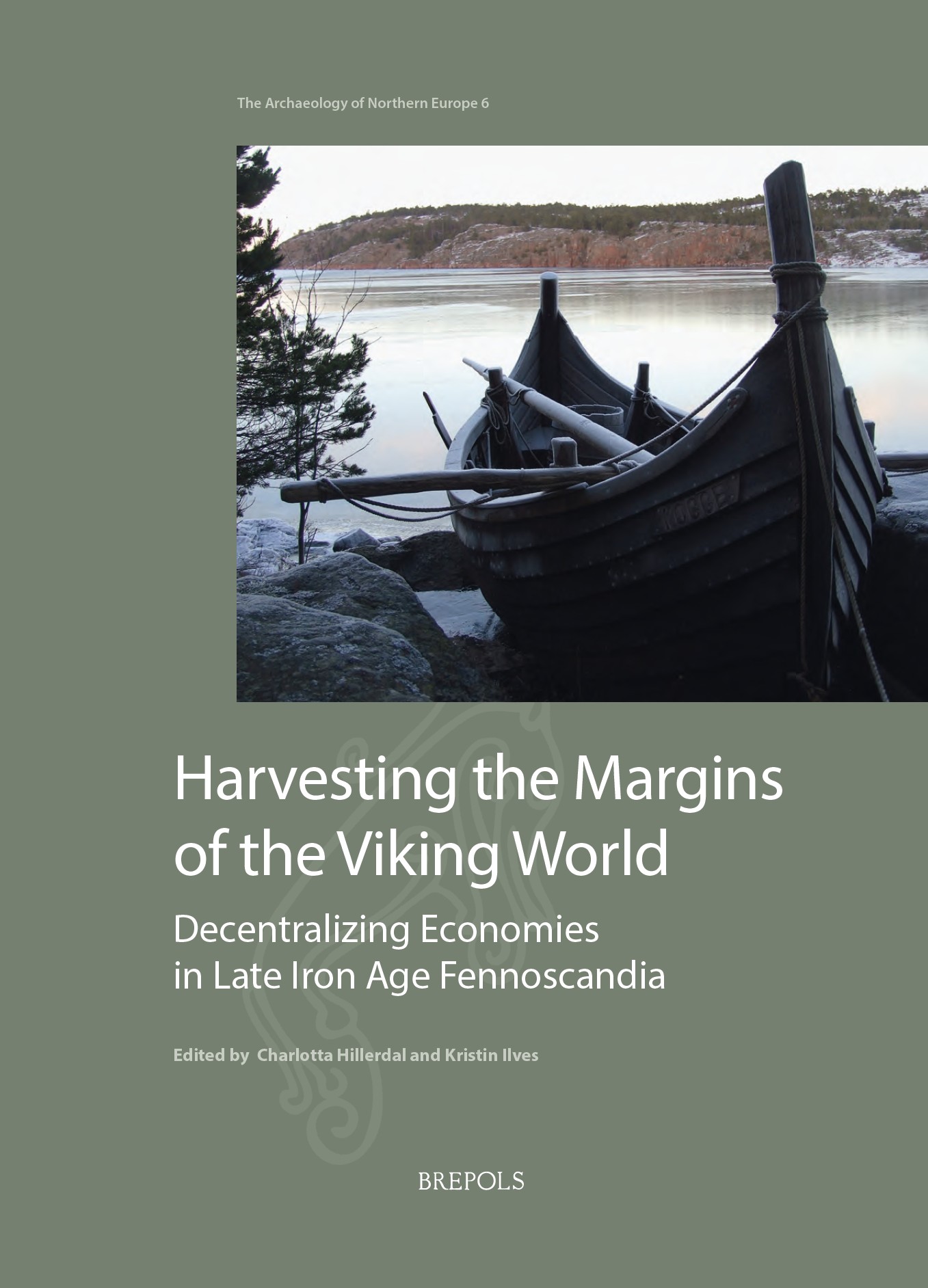 Harvesting the Margins of the Viking World
Decentralizing Economies in Late Iron Age Fennoscandia
Volume 6


 Linguistic and Cultural Dynamics in a Frontier Society
New Perspectives on Northeastern Bavaria and Western Bohemia in the Early Middle Ages
Volume 9

 Making and Meaning in the Bronze and Iron Ages
Chronology, Landscapes and Societies across Europe. Proceedings from the METALAGES2024 Colloquium (Florence, 23 October 2024)
 Medieval Yeghegis, Armenia
History, Archaeology, Society. Local Multiplicities and Global Connections of a Rural Centre on the Silk Road(s)


 Promoting the Profession
Papers in Honour of Peter Hinton Director of the Chartered Institute for Archaeologists 1997-2025


 The Kingdom of Makuria and its Civilization
A Renewed Insight through New Archaeological Discoveries


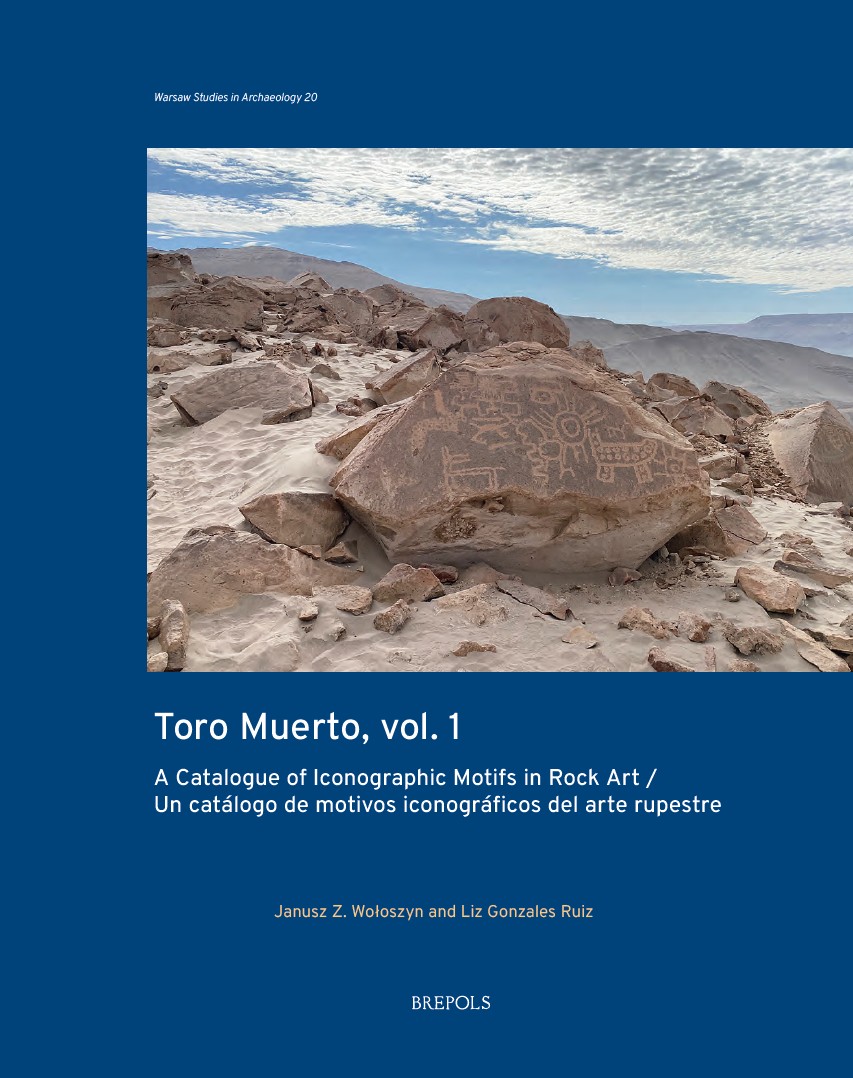 Toro Muerto, vol. I
A Catalogue of Iconographic Motifs in Rock Art / Un catálogo de motivos iconográficos del arte rupestre
Volume 20

 Economic Trends in China During the Age of Confucius (1000–250 BC)
The Archaeological Evidence
Volume 10

 The Temple of Ištar-of-Akkad in Babylon from the Neo-Assyrian until the Persian Period
The Archival Texts
Volume 33