
Archaeological Paleography
A Proposal for Tracing the Role of Interaction in Mayan Script Innovation via Material Remains
By (author) Joshua D. Englehardt

Paperback (Published)
(January 2016)
ISBN: 9781784912390
8.07 x 11.42 inches
Price: $70.00
In stock
This volume explores the development of the Maya writing system in Middle-Late Formative and Early Classic period (700 BC-AD 450) Mesoamerica.
This research explores the development of the Maya writing system in Middle-Late Formative and Early Classic period (700 BC-AD 450) Mesoamerica. It seeks to correlate script development with interregional interaction and diachronic changes in material culture, and proposes a new methodological template for examining script development via material remains. In doing so, it contributes to anthropological debate regarding the role and effects of interregional interaction in processes of development and change of material and symbolic culture. This investigation posits that Maya writing developed in late Middle Formative through Early Classic period Mesoamerica as a correlate of interregional sociopolitical and economic interaction. Scholars working in many areas of the world have long claimed that interaction is central to cultural innovation, especially in relation to the development of writing. If the emergence of the Mayan script is a correlate of systemic interaction, then its developmental process should be traceable archaeologically through artifactual evidence. This hypothesis is tested by exploring archaeological indicators of interaction against a backdrop of previously-documented transformations in the emerging Mayan script. The methodological model proposed here builds on current models of the development of Mesoamerican writing systems and models of interregional interaction and cultural development to associate archaeological remains with the development of the Mayan script.
Chapter 1: Introduction
Chapter 2: Theoretical Framework and Methodological Premises
Chapter 3: The Northwest Maya Lowlands: Site Selection and Regional Background
Chapter 4: Ceramic Sample and Analytic Methods
Chapter 5: Interpreting the Results of the Comparative and Statistical Ceramic Analyses
Chapter 6: Comparative Analysis of Iconographic and Linguistic Evidence
Chapter 7: Interpretation and Discussion: The Relationship Between Material Interaction, Innovation, and Script Development
Chapter 8: Conclusions
Bibliography, Chapter 1: Introduction ;
Chapter 2: Theoretical Framework and Methodological Premises ;
Chapter 3: The Northwest Maya Lowlands: Site Selection and Regional Background ;
Chapter 4: Ceramic Sample and Analytic Methods ;
Chapter 5: Interpreting the Results of the Comparative and Statistical Ceramic Analyses ;
Chapter 6: Comparative Analysis of Iconographic and Linguistic Evidence ;
Chapter 7: Interpretation and Discussion: The Relationship Between Material Interaction, Innovation, and Script Development ;
Chapter 8: Conclusions ;
Bibliography
- By (author) Joshua D. Englehardt
Other Titles in this Series


 Obsidian Across the Americas
Compositional Studies Conducted in the Elemental Analysis Facility at the Field Museum of Natural History


 Metallurgy in Ancient Ecuador
A Study of the Collection of Archaeological Metallurgy of the Ministry of Culture, Ecuador


 Wari Women from Huarmey
Bioarchaeological Interpretation of Human Remains from the Wari Elite Mausoleum at Castillo de Huarmey, Peru
Similar Books


 Colour Concept “Secoli bui” a colori
Codici cromatici e architetture dipinte nell’età tardoantica e medievale
 Crossing Disciplines in the Study of Archaeology and Prehistoric Art: Insights from the Sahara and Mediterranean Africa
Proceedings of the XX UISPP World Congress (5–9 September 2023, Timișoara, Romania) Volume / Session 18
 Crossing Sacred Landscapes
Contacts and Continuities in the Desert Cults and Beliefs of Ancient Northern Arabia and the Arid Southern Levant
 Cuneiform Artefacts from Archaeological Contexts: New Research on Ancient Iraq
Proceedings of a Conference Held at the Bavarian Academy of Sciences and Humanities, July 4–5, 2024
Volume 2


 Exploring Prehistoric Pottery in Japan
A Study of Organic Inclusions, Adhering Materials, and Impressions of Woven Items
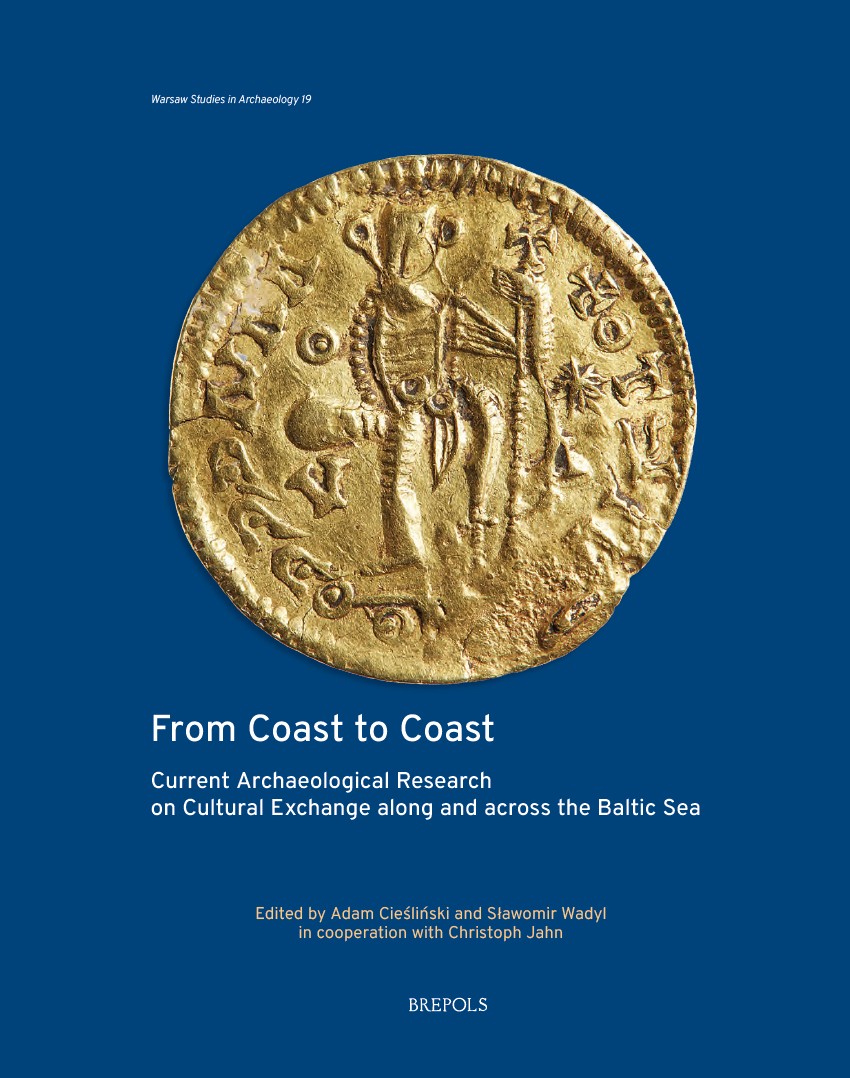 From Coast to Coast
Current Archaeological Research on Cultural Exchange along and across the Baltic Sea
Volume 19
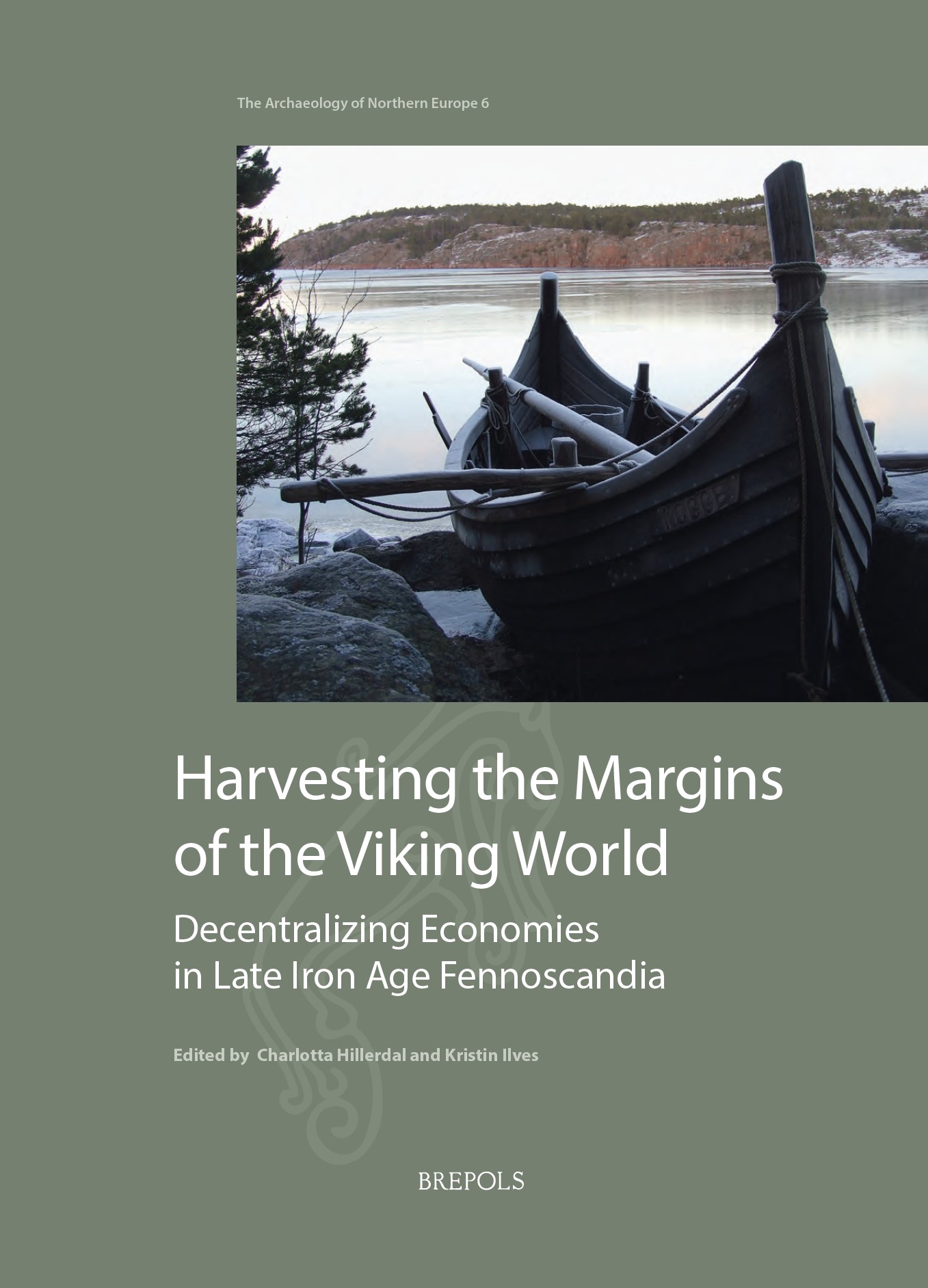 Harvesting the Margins of the Viking World
Decentralizing Economies in Late Iron Age Fennoscandia
Volume 6


 Linguistic and Cultural Dynamics in a Frontier Society
New Perspectives on Northeastern Bavaria and Western Bohemia in the Early Middle Ages
Volume 9

 Making and Meaning in the Bronze and Iron Ages
Chronology, Landscapes and Societies across Europe. Proceedings from the METALAGES2024 Colloquium (Florence, 23 October 2024)
 Medieval Yeghegis, Armenia
History, Archaeology, Society. Local Multiplicities and Global Connections of a Rural Centre on the Silk Road(s)


 Promoting the Profession
Papers in Honour of Peter Hinton Director of the Chartered Institute for Archaeologists 1997-2025


 The Kingdom of Makuria and its Civilization
A Renewed Insight through New Archaeological Discoveries


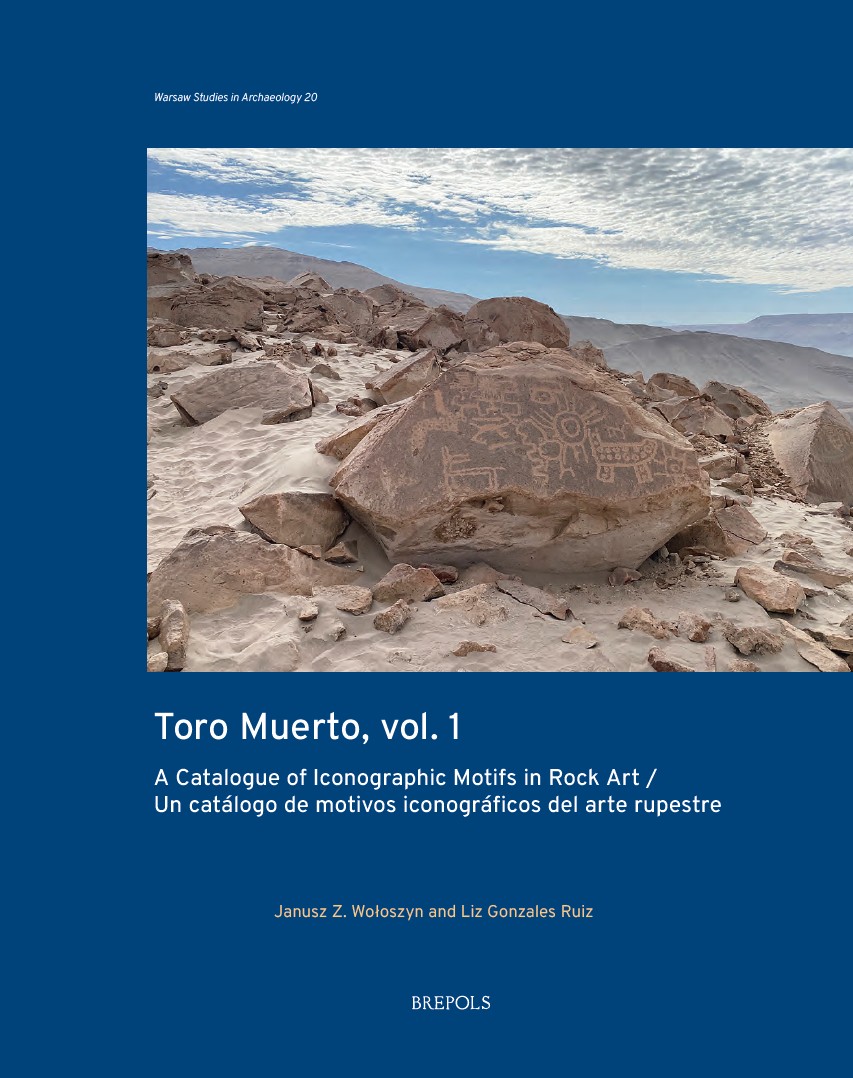 Toro Muerto, vol. I
A Catalogue of Iconographic Motifs in Rock Art / Un catálogo de motivos iconográficos del arte rupestre
Volume 20

 Economic Trends in China During the Age of Confucius (1000–250 BC)
The Archaeological Evidence
Volume 10

 The Temple of Ištar-of-Akkad in Babylon from the Neo-Assyrian until the Persian Period
The Archival Texts
Volume 33