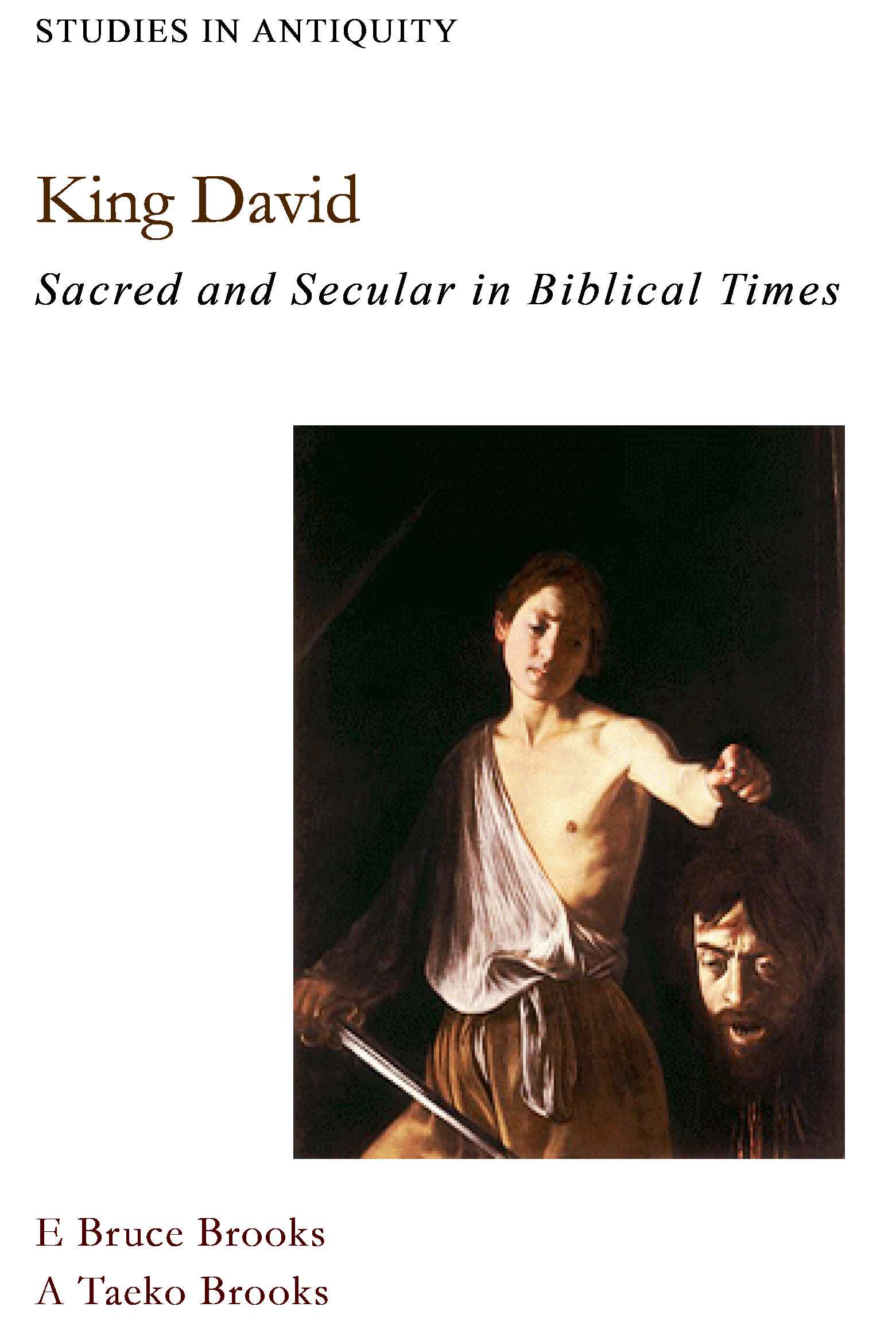
Tell el-Dab`a XIX
Auaris und Memphis im Mittleren Reich und in der Hyksoszeit. Vergleichanalyse der materiellen Kultur
by Bettina Bader

English summary: This volume presents the data used for the synchronisation of the stratigraphic levels of two Egyptian settlement sites, one of the late Middle Kingdom and the other, the Second Intermediate Period (ca. 1770 – 1550/40 BC). The analysis is based on the ceramic finds from the settlement layers of the ancient capitals of Tell el-Dab’a (Avaris) in the eastern Delta and of Kom Rabica (Memphis) just south of modern Cairo. Whilst the main focus of the research project was synchronising the relative chronologies of these two sites, another activity was an investigation of the possibility of archaeologically tracing the physical presence of the Hyksos, who allegedly conquered and ruled all of Egypt, in Memphis. The methods applied include random sampling, presence/absence analysis and quantitative analysis, the levels in question being phases G/4 to D/2 at Tell el-Dab’a and levels VIII to V at Kom Rabica. Whereas the material from the beginning of these sequences is quite comparable, in the course of analysis it emerged that the development of the material cultures of these two sites took different routes, particularly from level VId and phase E/1 onwards. Under the rule of the Hyksos, in the delta area a hybrid material culture developed that contained traits of Levantine Middle Bronze Age culture as well as the native Egyptian culture, as is most clearly expressed in the ceramic corpus. In contrast, the ceramic corpus at Kom Rabica developed out of the later Middle Kingdom corpus. This suggests that Memphis was not subjected to colonisation by the Hyksos. German description: Diese Arbeit legt die Anhaltspunkte fur die Synchronisierung der Schichten zweier Siedlungsplatze des spaten Mittleren Reichs und der Zweiten Zwischenzeit (ca. 1770-1550/40 v. Chr.) in Agypten vor. Die Grundlage dafur bildet das keramische Fundmaterial aus reinen Siedlungsschichten der beiden antiken Hauptstadte in Tell el-Dab’a (Auaris) im ostlichen Nildelta und Kom Rabica (Memphis) sudlich von Kairo. Neben der Gleichsetzung der archaologischen Schichten und damit der relativen Chronologien, sollte auch festgestellt werden, ob die Hyksos, die nach den teilweise verderbten Schriftquellen in Agypten eingefallen sein und ganz Agypten beherrscht haben sollen, tatsachlich physisch in Memphis als Siedler (oder Besatzer) anwesend waren. Die angewandten Methoden umfassen Zufallsstichprobenziehung, presence/absence-Analyse und quantitative Analysen. Die betreffenden archaologischen Schichten umfassen Phase G/4 bis D/2 in Tell el-Dab’a und Level VIII bis V in Kom Rabica. Wahrend sich der Beginn der beiden Sequenzen gut vergleichen liess, stellte sich im Laufe der Analysen heraus, dass sich die materielle Kultur in Level VId bzw. E/1 verschieden weiterentwickelte. Im Delta hatte sich unter der Hyksosherrschaft eine eigene materielle Kultur entwickelt, die sowohl Zuge der levantinischen Mittleren Bronzezeitkultur als auch der agyptischen Kultur beinhaltet. Diese Kultur findet seinen wesentlichsten Ausdruck in der Keramik. Im Gegensatz dazu entwickelte sich die Keramik in Kom Rabica aus dem alteren Korpus des Mittleren Reiches. Die Analyse der Befunde legt nahe, dass die Hyksos Memphis aller Wahrscheinlichkeit nach nicht im herkommlichen Sinn kolonisierten.
- By (author) Bettina Bader
Other Titles in this Series


 A la decouverte du royaume d’Ougarit (Syrie du IIe millenaire)
Les fouilles de C.F.A. Schaeffer a Minet el-Beida et Ras Shamra (1929-1937)
Volume 89
 Tell el-Dab’a XIV.2
Das Stadtviertel F/I in Tell el-Dab'a/Auaris - Multikulturelles Leben in einer Stadt des Spaten Mittleren Reichs und der Zwischenzeit
Volume 90
 Tell el-Dab’a XXIV
The Late Middle Kingdom Settlement of Area A/II. A Holistic Study of Non-elite Inhabitants at Tell el-Daba. Vol. I: The Archaeological Report. The Excavations from 1966 to 1969
Volume 85
 AcrossBorders 2
Living in New Kingdom Sai: with contributions by Johannes Auenmuller, Annette M. Hansen, Frits Heinrich, Veronica Hinterhuber, Ptolemaios Paxinos, Nadja Pollath, Helmut Sattmann, Sara Schnedl and Martina Ullmann
Volume 86

Similar Books





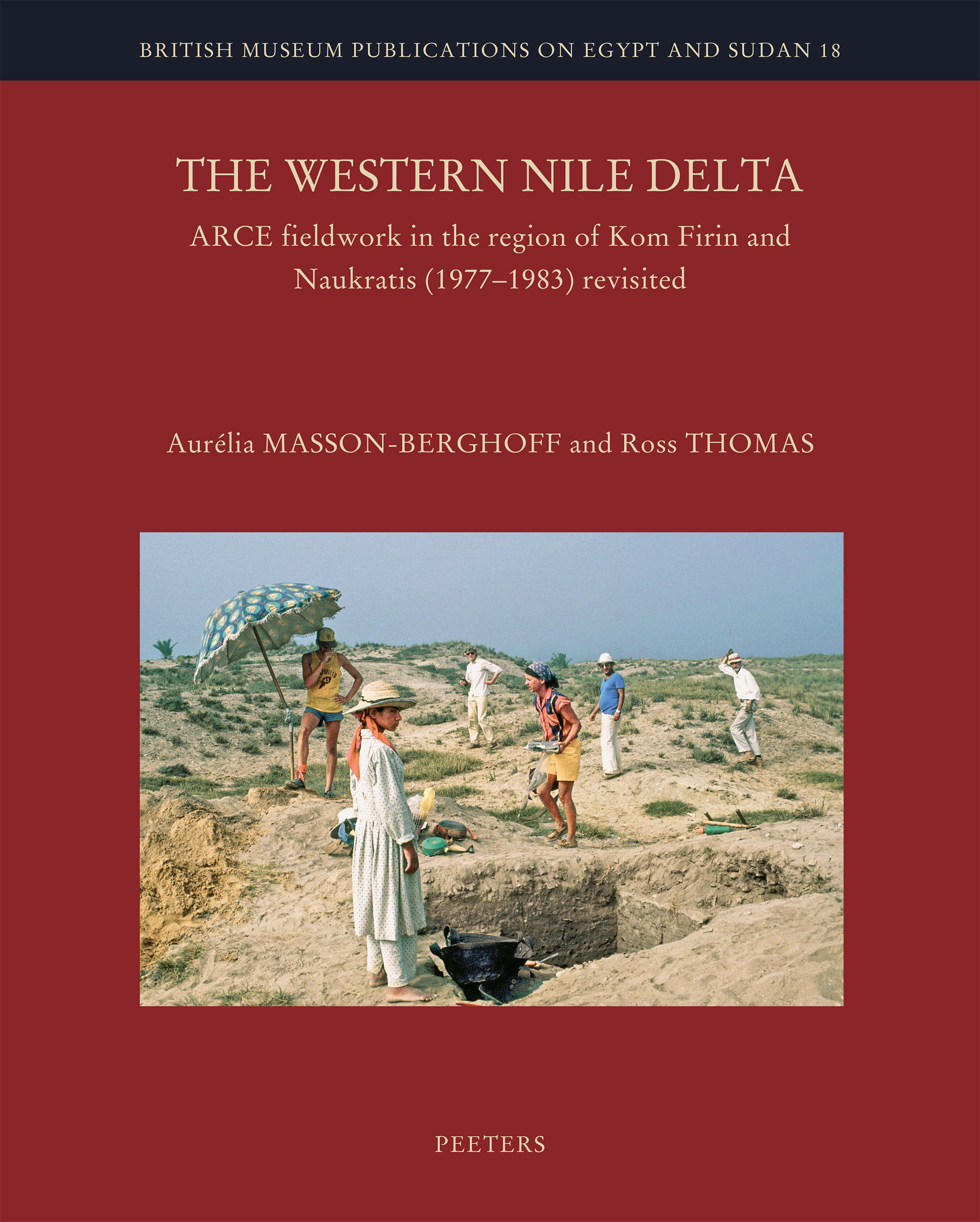 The Western Nile Delta
ARCE Fieldwork in the Region of Kom Firin and Naukratis (1977-1983) Revisited
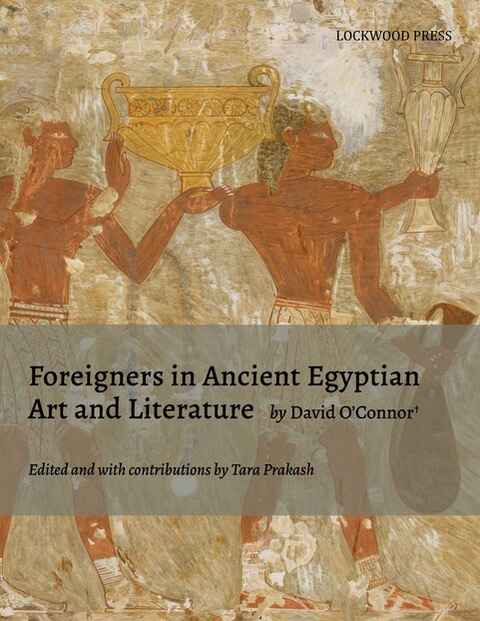
 Archaeological Discoveries at the Temple of Ramesses II in Abydos
Vol. 2: Old Kingdom Wall, Papyri, Ostraca, and Leather Remains



 The Southern Room of Amun in the Temple of Hatshepsut
Volume 2: Studies on Decoration and Ritual Function
Volume 11
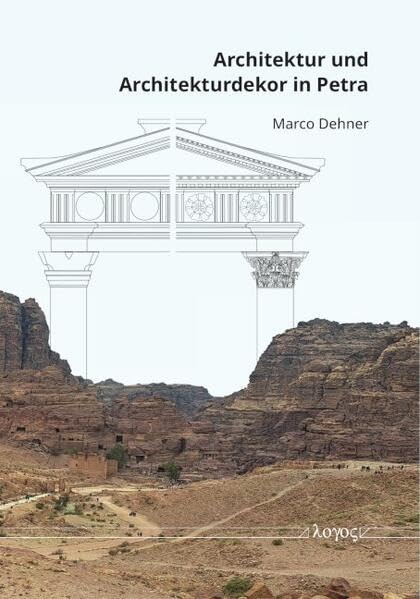

 Die Ägyptenworte im Ezechielbuch
Eine literarhistorische und religionsgeschichtliche Analyse von Ez 29–32
 Du côté de chez Zeus
Fouilles de la Mission archéologique française du désert Oriental à Abû Qurayya (Dios) et Bi’r Bayza (y inclus O.Dios I 1-67)
Volume 98
 La littérature de l’Égypte ancienne. Volume V
Nouvel Empire : XVIIIe dynastie. Eulogies et narrations royales, contes, enseignements et littérature d’idée
 Lehrreiche Literatur
Die didaktische Gestaltung von Plutarchs Quaestiones Graecae und Romanae und Gellius' Noctes Atticae

 Nouvelles perspectives sur le Traité anonyme du Codex Bruce. New Perspectives on the Untitled Treatise of the Bruce Codex
(Colloque international, Québec, Université Laval, 13 avril 2018)
Volume 11


 Ägypten und Levante XXXIV / Egypt and the Levant XXXIV (2024)
Internationale Zeitschrift für ägyptische Archäologie und deren Nachbargebiete / International Journal for Egyptian Archaeology and Related Disciplines

 Ancient Egypt in 50 Discoveries
Highlights from the first century of the Egypt Exploration Society
Volume 8
 Archaeological Discoveries at the Temple of Ramesses II in Abydos
Vol. 1: Magazines, Animal Burials, and Miscellanea
 Building an 18th Dynasty Tomb at Thebes
Construction Records from Mery's Funerary Complex (TT 95) in Context
Volume 4

 Current Research in Egyptology 2024
Proceedings of the Twenty-Fourth Annual Symposium, Jointly Organised by the University of Liverpool, Swansea University, University of Birmingham, University of Oxford, and University of Wales Trinity Saint David, 2–6 September 2024


 From Egypt to the Levant and Beyond
African Individuals and Groupsain Cuneiform Texts from the Late Bronze Age
Volume 133