
Paroimia and Parresia in the Gospel of John
A Historical-Hermeneutical Study
by Thomas Tops

Paperback (Published)
(January 2022)
ISBN: 9783161611025
9.09 x 6.06 inches
Price: $131.00
In stock
The language of the Gospel of John is known for its complexity. On the basis of the modern standards of transparency and logic, previous scholars have depicted this language as obscure, confusing, and mysterious. Thomas Tops goes beyond these oversimplifications by providing an in-depth historical study of John’s characterisation of Jesus’ language with the terms paroimia and parr e sia . By providing original insights in these terms, the author offers a new perspective on the functioning of Johannine language. As the Johannine Jesus teaches both through paroimia and parr e sia , his language conceals and reveals at the same time. His criticism is veiled and calls on its addressees to search for the hidden meanings of his words. Veiled speech allows the Johannine Jesus to criticise his opponents and openly reveal his messianic identity to those who cannot accept the truth in any other way.
- By (author) Thomas Tops
Other Titles in this Series
 Educating Early Christians through the Rhetoric of Hell
'Weeping and Gnashing of Teeth' as Paideia in Matthew and the Early Church
Volume 382


 Hebraisches Evangelium und synoptische Uberlieferung
Untersuchungen zum hebraischen Hintergrund der Evangelien
Volume 312
 The Offering of the Gentiles
Paul's Collection for Jerusalem in Its Chronological, Cultural, and Cultic Contexts
Volume 248


 Schopfungspoetik im Johannesevangelium
Sprachanalytische Untersuchungen zum Lebensmotiv. Kontexte und Normen neutestamentlicher Ethik / Contexts and Norms of New Testament Ethics. Band XVI
Volume 621

 Desire in Paul’s Undisputed Epistles
Semantic Observations on the Use of epithymeo, ho epithymetes, and epithymia in Roman Imperial Texts
Volume 539
 The Johannine Footwashing as the Sign of Perfect Love
An Exegetical Study of John 13:1-20
Volume 464

 Uncovering the Theme of Revelation in Romans 1:16-3:26
Discovering a New Approach to Paul's Argument Argument
Volume 445
 Paul, Divestment, and Salvific Almsgiving
Rediscovering the Apostle’s Economic Theology within Jewish and Early Christian Trajectories
 Wie Geschichten Geschichte schreiben
Fruhchristliche Literatur zwischen Faktualitat und Fiktionalitat
Volume 395

 Bodily Resurrection and Ethics in 1 Cor 15
Connecting Faith and Morality in the Context of Greco-Roman Mythology
Volume 360
 New Creation in Paul’s Letters
A Study of the Historical and Social Setting of a Pauline Concept
Volume 272


 The Origins of Pauline Pneumatology
The Eschatological Bestowal of the Spirit upon Gentiles in Judaism and in the Early Development of Paul's Theology
Volume 194
 Religious Experience of the Pneuma
Communication with the Spirit World in 1 Corinthians 12 and 14
Volume 230


 Jesus’ Fulfilment of the Torah and Prophets
Inherited Strategies and Torah Interpretation in Matthew's Gospel
Volume 594

 The Ethics of the Enactment and Reception of Cruciform Love
A Comparative Lexical, Conceptual, Exegetical, and Theological Study of Colossians 3:1-17
Volume 487
 Mark, a Pauline Theologian
A Re-reading of the Traditions of Jesus in the Light of Paul's Theology
Volume 521
Similar Books


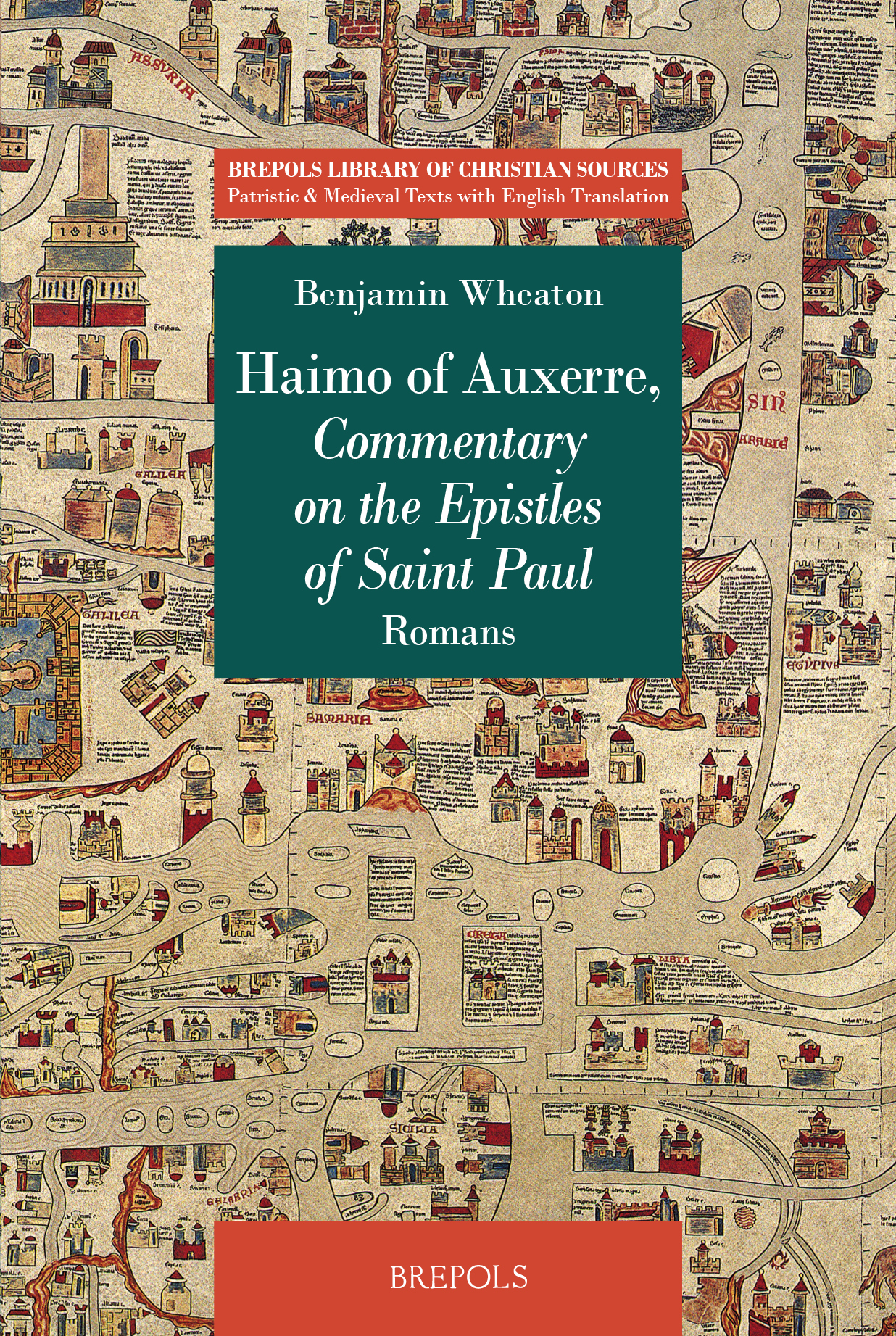


 Cyril of Alexandria’s Christological Exegesis
Explorations of Partitive Exegesis in the Dialogues on the Trinity
Volume 70
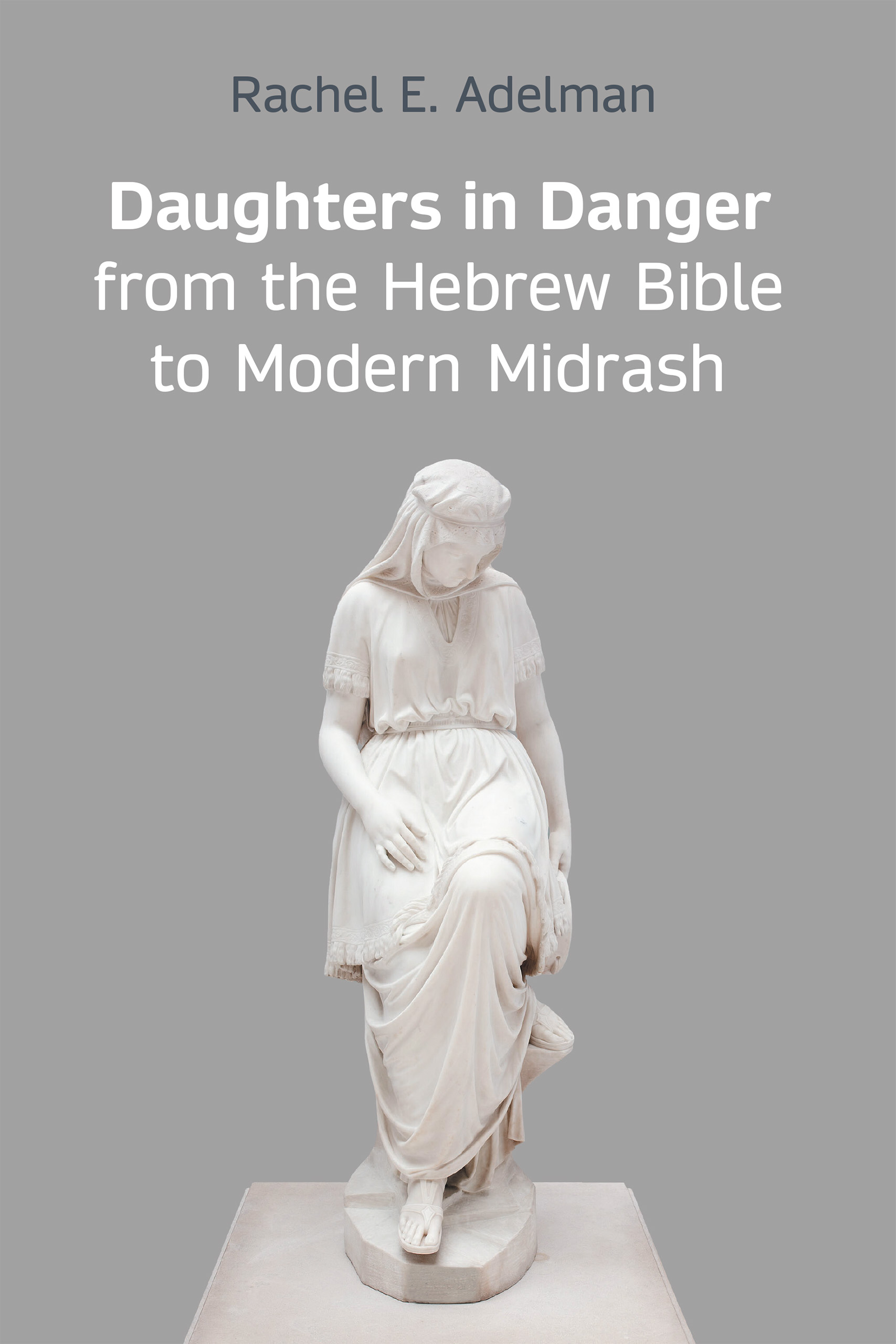

 Drunk the Potion, No Whit Charmed
The Doctrine of Pure and Perfect Souls from Iamblichus to Damascius


 Éthique, politique, religions
Superstition (XVIIe - XXIe siècles). Sémantique, histoires et cultures
 Extracanonical Traditions and the Holy Land
Texts, Rituals, and Material Culture in Late Antique Palestine

 From Joseph to Jesus
The Joseph Narrative as a Compositional Template from Old Greek Esther to the Gospel of Luke
Volume 125


 Nicholas of Lyra’s Commentaries on the Gospels of Matthew and Luke
Franciscan Exegesis in a Time of Crisis


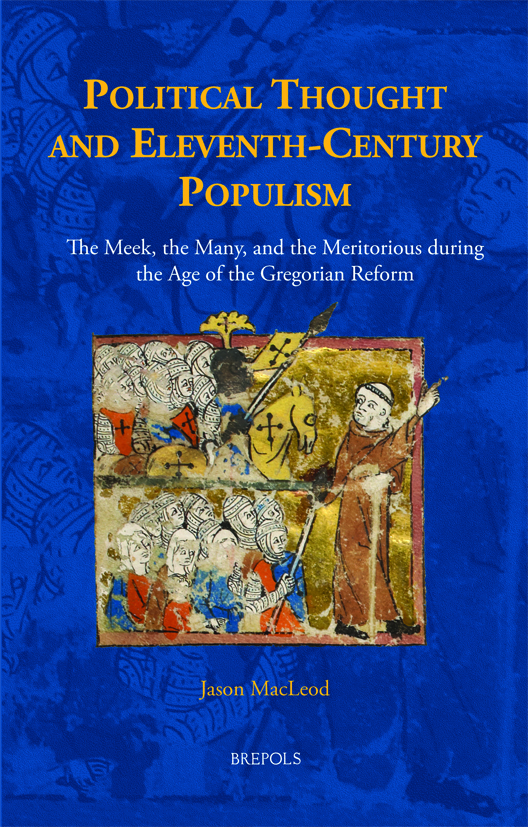 Political Thought and Eleventh-Century Populism
The Meek, the Many, and the Meritorious during the Age of the Gregorian Reform
Volume 38

 Punning in Odd or Elegant Constructions in Jeremiah
The Convergence of Linguistics, Rhetoric, and Textuality in the Hebrew Text of Jeremiah


 Reformed Covenantal Eudaimonism
Wilhelmus à Brakel (1635–1711) on Highest Good, Virtue, and Law
Volume 87

