
Metaphysik des absoluten Geschehens
Eine systematische Interpretation des Zusammenhangs der Geschichtlichkeit, des Denkens und der ‚Realität’ bei Heidegger und Hegel
By (author) Anton Sverdlikov

Paperback (Forthcoming)
(October 2026)
ISBN: 9783162003218
6.1 x 9.13 inches
Price: $149.00
In the dialogue between Heidegger and Hegel, Anton Sverdlikov develops an events metaphysics of the Absolute. He analyzes the historicity of philosophical thinking from an ontological perspective and relates it to problems of classical and contemporary metaphysics.
In a systematic dialogue between Martin Heidegger and Georg Wilhelm Friedrich Hegel, Anton Sverdlikov develops an independent approach to a metaphysics of the absolute event. The point of departure is the thesis that Heidegger’s phenomenological thinking of being and Hegel’s absolute idealism, contrary to widespread interpretations, do not constitute fundamentally incompatible positions, but rather exhibit a structural convergence at a deeper ontological level. This convergence is reconstructed not primarily in terms of the history of philosophy, but through a conceptual and systematic analysis. At the center of the investigation stands the problem of the historicity of thinking from an ontological perspective. The author demonstrates that, in both Heidegger and Hegel, the historicization of thinking is accompanied by an ontologization of both thinking itself and reality.
Einleitung
1 Problemstellung
2 Die Metaphysik des absoluten Geschehens
3 Forschungsstand
4 Der Gang der Untersuchung
Teil I
1 Die fundamentalontologische Thematisierung des Seins
1.1 Die Frage nach dem Sinn von Sein
1.2 Fundamentalontologie als Existenzialontologie
2 Sein als Offenheit und das Ereignis
2.1 Von Sein und Zeit zum Ereignis-Denken
2.2 Sein als Ereignis
3 Seinsgeschichte
3.1 Seinsgeschichte und Ereignis
3.2 Geschehnisse der Seinsgeschichte
4 Seyn als das absolute Geschehen
4.1 Der Umkreis des Geschehens des Seins
4.2 Die Perspektive des seinsgeschichtlichen Denkens
4.3 Das seinsgeschichtliche Denken als Metaphysik der Wesung
4.4 Das seinsgeschichtliche Denken als Kosmologie
4.5 Die Wesung der Philosophie
Teil II
5 Das Absolute und das Denken
5.1 Die spekulative Metaphysik des Absoluten als zentrale Aufgabe Hegels
5.2 Kritik des Standpunktes der Endlichkeit beim frühen Hegel
6 Die Erhebung zum Standpunkt des Absoluten
6.1 Das Absolute als Substanz
6.2 Substanz, Subjekt und Geschichte
6.3 Einleitung in das System als Phänomenologie des Geistes
7 Das System des Absoluten
7.1 Das Absolute als Geschehen
7.2 Logik als das ewige Geschehen des Absoluten
7.3 Die Realität der Idee
7.4 Geschichte als Geschichte des Absoluten
Schluss
1 Heidegger vs. Hegel
2 Das Eine und das Viele: Metaphysik und Ontologie
- By (author) Anton Sverdlikov
Other Titles in this Series


 Die anthropologische Asthetik Arnold Gehlens und Helmuth Plessners
Entlastung der Kunst und Kunst der Entlastung
Volume 36


 Licht und Dunkel als Denkfiguren der Philosophie
Philosophisches Denken zwischen Affirmativitat und Negativitat
Volume 54


 Das Dasein und das isolierte Subjekt
Die Frage der philosophischen Selbstinterpretation des Menschen bei Heidegger


 Denkende Korper
Die metaphysische Unteilbarkeit des Menschen von Descartes und Spinoza bis La Mettrie
Volume 56


 Die Konstitution der Macht
Kompetenz, Ordnung und Integration in der politischen Verfassung
Volume 12


Similar Books


 Drunk the Potion, No Whit Charmed
The Doctrine of Pure and Perfect Souls from Iamblichus to Damascius

 Libertinage et philosophie à l’époque classique (XVIe-XVIIIe siècle)
Athéisme, Modernité et Sécularisation / Atheism, Modernity and Secularization
Volume 23

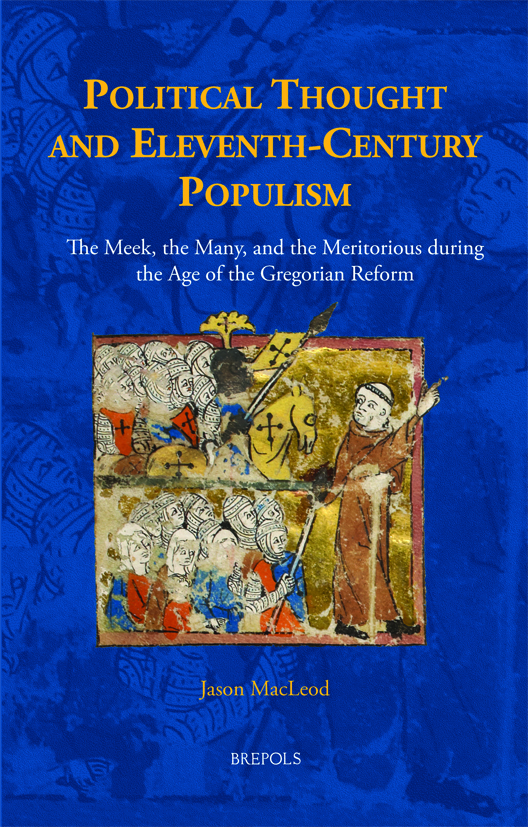 Political Thought and Eleventh-Century Populism
The Meek, the Many, and the Meritorious during the Age of the Gregorian Reform
Volume 38


 The Latin Hermes in Translation
Asclepius, Glosses on Trismegistus, Book of Six Principles of Things, Book of 24 Philosophers
Volume 50



 Éthique, politique, religions
Superstition (XVIIe - XXIe siècles). Sémantique, histoires et cultures


 Lehrreiche Literatur
Die didaktische Gestaltung von Plutarchs Quaestiones Graecae und Romanae und Gellius' Noctes Atticae


 Sitten zwischen Moralphilosophie und Politischer Okonomie am Ende des 18. Jahrhunderts
Mit einer zweisprachigen Edition von Ludwig Heinrich Jakobs Preisschrift Quelles sont les institutions les plus propres a fonder la morale d'un peuple

 Theologische Anthropologie in G. E. Lessings Frühwerk
Literarische Bilder von Gemeinschaft und Nonkonformität, Glück und Sünde

