
Literacy in Medieval and Early Modern Vilnius
Forms of Writing and Rhetorical Spaces in the City
By (author) Jakub Niedzwiedz

This study shows how a variety of oral and written registers of rhetoric informed the ways the inhabitants of the multi-ethnic and multilingual city of Vilnius on the north-eastern border of Europe went about their daily life, while they also played their role in a region that is usually overlooked in studies of urban language, liter
Late medieval and early modern cities in Europe could not exist without the use of the written word. Based on a case study of Vilnius – the capital of the Grand Duchy of Lithuania in the fourteenth-eighteenth centuries – this book shows how rhetoric influenced all the spheres of urban literacy: the rules of writing, rhetorical genres and their functions, and the social practices of producing, preserving, and disseminating texts. Vilnius was a multi-ethnic, multi-religious, and multi-scriptural city, and its literary culture was particularly rich. What was the legal basis of the city? Who were the professionals of the written word? What was the role of schools and books in the literary culture of the city? How did women participate in Vilnius’s textuality? Which rhetorical genres were used? This study is based on research into the different types of texts used in Vilnius: contracts; last wills; sermons; municipal, state, and church records; primers; shopping lists; poetry; manuals; and letters, in Polish, Latin, Ruthenian, Lithuanian, Yiddish, and other languages written or printed in five alphabets. The rhetorical organization of Vilnius can serve as a model for examining other towns of the time. It also shows the complexity of the use of script in the multi-ethnic urban communities of North-Eastern Europe.
- By (author) Jakub Niedzwiedz
Other Titles in this Series


 Homo Legens
Styles et pratiques de lecture: Analyses comparees des traditions orales et ecrites au Moyen Age / Styles and Practices of Reading: Comparative Analyses of Oral and Written Traditions in the Middle Ages
Volume 26


 Manuscript Communication
Visual and Textual Mechanics of Communication in Hagiographical Texts from the Southern Low Countries, 900-1200
Volume 32
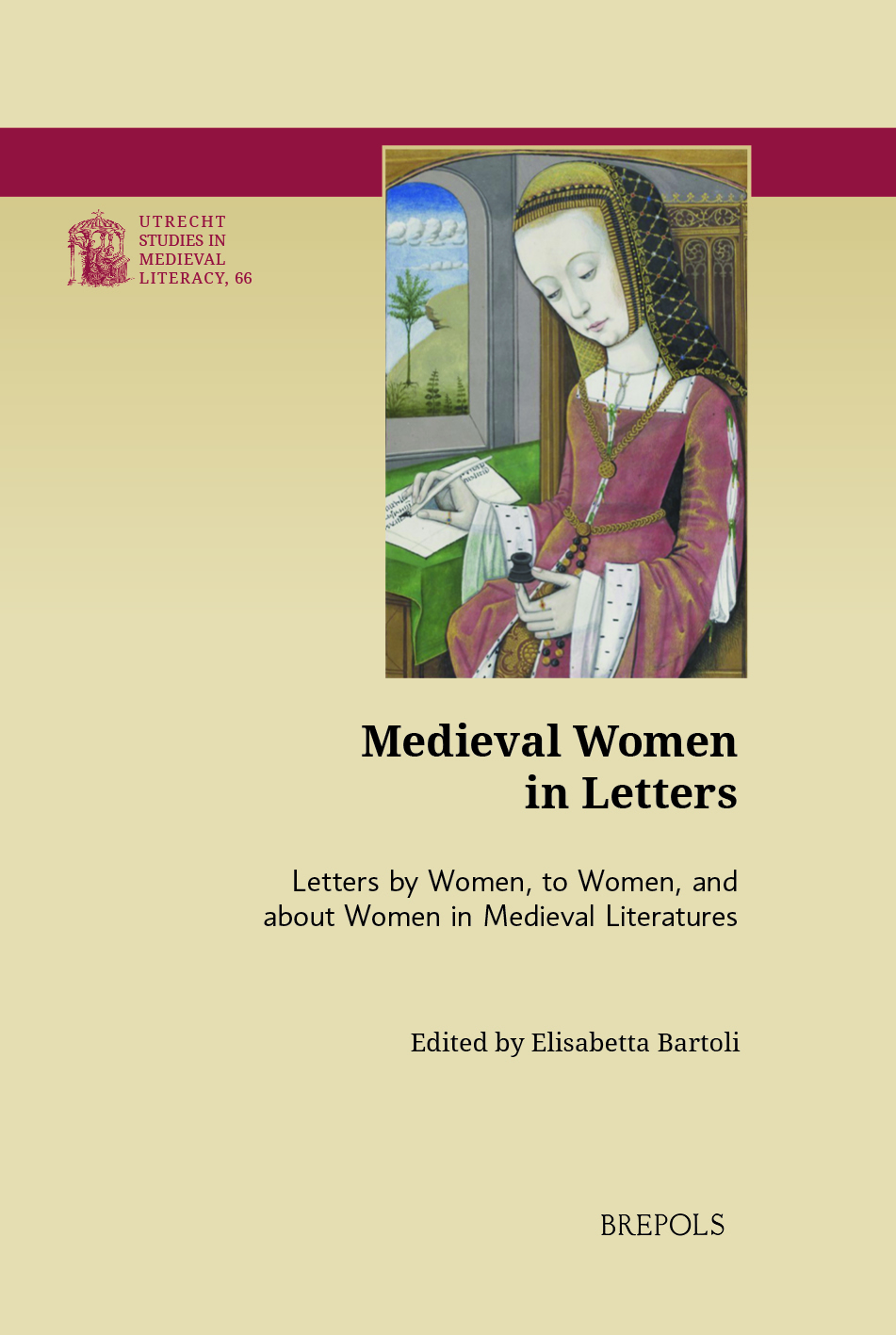 Medieval Women in Letters
Letters by Women, to Women, and about Women in Medieval Literatures
Volume 66


 Writing Names in Medieval Sacred Spaces
Inscriptions in the West, from Late Antiquity to the Early Middle Ages
Volume 56

 Documenting the Everyday in Medieval Europe
The Social Dimensions of a Writing Revolution, 1250-1350
Volume 42


 Orality and Literacy in the Middle Ages
Essays on a Conjunction and its Consequences in Honour of D. H. Green
Volume 12


 Understanding Monastic Practices of Oral Communication (Western Europe, tenth-thirteenth centuries)
Volume 21

 Seeing the Invisible in Late Antiquity and the Early Middle Ages
Papers from Verbal and Pictorial Imaging: Representing and Accessing Experience of the Invisible, 400-1000 (Utrecht, 11-13 December 2003)
Volume 14
 Stilus – modus – usus
Regeln der Konflikt- und Verhandlungsfuhrung am Papsthof des Mittelalters / Rules of Negotiation and Conflict Resolution at the Papal Court in the Middle Ages
Volume 44


 Reading Images and Texts
Medieval Images and Texts as Forms of Communication. Papers from the Third Utrecht Symposium on Medieval Literacy, Utrecht, 7-9 December 2000
Volume 8
Similar Books

 A Collaborative Tapestry in Honour of Shirley Ann Brown / Une fresque brodée en l’honneur de Shirley Ann Brown
The Bayeux Tapestry Seen by her Colleagues and Friends / La Tapisserie de Bayeux vue par ses collègues et amis



 Balthasar Caymox of Nuremberg
Early Modern German Print Publishers: Popular Prints of the Seventeenth Century
 Behind the Scenes of Medieval Roofs
An Overview of the Roofing Systems of Italian Churches
Volume 90
 Beyond Sovereign Courts
Agents and Practices in Early Modern Spanish and Habsburg Diplomacy
Volume 3


 Circulation, Use, Impact
The Consumption of Architectural Books in the Early Modern Eastern Adriatic
Volume 1


 Councils, Conflicts, Correspondence
Urban Diplomacy in Reval (Tallinn) and Lübeck (c. 1470–1570)
Volume 67
 Des mots aux actes
Traduction épistémique et littéraire. Nouvelles tendances en histoire et didactique
Volume 15




 Innovation and Medieval Communities
The Circulation of Ideas and Practices in and out of the Town (1200-1500)
Volume 63
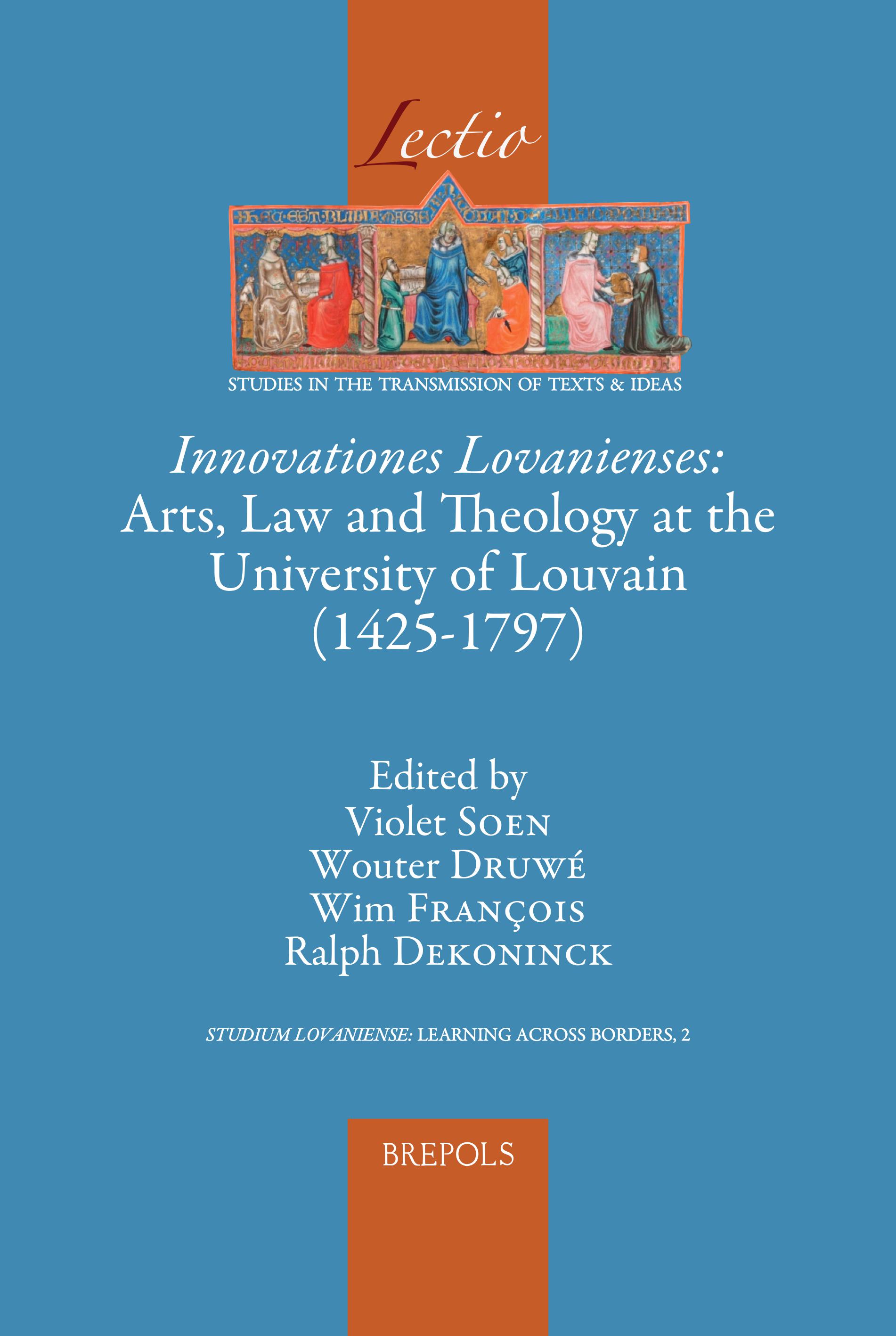 Innovationes Lovanienses: Arts, Law and Theology at the University of Louvain (1425–1797)
Studium Lovaniense: Learning across Borders, 2
Volume 18

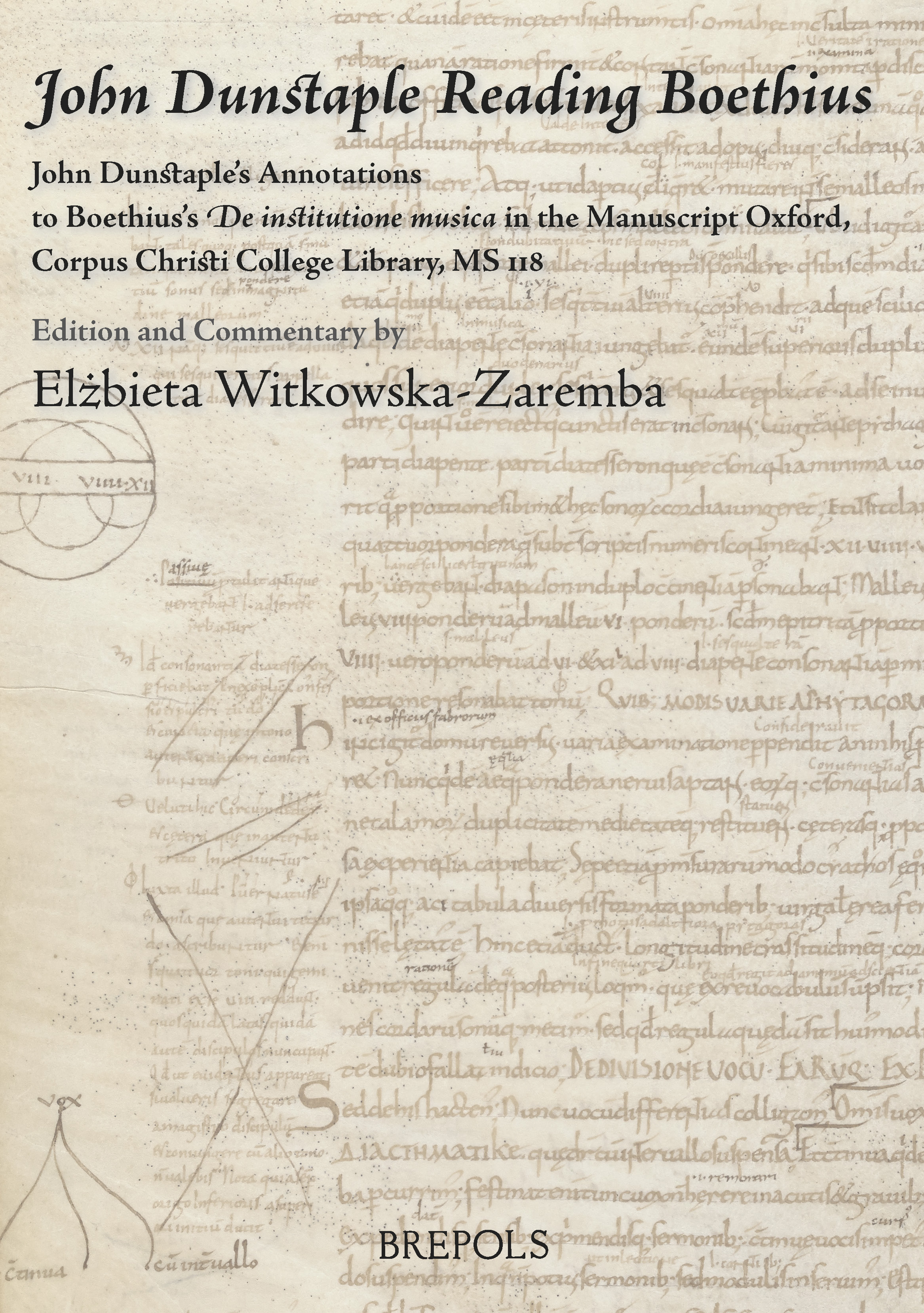 John Dunstaple Reading Boethius
John Dunstaple’s Annotations to Boethius’s “De institutione musica” in the Manuscript Oxford, Corpus Christi College Library, MS 118

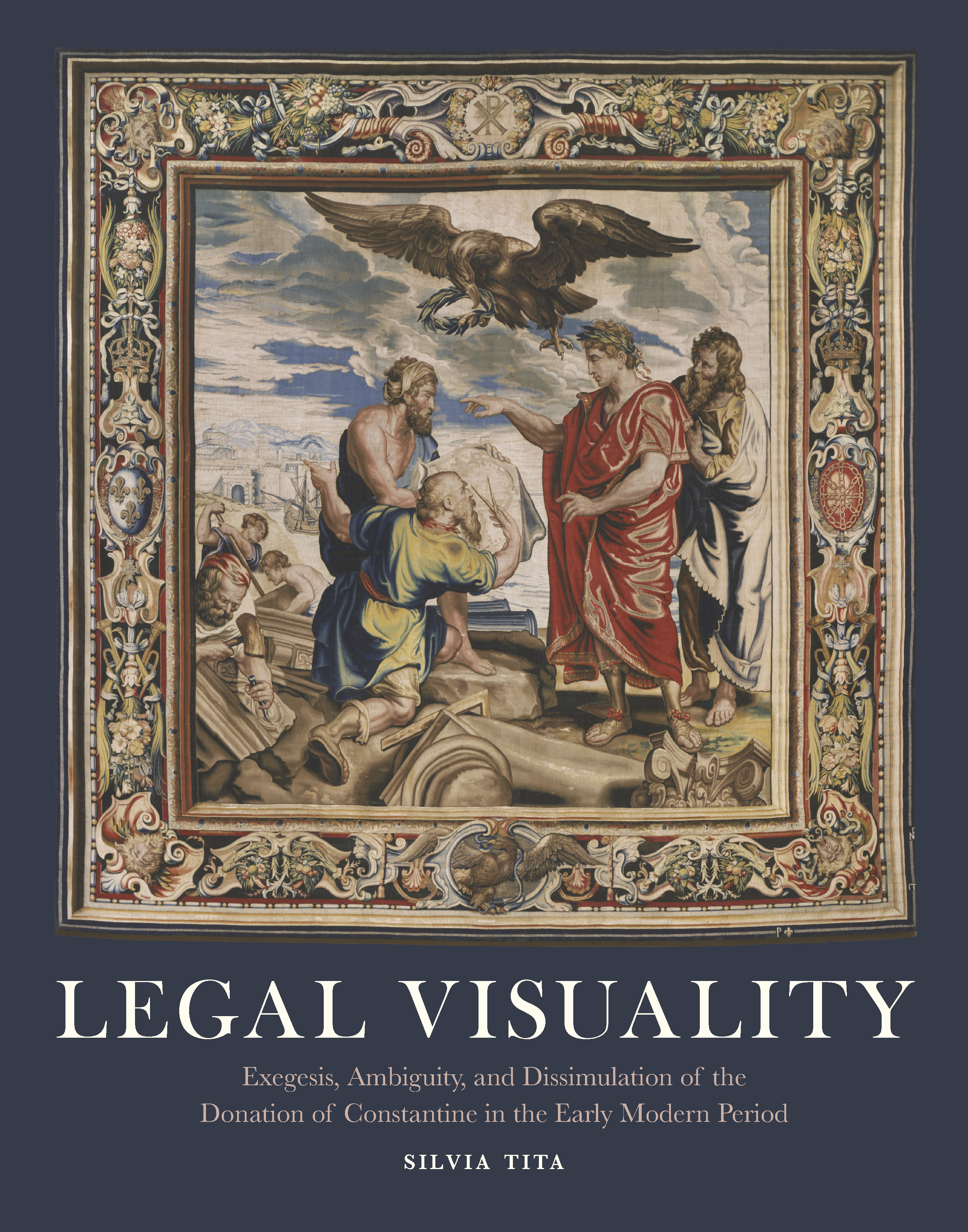 Legal Visuality
Exegesis, Ambiguity, and Dissimulation of the Donation of Constantine in the Early Modern Period
 Linguistic and Cultural Dynamics in a Frontier Society
New Perspectives on Northeastern Bavaria and Western Bohemia in the Early Middle Ages
Volume 9
