
Le conflit propagandiste entre Octavien et Marc Antoine
De l'usage politique de la uituperatio entre 44 et 30 a. C. n.
By (author) L. Borgies

English summary: By blaming each other for obscure and degrading origins, cruelty, cowardice, oratorical and literary incompetence, debaucheries, luxury, drunkenness and other slanders, Octavian and Mark Antony, between 44-30 BC, endeavoured to destroy their respective political foe’s reputation in the eyes of various publics. Unfortunately, until now, invectives have not yet benefitted from the academic attention they deserve, which is doubly regrettable as the rhetorical genre of uituperatio is a perfect illustration for the use of propaganda in Antiquity and helps to contest the traditional focus put on coinage and poetry. Through its tripartite structure, the present book offers, for the first time, an encompassing view of the uituperatio of this period, analysed in turn according to the rhetorical themes of the invectives, the public concerned, and the forms and supports by which it is conveyed. It demonstrates that, by its strenuous and fierce expression, the uituperatio not only became a tool of war, but also prefigured the ideological basis of the Augustan Principate. French description: En se criblant mutuellement d’origines obscures et degradantes, de cruaute, de lachete, d’incompetence oratoire et litteraire, de debauches, de luxure, d’ivrognerie et autres traits infamants, Octavien et Marc Antoine, entre 44 et 30 a. C. n., tenterent de demolir systematiquement l’image de leur adversaire politique respectif aupres de divers publics. Or, le role joue par ces invectives n’a pas encore suffisamment retenu l’attention de la recherche, ce qui est d’autant plus regrettable que le genre rhetorique de la uituperatiose prete a merveille a une utilisation critique du concept de propagande et remet en question la primaute generalement accordee aux emissions monetaires et a la poesie. Par sa structure tripartite, ce livre offre, pour la premiere fois, une vue globale de lauituperatio de cette periode, analysee tour a tour selon les themes rhetoriques des invectives, les publics auxquels elle s’adresse, et les formes et les supports par lesquels elle est vehiculee. Il demontre que, par sa virulence et la vigueur de son expression, la uituperatione devient pas seulement une arme de guerre, mais prefigure aussi les fondements ideologiques du Principat augusteen.
- By (author) L. Borgies
Other Titles in this Series

 Poétique(s) des commentaires antiques
Actes du colloque international (Université Charles de Gaulle-Lille 3, 17-19 novembre 2016)
Volume 364

 Augustus through the Ages
Receptions, Readings and Appropriations of the Historical Figure of the First Roman Emperor
Volume 366
 Von Platon bis Fukuyama
Biologistische und zyklische Konzepte in der Geschichtsphilosophie der Antike und des Abendlandes
Volume 349
 «Cum adulescens litteris Graecis operam darem»
El manuscrito latino de Giovanni Bartolomeo Marliano de Hesiodo, Operaet dies. Edicion critica del ms. Ang. lat. 240 (Roma, Biblioteca Angelica)
Volume 367, 2

 Fragmente eines Lebenswerks
Historischer Kommentar zur Universalgeschichte des Nikolaos von Damaskus
Volume 362


 Discours des personnages féminins chez Sénèque
Approches logométriques et contrastives d'un corpus théâtral
Volume 359

 Rome and the Seleukid East
Selected Papers from Seleukid Study Day V, Brussels, 21-23 August 2015
Volume 360
 Imperial Transportation and Communication from the Third to the Late Fourth Century
The Golden Age of the cursus publicus
Volume 353


Similar Books


 As Messianism Turns to Heresy
The Regenstein Chair Lectures On Lurianic Kabbalah and Shabbatai Tzevi at Hebrew Union College - Cincinnati

 Beyond Sovereign Courts
Agents and Practices in Early Modern Spanish and Habsburg Diplomacy
Volume 3



 Contesting Labeled Identities
The Sociology of Gentilics in Biblical and Northwest Semitic Literature


 Drunk the Potion, No Whit Charmed
The Doctrine of Pure and Perfect Souls from Iamblichus to Damascius


 Epigraphic “Shades” from Hellenistic Thrace
Contextualizing Inscriptions in Greek from Thracian Tombs

 Epiphanies of the Divine in the Septuagint and the New Testament
Fifth International Symposium of the Corpus Judaeo-Hellenisticum Novi Testamenti (CJHNT), 14-17 May 2015, Nottingham


 Food Security under Armed Conflict
Global Knowledge Landscape and Public Attention to Social, Economic, and Humanitarian Dimensions


 Gold, Silver and Glass: Power Networks, Cultural Identities, Technology Transfers and Agency across the Old World (7th Century BC – 1st Century AD)
Proceedings of a Conference Held at the British Museum, 16–18 June 2023
 Innovationes Lovanienses: Arts, Law and Theology at the University of Louvain (1425–1797)
Studium Lovaniense: Learning across Borders, 2
Volume 18

 Language and Power in the Roman Empire and Early India
Hierarchy, Ambiguity, and the Art of Reading the Signs in Cosmopolitan Cultures
 Late Antique villae in the Balkans (3rd–7th c. AD): Current Research Questions and Perspectives
HAEMUS Companion to the Late Antique Balkans 1
Volume 4


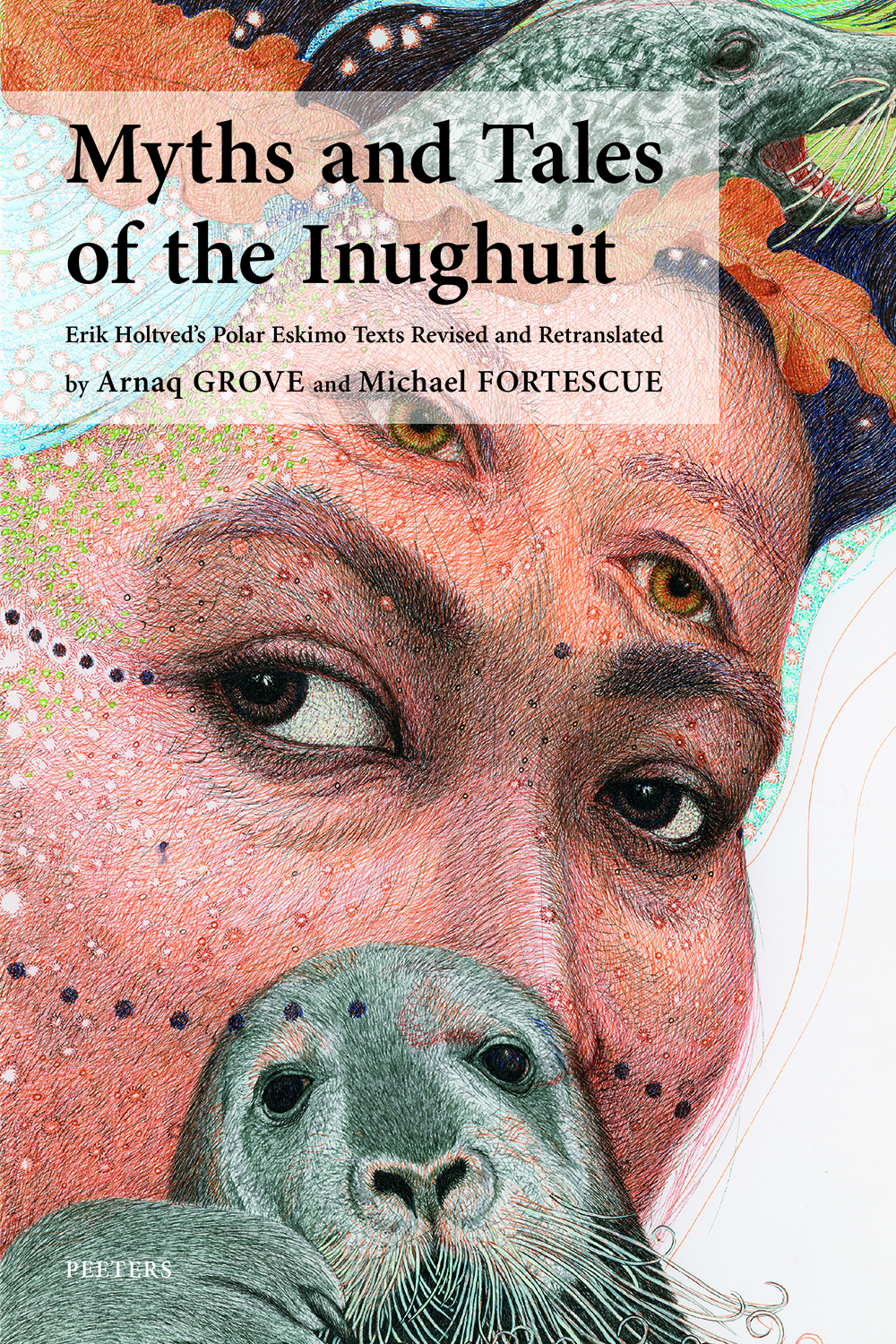 Myths and Tales of the Inughuit
Erik Holtved's Polar Eskimo Texts Revised and Re-translated into Danish and English
Volume 475, 12

 Nurturing the Elite
Representations of Drinking, Eating, and Religious Vessels in Palmyrene Funerary Iconography
Volume 13

