
How Prophecy Works
A Study of the Semantic Field of נביא and a Close Reading of Jeremiah 1:4–19, 23:9–40 and 27:1–28:17
By (author) William L. Kelly

Hardback (Published)
(December 2019)
ISBN: 9783525540732
6.34 x 9.25 inches
Price: $125.00
On back order
There is a longstanding scholarly debate on the nature of prophecy in ancient Israel. Until now, no study has based itself on the semantics of the Hebrew lexeme nabi? (“prophet”). This investigation by William L. Kelly discusses the nature and function of prophecy in the corpus of the Hebrew book of Jeremiah. It analyses all occurrences of nabi? in Jeremiah and performs a close reading of three primary texts, Jeremiah 1.4-19, 23.9-40 and 27.1-28.17. The result is a detailed explanation of how prophecy works, and what it meant to call someone a nabi? in ancient Israel. Combining the results of the semantic analysis and close readings, the study reaches conclusions for six main areas of study: (1) the function and nature of prophecy; (2) dreams and visions; (3) being sent; (4) prophets, priests and cult; (5) salvation and doom; and (6) legitimacy and authority. These conclusions explain the conceptual categories related to nabi? in the corpus. I then situate these findings in two current debates, one on the definition of nabi? and one on cultic prophecy. This study contributes to critical scholarship on prophecy in the ancient world, on the book of Jeremiah, and on prophets in ancient Israel. It is the first major study to analyse nabi? based on its semantic associations. It adds to a growing consensus which understands prophecy as a form of divination. Contrary to some trends in Jeremiah scholarship, this work demonstrates the importance of a close reading of the Masoretic (Hebrew) text. This study uses a method of a general nature which can be applied to other texts. Thus there are significant implications for further research on prophecy and prophetic literature.
William L. Kelly, PhD, Visiting Assistant Professor of Religious Studies at the University of Richmond.
- By (author) William L. Kelly
Other Titles in this Series
 „Wie die Verwundeten ‒ derer du nicht mehr gedenkst”
Zur Phänomenologie des Traumas in den Psalmen 22, 88, 107 und 137

 The Spirit World in the Letters of Paul the Apostle
A Critical Examination of the Role of Spiritual Beings in the Authentic Pauline Epistles

 Die himmlische Bürgerschaft
Untersuchungen zu einem urchristlichen Sprachmotiv im Spannungsfeld von religiöser Integration und Abgrenzung im 1. und 2. Jahrhundert
 Divine Substitution
Humanity as the Manifestation of Deity in the Hebrew Bible and the Ancient Near East

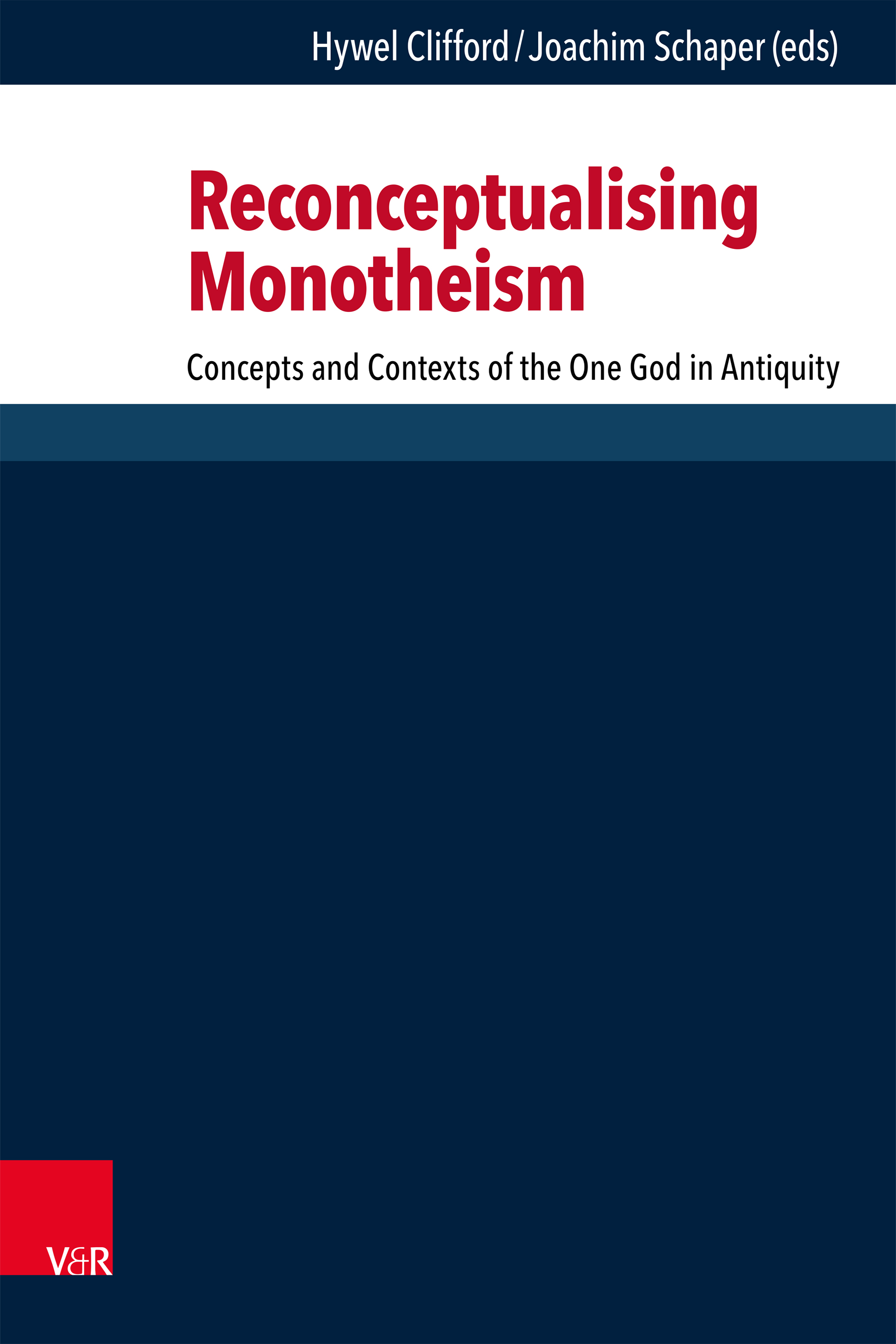
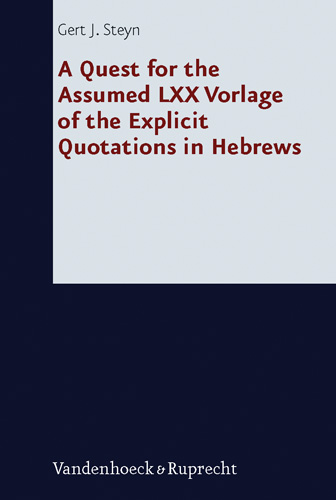


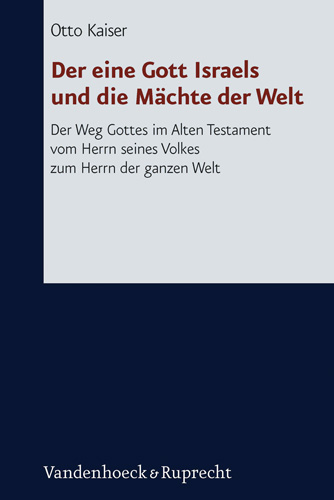 Der eine Gott Israels und die Mächte der Welt
Der Weg Gottes im Alten Testament vom Herrn seines Volkes zum Herrn der ganzen Welt
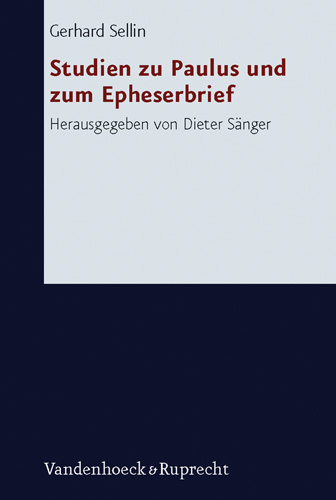





Similar Books


 Apocrypha, Magic, Liturgy
The Multiple Identities of Coptic Prayers in Late Antique and Early Islamic Egypt
 Athanasius of Alexandria, Epistula ad episcopos Aegypti et Libyae
Old Slavonic Version and English Translation
Volume 261



 Contesting Labeled Identities
The Sociology of Gentilics in Biblical and Northwest Semitic Literature
 Cyril of Alexandria’s Christological Exegesis
Explorations of Partitive Exegesis in the Dialogues on the Trinity
Volume 70

 Epiphanies of the Divine in the Septuagint and the New Testament
Fifth International Symposium of the Corpus Judaeo-Hellenisticum Novi Testamenti (CJHNT), 14-17 May 2015, Nottingham


 Extracanonical Traditions and the Holy Land
Texts, Rituals, and Material Culture in Late Antique Palestine
 From Joseph to Jesus
The Joseph Narrative as a Compositional Template from Old Greek Esther to the Gospel of Luke
Volume 125





 Nicholas of Lyra’s Commentaries on the Gospels of Matthew and Luke
Franciscan Exegesis in a Time of Crisis
 Paradise Lost in Transmission
The Return to Eden in the Apocalypse of Peter within Its Ethiopic and Early Christian Contexts



 Punning in Odd or Elegant Constructions in Jeremiah
The Convergence of Linguistics, Rhetoric, and Textuality in the Hebrew Text of Jeremiah

 Reformed Covenantal Eudaimonism
Wilhelmus à Brakel (1635–1711) on Highest Good, Virtue, and Law
Volume 87