
Heurs et malheurs de la “collégialité”
Pontificats et Synodes face à la réception de Vatican II
By (author) J. Grootaers

Prof. Jan Grootaers, columnist and renowned historian of the council, friend and confidant of Bishop Philips, the principal drafter of Lumen Gentium, provides with a thorough investigation on the ups and downs of “collegiality” during the pontificates of Paul VI and John Paul II. After a very precise history of the origin and meaning of the Nota Explicativa Praevia, a study shows how a note from the International Theological Commission was buried by a veto of Paul VI in 1971. Two chapters then present the attitude of Pope John Paul II at the beginning of his pontificate and explain how his personal pastoral styled hindered the expression of collegiality. Then, an original analysis of five synods (1969 to 1987) reveals the avatars of collegiality. With information that often comes from confidential sources, the incisive style and penetrating analyzes of the author give us a work that is not only informative but also very exciting.
La collegialite est “le talon d’Achille de la reception du Concile de Vatican II et une pierre de touche de la fecondite du concile a long terme” (B. Sesboue). Les debats houleux sur ce theme pendant la “semaine noire” du concile (16-21 novembre 1964) et l’insertion de la fameuse Nota Explicativa Praevia pour garantir les prerogatives papales restent graves dans la memoire. L’institution du Synode des Eveques le 15 septembre 1965 par le pape Paul VI avait permis de grandes esperances. Toutefois cinquante ans apres le debut du concile, on peut se demander dans quelle mesure la collegialite, cette communion entre le pape et les eveques, a ete vecue et realisee dans la vie de l’Eglise. Le Prof. Jan Grootaers, chroniqueur et historien renomme du concile, ami et confident de Mgr Philips, le principal redacteur de Lumen Gentium, nous livre ici une enquete fouillee et rigoureuse sur les Heurs et malheurs de la collegialite sous les pontificats de Paul VI et Jean-Paul II. Apres une histoire tres precise de l’origine et de la signification de la Nota Explicativa Praevia, une etude nous montre comment une note de la Commission Theologique Internationale a ete enterree par un veto de Paul VI en 1971. Deux chapitres presentent alors l’attitude de Jean-Paul II au debut de son pontificat et expliquent comment son style pastoral personnel a fait obstacle a l’expression de la collegialite. Ensuite une analyse originale de cinq synodes (de 1969 a 1987) nous revele les avatars de la collegialite. Les informations souvent de source confidentielle, le style incisif et les analyses penetrantes de l’auteur nous livrent une oeuvre non seulement fort instructive mais aussi passionnante.
- By (author) J. Grootaers
Other Titles in this Series
 Embraced by the Father and the Son in the Unity of the Holy Spirit
A Study of the Trinity and the Mystical Life in the Works of Jan van Ruusbroec
Volume 65

 More than a Memory
The Discourse of Martyrdom and the Construction of Christian Identity in the History of Christianity
Volume 51
 Das Konzil und die Seminare
Die Ausbildung der Priester in der Dynamik des Zweiten Vatikanums
Volume 48
 Mystical Anthropology: Cross-Religious Perspectives
Interdisciplinary Reflections on the Arnhem Mystical Sermons and Sri Aurobindo
Volume 66

 The Gospel Preached by the Deaf
Proceedings of a Conference on Deaf Liberation Theology held at the Faculty of Theology of the Catholic University of Leuven (Belgium), May 19, 2003
Volume 52

 Religion under Siege II
'Protestant, Orthodox and Muslim Communities in Occupied Europe (1939-1950)'
Volume 56
 Theologie als geloofsvertolking
Historische en theologische reflecties over het proefschrift van Piet Schoonenberg
Volume 73


 Marriage – Divorce – Remarriage. Mariage – Divorce – Remariage
Challenges and Perspectives for Christians. Defis et perspectives chretiennes
Volume 58


 Evaluating Liturgical Reform
Four Criteria Derived from a Theological Concept of Tradition
Volume 84
 Volk Gottes in Afrika
Die Rolle der Laien in der pastoralen Erneuerung von Kardinal Malula, Kinshasa
Volume 60
 Syncretisme / Syncretism
Echec ou promesse d'inculturation? / Failure or Opportunity for Inculturation?
Volume 75


 Religion, Violence, and Peacebuilding. Religions, violence et construction de la paix
Realities, Perspectives, and Prospects. Contextes, regards et perspectives
Volume 80
 Faith and Culture
The Construction of a Christian Identity in Interaction with the Other World Religions in Education
Volume 54


 One Bread, One Body, One Church
Essays on the Ecclesia of Christ Today in Honor of Bernard P. Prusak
Volume 81
 Patristic Sources and Catholic Social Teaching
a Forgotten Dimension: A Textual, Historical, and Rhetorical Analysis of Patristic Source Citations in the Church's Social Documents
Volume 59


 Ongoing Renewal in the Church
Reflections from Patristic Tradition, Vatican II, and Pastoral Practice
Volume 82
Similar Books
 ‘For You I Study, For You I Work, For You I Live, For You I Am Ready To Even Give My Life’
Essays in Honour of Francis (Frank) J Moloney, SDB




 Ars Prophetica
Theology in the Poetry of Twentieth-Century Hebrew Poets Avraham Halfi, Shin Shalom, Amir Gilboa, and T. Carmi
 As Messianism Turns to Heresy
The Regenstein Chair Lectures On Lurianic Kabbalah and Shabbatai Tzevi at Hebrew Union College - Cincinnati


 Drunk the Potion, No Whit Charmed
The Doctrine of Pure and Perfect Souls from Iamblichus to Damascius



 Extracanonical Traditions and the Holy Land
Texts, Rituals, and Material Culture in Late Antique Palestine
 Fear, Fear of God, God-Fearers
Philological and Historical Perspectives on the World of Ancient Judaism and Christianity




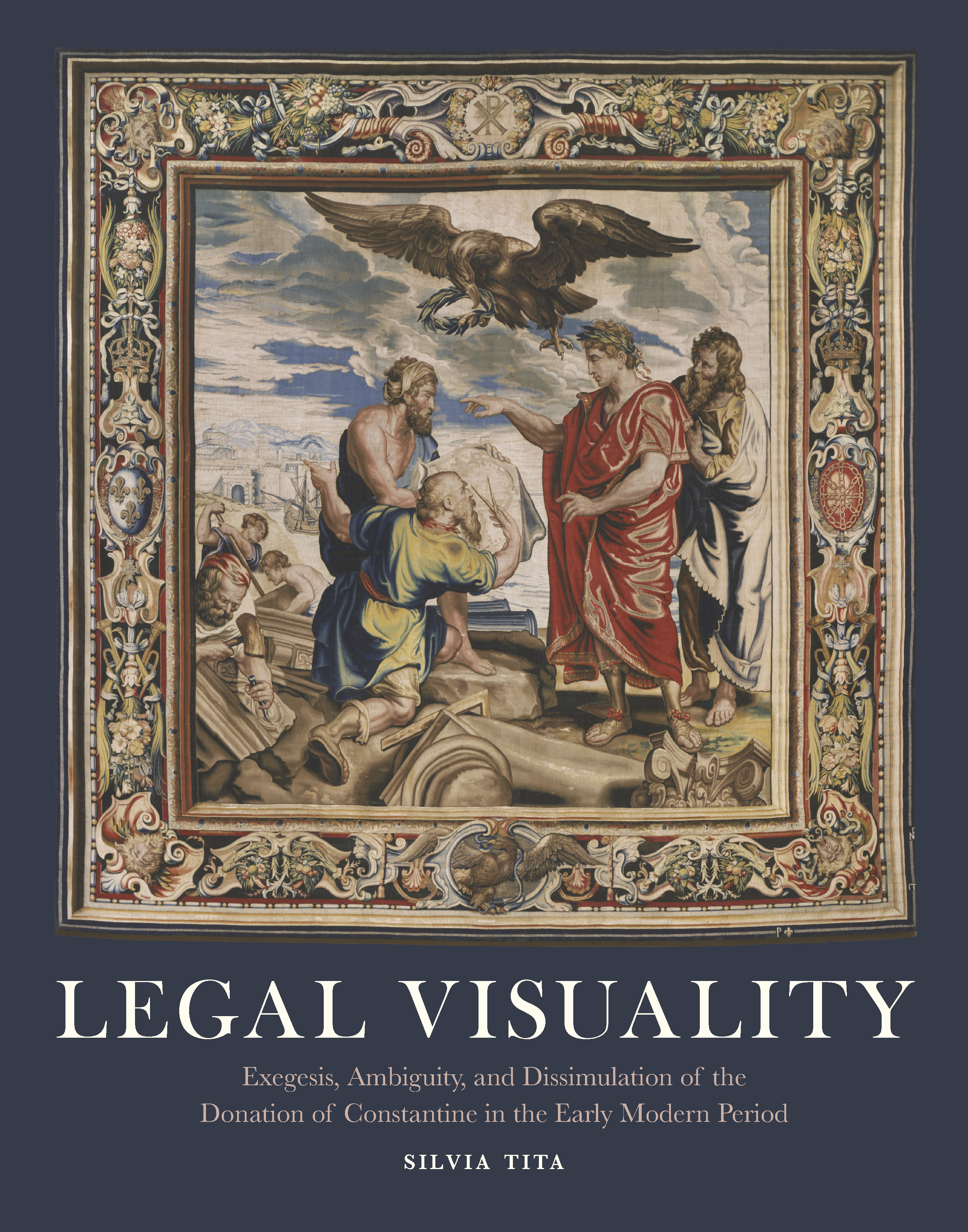 Legal Visuality
Exegesis, Ambiguity, and Dissimulation of the Donation of Constantine in the Early Modern Period
 Liturgia semper reformanda
Adaptations and accommodations in the liturgy in light of canon 838 of the Code of Canon Law


