
Die Reformation 1517
Zwischen Gewinn und Verlust
Contributions by Wolfgang Brylla Contributions by Albrecht Classen Contributions by Miroslawa Czarnecka Contributions by Cora Dietl Contributions by Joanna Godlewicz-Adamiec Contributions by Anita Fajt Contributions by Gabriela Jelitto-Piechulik Contributions by Jerzy Kalazny Contributions by Michail L. Kotin Contributions by Sławomir Leśniak Contributions by Stafan Lindinger Contributions by Cezary Lipiński Contributions by Franz Josef Merkl Contributions by Anna Mikołajewska Contributions by Wacław Pagórski Contributions by Wolfgang Reinhard Contributions by Heinz Schilling Contributions by Johanna Schmid Contributions by Arletta Szmorhun Contributions by Tomasz Szybisty Edited by Cezary Lipiński Edited by Wolfgang Brylla Series edited by Herman J. Selderhuis Associate editor Christopher B. Brown Associate editor Günter Frank Associate editor Bruce Gordon Associate editor Barbara Mahlmann-Bauer Associate editor Tarald Rasmussen Associate editor Violet Soen Associate editor Tóth Zsombor Associate editor Günther Wassilowsky Associate editor Siegrid Westphal

Hardback (Published)
(January 2020)
ISBN: 9783525564813
6.34 x 9.33 inches
Price: $163.00
In stock
Als Folgen der Reformation nur von Gewinnen zu sprechen, ist obsolet.
Die Feierlichkeiten anno 2017 haben anschaulich gezeigt, in welchem Grad die Reformation immer noch an die Person Martin Luthers geknupft wird. Gefeiert wurde der Reformator als der ultimative deutsche Held, der – der Legende nach – mit dem Satz “Hier stehe ich und ich kann nicht anders” gleich zwei bis dahin unhinterfragbare Autoritaten, die des Papstes und die des Kaisers, herausforderte, dessen Hammerschlage nicht allein die Reformation, sondern gar die Neuzeit einlauten sollten, der uns ferner als der erste moderne Mensch personliche Freiheit schenkte und der den Namen des eigentlichen (neben Bonifatius fruher und Bismarck spater) Schopfers der deutschen Nation verdiene. Seit jeher wurde dafur gesorgt, dass sich rund um den Wittenberger Theologieprofessor Mythen wie diese rank(t)en. Dabei hatte die (kirchliche) Reformation, die Luther mitpragte, neben ihren positiven auch problembehaftete Folgen. Spatestens jetzt also, aus heutiger Sicht und vor dem Hintergrund des 500. Reformationsjubilaums, muss deshalb die Frage erlaubt sein, ob man im Falle der 1517 ausgelosten Bewegung in der Tat nur von Gewinn(en), wie es meistens die Forschung des 19., aber auch teilweise 20. Jahrhunderts wollte, oder eben auch von Verlust(en) sprechen sollte.
- Contributions by Wolfgang Brylla
- Contributions by Albrecht Classen
- Contributions by Miroslawa Czarnecka
- Contributions by Cora Dietl
- Contributions by Joanna Godlewicz-Adamiec
- Contributions by Anita Fajt
- Contributions by Gabriela Jelitto-Piechulik
- Contributions by Jerzy Kalazny
- Contributions by Michail L. Kotin
- Contributions by Sławomir Leśniak
- Contributions by Stafan Lindinger
- Contributions by Cezary Lipiński
- Contributions by Franz Josef Merkl
- Contributions by Anna Mikołajewska
- Contributions by Wacław Pagórski
- Contributions by Wolfgang Reinhard
- Contributions by Heinz Schilling
- Contributions by Johanna Schmid
- Contributions by Arletta Szmorhun
- Contributions by Tomasz Szybisty
- Edited by Cezary Lipiński
- Edited by Wolfgang Brylla
- Series edited by Herman J. Selderhuis
- Associate editor Christopher B. Brown
- Associate editor Günter Frank
- Associate editor Bruce Gordon
- Associate editor Barbara Mahlmann-Bauer
- Associate editor Tarald Rasmussen
- Associate editor Violet Soen
- Associate editor Tóth Zsombor
- Associate editor Günther Wassilowsky
- Associate editor Siegrid Westphal
Other Titles in this Series
 Common Man, Society and Religion in the 16th century/Gemeiner Mann, Gesellschaft und Religion im 16. Jahrhundert
Piety, morality and discipline in the Carpathian Basin/Frömmigkeit, Moral und Sozialdisziplinierung im Karpatenbogen


 The Council of Trent: Reform and Controversy in Europe and Beyond (1545-1700)
Vol. 3: Between Artists and Adventurers
 The Holy Crown and the Hungarian Estates
Constructing Early Modern Identity in the Kingdom of Hungary

 Managing Melancholy
Dynamics of theology, medicine and law in early modern Nordic Lutheran societies



 Die politischen Gesetze des Mose als Vorbild
Entstehung und Einflüsse der politia-judaica-Literatur in der Frühen Neuzeit


 The Controversy over the Lord’s Supper in Danzig 1561–1567
Presence and Practice – Theology and Confessional Policy


 ‘Church’ at the Time of the Reformation
Invisible Community, Visible Parish, Confession, Building …?




Similar Books

 A Companion to Christianity and Sport in Europe and North America (19th-21st centuries)
Volume 1: Western and Eastern Europe
 A Connecting Polemic in the Medieval Mediterranean
The Correspondence of Leo III and ʿUmar II
Volume 6





 Ars Prophetica
Theology in the Poetry of Twentieth-Century Hebrew Poets Avraham Halfi, Shin Shalom, Amir Gilboa, and T. Carmi
 As Messianism Turns to Heresy
The Regenstein Chair Lectures On Lurianic Kabbalah and Shabbatai Tzevi at Hebrew Union College - Cincinnati
 Balthasar Caymox of Nuremberg
Early Modern German Print Publishers: Popular Prints of the Seventeenth Century


 Beyond Sovereign Courts
Agents and Practices in Early Modern Spanish and Habsburg Diplomacy
Volume 3


 Circulation, Use, Impact
The Consumption of Architectural Books in the Early Modern Eastern Adriatic
Volume 1


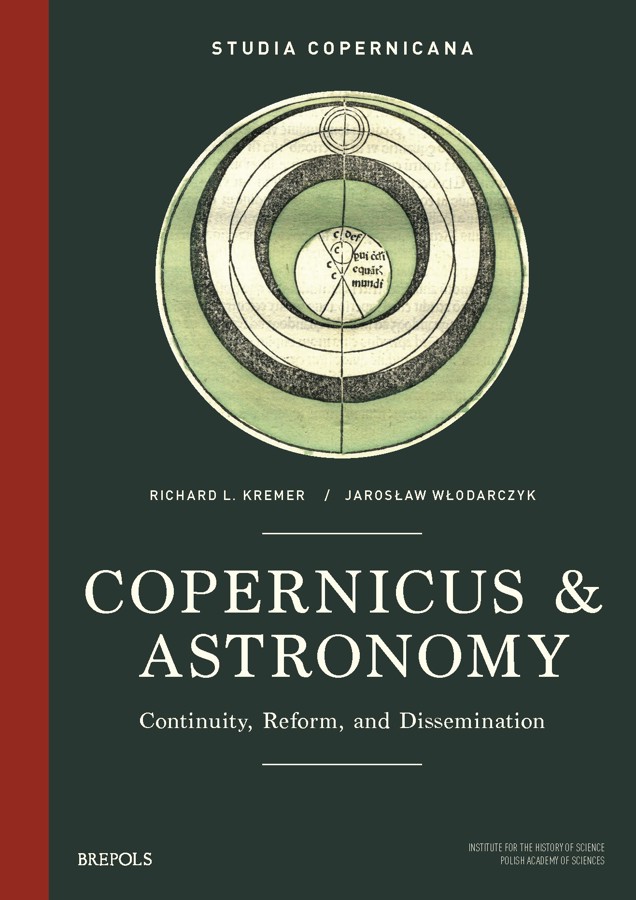
 Councils, Conflicts, Correspondence
Urban Diplomacy in Reval (Tallinn) and Lübeck (c. 1470–1570)
Volume 67
 Creating the Woman in Antiquity
Proceedings of the 16th Melammu Workshop, Innsbruck, 2–3 June 2022
Volume 13
 Cultic Kisses
Fruitful Encounters Between Deities and Humans. Festschrift for Angelika Berlejung on the Occasion of Her 65th Birthday
 De/colonizing Theologies
Glocal Histories, Contemporary Challenges, Theoretical Reflections
Volume 4

 Drunk the Potion, No Whit Charmed
The Doctrine of Pure and Perfect Souls from Iamblichus to Damascius

