
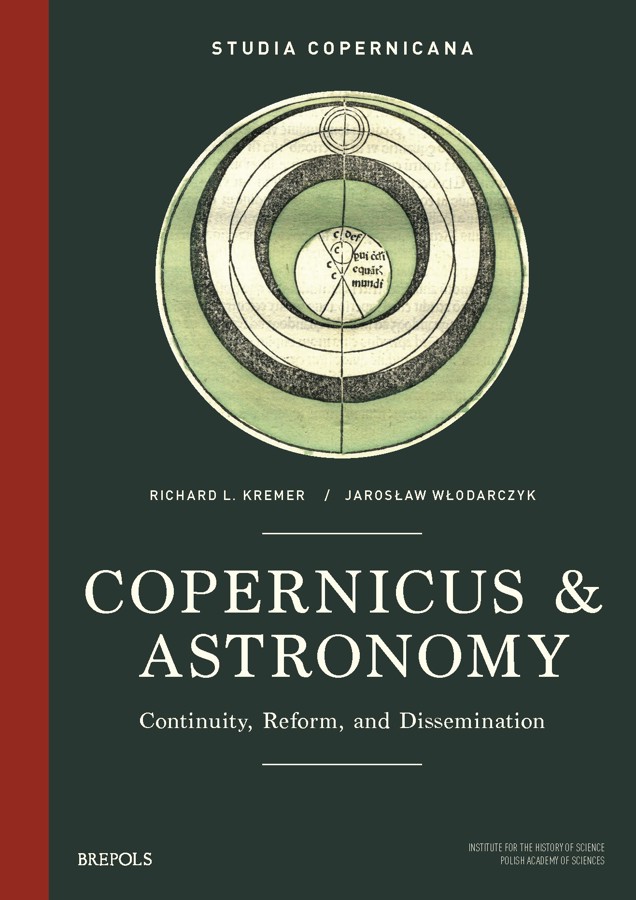
Copernicus and Astronomy
Continuity, Reform, and Dissemination
Hardback (Published)
(October 2026)
ISBN: 9782503623399
7.01 x 10 inches
Price: $169.00
The studies collected in this book focus on three main themes. The first theme addressed is geocentric astronomy, its methods and the twists and turns of its evolution, beginning with the classical form given to it by Claudius Ptolemy in the second century CE to the astronomy taught at medieval and renaissance universities and practiced in independent research centers, such as Nuremberg, and therefore the astronomy which Copernicus had studied before he developed his own world model. The theme also encompasses research on the development of astronomy outside Europe and the influence of astronomical treatises originating in Islamic countries on European science. The second theme focuses specifically on Copernicus’s work and on attempts to identify the original impulse which spurred the creation of heliocentric astronomy. The third theme is an overview of the early reception of heliocentric astronomy in Europe, both with regard to cosmological concepts and mathematical solutions originating in De revolutionibus, and an analysis of the influence of Copernicus’s planetary models on the procedures for calculating astronomical tables. The book thus aims to create a multidimensional synthesis of modern Copernican research.
The studies collected in this book focus on three main themes. The first theme addressed is geocentric astronomy, its methods and the twists and turns of its evolution, beginning with the classical form given to it by Claudius Ptolemy in the second century CE to the astronomy taught at medieval and renaissance universities and practiced in independent research centers, such as Nuremberg, and therefore the astronomy which Copernicus had studied before he developed his own world model. The theme also encompasses research on the development of astronomy outside Europe and the influence of astronomical treatises originating in Islamic countries on European science. The second theme focuses specifically on Copernicus’s work and on attempts to identify the original impulse which spurred the creation of heliocentric astronomy. The third theme is an overview of the early reception of heliocentric astronomy in Europe, both with regard to cosmological concepts and mathematical solutions originating in De revolutionibus, and an analysis of the influence of Copernicus’s planetary models on the procedures for calculating astronomical tables. The book thus aims to create a multidimensional synthesis of modern Copernican research.
Similar Books


 Balthasar Caymox of Nuremberg
Early Modern German Print Publishers: Popular Prints of the Seventeenth Century


 Beyond Sovereign Courts
Agents and Practices in Early Modern Spanish and Habsburg Diplomacy
Volume 3

 Circulation, Use, Impact
The Consumption of Architectural Books in the Early Modern Eastern Adriatic
Volume 1

 Councils, Conflicts, Correspondence
Urban Diplomacy in Reval (Tallinn) and Lübeck (c. 1470–1570)
Volume 67


 Homo-Politicus in the Balkans
Early Modern Southeast European History in Imperial and Regional Context

 Innovationes Lovanienses: Arts, Law and Theology at the University of Louvain (1425–1797)
Studium Lovaniense: Learning across Borders, 2
Volume 18
 Legal Visuality
Exegesis, Ambiguity, and Dissimulation of the Donation of Constantine in the Early Modern Period

 Naples as Laboratory / Laboratorium Neapel
Style Options, Artistic Rivalry and Self Fashioning in Neapolitan Baroque Painting / Plurale Stilbildung, Kunstlerkonkurrenz und Self Fashioning in der neapolitanischen Barockmalerei

 Power and Women in Southeast and Central Europe in Late Medieval and Early Modern Period (1300-1600)
Volume 10



 Staging the Spectacle of Majesty
Ceremonial, Courtly Space, and Collecting under the Spanish Habsburgs
Volume 9
 Students, Scholars and Their Books at the University of Louvain (1425-1797)
Studium Lovaniense: Learning across Borders, 1
Volume 17


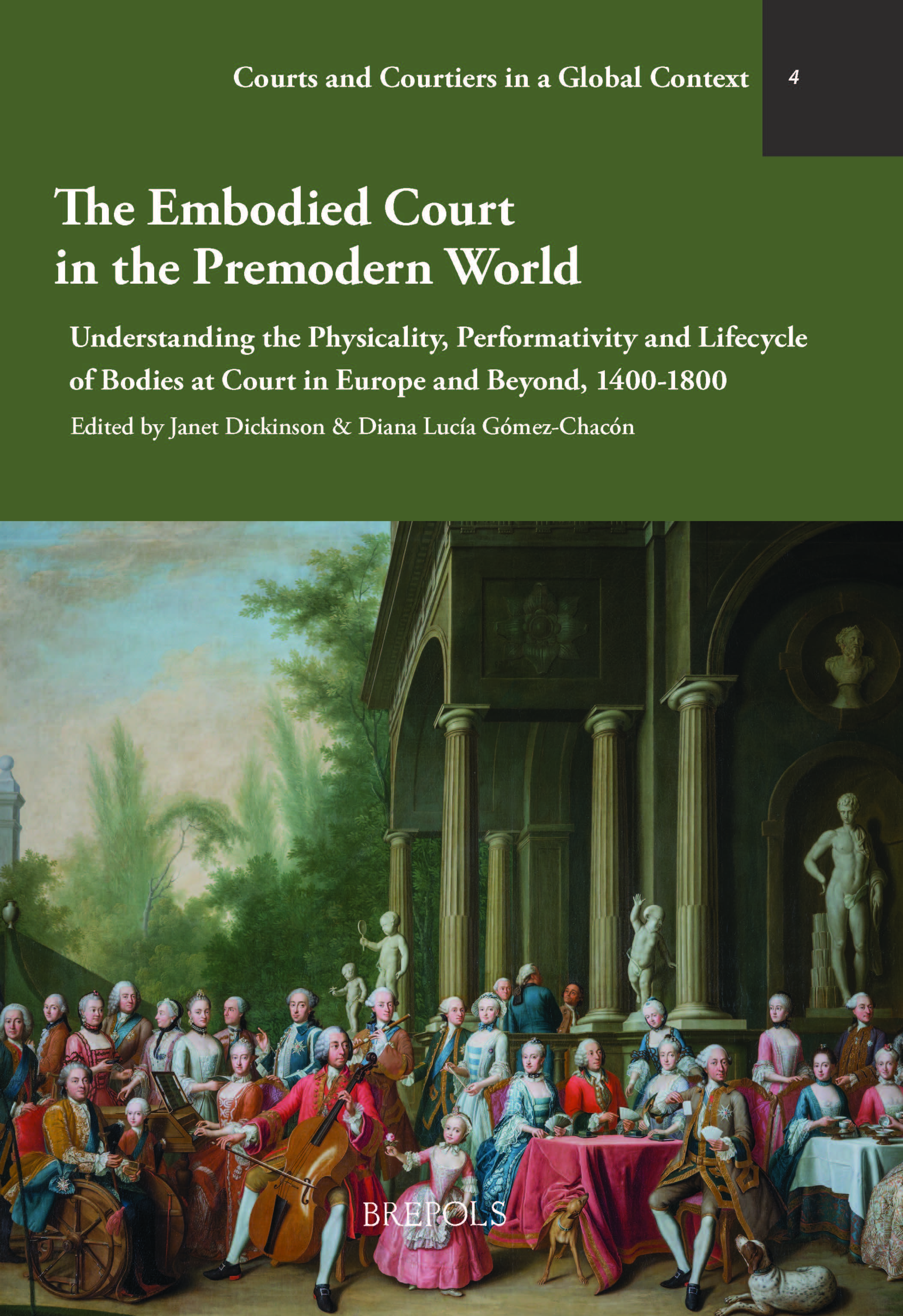 The Embodied Court in the Premodern World
Understanding the Physicality, Performativity and Lifecycle of Bodies at Court in Europe and Beyond, 1400-1800
Volume 4

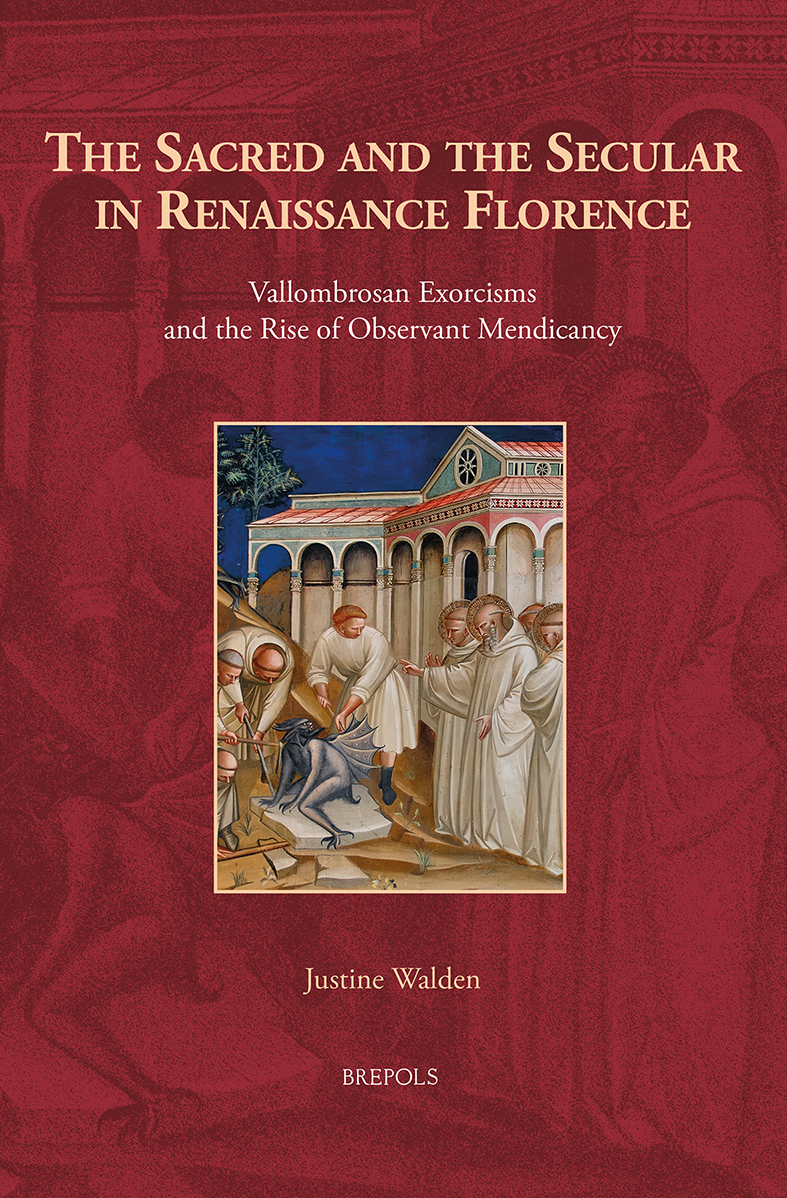 The Sacred and the Secular in Renaissance Florence
Vallombrosan Exorcisms and the Rise of Observant Mendicancy
Volume 31
 Tradition, Interpretation, and Change
Developments in the Liturgy of Medieval and Early Modern Ashkenaz

 wunder in Serie
 À la recherche des normes de traduction
Textes spécialisés dans le monde hispanophone et francophone (1450–1850)
