
Die Mönchsregeln der Pachomianer
By (author) C. Joest

The monastic rules attributed to St. Pachomius have only been transmitted in their complete form in the Latin translations produced by Jerome. The author presents for the first time a German translation of the rules with careful examination of the Coptic parts of the text, which are also presented here in German. This comparative textual and linguistic analysis offers valuable information concerning the transmission and receptions that the rules had on the development of religious ideas as well as the development of Christian monasticism.
English summary: The monastic rules attributed to St. Pachomius have only been transmitted in their complete form in the Latin translations produced by Jerome. A German translation of this collection of rules has been available for a long time, thanks to the published edition of H Bacht, but C. Joest presents for the first time a German translation of the rules with careful examination of the Coptic parts of the text, which are also presented here in German. This comparative textual and linguistic analysis offers valuable information concerning the transmission and receptions that the rules had on the development of religious ideas as well as the development of Christian monasticism. This collection of rules is rightly associated with Pachomius because they were originally produced or inspired by him and were not dependent on received or authorial traditions. The rules arose from the attempt to resolve issues related to the practical matters of daily life and they are only sensible in the context of a living structure of authority. The written rules were wholly embedded within an oral culture, which shaped their interpretation and implementation. Whether Pachomius himself wrote the rules or whether he dictated the rules to another monk who later wrote them is unclear from the existing sources. It is clear, however, that the material concerning the style and content of the rules, in one way or another, extends back to Pachomius. As far as their establishment as monastic “legislation,” the rules were first commended by the successors of Pachomius, who consistently recommended them to their confreres as the “orders” and “commandments” of the founder of the monastic community. These regulations were perpetuated in part because of the authority of the “father,” who had commended them to his followers but no longer served as a living example for his fellow monks not could be posthumously consulted on their meaning and execution. Pachomius’ rule, therefore, achieved the status of a canonical writing concerning the monastic life. German description: Die Pachomianer-Regeln sind uns vollstandig nur auf Latein in der sbersetzung des Hieronymus uberliefert. Nachdem H. Bacht schon vor langerer Zeit den lateinischen Text in deutscher sbersetzung publiziert hatte, werden sie hier estmals auch unter Berucksichtigung der koptischen Regelteile auf Deutsch veroffentlicht und eingehend analysiert. Dabei werden auch die Forschungsgeschichte und die Wirkungsgeschichte ausfuhrlich dargestellt. Das Regelganze ist zu Recht mit Pachoms Namen verbunden, es ist seine originale Schopfung und inspiriert von seinem Geist. Aber es verdankt sich nicht einem bewussten literarisch-schriftstellerischen Prozess. Die Regeln sind aus dem praktischen taglichen Leben hervorgegangen, und sie sind auch nur in Rahmen einer lebendigen Autoritatsstruktur sinnvoll. Sie sind noch ganz in die Kultur der Mundlichkeit eingebettet, in der sie ihre Interpretation und ihre Anwendung fanden. Ob Pachom die Regeln personlich geschrieben hat, ob er sie diktiert oder ob ein Bruder die mundlich erlassenen Regeln spater aufgeschrieben hat, ist nicht mehr zu entscheiden. Deutlich ist aber, dass das Regelmaterial nach Stil und Inhalt auf die eine oder andere Weise auf ihn selbst zuruckzufuhren ist. Zur ‘Gesetzgebung’ wurden die Regeln erst durch den Ruckgriff der Nachfolger Pachoms, die ihre Mitbruder bestandig auf die ‘Anordnungen’ und ‘Gebote’ des Ordensgrunders verpflichteten. Diese Ordnungen lebten zwar immer noch von der Autoritat des ‘Vaters’, der sie erlassen hatte, der aber nicht mehr als lebendes Beispiel unter ihnen war, sondern nur noch posthum beschworen werden konnte. Dadurch erst bekamen seine Regeln gewissermaaen einen kanonischen Rang.
- By (author) C. Joest
Other Titles in this Series


 Histoire de Zosime sur la vie des Bienheureux Réchabites
Les versions orientales et leurs manuscrits
Volume 664, 135


 Religious Poetry in Vernacular Syriac from Northern Iraq (17th-20th Centuries). An Anthology
V.
Volume 628, 241


 La versione siriaca della Vita di Giovanni il Misericordioso di Leonzio di Neapolis
T.
Volume 679, 263
 An Andalusian Arabic Version of the Four Gospels
(Bayer. Staatsbibl., München, cod. arab. 238)
Volume 663, 54
 The Armenian Scholia on Dionysius the Areopagite. Studies on their Literary and Philological Tradition
Volume 625, 122


 Mundus primus
Die Geschichte der Welt und des Menschen von Adam bis Noach im Genesiskommentar Ephräms des Syrers
Volume 641, 128

 La versione siriaca della Vita di Giovanni il Misericordioso di Leonzio di Neapolis
V.
Volume 680, 264

 The Syriac Versions of the Writings of Cyril of Alexandria. A Study in Translation Technique
Volume 626, 123
 The Patristic “Masora”
A Study of Patristic Collections in Syriac Handbooks from the Near East
Volume 689, 265


Similar Books
 ‘For You I Study, For You I Work, For You I Live, For You I Am Ready To Even Give My Life’
Essays in Honour of Francis (Frank) J Moloney, SDB
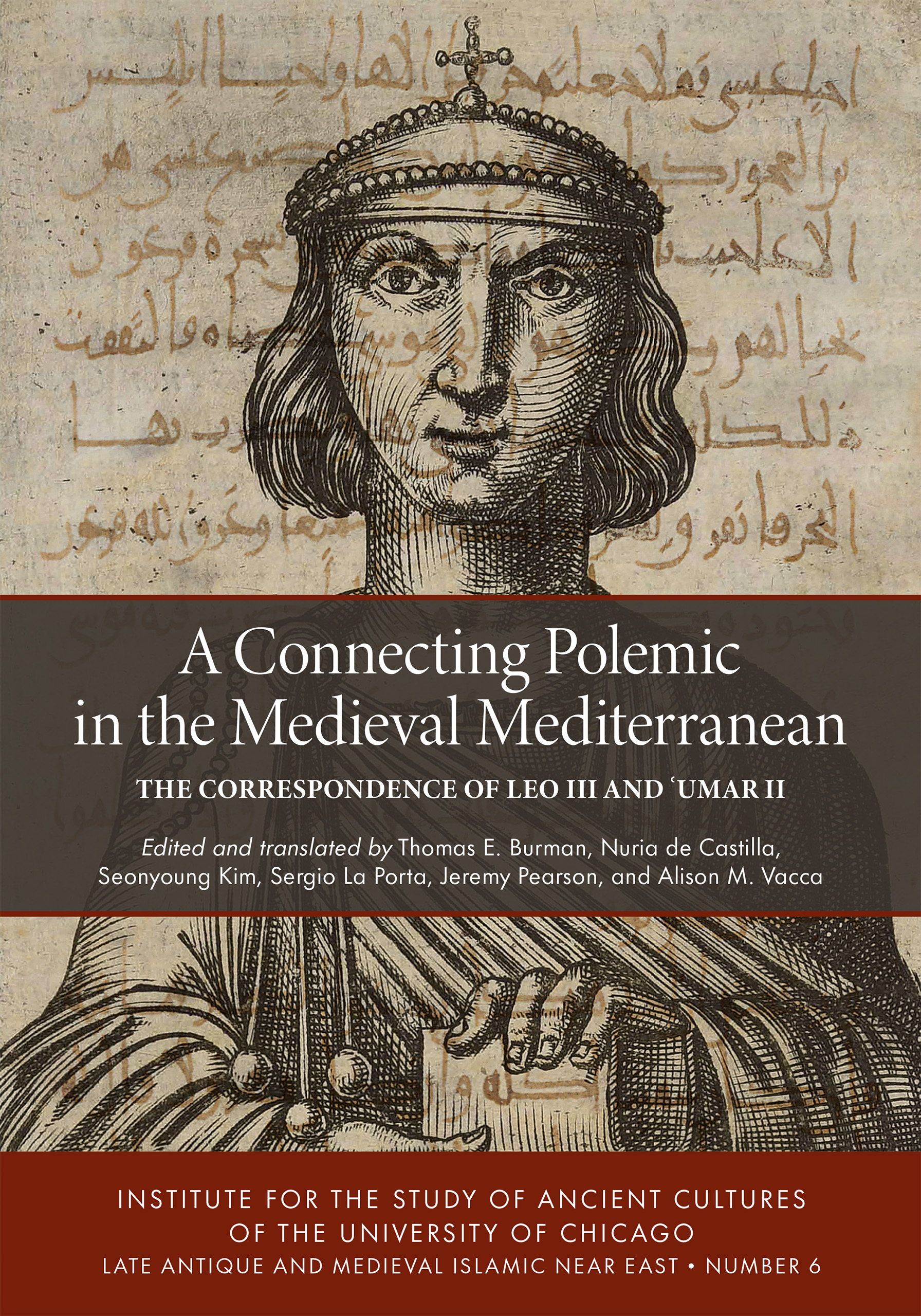 A Connecting Polemic in the Medieval Mediterranean
The Correspondence of Leo III and ʿUmar II
Volume 6




 Ars Prophetica
Theology in the Poetry of Twentieth-Century Hebrew Poets Avraham Halfi, Shin Shalom, Amir Gilboa, and T. Carmi
 As Messianism Turns to Heresy
The Regenstein Chair Lectures On Lurianic Kabbalah and Shabbatai Tzevi at Hebrew Union College - Cincinnati


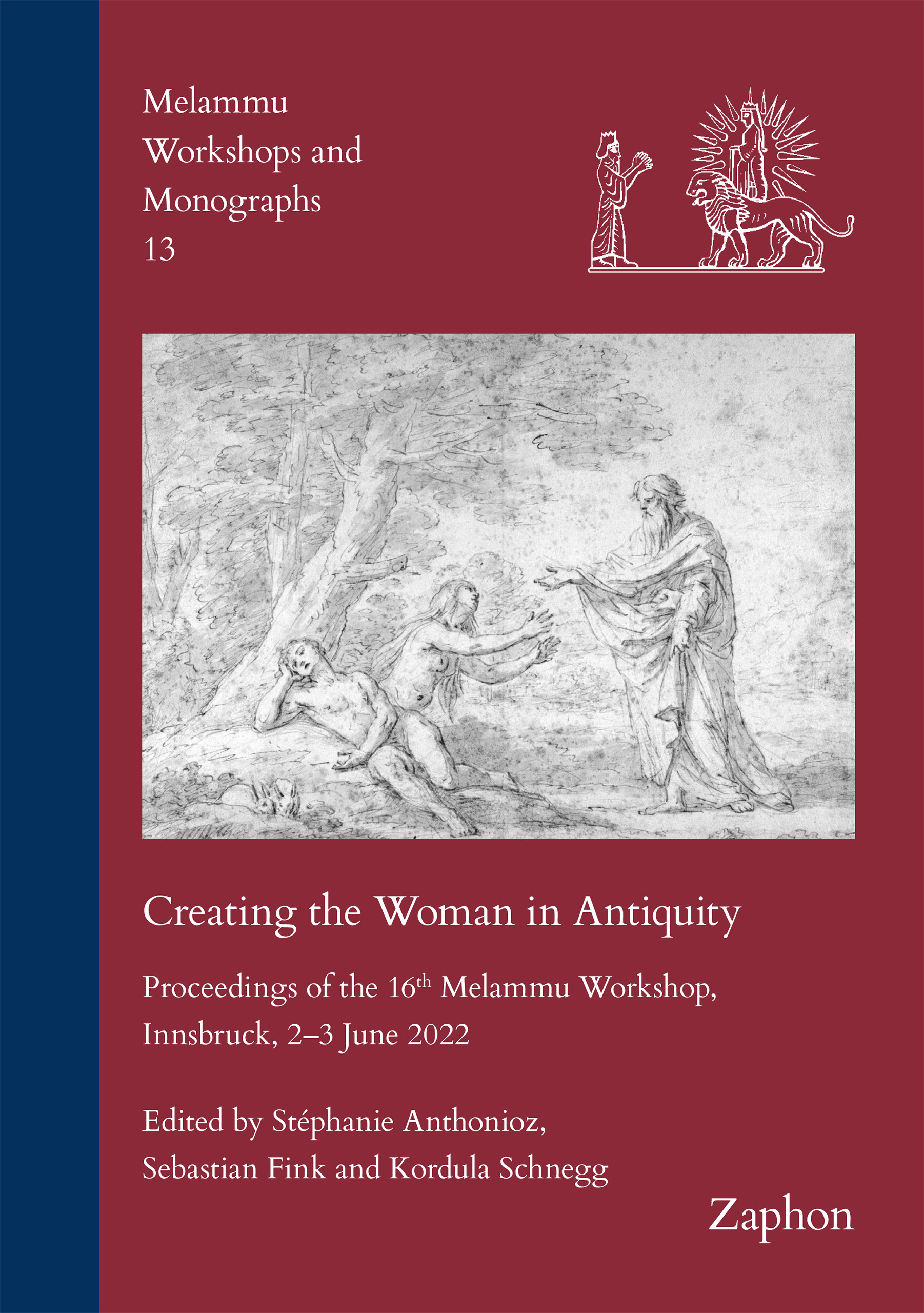 Creating the Woman in Antiquity
Proceedings of the 16th Melammu Workshop, Innsbruck, 2–3 June 2022
Volume 13

 Drunk the Potion, No Whit Charmed
The Doctrine of Pure and Perfect Souls from Iamblichus to Damascius



 Extracanonical Traditions and the Holy Land
Texts, Rituals, and Material Culture in Late Antique Palestine
 Fear, Fear of God, God-Fearers
Philological and Historical Perspectives on the World of Ancient Judaism and Christianity




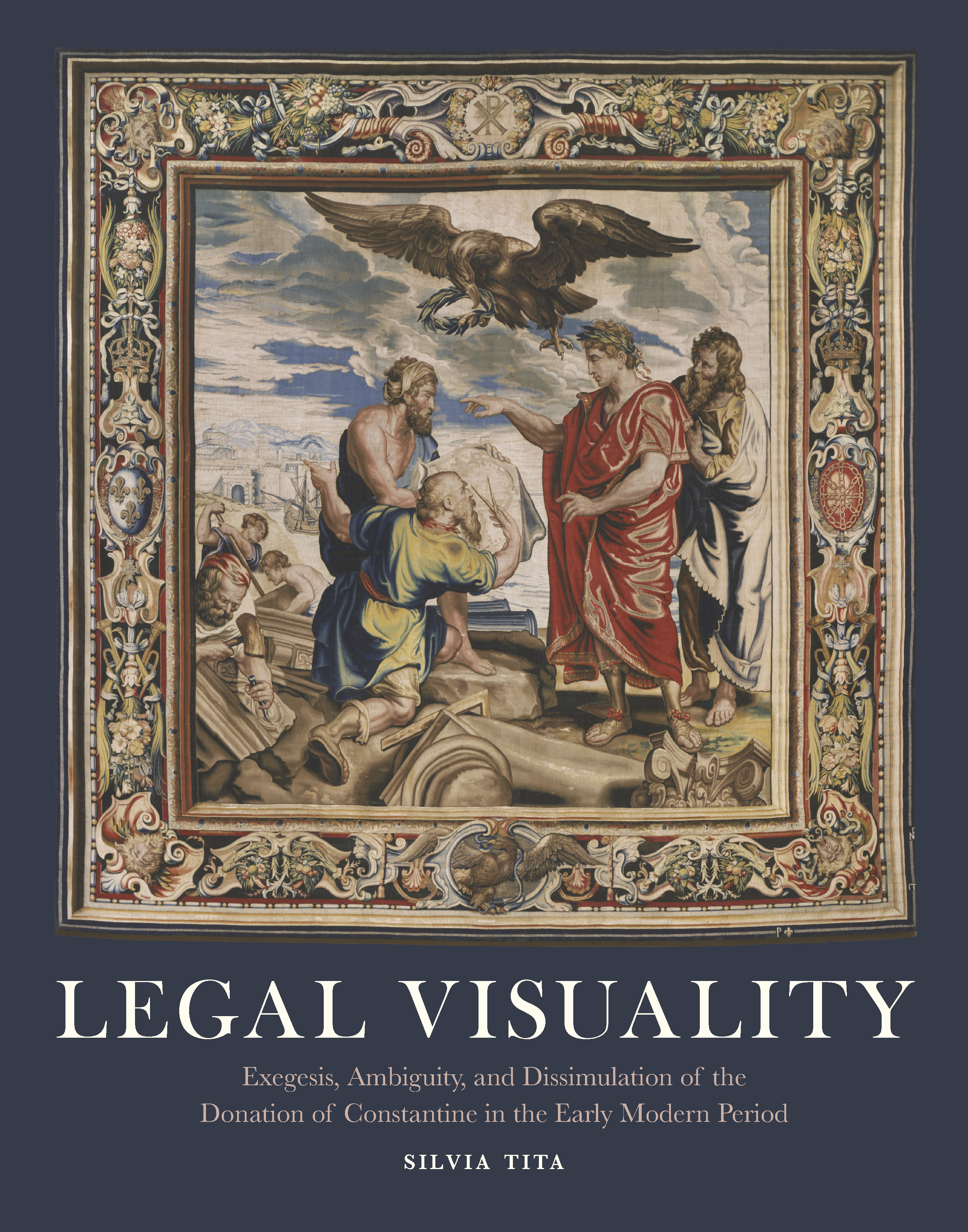 Legal Visuality
Exegesis, Ambiguity, and Dissimulation of the Donation of Constantine in the Early Modern Period
 Liturgia semper reformanda
Adaptations and accommodations in the liturgy in light of canon 838 of the Code of Canon Law